
Curated Collections · 30 artworks · Created July 20, 2026

The Clockmaker's Reverie

The rhythmic geometry and silent architecture of the infinite second.

Read it as a book

Download the set in 4K — or open it in the MP Art app to send straight to your Frame

The Clockmaker's Reverie

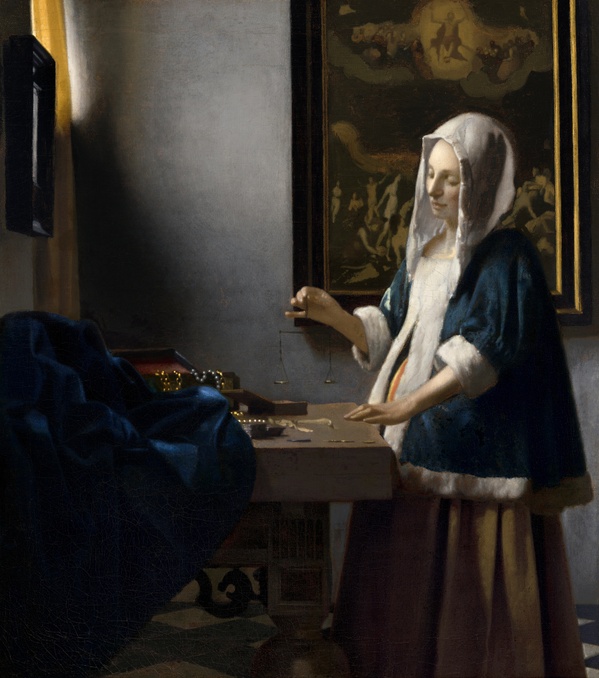
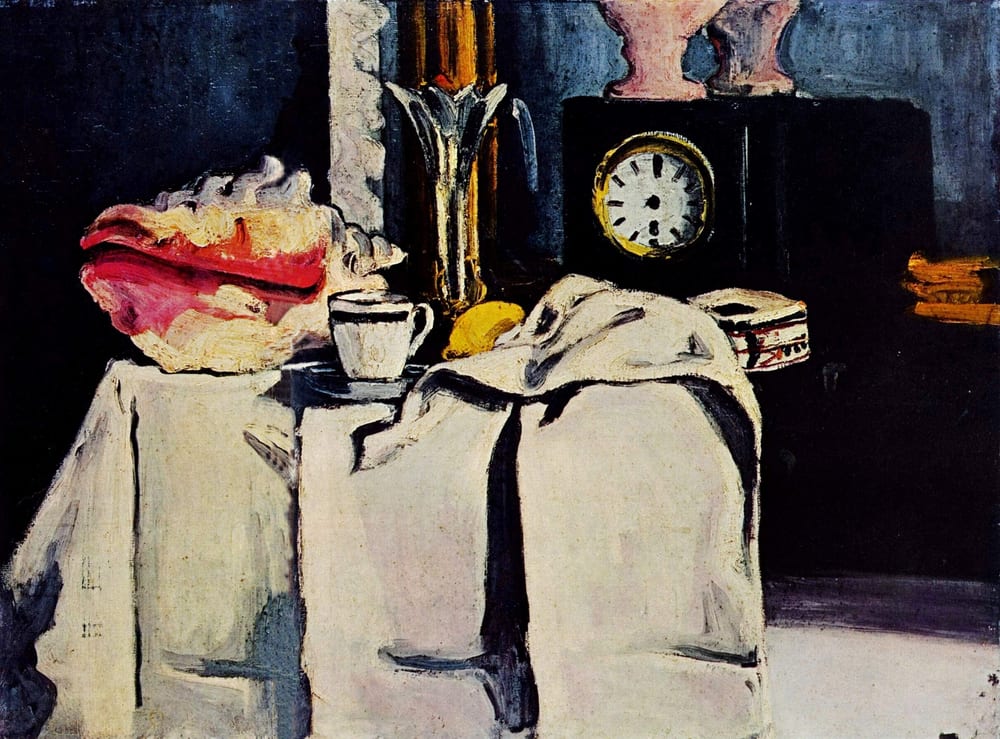
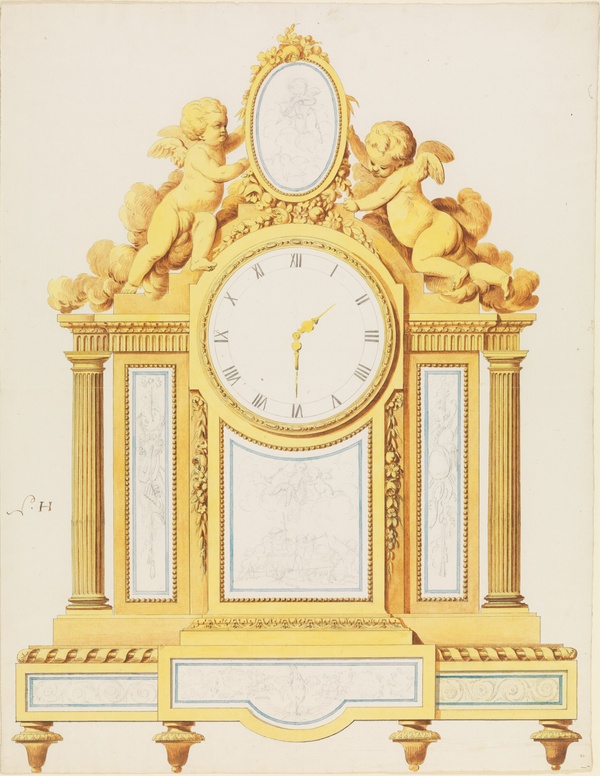
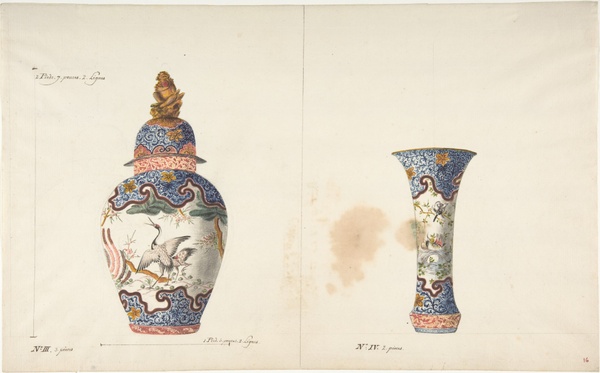
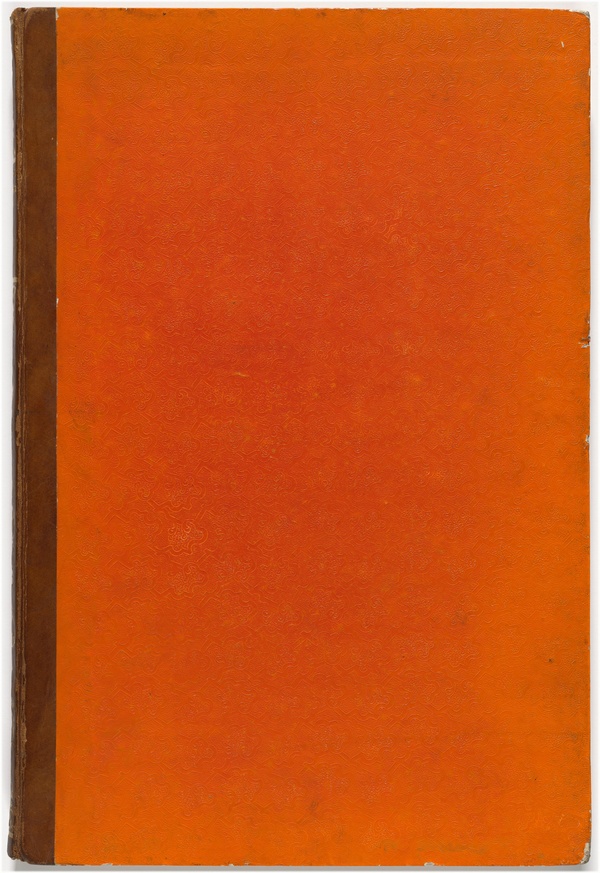
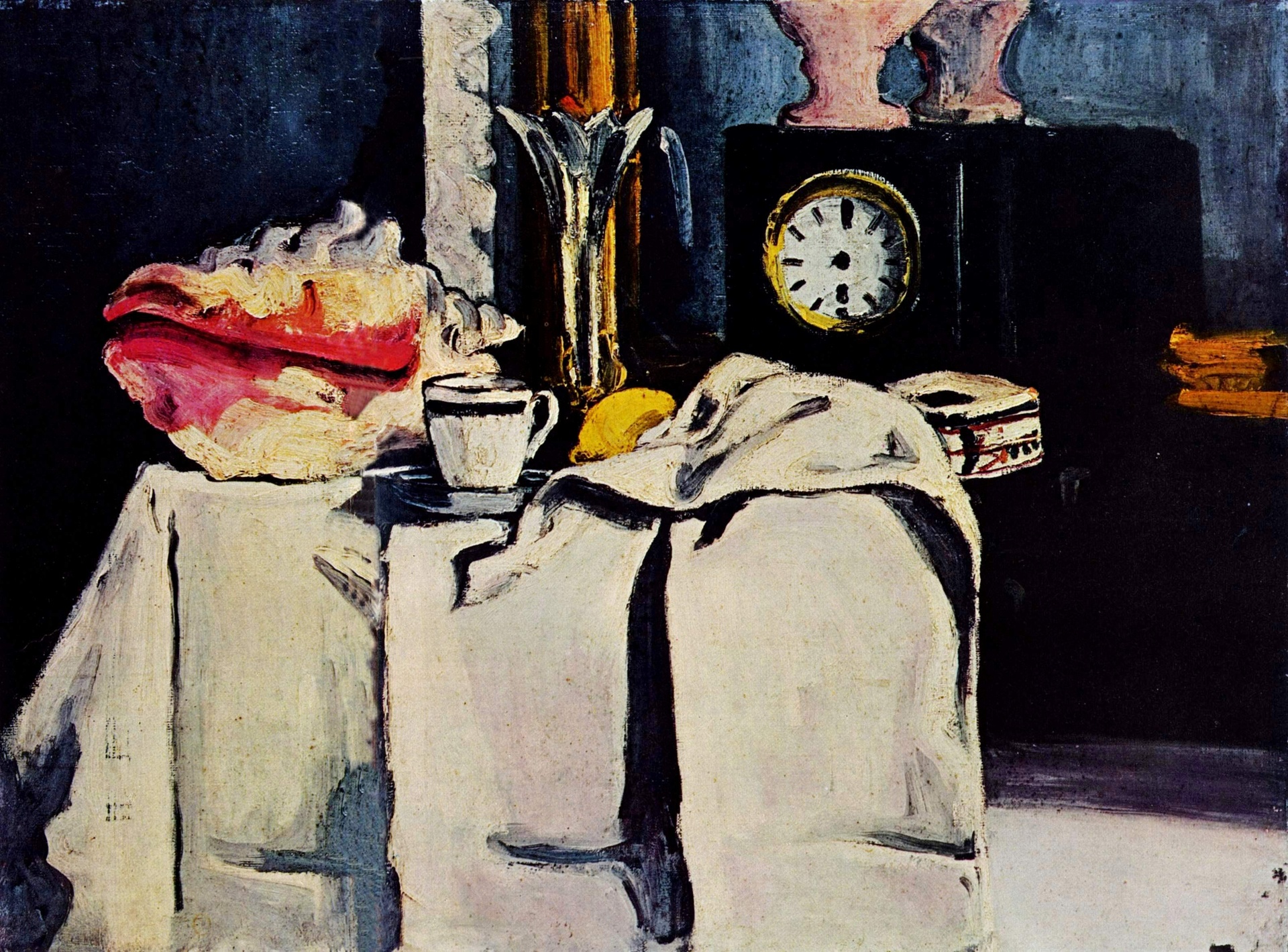
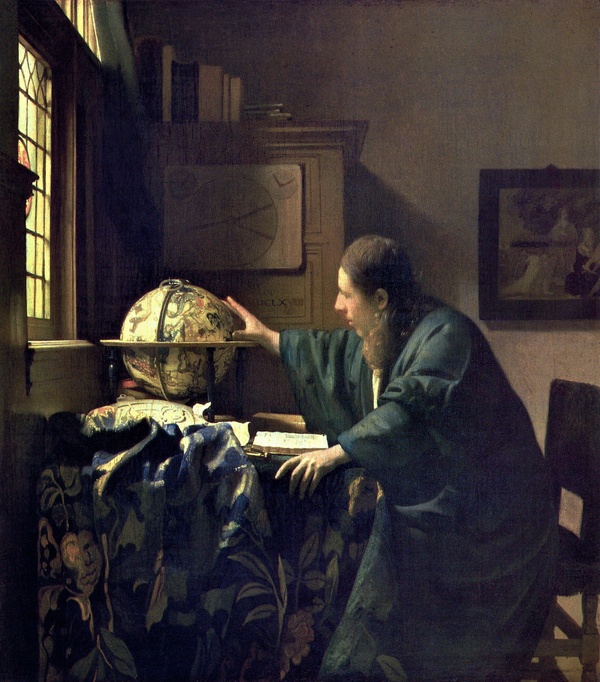
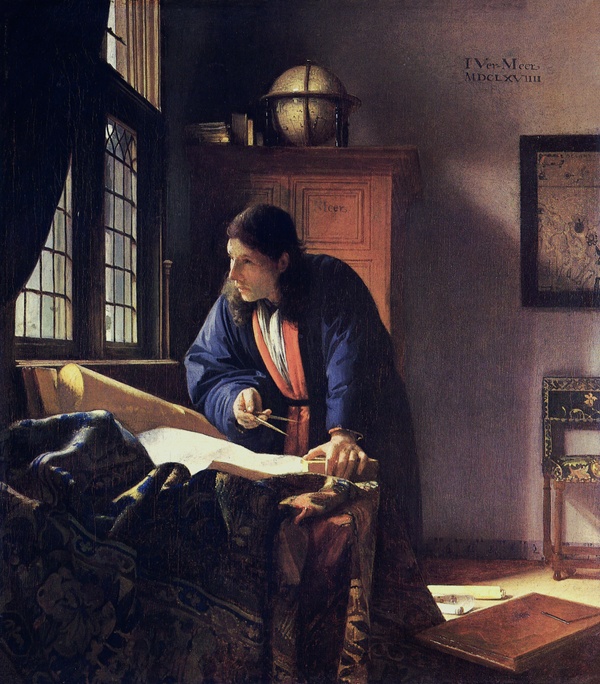
In the silent study of a Dutch master, time begins as a measurement of light. We observe The Astronomer reaching for the celestial globe, while nearby, The Geographer pauses over his charts, both seeking to map the infinite. They are anchored by a Woman Holding a Balance, who weighs the invisible weight of the soul against the ticking world. On the mantle, the heavy presence of The Black Marble Clock (La Pendule noire) serves as a memento mori, a physical anchor for the 'silent architecture' of the home. This domestic rhythm is reflected in the delicate Design for a Clock and the ornate Design for Two Vases, which echo the classical rigor found in the pages of Fabbriche e Disegni (volume I).
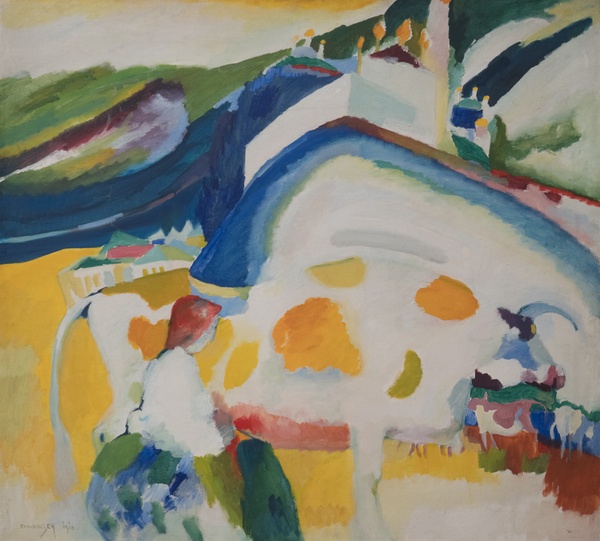
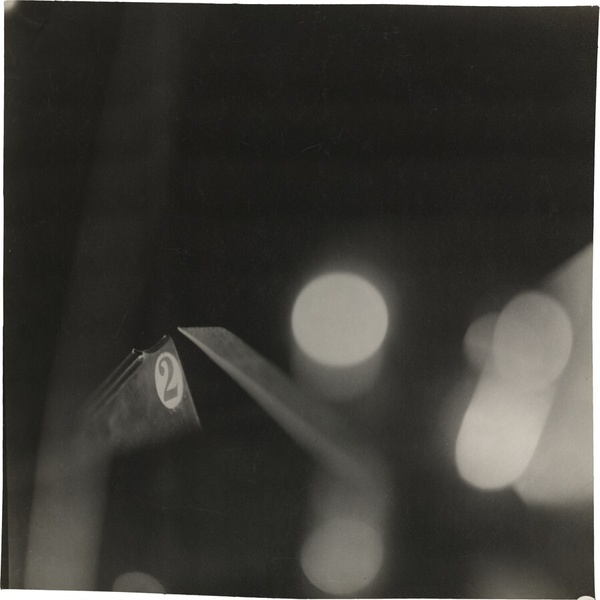
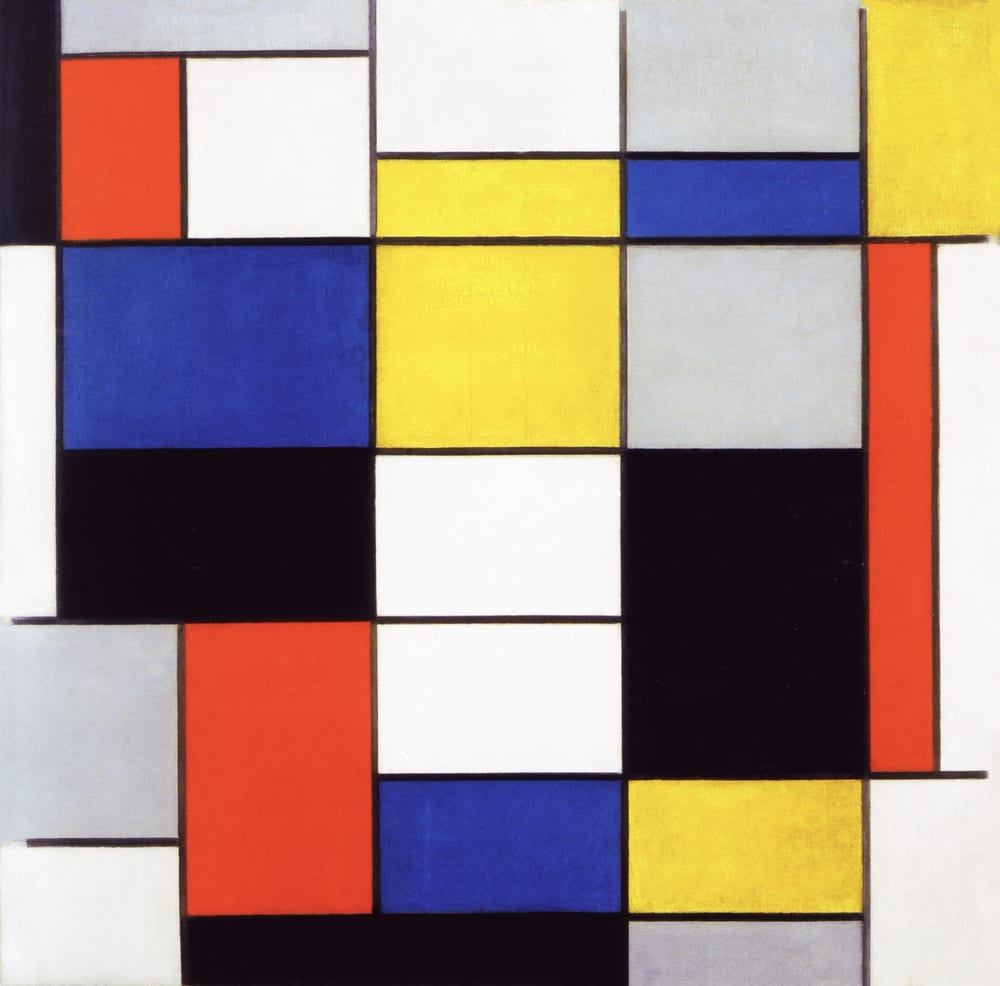
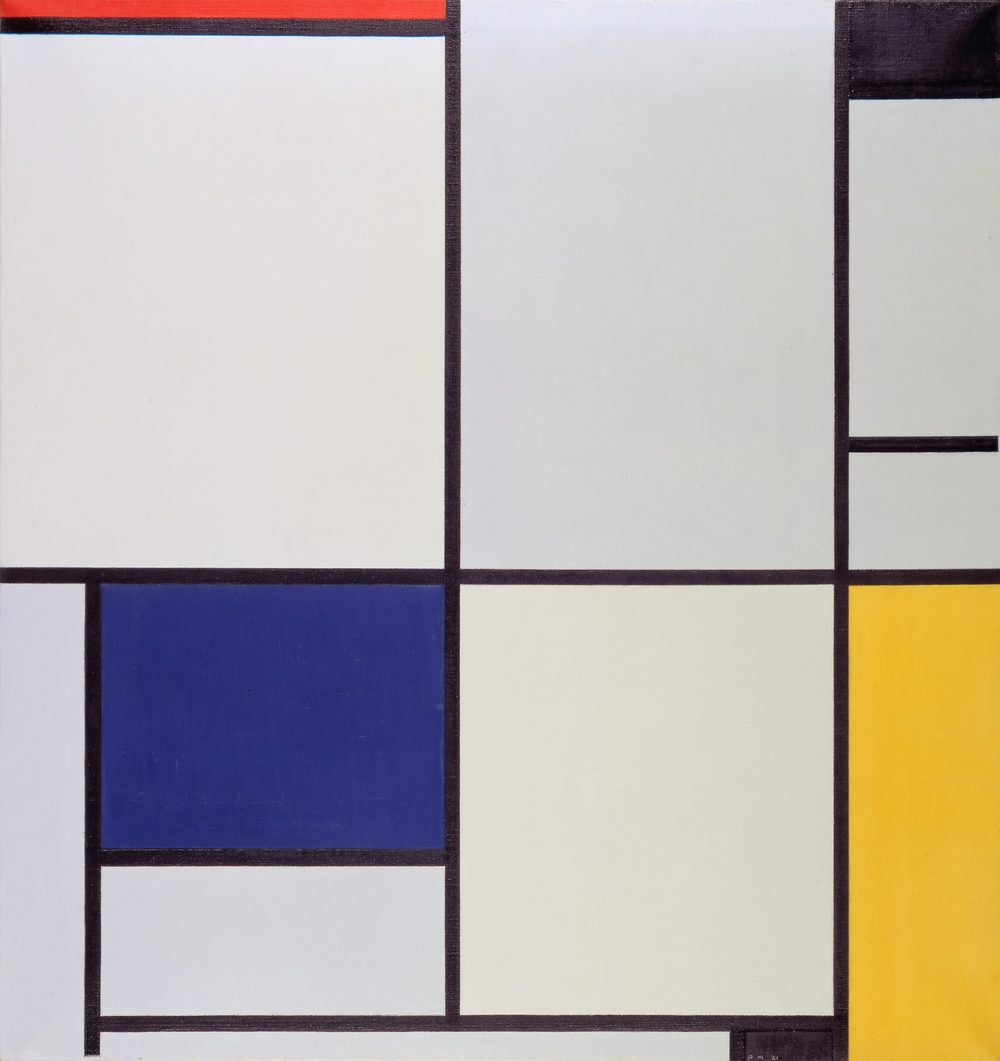
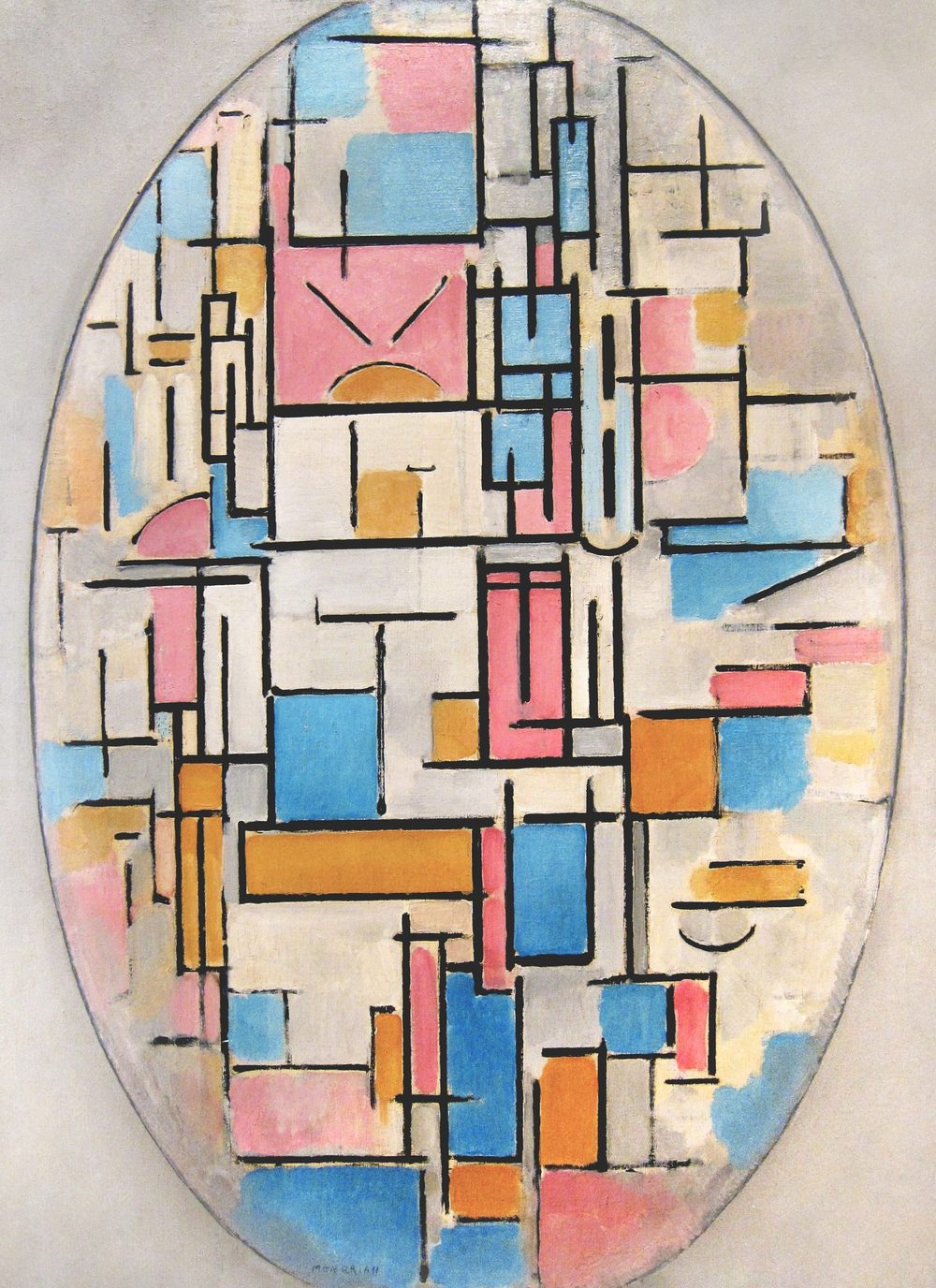
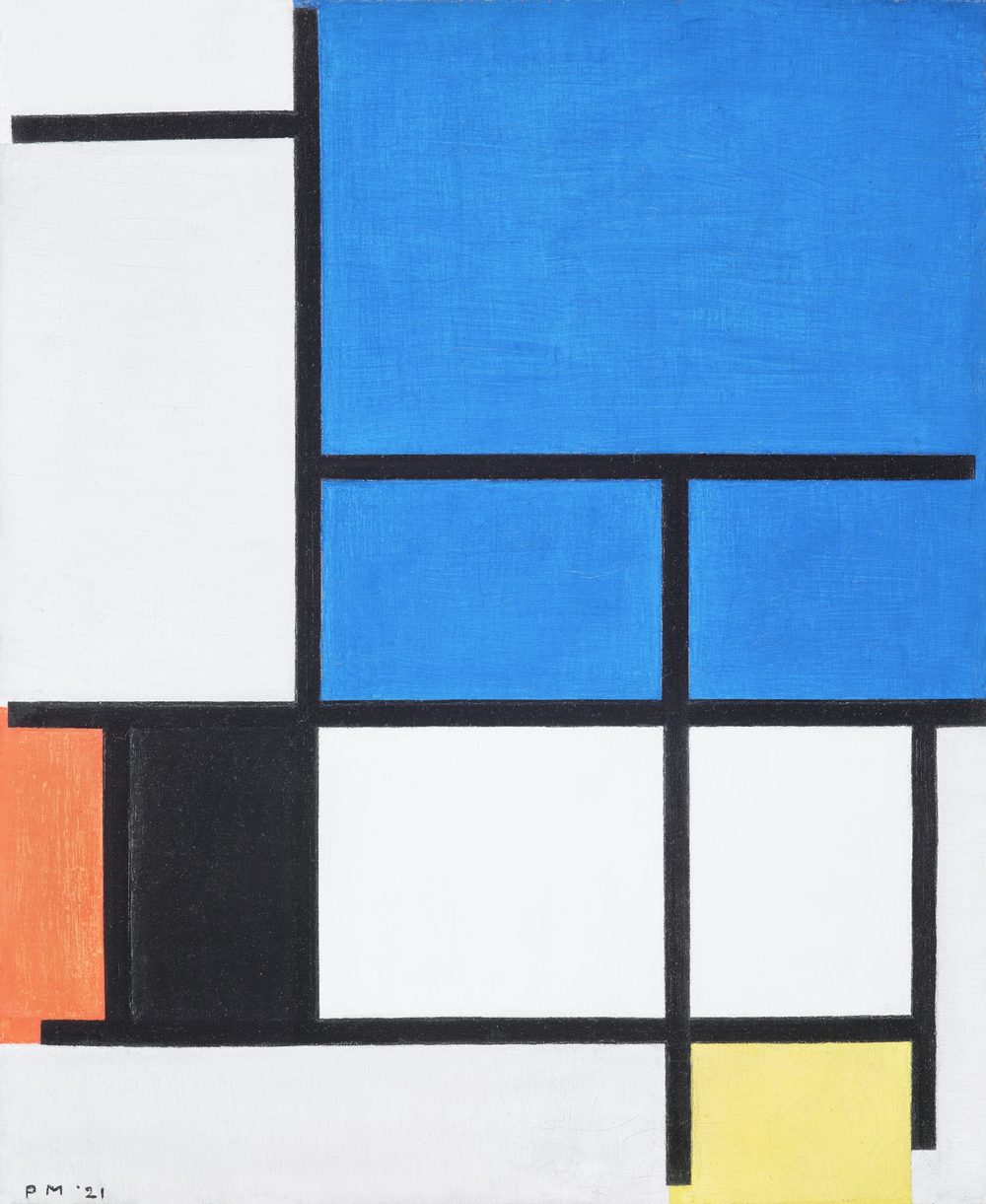
As the clockmaker enters a deeper reverie, the physical world dissolves. We move from the curves of Tableau No. 3: Composition in Oval to the analytical fractures of Composition in Oval with Color Planes 1. The familiar becomes strange; even the organic is distilled into the geometric in Composition VIII (The Cow) and the photographic mystery of Untitled (Composition with Magic Two). Here, time is no longer a ticking hand, but a structural grid. We witness the birth of Neoplasticism in Composition C and Tableau I, where balance is found in primary tensions.
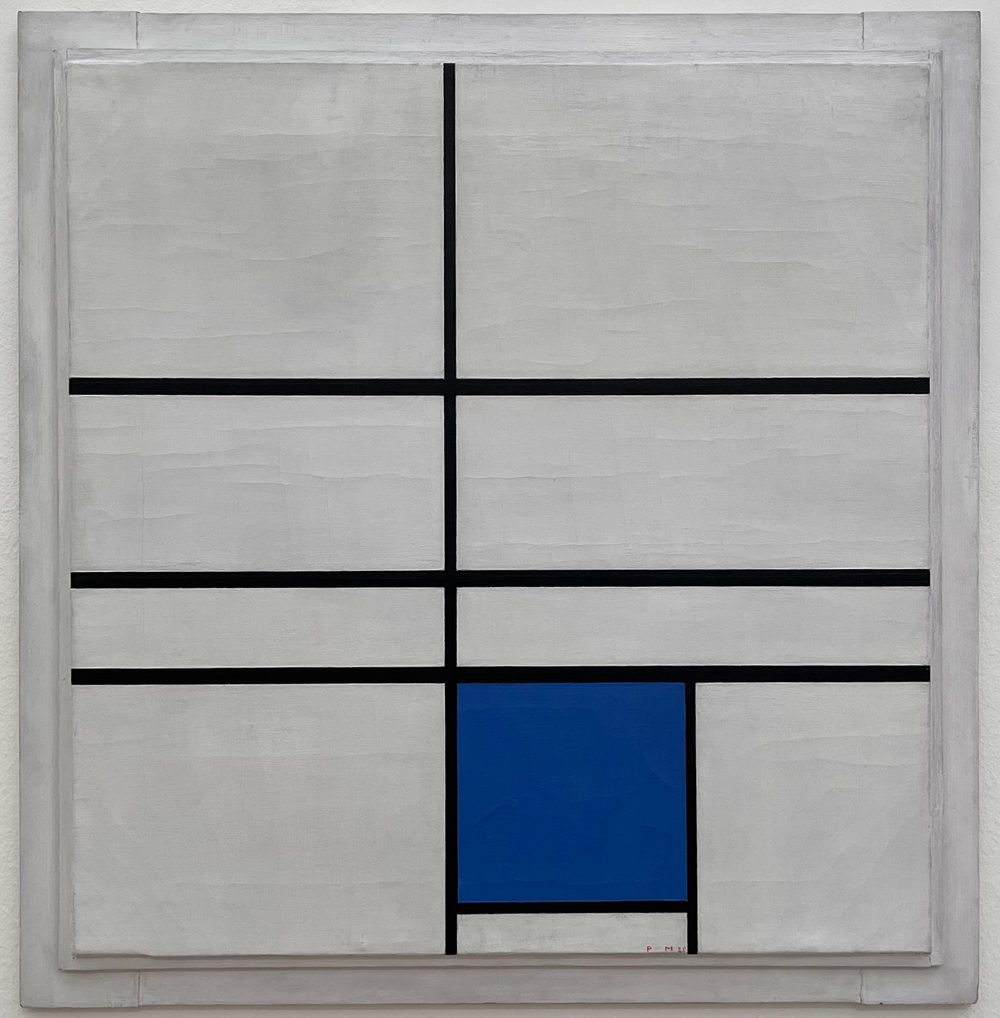
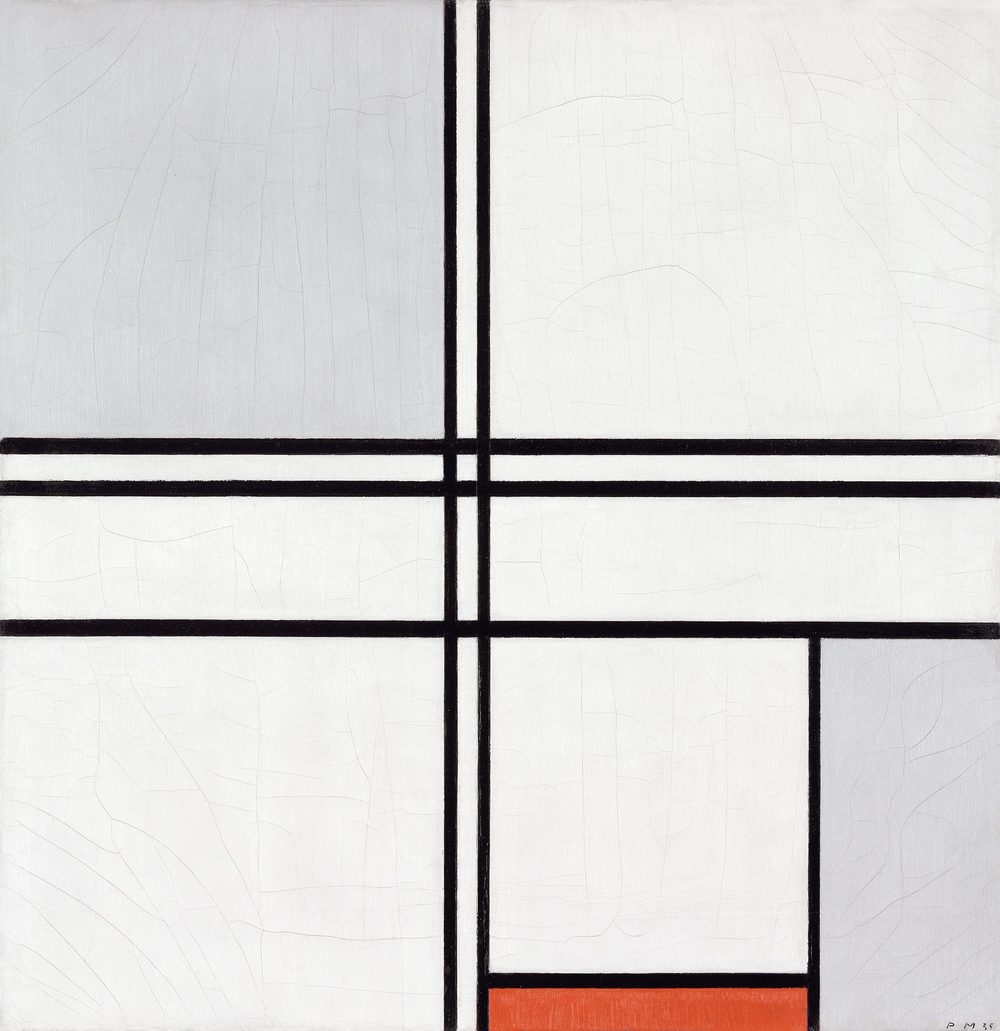
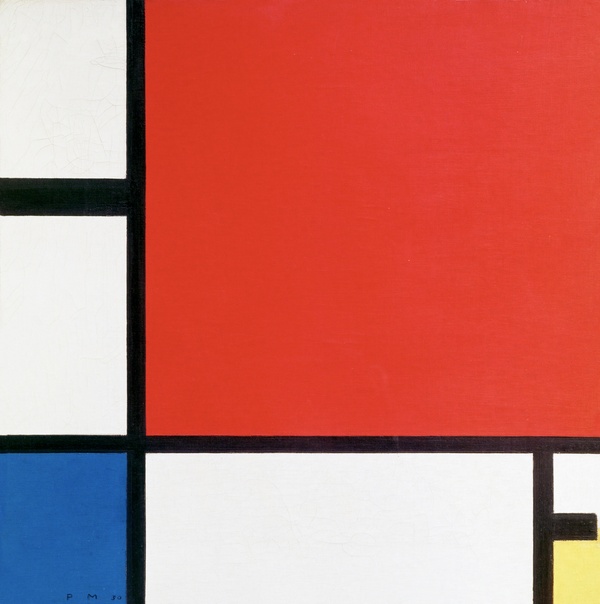
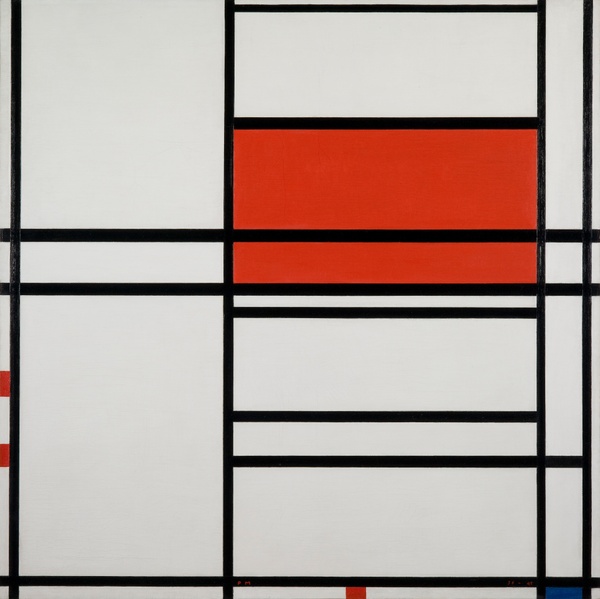
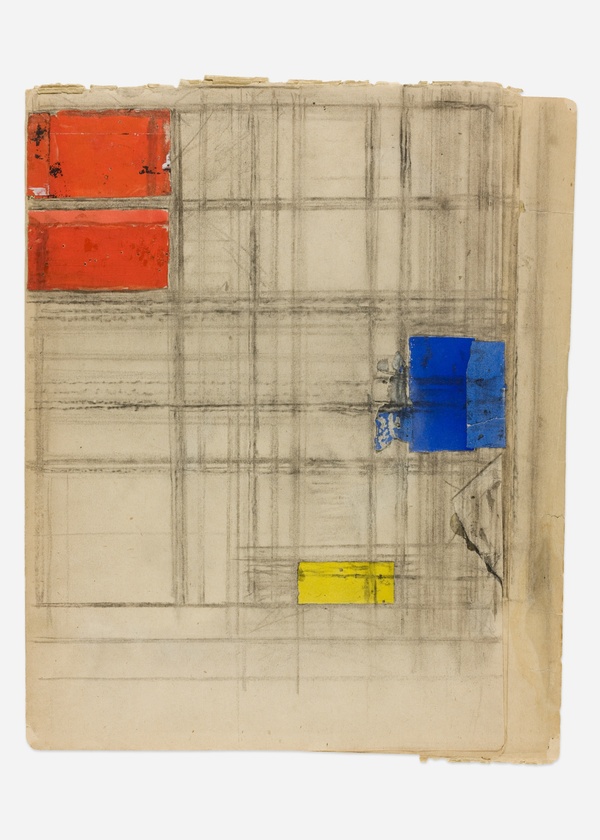
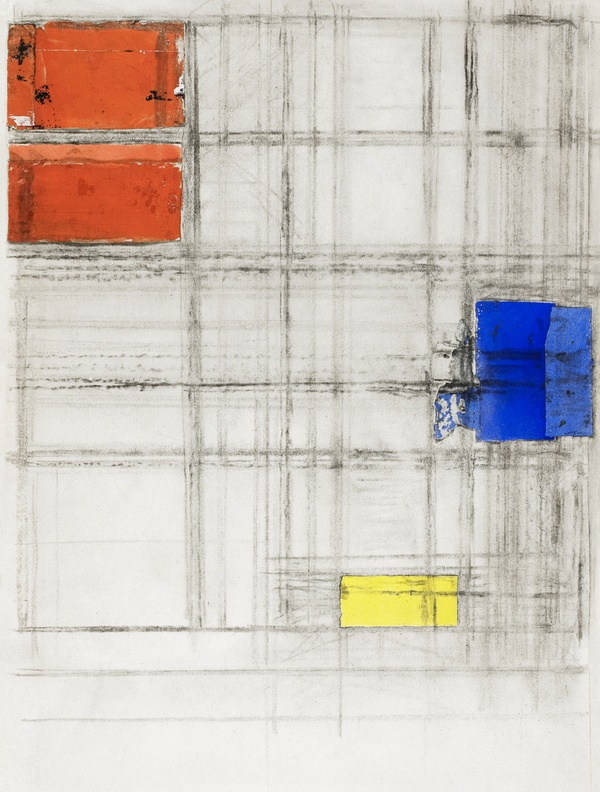
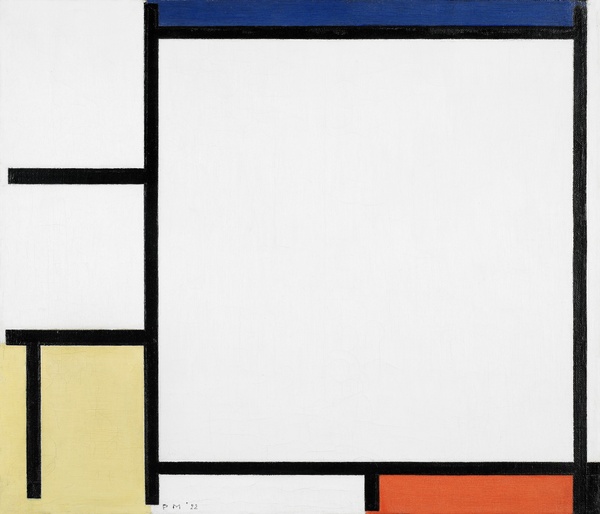
The vision expands through Composition Blue, Red, Yellow, Black and Composition with Large Blue Plane, Red, Black, Yellow, and Gray. Every line is a second, every plane a heartbeat. The clockmaker’s meditation grows more precise in Composition with Double Lines and White and Blue and the subtle Composition (No. 1) Gray-Red. This evolution continues through the complex layers of Composition No. 1 with Grey and Red 1938 / Composition with Red 1939 and Composition of Red and White: Nom 1 / Composition No. 4 with Red and Blue. Each Study for a Composition - Piet Mondrian (c. 1935–1941) and Study Composition (1940–1941) reveals the labor of finding stillness within motion.
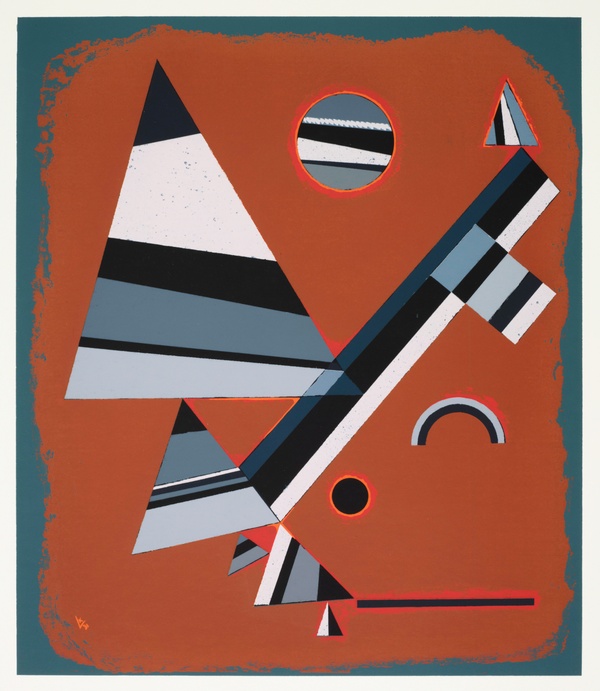
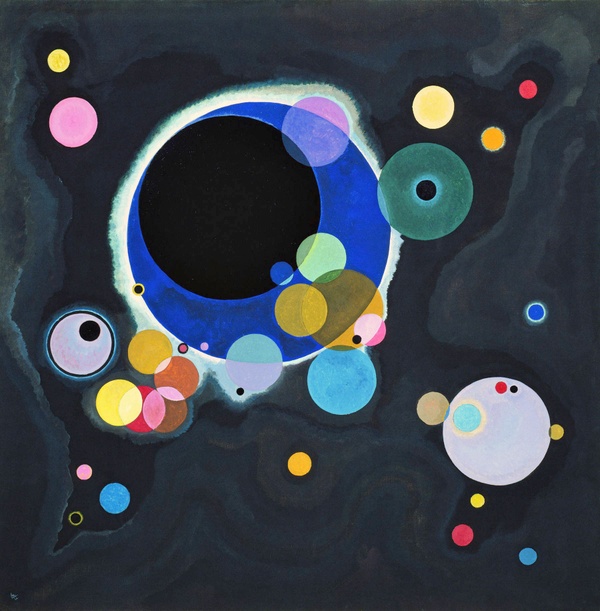
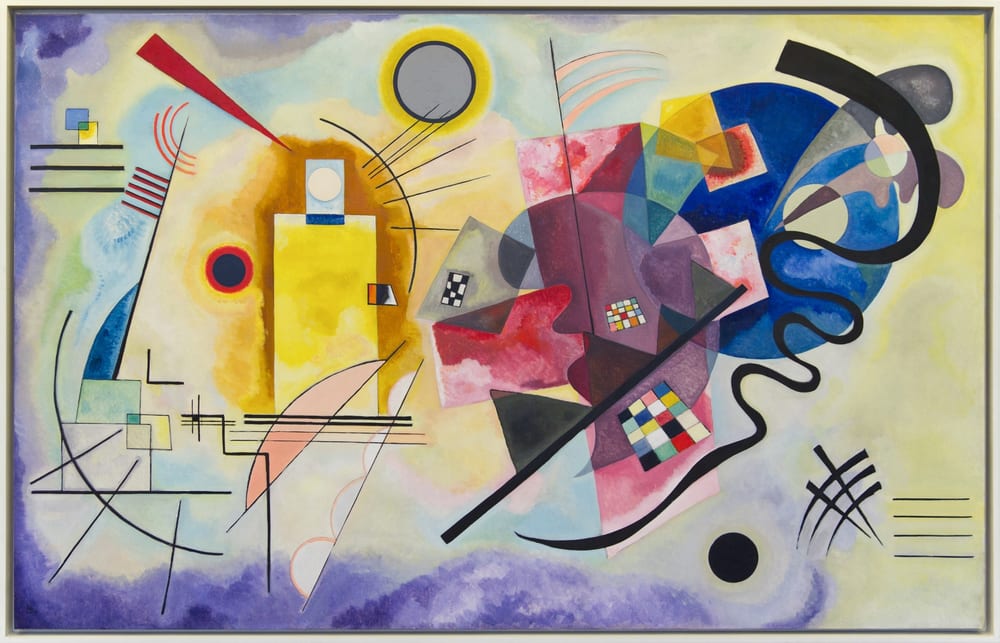
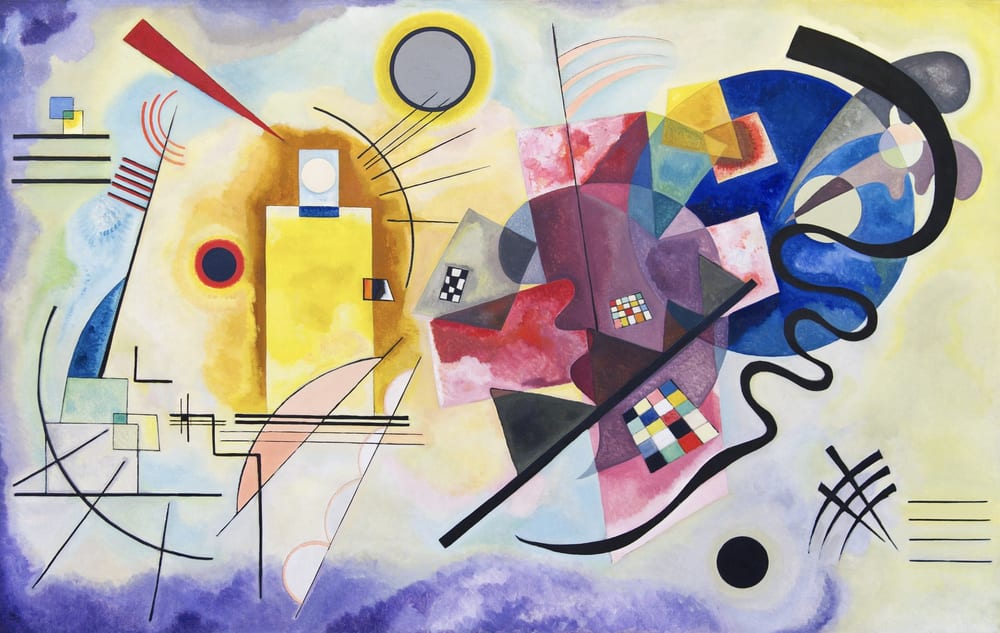
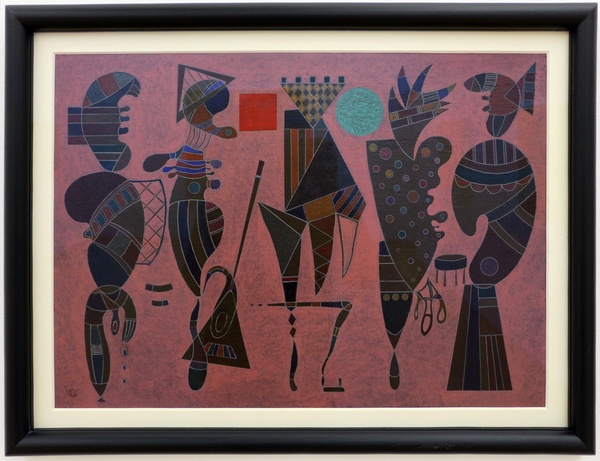
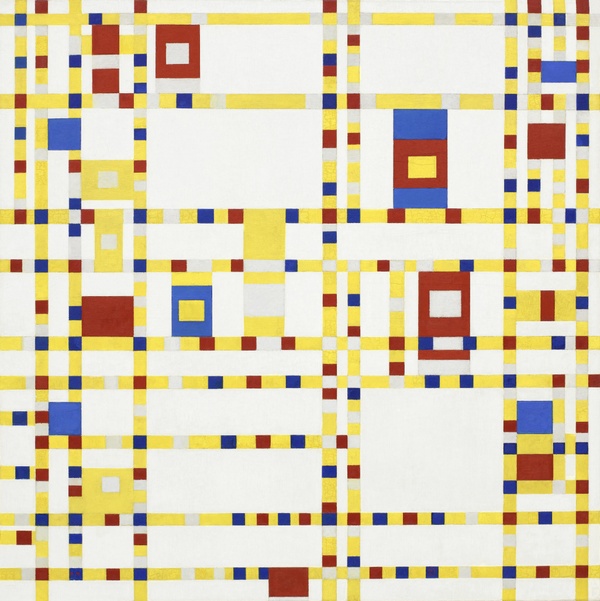
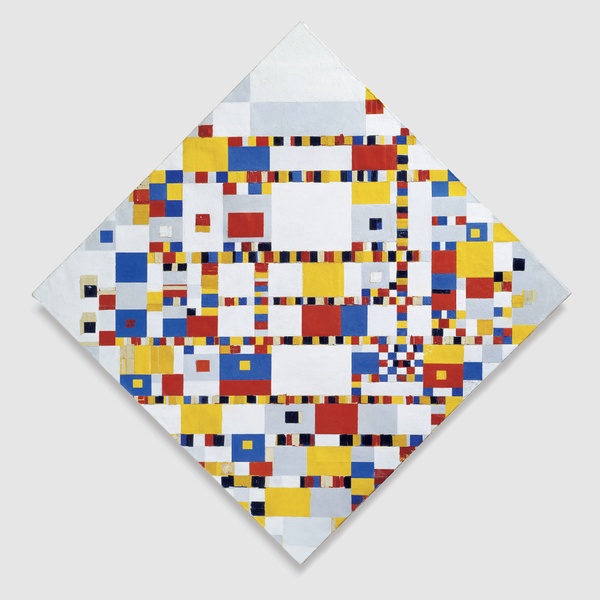
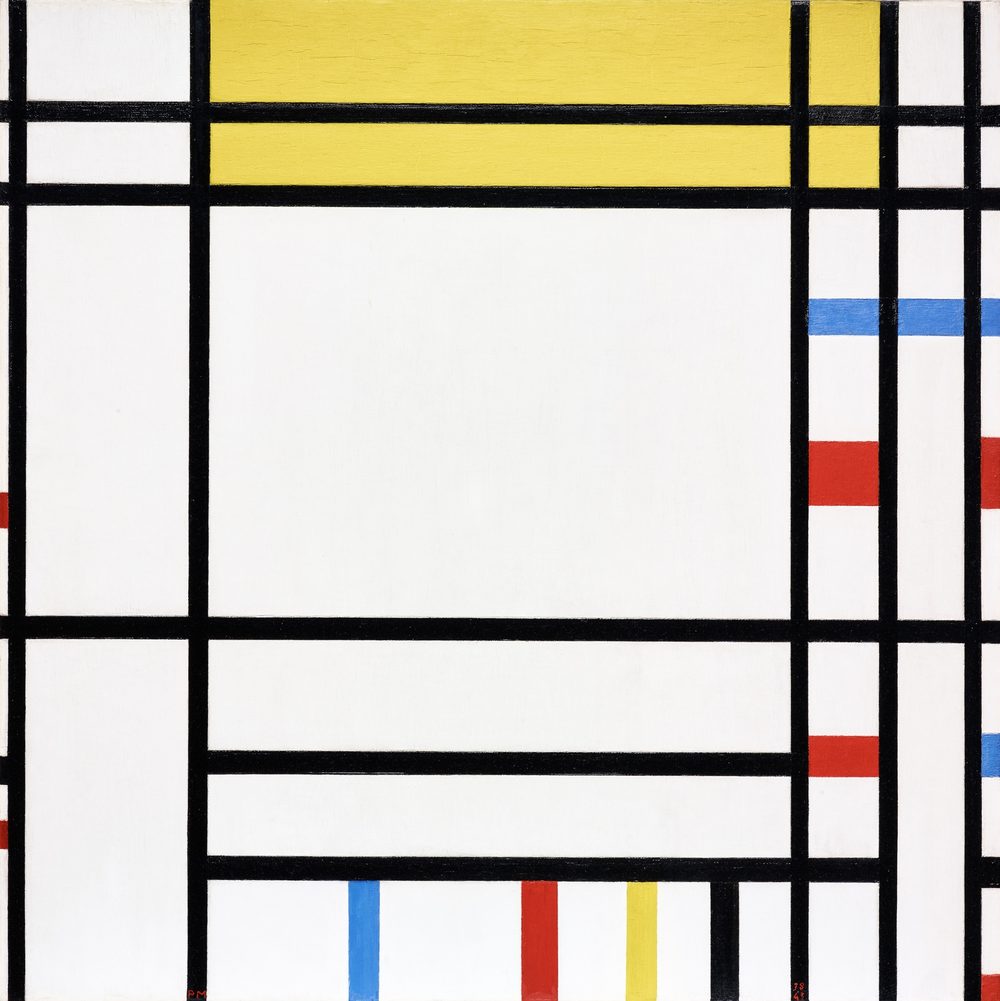
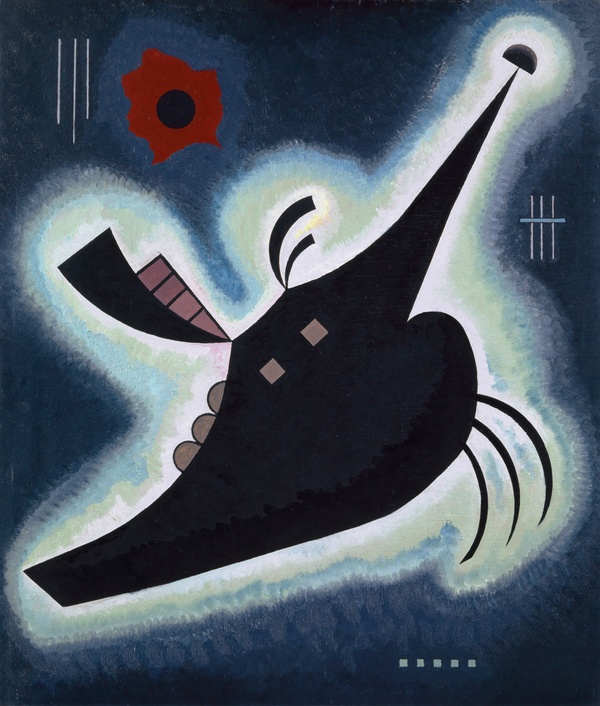
The grid eventually meets the city in Place de la Concorde, but the reverie shifts toward a cosmic abstraction. We encounter the sharp strike of Pointed Black and the atmospheric depth of Gris (Gray). In the vastness of Several Circles (Einige Kreise), time becomes planetary. The interplay of Jaune Rouge Bleu and Yellow-Red-Blue creates a visual symphony that defies literal time, reaching a Complexité simple (Simple Complexity). Finally, the rhythm reaches its zenith. The steady tick of the clock transforms into the urban vibration of Broadway Boogie Woogie, ending in the vibrant, unfinished hope of Victory Boogie Woogie. The second is no longer measured; it is lived.
Artworks in this collection

30 artworks
The Astronomer - Johannes Vermeer (1668)
Premium

The Astronomer - Johannes Vermeer (1668)

Johannes Vermeer

Netherlands, 1668

Captures the quiet, scholarly focus of a master craftsman contemplating the tools and celestial maps that define chronometry.

The Geographer - Johannes Vermeer (1669)
Premium

The Geographer - Johannes Vermeer (1669)

Johannes Vermeer

Netherlands, 1669

Represents the mathematical precision and spatial logic required to translate geographical distance into units of time.

Woman Holding a Balance - Johannes Vermeer (ca. 1664)
Premium

Woman Holding a Balance - Johannes Vermeer (ca. 1664)

Johannes Vermeer

Netherlands, 1664

The act of weighing and balancing captures the meticulous focus required for horological accuracy.

The Black Marble Clock (La Pendule noire) - Paul Cézanne (1869-1871)
Premium

The Black Marble Clock (La Pendule noire) - Paul Cézanne (1869-1871)

Paul Cézanne

France, 1869

A central object study that grounds the theme in the physical presence of a mechanical timekeeper.

Design for a Clock - Anonymous, French (ca. 1781–1785)

Design for a Clock - Anonymous, French (ca. 1781–1785)

Anonymous, French

France, 1783

A literal neoclassical blueprint that highlights the architectural beauty and ornate design inherent in fine watchmaking.

Design for Two Vases - Anonymous, French (ca. 1770–1785)

Design for Two Vases - Anonymous, French (ca. 1770–1785)

Anonymous, French

France, 1770

Neoclassical metalwork designs that reflect the decorative craftsmanship and symmetry applied to chronometric housings.

Fabbriche e Disegni (volume I) - Cavaliere Giulio Quarenghi and Giacomo Quarenghi (1844)

Fabbriche e Disegni (volume I) - Cavaliere Giulio Quarenghi and Giacomo Quarenghi (1844)

Cavaliere Giulio Quarenghi and Giacomo Quarenghi

Italy, 1844

Drafting and engraving prints that represent the technical and architectural foundations of the horological arts.

Tableau No. 3: Composition in Oval - Piet Mondrian (1913)
Premium

Tableau No. 3: Composition in Oval - Piet Mondrian (1913)

Piet Mondrian

Netherlands, 1913

The oval frame evokes the protective casing of a precision pocket watch, housing a delicate internal world.

Composition in Oval with Color Planes 1 - Piet Mondrian (1914)
Premium

Composition in Oval with Color Planes 1 - Piet Mondrian (1914)

Piet Mondrian

Netherlands, 1914

The oval composition and crystalline planes suggest a view into the complex, interlocking layers of a pocket watch.

Composition VIII (The Cow) - Theo van Doesburg (c. 1918)
Premium

Composition VIII (The Cow) - Theo van Doesburg (c. 1918)

Theo van Doesburg

Netherlands, 1918

Deconstructs a form into its logical, geometric core, mirroring the deconstruction of time into seconds.

Untitled (Composition with Magic Two) - Jaroslav Rössler (1923)
Premium

Untitled (Composition with Magic Two) - Jaroslav Rössler (1923)

Jaroslav Rössler

Czech Republic, 1923

The sharp geometric focus of this photography mirrors the microscopic clarity needed in watchmaking.

Composition C - Piet Mondrian (1920)
Premium

Composition C - Piet Mondrian (1920)

Piet Mondrian

Netherlands, 1920

The rhythmic division of the canvas echoes the precise, recurring ticking of a mechanical metronome.

Tableau I - Piet Mondrian (1921)

Tableau I - Piet Mondrian (1921)

Piet Mondrian

Netherlands, 1921

A final statement on rigid order and mathematical perfection, where every line has a functional purpose.

Composition Blue, Red, Yellow, Black - Piet Mondrian (1921)
Premium

Composition Blue, Red, Yellow, Black - Piet Mondrian (1921)

Piet Mondrian

Netherlands, 1921

An exercise in perfect ratio and balance, echoing the necessary equilibrium of an escapement mechanism.

Composition with Large Blue Plane, Red, Black, Yellow, and Gray - Piet Mondrian (1921)
Premium

Composition with Large Blue Plane, Red, Black, Yellow, and Gray - Piet Mondrian (1921)

Piet Mondrian

Netherlands, 1921

Focuses on the harmony of blue and red planes, reflecting the structural integrity of an instrument's face.

Composition with Double Lines and White and Blue - Piet Mondrian (1930)
Premium

Composition with Double Lines and White and Blue - Piet Mondrian (1930)

Piet Mondrian

Netherlands, 1930

The double lines suggest a refined attention to detail, characteristic of the clockmaker’s microscopic workspace.

Composition (No. 1) Gray-Red - Piet Mondrian (1935)

Composition (No. 1) Gray-Red - Piet Mondrian (1935)

Piet Mondrian

Netherlands, 1935

A minimalist structural study that mirrors the silent, mathematical elegance of a simplified watch movement.

Composition No. 1 with Grey and Red 1938 / Composition with Red 1939 - Piet Mondrian (1938–39)
Premium

Composition No. 1 with Grey and Red 1938 / Composition with Red 1939 - Piet Mondrian (1938–39)

Piet Mondrian

Netherlands, 1939

The rigid grid and balance of red and grey reflect the structural stability and precision of a clock’s framework.

Composition of Red and White: Nom 1 / Composition No. 4 with Red and Blue - Piet Mondrian (1938–1942)
Premium

Composition of Red and White: Nom 1 / Composition No. 4 with Red and Blue - Piet Mondrian (1938–1942)

Piet Mondrian

Netherlands, 1938

Reduces the visual field to essential lines, much like the refined simplicity of a high-precision chronometer.

Study for a Composition - Piet Mondrian (c. 1935–1941)
Premium

Study for a Composition - Piet Mondrian (c. 1935–1941)

Piet Mondrian

Netherlands, 1940

Mondrian’s geometric study mimics the stark, logical layout of a mechanical movement's internal components.

Study Composition (1940–1941) - Piet Mondrian (1940)
Premium

Study Composition (1940–1941) - Piet Mondrian (1940)

Piet Mondrian

Netherlands, 1940

Functions as a conceptual blueprint, highlighting the intentional placement of every geometric element.

Place de la Concorde - Piet Mondrian (1938–1943)

Place de la Concorde - Piet Mondrian (1938–1943)

Piet Mondrian

Netherlands, 1938

The overlapping grid systems suggest the layered complexity of multiple time zones or complications.

Pointed Black - Wassily Kandinsky (1931)
Premium

Pointed Black - Wassily Kandinsky (1931)

Wassily Kandinsky

Russia, 1931

Sharp angles and crisp black forms evoke the precision-milled steel edges of a clockmaker's gears.

Gris (Gray) - Wassily Kandinsky (1931)

Gris (Gray) - Wassily Kandinsky (1931)

Wassily Kandinsky

Russia, 1931

A Bauhaus-inflected abstraction that reflects the industrial, engineered beauty of steel and brass.

Several Circles (Einige Kreise) - Wassily Kandinsky (1926)
Premium

Several Circles (Einige Kreise) - Wassily Kandinsky (1926)

Wassily Kandinsky

Russia, 1926

Celestial circles that serve as a visual metaphor for the orbits and ruby bearings that facilitate the passage of time.

Jaune Rouge Bleu - Wassily Kandinsky (1925)
Premium

Jaune Rouge Bleu - Wassily Kandinsky (1925)

Wassily Kandinsky

Russia, 1925

A complex, vibrant engine of shapes that mirrors the energy and logic within a clockmaker’s finest creation.

Yellow-Red-Blue - Wassily Kandinsky (1925)
Premium

Yellow-Red-Blue - Wassily Kandinsky (1925)

Wassily Kandinsky

Russia, 1925

An abstract landscape of kinetic geometry, capturing the motion and potential of a ticking heart.

Complexité simple (Simple Complexity) - Wassily Kandinsky (1939)
Premium

Complexité simple (Simple Complexity) - Wassily Kandinsky (1939)

Wassily Kandinsky

Russia, 1939

Kandinsky's abstract geometry evokes the complex, non-linear synergy of diverse mechanical parts working as one.

Broadway Boogie Woogie - Piet Mondrian (1942–1943)

Broadway Boogie Woogie - Piet Mondrian (1942–1943)

Piet Mondrian

Netherlands, 1943

The rhythmic, grid-based movement serves as a visual heartbeat for the theme’s mechanical reverie.

Victory Boogie Woogie - Piet Mondrian (1942–1944)
Premium

Victory Boogie Woogie - Piet Mondrian (1942–1944)

Piet Mondrian

Netherlands, 1942

The ultimate rhythmic pulse; a vibrating grid that mimics the rapid, unrelenting beat of the internal engine.

Discover more curated collections

View all collections