
Curated Collections · 30 artworks · Created August 10, 2026

The Iron Lace

The intricate strength of metal woven into the skeletal rhythms of the modern horizon.

Read it as a book

Download the set in 4K — or open it in the MP Art app to send straight to your Frame

The Iron Lace

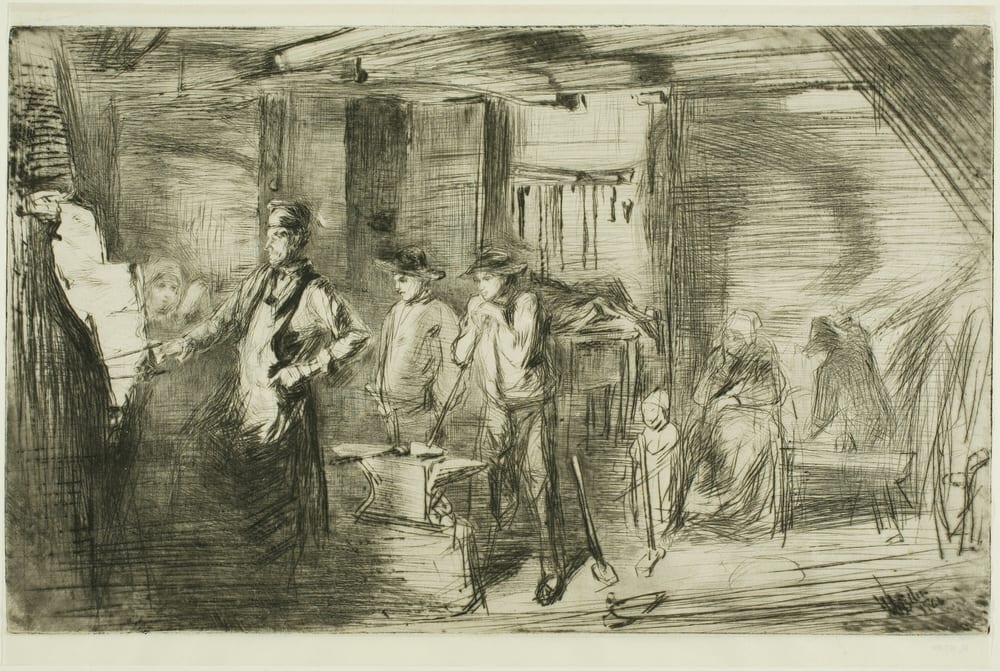
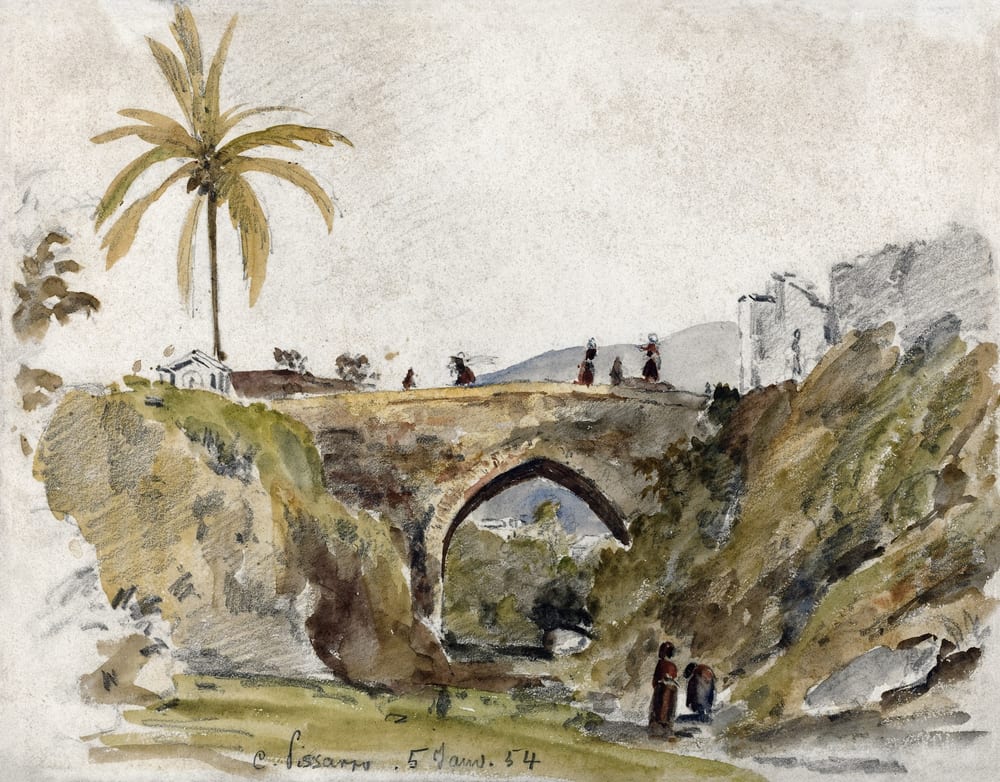
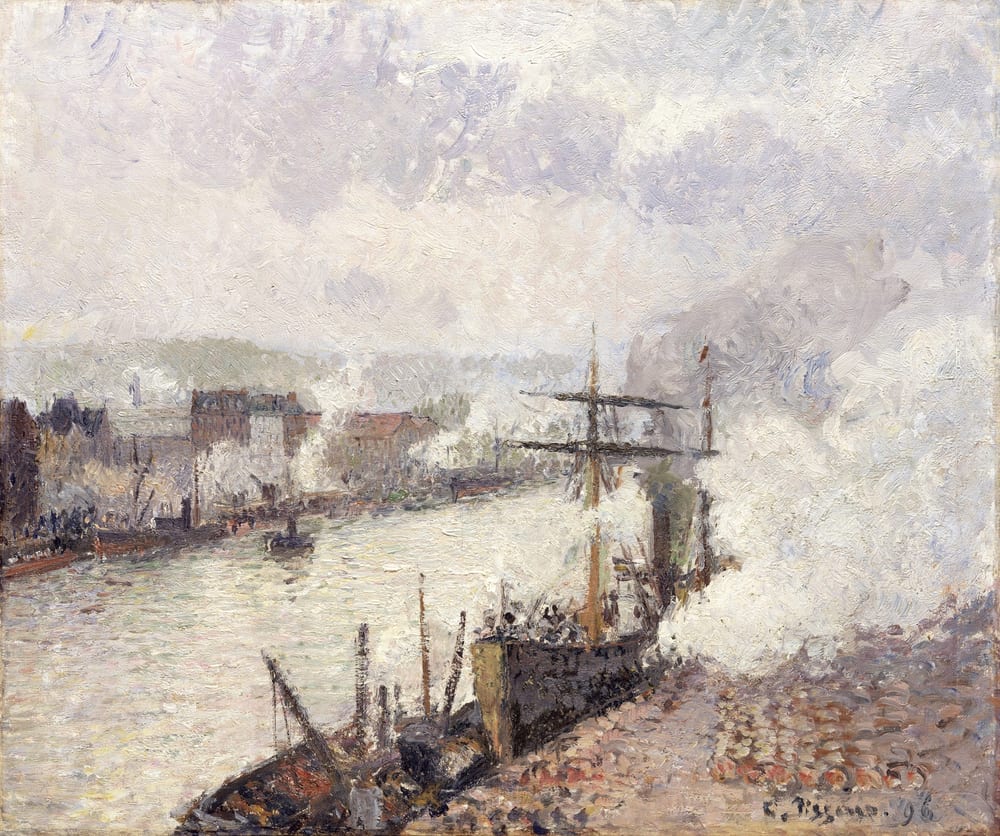
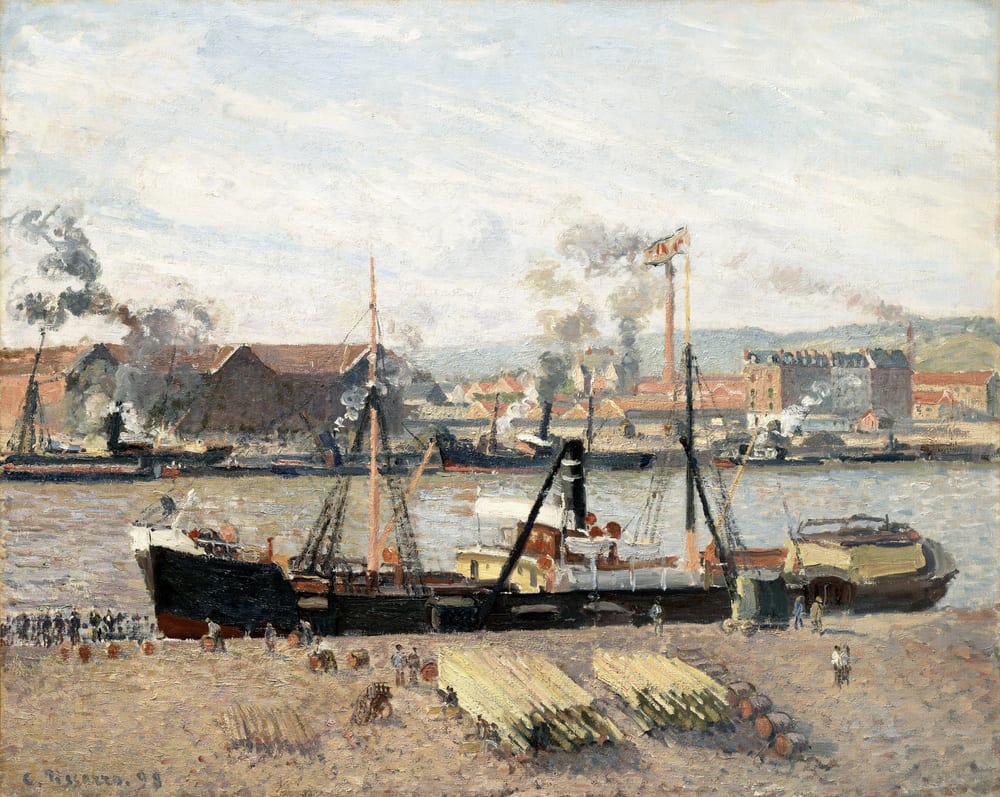
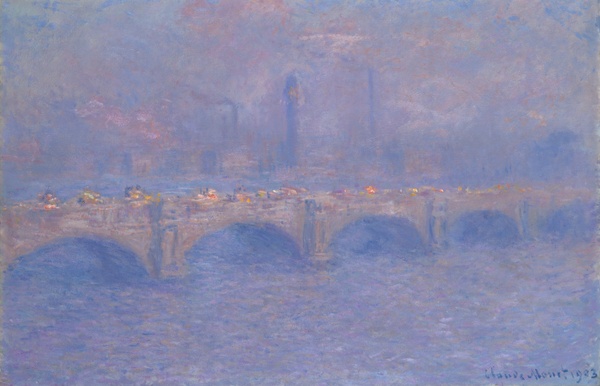
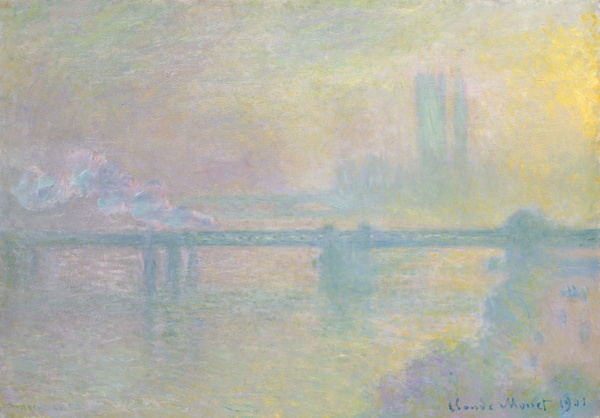
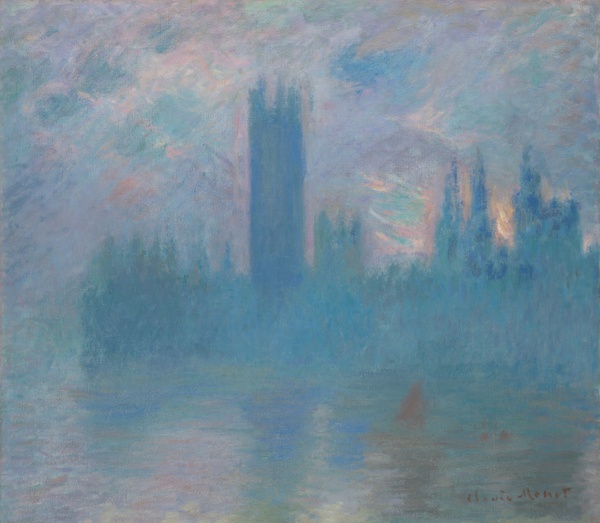
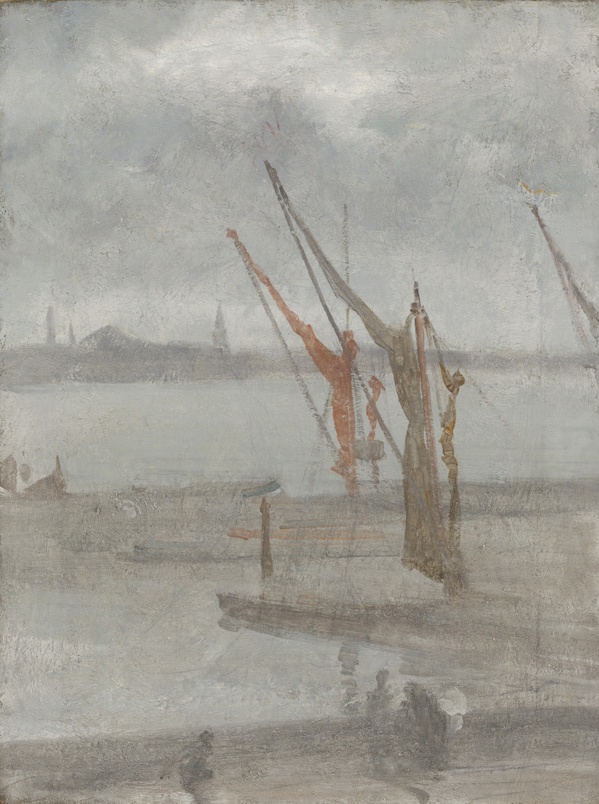
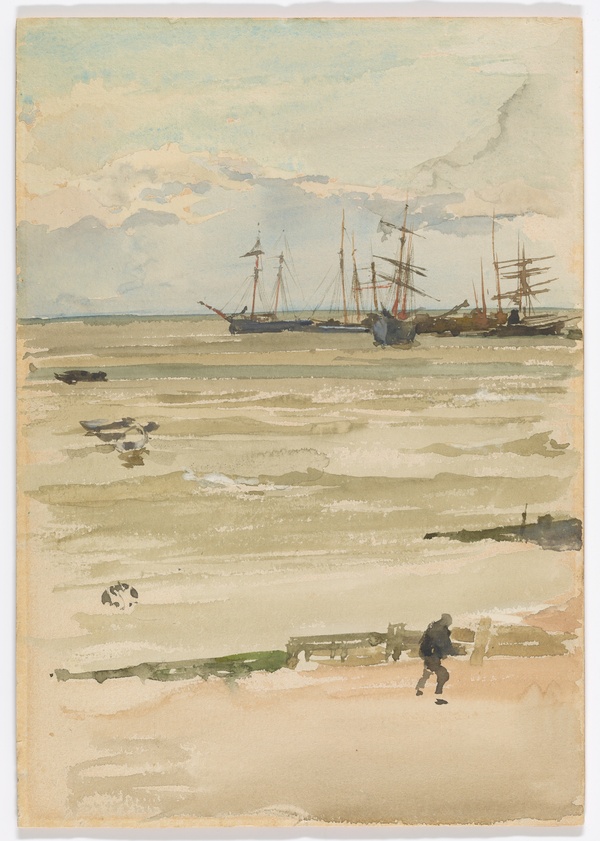
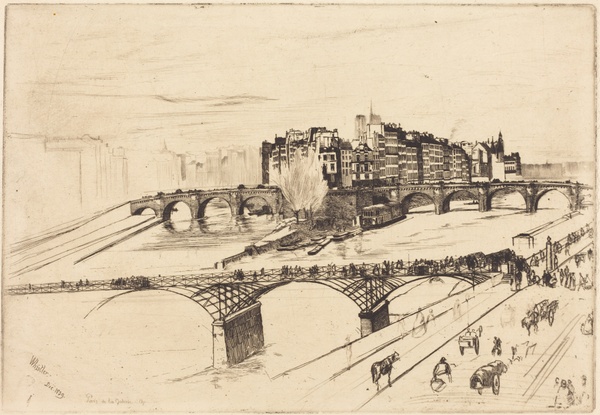
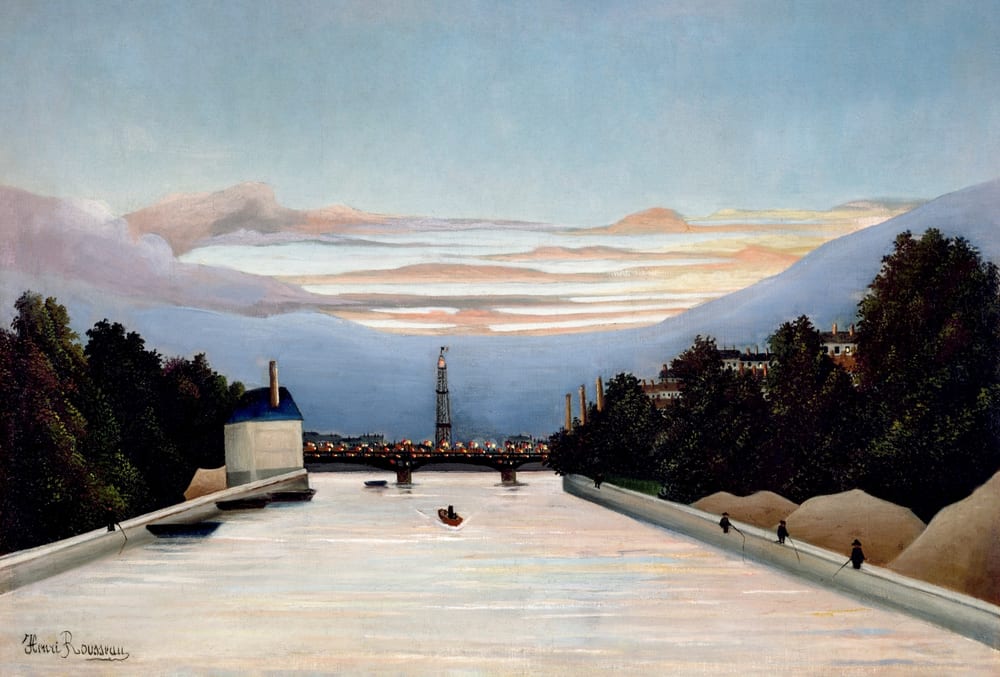
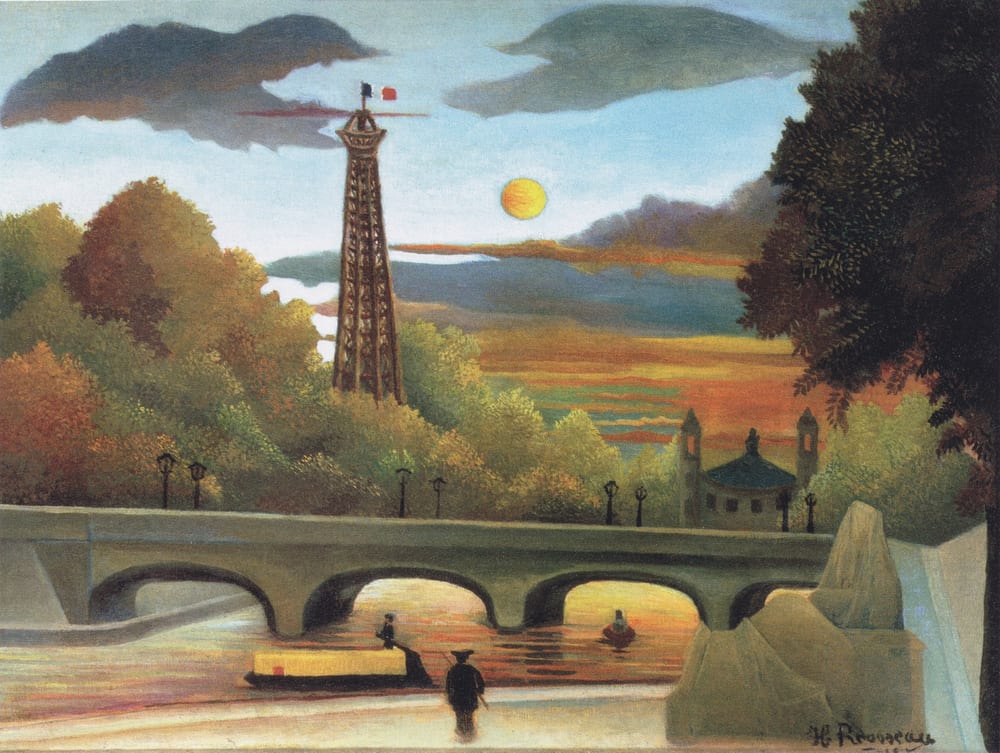
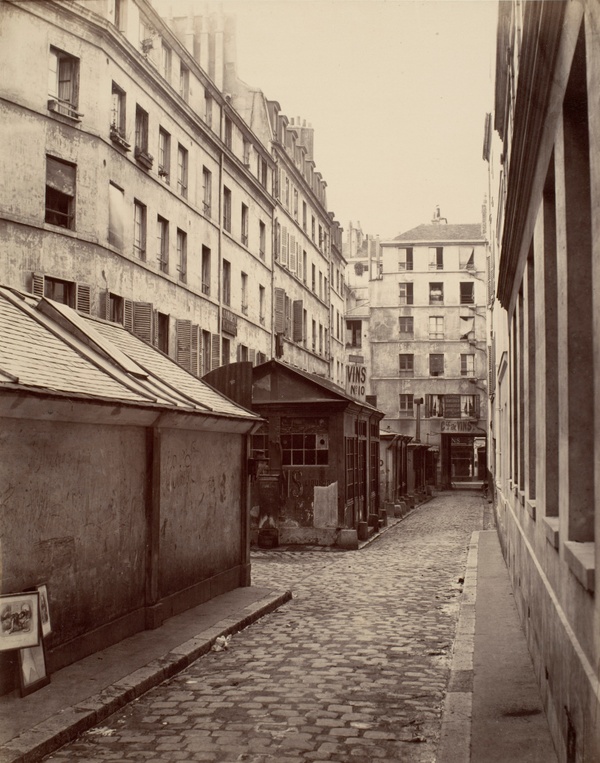
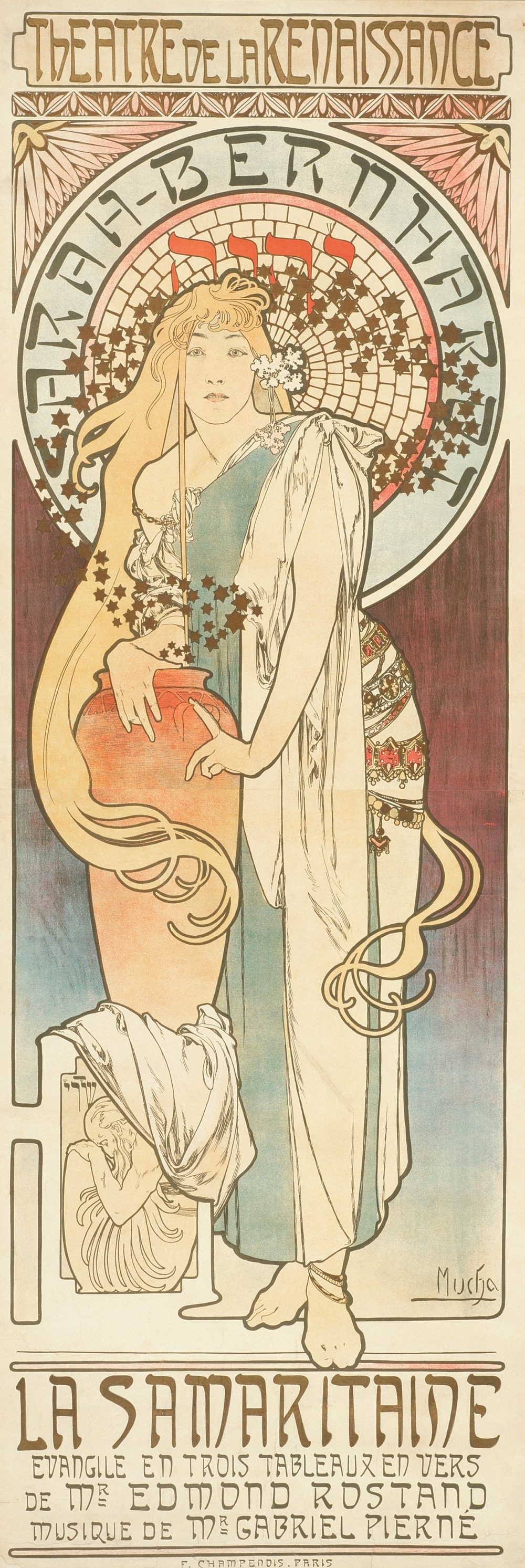
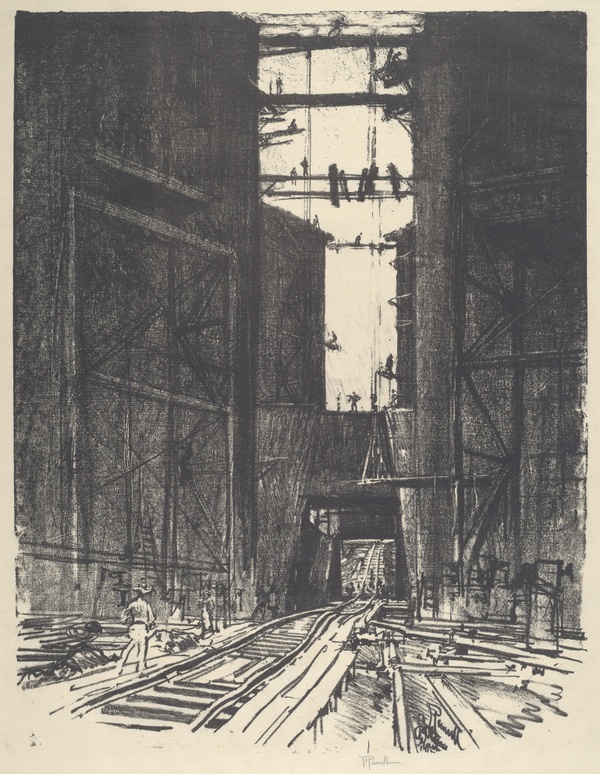
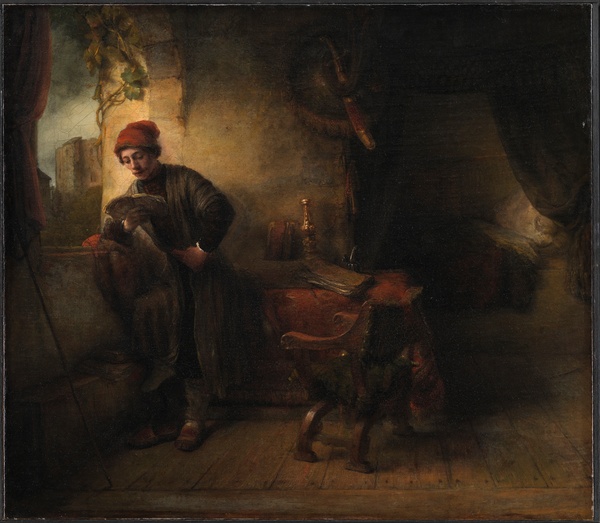
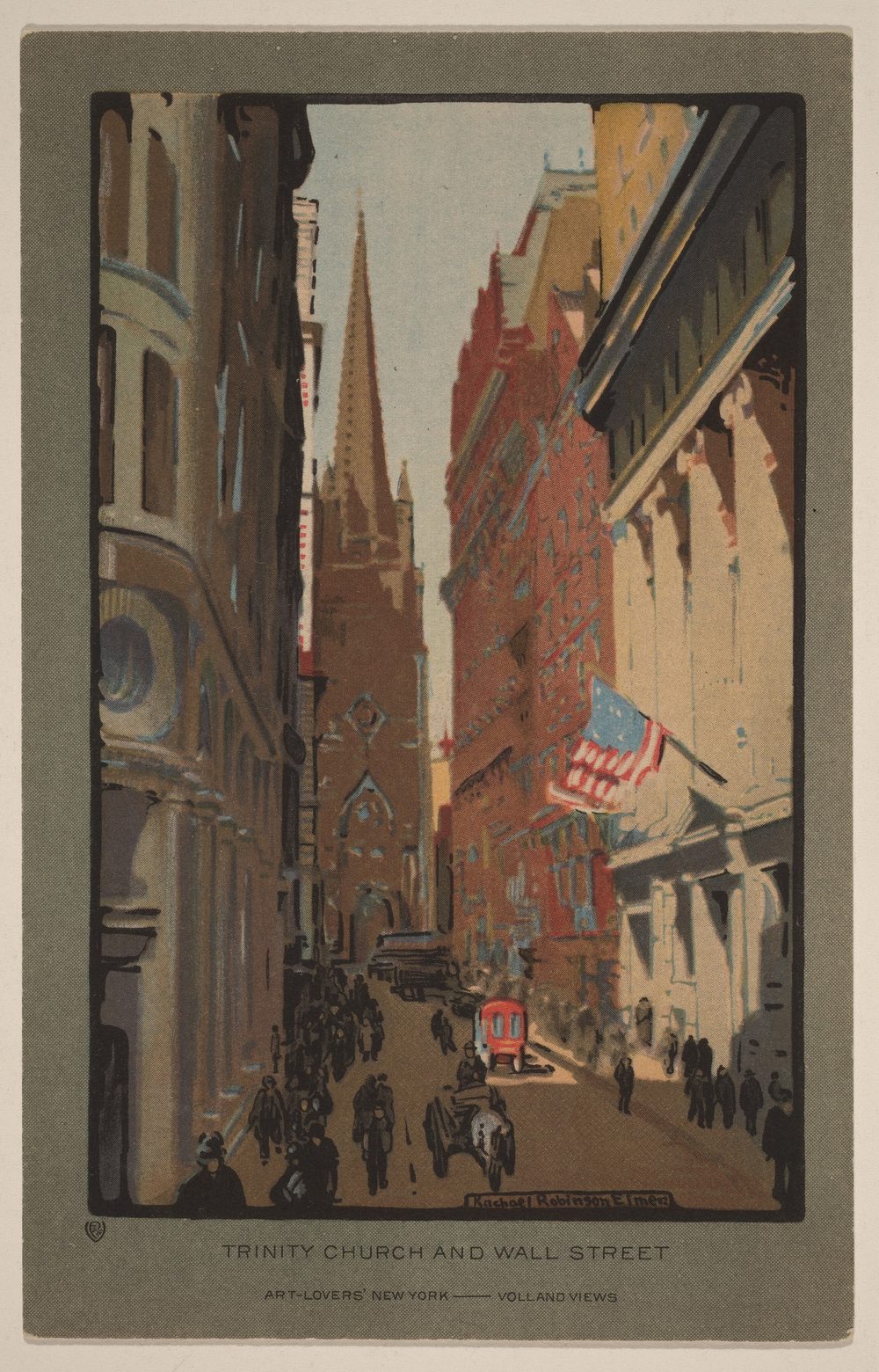
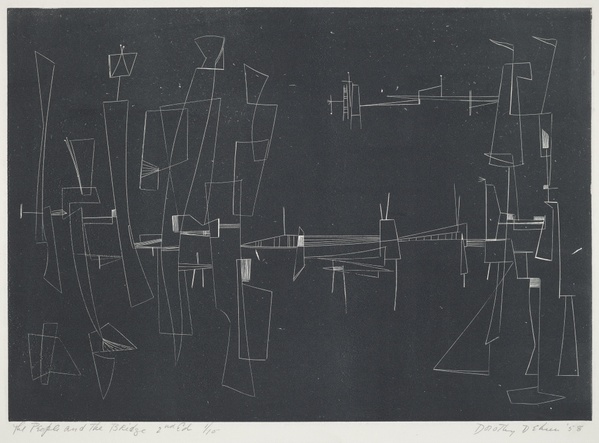
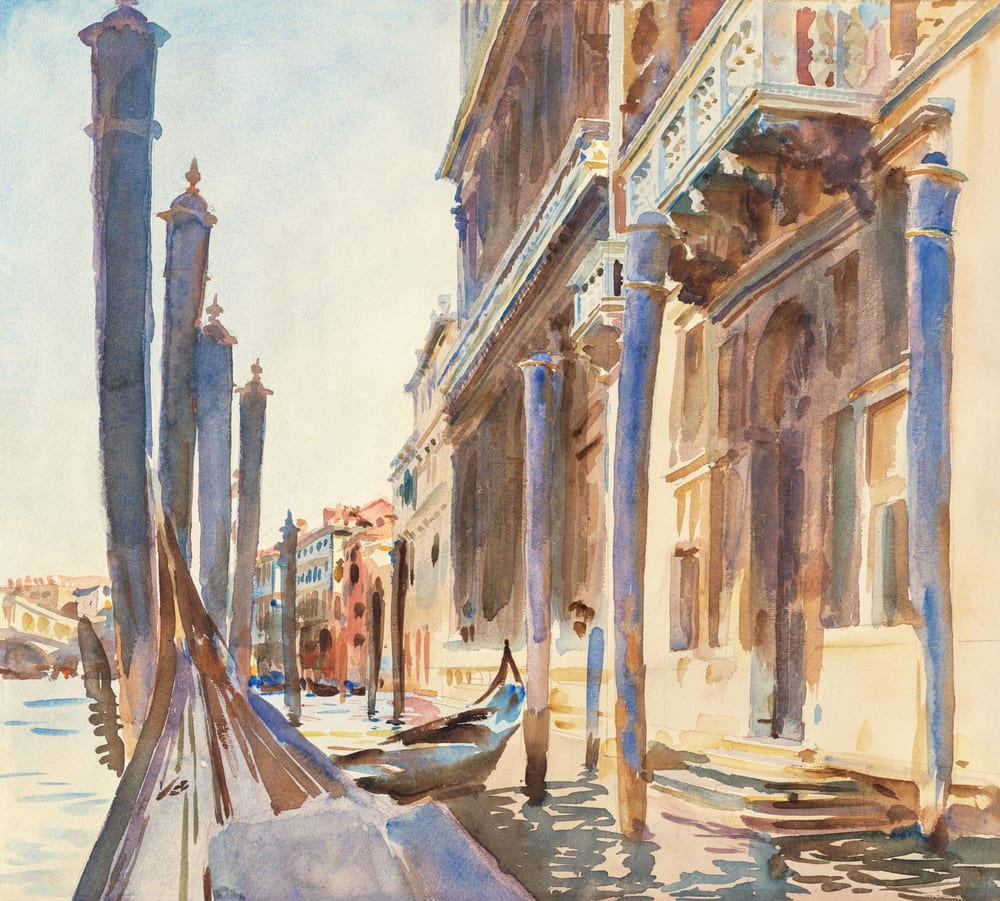
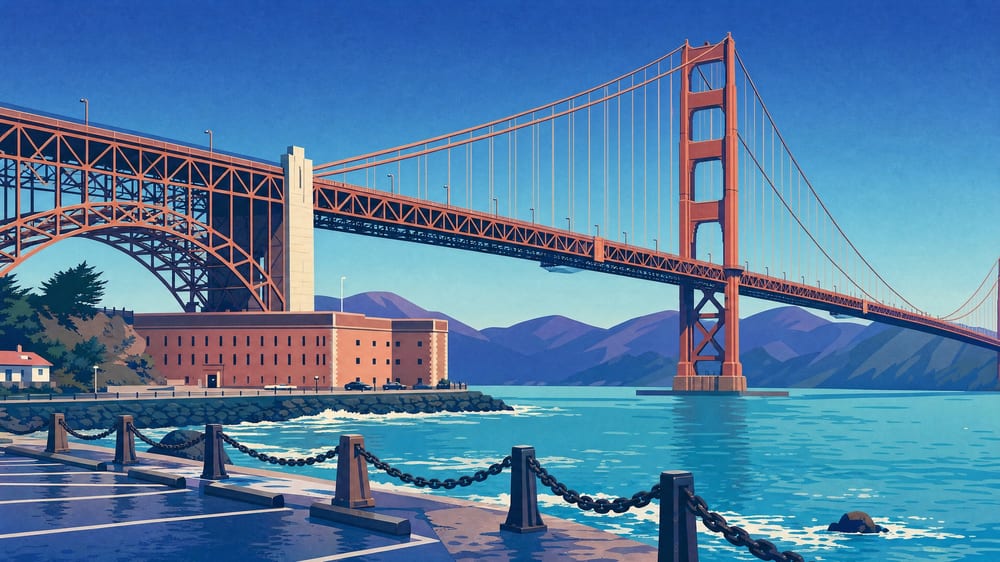
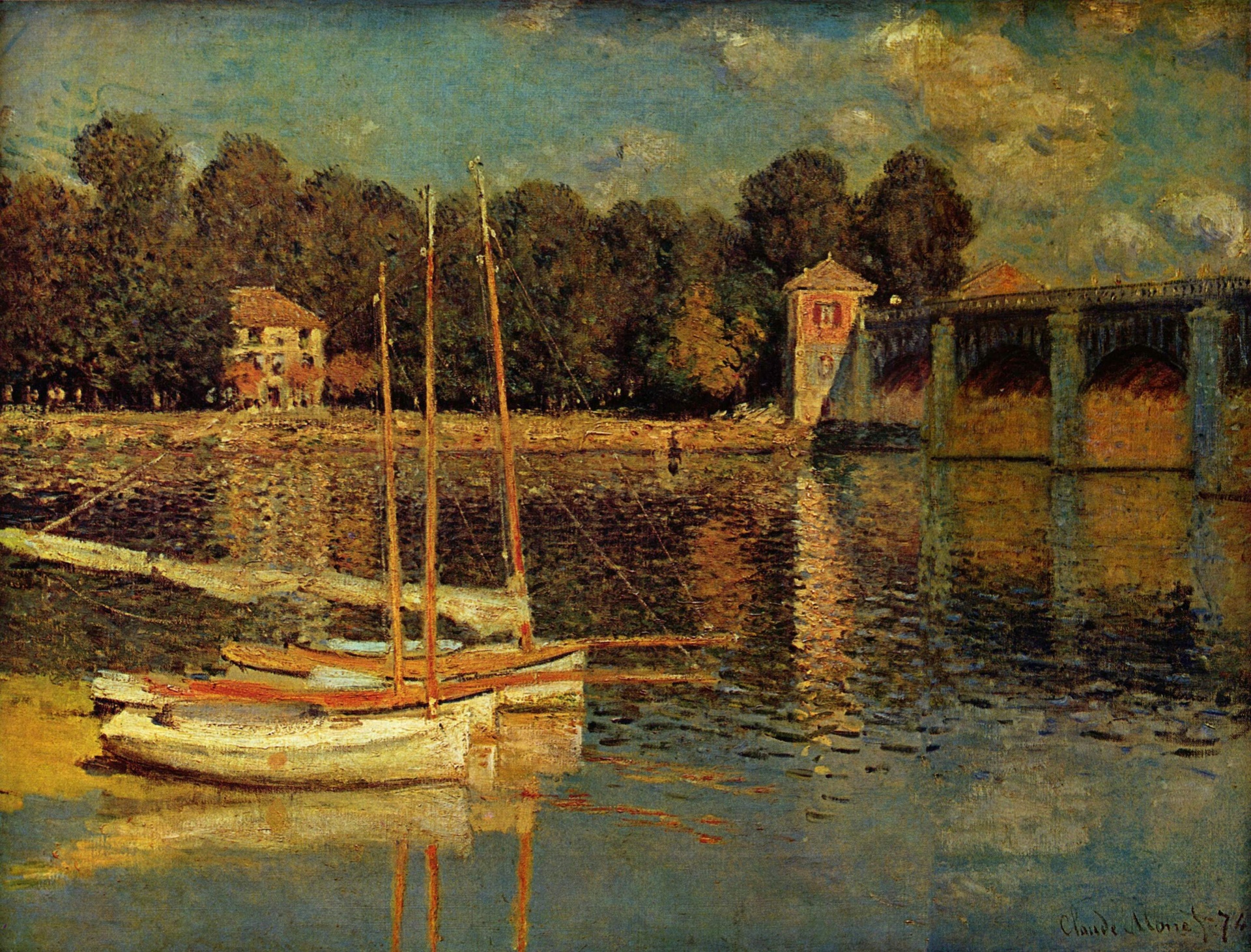
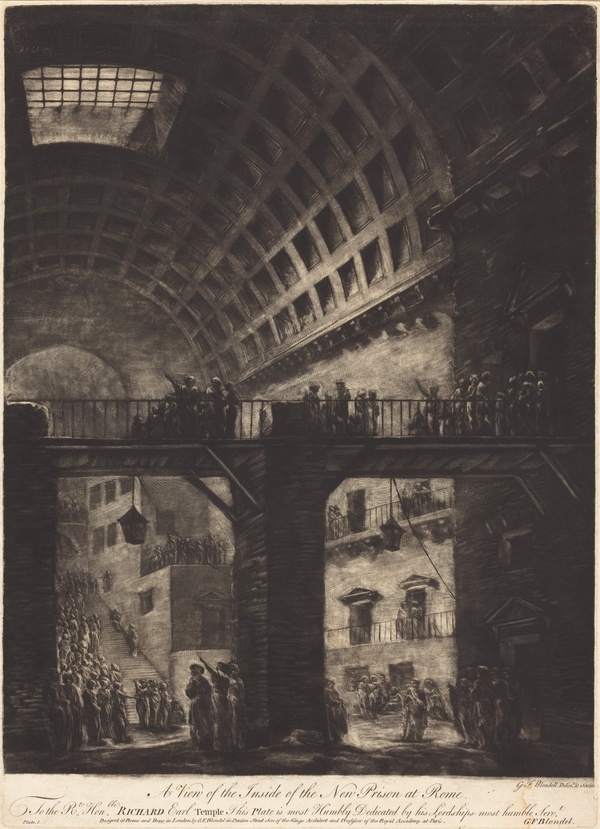
History begins in the moonlit silence of Landscape with Drawbridge and Ruin in Moonlight, where the bridge is a heavy, wooden relic of a forgotten age. We see the rigid stone weight in A View of the Inside of the New Prison at Rome and the classical order of La libreria. V.. Before the iron age, we find the rhythmic celebrations of The "Giovedì Grasso" Festival before the Ducal Palace in Venice and the naval majesty of A Dutch Hulk and a Boeier from The Sailing Vessels. The world was once a sprawling, ordered map like Gezicht op Hampton Court. But the air changes. In the heat of The Forge, the iron is beaten into a new shape. We cross the Bridge at Caracas and find ourselves in the bustling industrial noise of Steamboats in the Port of Rouen and Port of Rouen, Unloading Wood. The landscape is no longer pure nature, as seen in Landscape with Smokestacks, but a hybrid of soot and sky. Even the spiritual retreats, like The Interior of the Jacobskirche at Innsbruck, or the opulent Harmony in Blue and Gold: The Peacock Room, cannot hide the shifting tide of the exterior world. The 'Iron Lace' begins to span the rivers. The Railway Bridge at Argenteuil cuts through the Impressionist light, a skeletal promise of speed. We see it in the hazy London atmosphere of Waterloo Bridge, Sunlight Effect, Charing Cross Bridge, and the gothic majesty of Houses of Parliament, London. Whistler captures this transition in the mist of Grey and Silver: Chelsea Wharf, The Anchorage, and the aerial perspective of Isle de la Cité, Paris. In Paris, the transformation is absolute. The Eiffel Tower rises, captured by Rousseau in The Eiffel Tower and Seine and Eiffel Tower in the Sunset, a permanent filigree against the clouds. Yet, the old narrow paths like Passage des Deux-Soeurs de la rue Lafayette remain. We move through the theatrical elegance of La Samaritaine and the monumental engineering of At the Bottom of Gatun Lock. Finally, we find the human spirit inhabiting these structures. Young Man at His Window looks out onto the iron-ordered streets. We see the hustle in Trinity Church and Wall Street and the abstract connection in The People and the Bridge. The journey moves from the Gondola Moorings on the Grand Canal to the modern, fog-drenched silence of the Golden Gate. The iron lace has become our second nature.
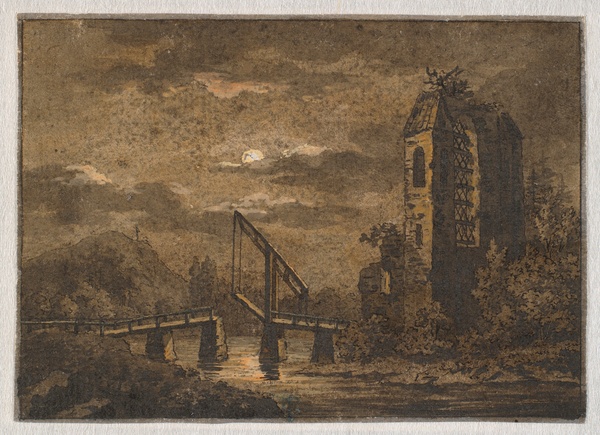
Landscape with Drawbridge and Ruin in Moonlight - Caspar David Friedrich (c. early 19th century)
Landscape with Drawbridge and Ruin in Moonlight - Caspar David Friedrich (c. early 19th century) Caspar David Friedrich
A View of the Inside of the New Prison at Rome - Georges François Blondel (1765)
A View of the Inside of the New Prison at Rome - Georges François Blondel (1765) Georges François Blondel
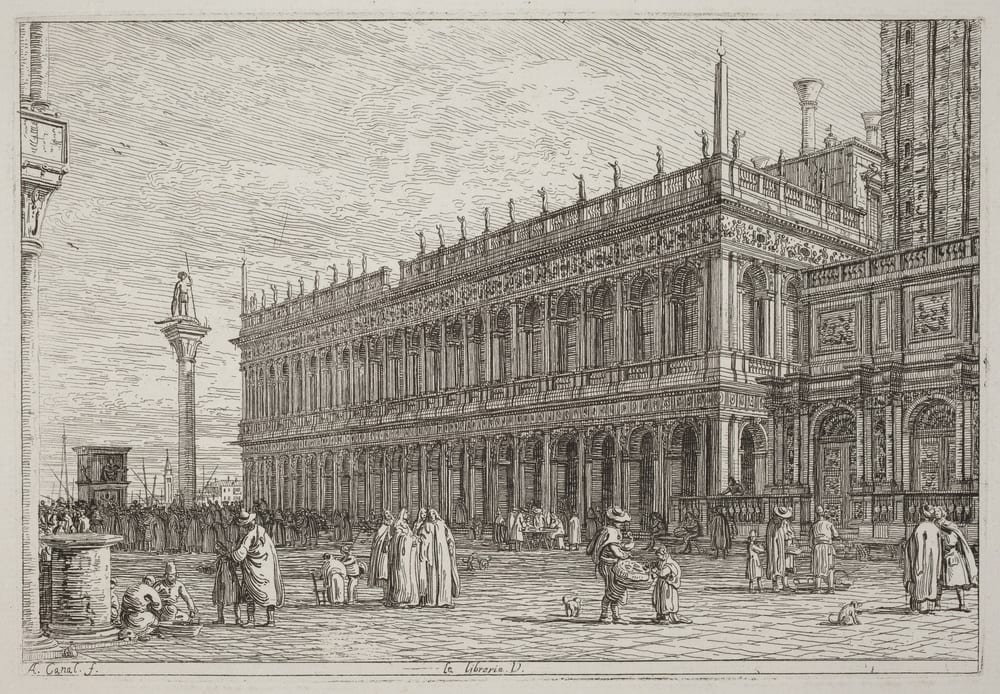
La libreria. V. - Canaletto (Giovanni Antonio Canal) (c. 1740–1742)
La libreria. V. - Canaletto (Giovanni Antonio Canal) (c. 1740–1742) Canaletto (Giovanni Antonio Canal)
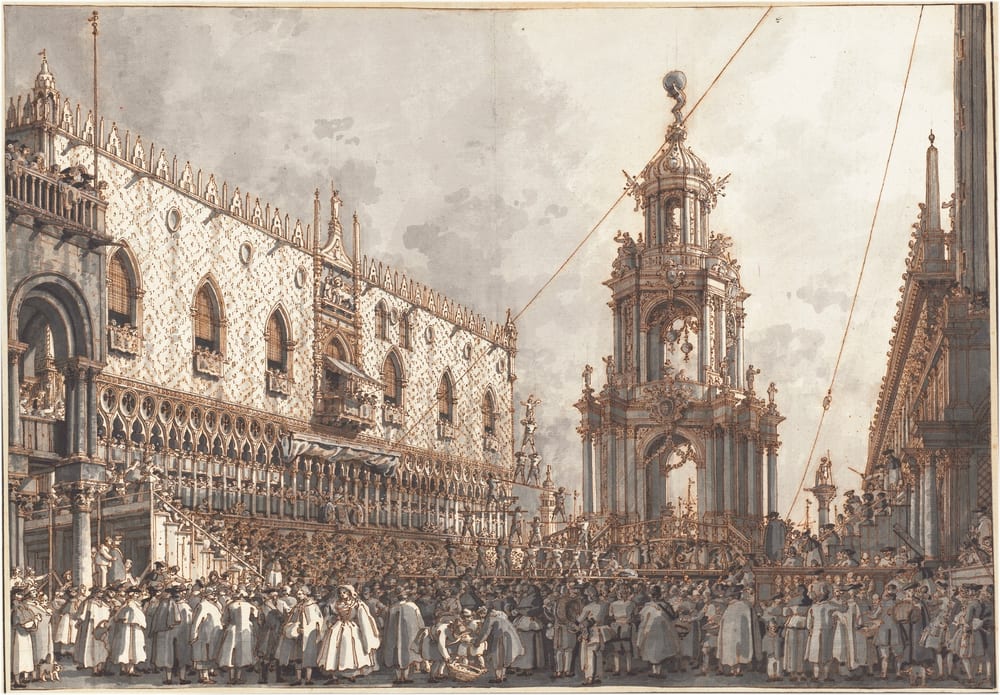
The "Giovedì Grasso" Festival before the Ducal Palace in Venice - Canaletto (1765/1766)
The "Giovedì Grasso" Festival before the Ducal Palace in Venice - Canaletto (1765/1766) Canaletto
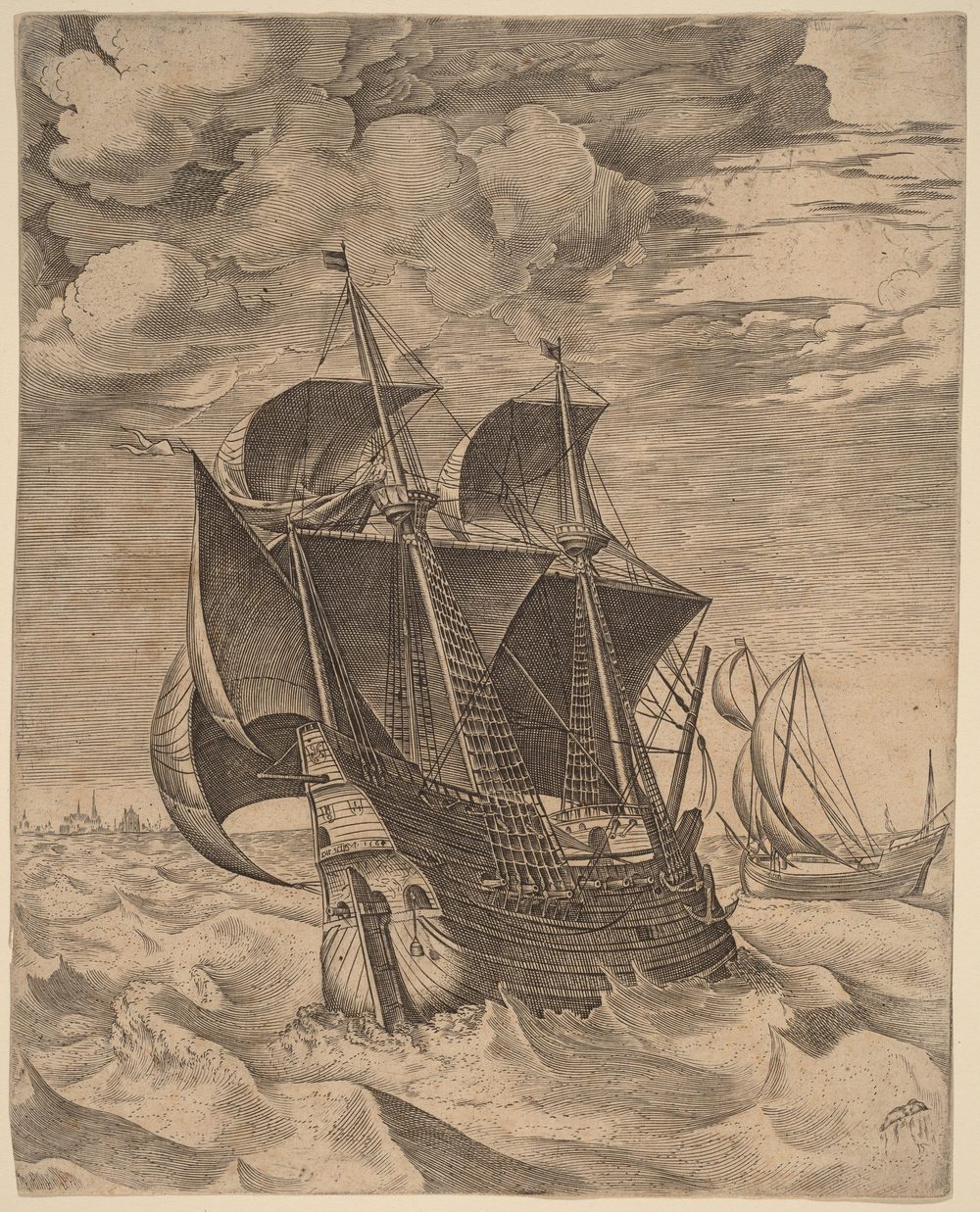
A Dutch Hulk and a Boeier from The Sailing Vessels - After Pieter Bruegel the Elder, engraved by Frans Huys (1565)
A Dutch Hulk and a Boeier from The Sailing Vessels - After Pieter Bruegel the Elder, engraved by Frans Huys (1565) After Pieter Bruegel the Elder, engraved by Frans Huys
Gezicht op Hampton Court - Johannes Kip after Leonard Knyff (1709)
Gezicht op Hampton Court - Johannes Kip after Leonard Knyff (1709) Johannes Kip after Leonard Knyff
The Forge - James McNeill Whistler (1861)
The Forge - James McNeill Whistler (1861) James McNeill Whistler
Bridge at Caracas - Camille Pissarro (1854)
Bridge at Caracas - Camille Pissarro (1854) Camille Pissarro
Steamboats in the Port of Rouen - Camille Pissarro (1896)
Steamboats in the Port of Rouen - Camille Pissarro (1896) Camille Pissarro
Port of Rouen, Unloading Wood - Camille Pissarro (1898)
Port of Rouen, Unloading Wood - Camille Pissarro (1898) Camille Pissarro
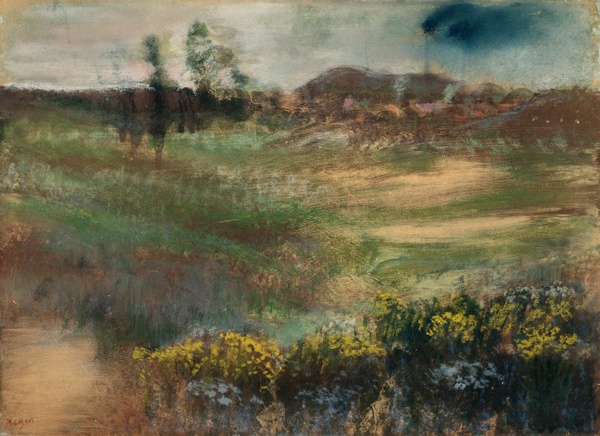
Landscape with Smokestacks - Hilaire Germain Edgar Degas (c. 1890)
Landscape with Smokestacks - Hilaire Germain Edgar Degas (c. 1890) Hilaire Germain Edgar Degas
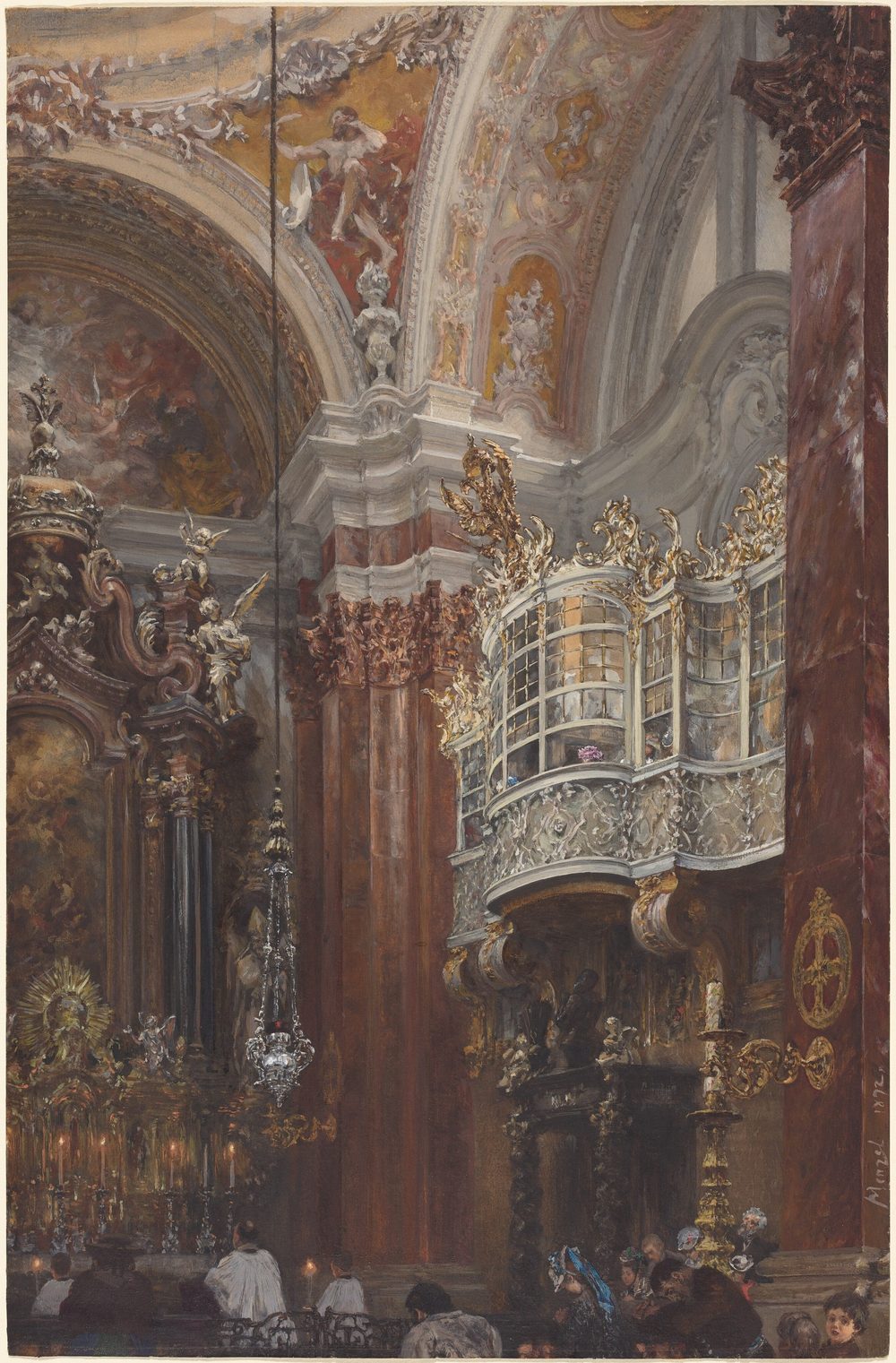
The Interior of the Jacobskirche at Innsbruck - Adolph Menzel (1872)
The Interior of the Jacobskirche at Innsbruck - Adolph Menzel (1872) Adolph Menzel
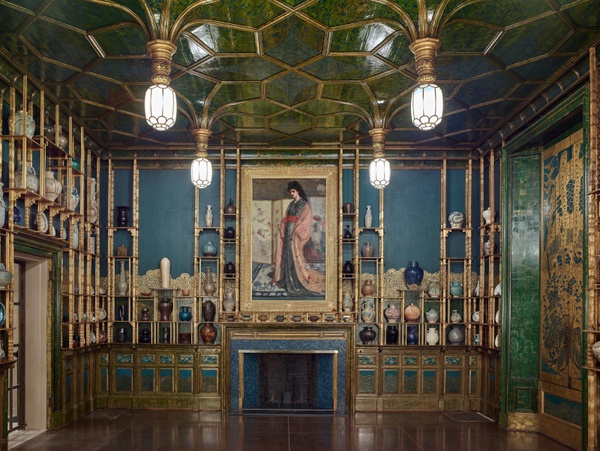
Harmony in Blue and Gold: The Peacock Room - James McNeill Whistler (1876–1877)
Harmony in Blue and Gold: The Peacock Room - James McNeill Whistler (1876–1877) James McNeill Whistler
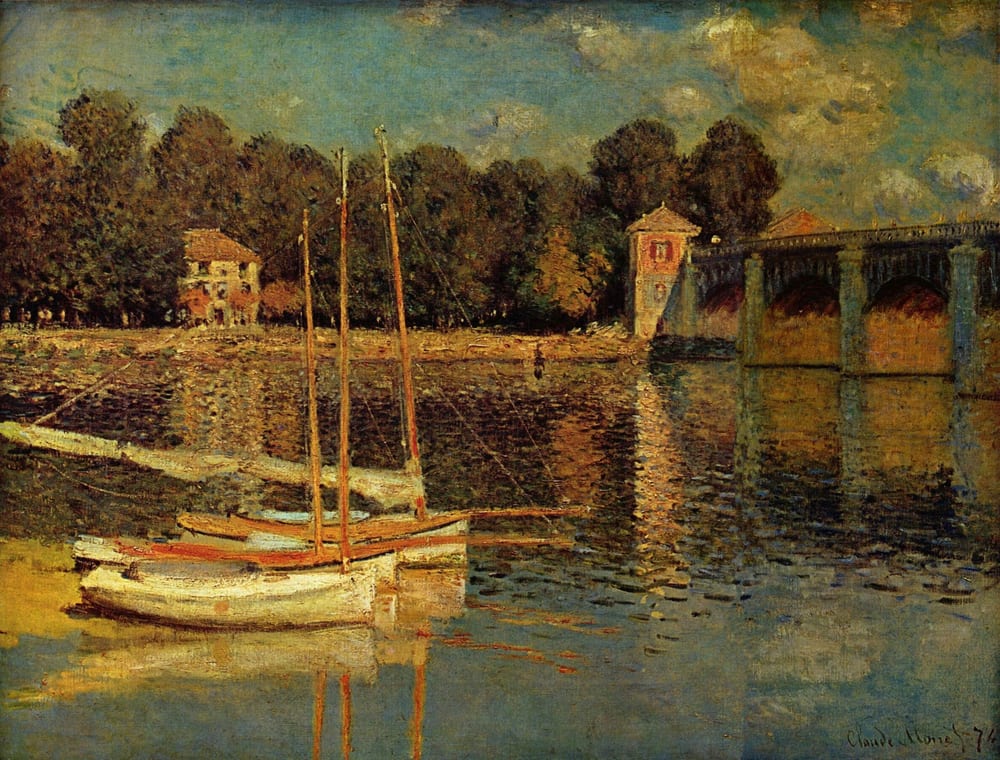
The Railway Bridge at Argenteuil - Claude Monet (1874)
The Railway Bridge at Argenteuil - Claude Monet (1874) Claude Monet
Waterloo Bridge, Sunlight Effect - Claude Monet (1903)
Waterloo Bridge, Sunlight Effect - Claude Monet (1903) Claude Monet
Charing Cross Bridge - Claude Monet (c. 1899–1905)
Charing Cross Bridge - Claude Monet (c. 1899–1905) Claude Monet
Houses of Parliament, London - Claude Monet (1900–1904)
Houses of Parliament, London - Claude Monet (1900–1904) Claude Monet
Grey and Silver: Chelsea Wharf - James McNeill Whistler (1870)
Grey and Silver: Chelsea Wharf - James McNeill Whistler (1870) James McNeill Whistler
The Anchorage - James McNeill Whistler (c. 1882–1884)
The Anchorage - James McNeill Whistler (c. 1882–1884) James McNeill Whistler
Isle de la Cité, Paris - James McNeill Whistler (1859)
Isle de la Cité, Paris - James McNeill Whistler (1859) James McNeill Whistler
The Eiffel Tower - Henri Rousseau (c. 1898)
The Eiffel Tower - Henri Rousseau (c. 1898) Henri Rousseau
Seine and Eiffel Tower in the Sunset - Henri Rousseau (c. 1897–1910)
Seine and Eiffel Tower in the Sunset - Henri Rousseau (c. 1897–1910) Henri Rousseau
Passage des Deux-Soeurs de la rue Lafayette - Charles Marville (1867)
Passage des Deux-Soeurs de la rue Lafayette - Charles Marville (1867) Charles Marville
La Samaritaine - Alphonse Mucha (1897)
La Samaritaine - Alphonse Mucha (1897) Alphonse Mucha
At the Bottom of Gatun Lock - Joseph Pennell (1912)
At the Bottom of Gatun Lock - Joseph Pennell (1912) Joseph Pennell
Young Man at His Window - Gustave Caillebotte (1876)
Young Man at His Window - Gustave Caillebotte (1876) Gustave Caillebotte
Trinity Church and Wall Street - Rachael Robinson Elmer (1914)
Trinity Church and Wall Street - Rachael Robinson Elmer (1914) Rachael Robinson Elmer
The People and the Bridge - Dorothy Dehner (1955)
The People and the Bridge - Dorothy Dehner (1955) Dorothy Dehner
Gondola Moorings on the Grand Canal - John Singer Sargent (1904/1907)
Gondola Moorings on the Grand Canal - John Singer Sargent (1904/1907) John Singer Sargent
Golden Gate
Golden Gate Miguel Puig

Artworks in this collection

30 artworks
Landscape with Drawbridge and Ruin in Moonlight - Caspar David Friedrich (c. early 19th century)

Landscape with Drawbridge and Ruin in Moonlight - Caspar David Friedrich (c. early 19th century)

Caspar David Friedrich

Germany

Caspar David Friedrich’s drawbridge provides an early romanticized view of structural mechanics, where the skeletal frame of the bridge creates a dark, rhythmic silhouette against a melancholic moonlight.

A View of the Inside of the New Prison at Rome - Georges François Blondel (1765)
Premium

A View of the Inside of the New Prison at Rome - Georges François Blondel (1765)

Georges François Blondel

France, 1765

This architectural study explores the heavy, rhythmic shadows cast by massive structures and grilles, demonstrating the dramatic interplay between industrial confinement and structural beauty.

La libreria. V. - Canaletto (Giovanni Antonio Canal) (c. 1740–1742)
Premium

La libreria. V. - Canaletto (Giovanni Antonio Canal) (c. 1740–1742)

Canaletto (Giovanni Antonio Canal)

Italy, 1742

Canaletto’s architectural focus on the Venetian library highlights the intricate balustrades and structural shadows that define the 'ornamental grace' of classical stone and ironwork.

The "Giovedì Grasso" Festival before the Ducal Palace in Venice - Canaletto (1765/1766)

The "Giovedì Grasso" Festival before the Ducal Palace in Venice - Canaletto (1765/1766)

Canaletto

Italy, 1765

The festive scene before the Ducal Palace features ornate architectural structures and temporary festive scaffolds that mimic the rhythmic patterns of iron lace.

A Dutch Hulk and a Boeier from The Sailing Vessels - After Pieter Bruegel the Elder, engraved by Frans Huys (1565)
Premium

A Dutch Hulk and a Boeier from The Sailing Vessels - After Pieter Bruegel the Elder, engraved by Frans Huys (1565)

After Pieter Bruegel the Elder, engraved by Frans Huys

Netherlandish (Flemish), 1565

The dense network of masts and ropes in this 16th-century vessel study anticipates the industrial lace of the 19th century, showing a complex patina of structural lines.

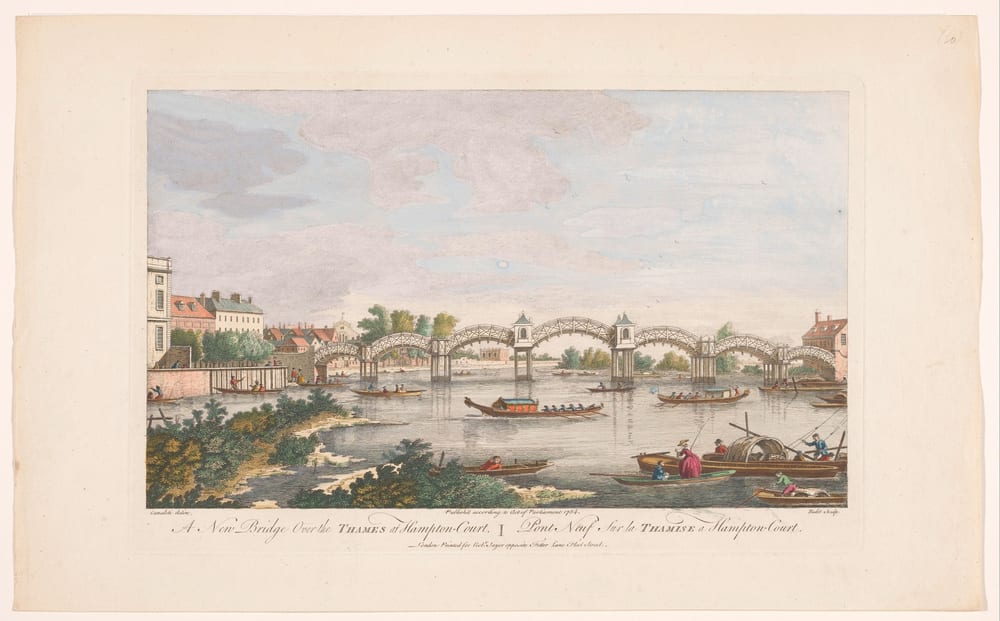
Gezicht op Hampton Court - Johannes Kip after Leonard Knyff (1709)
Premium

Gezicht op Hampton Court - Johannes Kip after Leonard Knyff (1709)

Johannes Kip after Leonard Knyff

Netherlands, 1709

An 18th-century engraving of Hampton Court that focuses on the intricate, rhythmic gates, showcasing the early heights of ornamental ironwork before the industrial boom.

The Forge - James McNeill Whistler (1861)
Premium

The Forge - James McNeill Whistler (1861)

James McNeill Whistler

United States, 1861

Whistler’s 'The Forge' captures the very moment of industrial creation, where raw metal is heated and hammered into the tools and ornaments that define the age.

Bridge at Caracas - Camille Pissarro (1854)
Premium

Bridge at Caracas - Camille Pissarro (1854)

Camille Pissarro

Danish West Indies (now U.S. Virgin Islands), 1854

Pissarro’s drawing of the Caracas bridge highlights the structural geometry of the crossing, where the lines of the build create a rhythmic, ornamental pattern across the landscape.

Steamboats in the Port of Rouen - Camille Pissarro (1896)
Premium

Steamboats in the Port of Rouen - Camille Pissarro (1896)

Camille Pissarro

Danish West Indies (now U.S. Virgin Islands), 1896

Pissarro’s depiction of steamboats in Rouen emphasizes the thin, vertical lines of smoke stacks and rigging, creating a fine industrial filigree against the overcast sky.

Port of Rouen, Unloading Wood - Camille Pissarro (1898)

Port of Rouen, Unloading Wood - Camille Pissarro (1898)

Camille Pissarro

Denmark / France, 1898

The masts and rigging of the ships in the Port of Rouen create a dense, lace-like network of lines that transform the industrial harbor into a complex web of dark silhouettes.

Landscape with Smokestacks - Hilaire Germain Edgar Degas (c. 1890)
Premium

Landscape with Smokestacks - Hilaire Germain Edgar Degas (c. 1890)

Hilaire Germain Edgar Degas

France, 1890

Degas’s landscape with smokestacks uses the dark, vertical industrial silhouettes to punctuate the atmosphere, finding an unexpected, skeletal beauty in the factory skyline.

The Interior of the Jacobskirche at Innsbruck - Adolph Menzel (1872)
Premium

The Interior of the Jacobskirche at Innsbruck - Adolph Menzel (1872)

Adolph Menzel

Germany, 1872

Adolph Menzel’s study of the church interior focuses on the intricate wrought iron grilles, showcasing the rhythmic patterns and craftsmanship of Victorian-era metalwork.

Harmony in Blue and Gold: The Peacock Room - James McNeill Whistler (1876–1877)
Premium

Harmony in Blue and Gold: The Peacock Room - James McNeill Whistler (1876–1877)

James McNeill Whistler

United States, 1876

The Peacock Room is an masterpiece of the Aesthetic movement, featuring gilded, lace-like wooden and metallic lattices that exemplify the transformation of structure into ornament.

Grey and Silver: Chelsea Wharf - James McNeill Whistler (1870)
Premium

Grey and Silver: Chelsea Wharf - James McNeill Whistler (1870)

James McNeill Whistler

USA, 1870

In this nocturne, the wharf’s industrial forms and the rigging of ships are rendered as delicate, dark patterns against the silver water, embodying the strength of metal turned into filigree.

The Anchorage - James McNeill Whistler (c. 1882–1884)
Premium

The Anchorage - James McNeill Whistler (c. 1882–1884)

James McNeill Whistler

United States, 1884

Whistler’s 'The Anchorage' treats the rigging of the anchored ships as a delicate, lace-like curtain, where the strength of the maritime hardware is rendered with extreme lightness.

Isle de la Cité, Paris - James McNeill Whistler (1859)

Isle de la Cité, Paris - James McNeill Whistler (1859)

James McNeill Whistler

USA, 1859

Whistler’s view of the Isle de la Cité emphasizes the intricate, web-like details of the urban skyline and bridge structures, capturing the skeletal elegance of 19th-century Paris.

The Railway Bridge at Argenteuil - Claude Monet (1874)
Premium

The Railway Bridge at Argenteuil - Claude Monet (1874)

Claude Monet

France, 1874

Monet’s railway bridge at Argenteuil is a quintessential celebration of the iron age, showing the rigid industrial trusses as a rhythmic pattern set against the soft sky.

Waterloo Bridge, Sunlight Effect - Claude Monet (1903)
Premium

Waterloo Bridge, Sunlight Effect - Claude Monet (1903)

Claude Monet

France, 1903

Claude Monet captures Waterloo Bridge as a series of repeating arches, where the industrial weight of the stone and iron begins to dissolve into an atmospheric, lace-like haze of light and fog.

Charing Cross Bridge - Claude Monet (c. 1899–1905)
Premium

Charing Cross Bridge - Claude Monet (c. 1899–1905)

Claude Monet

France, 1902

The Charing Cross Bridge in Monet’s interpretation is a masterclass in 'iron lace,' showing the rhythmic, industrial geometry of the bridge as a dark lattice through the mist.

Houses of Parliament, London - Claude Monet (1900–1904)
Premium

Houses of Parliament, London - Claude Monet (1900–1904)

Claude Monet

France, 1904

The Houses of Parliament in Monet’s series are rendered as gothic, lace-like silhouettes where the stone architecture takes on the delicate appearance of wrought iron.

The Eiffel Tower - Henri Rousseau (c. 1898)

The Eiffel Tower - Henri Rousseau (c. 1898)

Henri Rousseau

France, 1898

This naive depiction of the Eiffel Tower focuses on its unique status as the world's most famous example of structural metal transformed into a monumental lace ornament.

Seine and Eiffel Tower in the Sunset - Henri Rousseau (c. 1897–1910)
Premium

Seine and Eiffel Tower in the Sunset - Henri Rousseau (c. 1897–1910)

Henri Rousseau

France, 1910

Henri Rousseau’s portrayal of the Eiffel Tower treats the tower not as a heavy mass, but as a light, transparent web of iron set against a romantic sunset.

Passage des Deux-Soeurs de la rue Lafayette - Charles Marville (1867)
Premium

Passage des Deux-Soeurs de la rue Lafayette - Charles Marville (1867)

Charles Marville

France, 1867

Charles Marville’s photography documents the intricate wrought iron street lamps and architectural hardware of 19th-century Paris, capturing the 'forgotten craftsmanship' of the era.

La Samaritaine - Alphonse Mucha (1897)
Premium

La Samaritaine - Alphonse Mucha (1897)

Alphonse Mucha

Czech Republic, 1897

Alphonse Mucha’s poster for La Samaritaine reflects the Art Nouveau obsession with turning architectural ironwork into organic, flowing ornamentation, perfectly matching the theme of 'Iron Lace'.

At the Bottom of Gatun Lock - Joseph Pennell (1912)
Premium

At the Bottom of Gatun Lock - Joseph Pennell (1912)

Joseph Pennell

USA, 1912

Joseph Pennell’s industrial etchings celebrate the 'industrial weight' of the Gatun Lock, finding rhythmic, skeletal beauty in the massive infrastructure of modern engineering.

Young Man at His Window - Gustave Caillebotte (1876)
Premium

Young Man at His Window - Gustave Caillebotte (1876)

Gustave Caillebotte

France, 1876

Gustave Caillebotte’s composition is dominated by the intricate patterns of a wrought iron balcony railing, which serves as a decorative 'lace' filter between the viewer and the city.

Trinity Church and Wall Street - Rachael Robinson Elmer (1914)

Trinity Church and Wall Street - Rachael Robinson Elmer (1914)

Rachael Robinson Elmer

USA, 1914

This urban view captures the wrought iron fences and the gothic structural patterns of Trinity Church, contrasting the weight of the city with ornamental metal details.

The People and the Bridge - Dorothy Dehner (1955)
Premium

The People and the Bridge - Dorothy Dehner (1955)

Dorothy Dehner

USA, 1955

Dorothy Dehner’s abstract modernism distill the concept of a bridge into a skeletal network of lines, emphasizing the rhythmic patterns of engineering as pure form.

Gondola Moorings on the Grand Canal - John Singer Sargent (1904/1907)
Premium

Gondola Moorings on the Grand Canal - John Singer Sargent (1904/1907)

John Singer Sargent

United States, 1904

The vertical iron moorings and the complex reflections of the gondolas in Sargent’s work provide a rhythmic, structural elegance characteristic of man-made interventions on water.

Golden Gate
Premium

Golden Gate

Miguel Puig

San Francisco, California, 2018

Miguel Puig’s digital rendering of the Golden Gate Bridge highlights the 'skeletal elegance' and rhythmic patterns of its suspension cables and iron trusses.

Discover more curated collections

View all collections