
Curated Collections · 30 artworks · Created March 7, 2026

The Mask We Wear

Unmasking the many faces of self, society, and the secrets within.

Read it as a book

Download the set in 4K — or open it in the MP Art app to send straight to your Frame

The Mask We Wear

The world of art, a mirror to human experience, has long grappled with the intricate layers of identity, performance, and concealment that define our existence. From the literal facades donned for revelry to the subtle veneers polished for daily life, we are all players in an elaborate masquerade. Our exhibition, "The Mask We Wear," delves into this profound theme, guiding viewers through a kaleidoscopic journey from outward spectacle to the rawest depths of the human psyche.

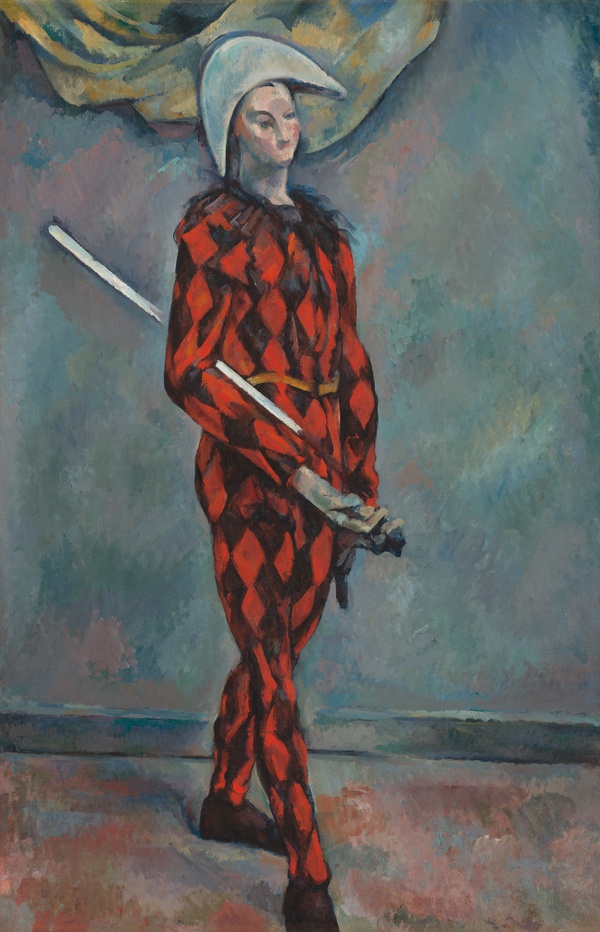
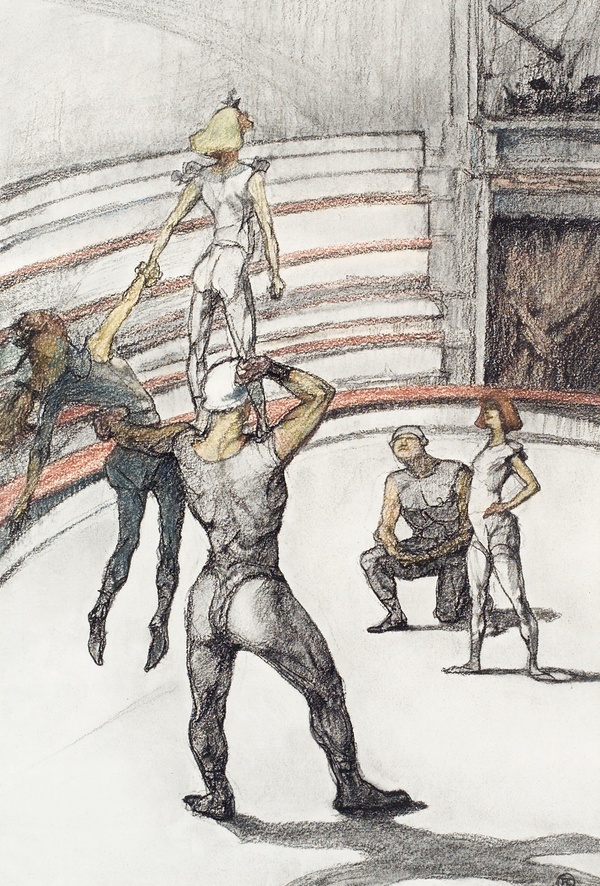
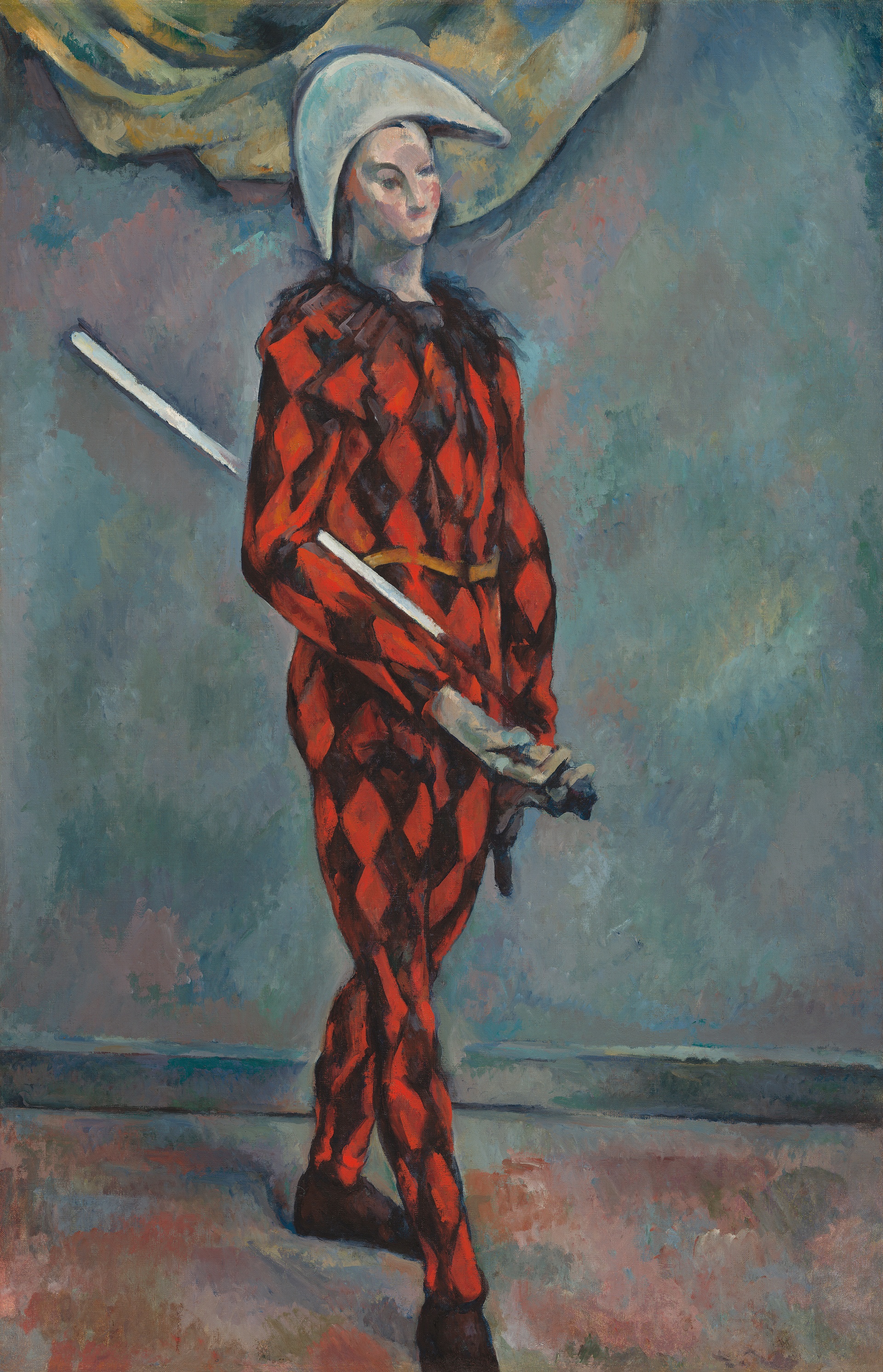
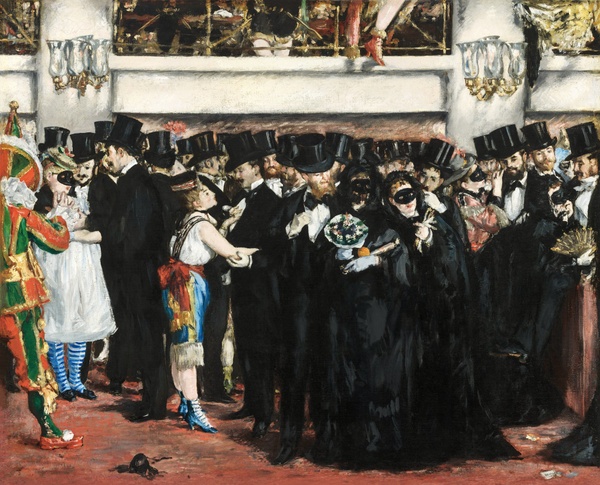
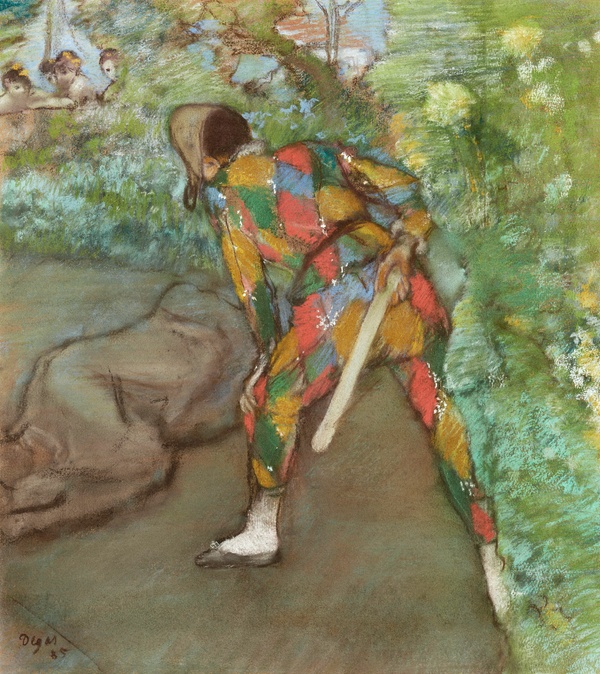
We begin in the vibrant, anonymous throng of Édouard Manet's Masked Ball at the Opera (1873). Here, the mask is a license, a playful invitation to shed inhibitions and mingle across social strata, dissolving individual identities into a collective, chimerical dance. Yet, even amidst this celebratory chaos, Manet hints at a deeper anonymity, a detachment that can both liberate and isolate. From the societal stage, we turn to the archetype of the performer in Edgar Degas's Harlequin (1885) and Paul Cézanne's Harlequin (Arlequin) (1888-1890). Degas's agile figure, poised for action, embodies the theatricality of the commedia dell'arte, while Cézanne’s solitary, melancholic Harlequin reveals the profound inner world that can exist behind the diamond-patterned costume, a mask that both defines and conceals. The physical rigor required to maintain such an illusion is subtly echoed in Henri de Toulouse-Lautrec's Au Cirque: Travail de tapis (1899), reminding us of the effort behind every public display, the sweat beneath the greasepaint.
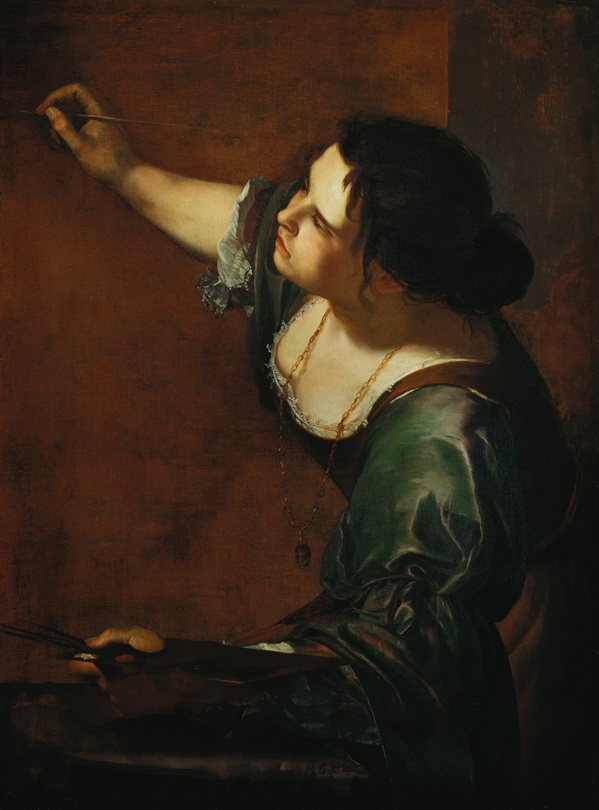
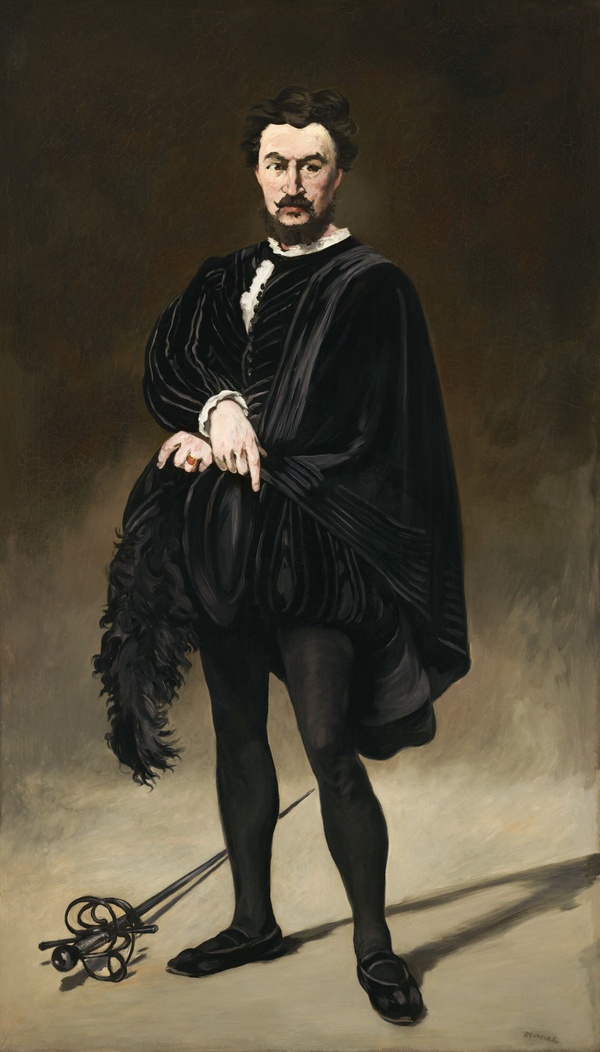
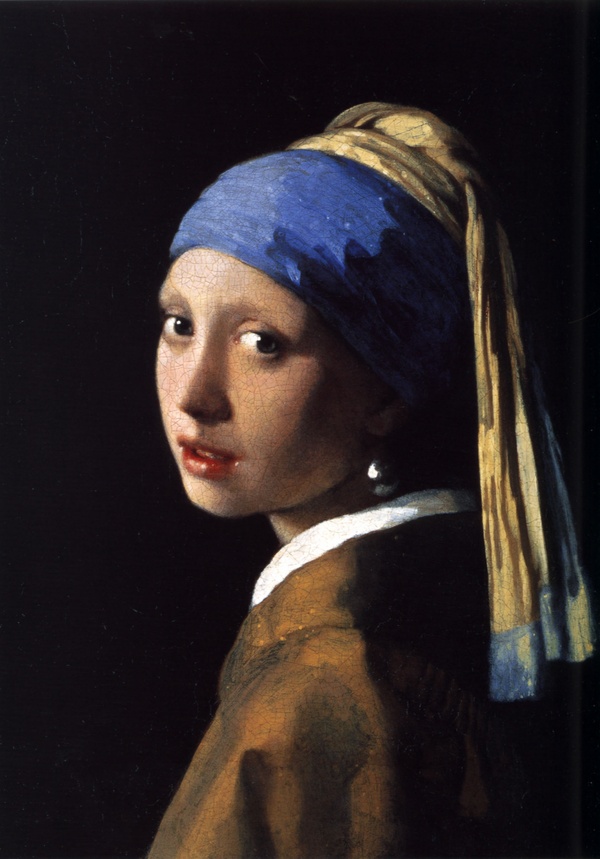
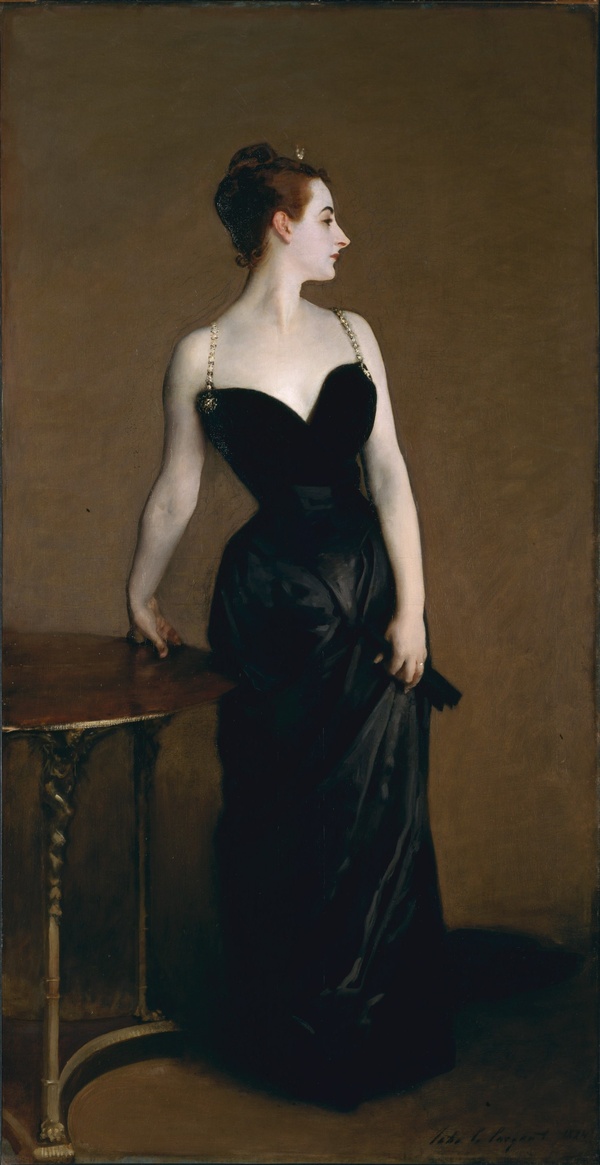
Beyond literal disguises, art explores the constructed personas we adopt. Johannes Vermeer's Girl with a Pearl Earring (c. 1665), with her enigmatic gaze and exotic turban, presents not a direct portrait but a tronie – a character study, a face carefully arranged to evoke mystery and allure. She is a fascinating cipher, inviting us to project our own narratives onto her posed self. This notion of the crafted public image intensifies with John Singer Sargent's Madame X (Madame Pierre Gautreau) (1884). Gautreau, a Parisian socialite, is presented as an icon of daring beauty, her identity almost subsumed by the very image she meticulously cultivated, a mask of aristocratic chic that proved controversially fragile. In a strikingly different vein, Artemisia Gentileschi's Self-Portrait as the Allegory of Painting (La Pittura) (1638) shows the artist boldly embodying an abstract concept, donning the symbolic mask of her profession to assert her agency and talent. Similarly, Édouard Manet’s Tragic Actor (Rouvière as Hamlet) (1866) captures the essence of an individual transformed by a role, the actor's mask becoming an extension of Hamlet's own layered psyche, grappling with appearance and reality.
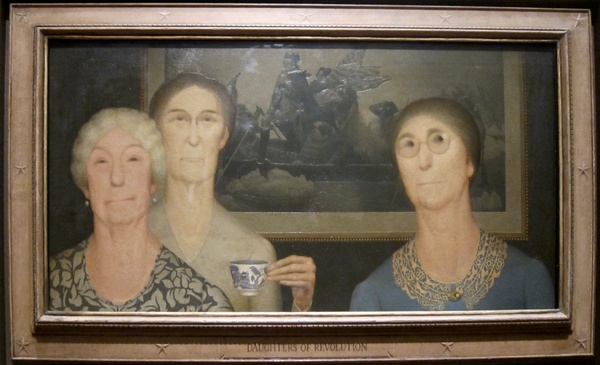
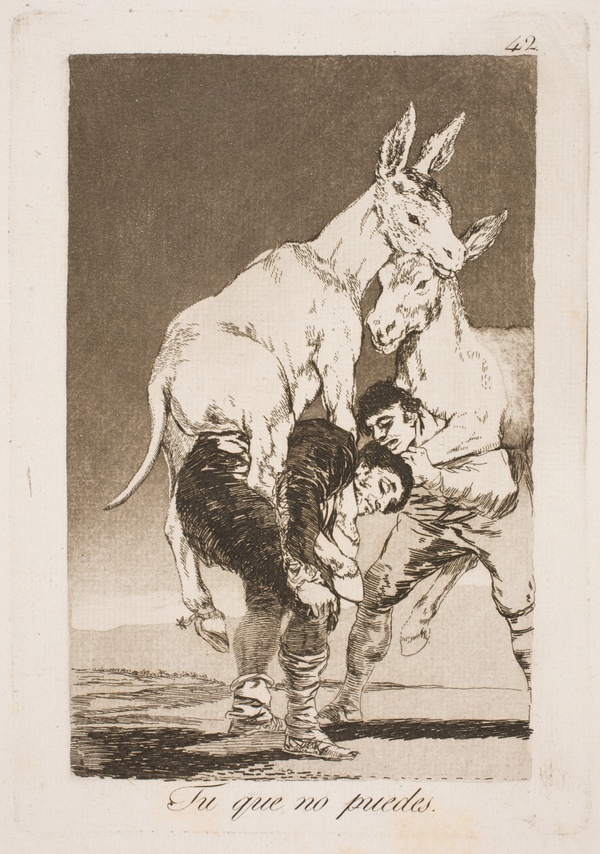
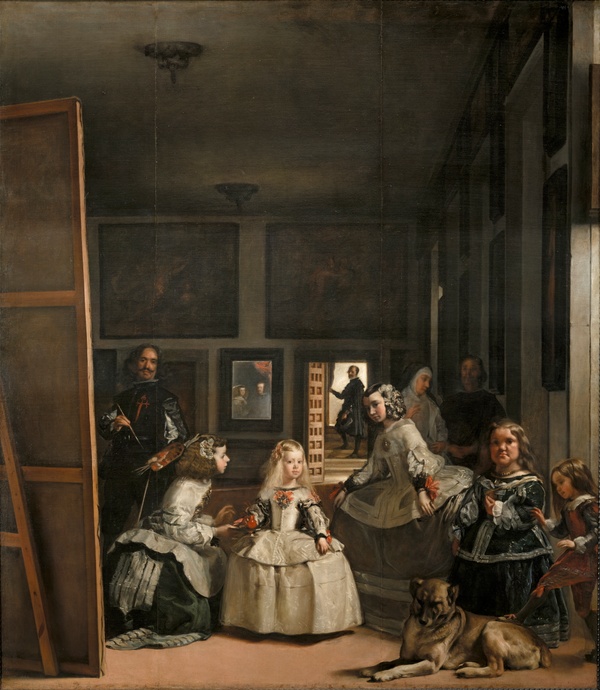
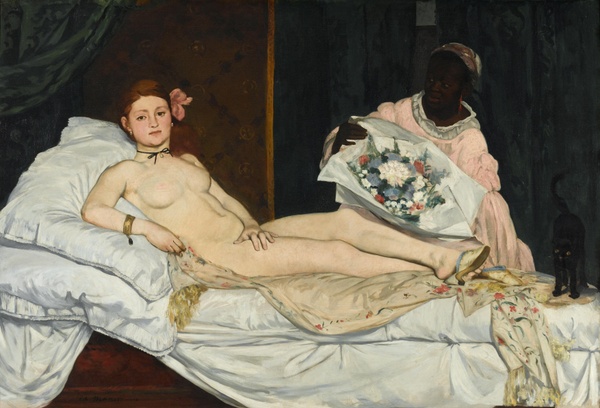
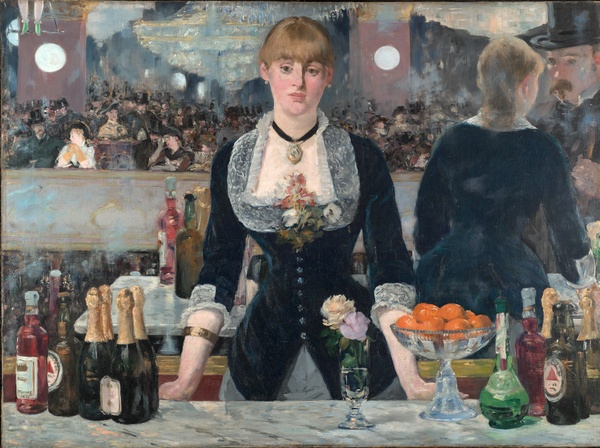
The exhibition then shifts its focus to the societal masks we confront and the unvarnished truths they obscure. Édouard Manet's Olympia (1863) famously stripped away the romanticized veils of traditional nudes, presenting a direct, unashamed gaze that challenged the moralistic masks of 19th-century society. Her self-possession was a scandal, an unmasking of hypocritical decorum. Manet further dissects public performance and internal solitude in A Bar at the Folies-Bergère (1882), where the barmaid Suzon’s detached expression and the disorienting mirror reflection create a poignant tableau of a woman simultaneously present and absent, her public face a carefully maintained veneer. Grant Wood’s Daughters of Revolution (1932) offers a sharp, satirical unmasking of societal pretense, exposing the rigid self-satisfaction and narrow-mindedness hidden beneath a veneer of patriotic virtue. Francisco Goya's Plate 42 from Los Caprichos: Thou Who Canst Not (1799) continues this societal critique with grotesque clarity, revealing the masks of ignorance and oppressive power worn by those who exploit others. And in Diego Velázquez's Las Meninas (1656), the court itself becomes a theatre of masks—the Infanta, the ladies-in-waiting, the artist, even the unseen monarchs reflected in the mirror—all playing their part in a complex drama of visibility, power, and illusion.
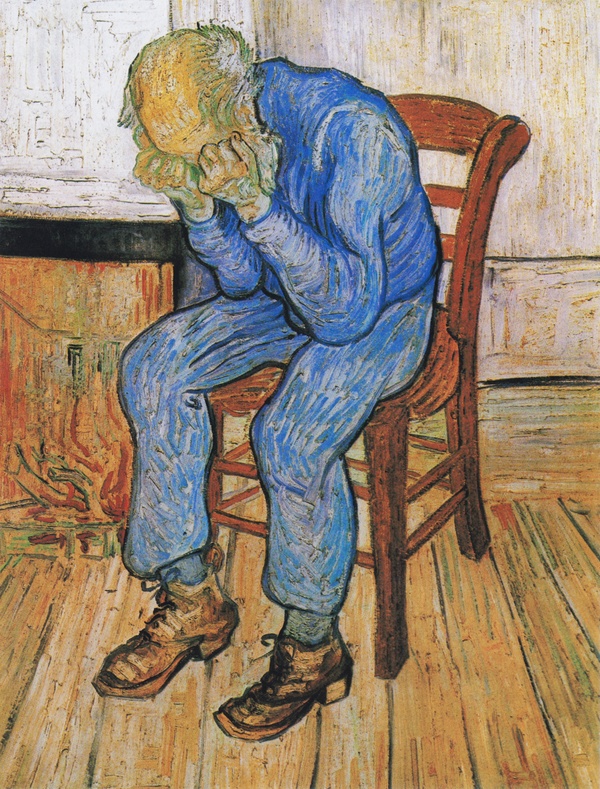
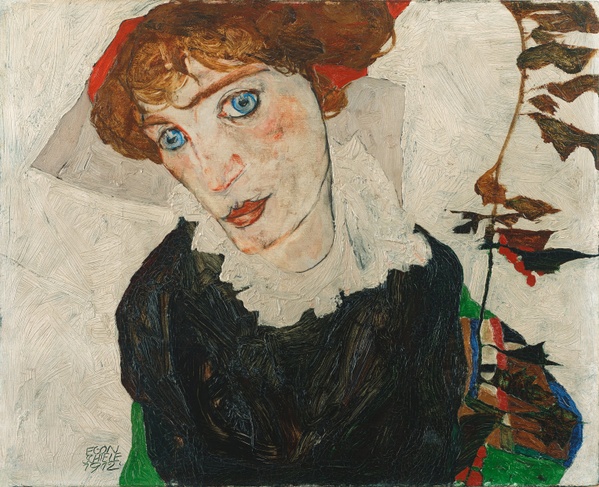
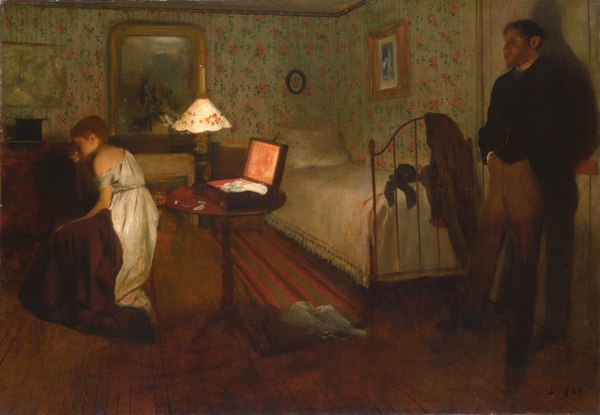
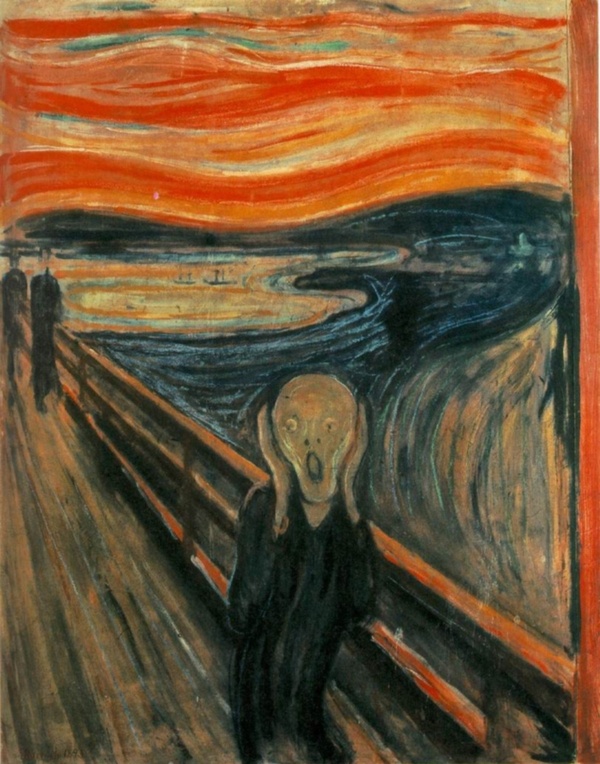
As we delve deeper, the exhibition explores moments when masks crack, revealing profound vulnerability and hidden anguish. Edgar Degas’s Interior (1869), shrouded in lamplit tension, portrays a silent drama where unspoken secrets and raw emotions seem to press against the fragile masks of social interaction. The most visceral unmasking arrives with Edvard Munch's The Scream (1893), a raw, universal cry of existential despair where the human figure's face is distorted into an iconic, genderless mask of pure agony, a primal response to an overwhelming inner and outer landscape. This profound vulnerability finds another echo in Vincent van Gogh's Sorrowing Old Man (At Eternity's Gate) (1890), where the slumped figure’s pose and hidden face convey a poignant sense of grief and resignation, the mask of endurance finally fallen away. Egon Schiele's Portrait of Wally Neuzil (1912) offers a glimpse into a fiercely intimate space, where the subject's unvarnished gaze suggests an authenticity that transcends polite society's expectations, a raw self laid bare.
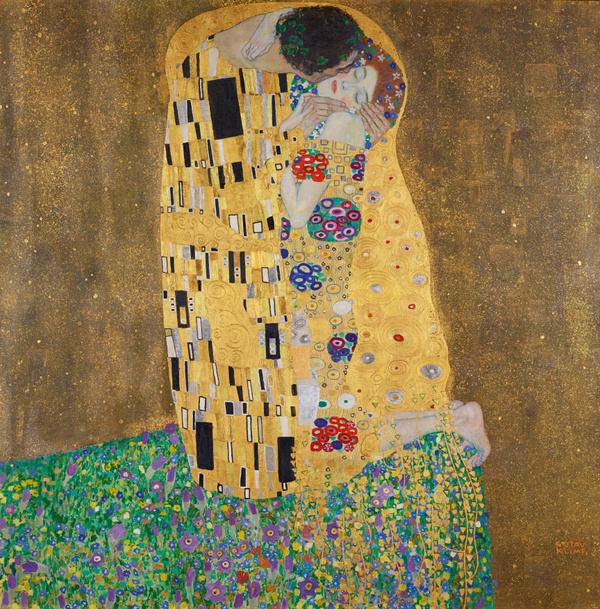
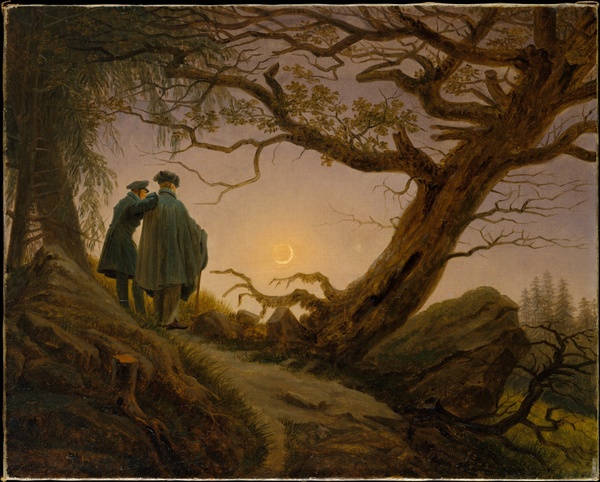
Ultimately, "The Mask We Wear" invites contemplation on what lies beyond the mask. In Gustav Klimt's The Kiss (1908), two figures merge into a single golden embrace, their individual identities dissolving into a shared, timeless form. Is this the ultimate shedding of masks in the ecstasy of love, or the creation of a new, unified identity? The journey concludes with the quiet introspection of Caspar David Friedrich's Two Men Contemplating the Moon (ca. 1825–1830). With their backs to the viewer, their individual masks of identity are withheld, allowing us to project ourselves into their contemplative solitude, finding a universal, unmasked connection to the vastness of the natural world.
Through these masterworks, we witness the many guises of human existence—the roles we play, the secrets we keep, the truths we reveal. The exhibition is an invitation to look closer, to question what we see, and perhaps, to unmask a little of ourselves along the way.
Artworks in this collection

30 artworks
Masked Ball at the Opera - Édouard Manet (1873)

Masked Ball at the Opera - Édouard Manet (1873)

Édouard Manet

France, 1873

Directly illustrates the theme of wearing masks for social performance and concealment at a public event.

Harlequin - Edgar Degas (1885)
Premium

Harlequin - Edgar Degas (1885)

Edgar Degas

France, 1885

Features Harlequin, a classic masked character, embodying theatricality and the adoption of a specific persona.

Harlequin (Arlequin) - Paul Cézanne (1888-1890)
Premium

Harlequin (Arlequin) - Paul Cézanne (1888-1890)

Paul Cézanne

France, 1888

The figure of Harlequin, a traditional masked character, embodies the theatricality and multifaceted nature of identity and human behavior.

Au Cirque: Travail de tapis - Henri de Toulouse-Lautrec (1899)
Premium

Au Cirque: Travail de tapis - Henri de Toulouse-Lautrec (1899)

Henri de Toulouse-Lautrec

France, 1899

Captures the behind-the-scenes effort of performers, contrasting their private struggle and reality with their public stage persona.

Girl with a Pearl Earring - Johannes Vermeer (c. 1665)

Girl with a Pearl Earring - Johannes Vermeer (c. 1665)

Johannes Vermeer

Netherlands, 1665

The sitter's enigmatic expression and the title's implied focus on an adornment suggest a mysterious or captivating persona presented to the viewer.

Madame X (Madame Pierre Gautreau) - John Singer Sargent (1884)

Madame X (Madame Pierre Gautreau) - John Singer Sargent (1884)

John Singer Sargent

USA, 1884

This portrait of Madame Gautreau challenged societal norms and exposed a defiant, unmasked persona, creating public scandal.

Self-Portrait as the Allegory of Painting (La Pittura) - Artemisia Gentileschi (1638)
Premium

Self-Portrait as the Allegory of Painting (La Pittura) - Artemisia Gentileschi (1638)

Artemisia Gentileschi

Italy, 1638

The artist portrays herself in a symbolic role as the Allegory of Painting, actively performing and asserting her identity as a powerful female painter.

Olympia - Édouard Manet (1863)
Premium

Olympia - Édouard Manet (1863)

Édouard Manet

France, 1863

Challenges conventional beauty and modesty, presenting a defiant, unmasked reality of a courtesan's gaze and social position, forcing viewers to confront their own biases.

A Bar at the Folies-Bergère - Édouard Manet (1882)
Premium

A Bar at the Folies-Bergère - Édouard Manet (1882)

Édouard Manet

France, 1882

The barmaid's detached gaze and the mirrored reflection create a complex commentary on public presentation, isolation in a crowd, and the hidden inner life behind a professional facade.

Daughters of Revolution - Grant Wood (1932)
Premium

Daughters of Revolution - Grant Wood (1932)

Grant Wood

USA, 1932

A satirical critique of social pretense and performative patriotism, highlighting characters defined by their public roles rather than genuine substance.

Plate 42 from Los Caprichos: Thou Who Canst Not (Tu que no puedes) - Francisco Goya (1799)

Plate 42 from Los Caprichos: Thou Who Canst Not (Tu que no puedes) - Francisco Goya (1799)

Francisco Goya

Spain, 1799

A satirical print that uses exaggerated figures to expose societal hypocrisy and folly, visually 'unmasking' human failings and absurdities.

Las Meninas - Diego Velázquez (1656)
Premium

Las Meninas - Diego Velázquez (1656)

Diego Velázquez

Spain, 1656

A complex exploration of gazes, social roles, and the blurring of public and private life within a royal court, an ultimate 'mask' of royalty and representation.

Interior - Edgar Degas (1869)
Premium

Interior - Edgar Degas (1869)

Edgar Degas

France, 1869

A psychologically charged scene with two figures, heavy with unspoken tension and concealed emotions, hinting at the internal masks people wear in intimate settings.

The Scream - Edvard Munch (1893)
Premium

The Scream - Edvard Munch (1893)

Edvard Munch

Norway, 1893

An intense visual representation of inner anguish and an 'unmasking' of raw, existential dread, rather than a physical mask.

Sorrowing Old Man (At Eternity's Gate) - Vincent van Gogh (1890)
Premium

Sorrowing Old Man (At Eternity's Gate) - Vincent van Gogh (1890)

Vincent van Gogh

Netherlands, 1890

A poignant portrayal of old age and deep sorrow, revealing the profound emotional landscape and existential weight beneath the surface of outward appearance.

Portrait of Wally Neuzil - Egon Schiele (1912)
Premium

Portrait of Wally Neuzil - Egon Schiele (1912)

Egon Schiele

Austria, 1912

A raw, psychologically intense portrait that seems to strip away conventional masks, revealing vulnerability and inner turmoil.

The Kiss (Der Kuss) - Gustav Klimt (1908)
Premium

The Kiss (Der Kuss) - Gustav Klimt (1908)

Gustav Klimt

Austria, 1908

While romantic, the lovers' faces are partially obscured by intricate patterns and their embrace, suggesting a merging of identities or a moment of intimate, yet veiled, passion.

Two Men Contemplating the Moon - Caspar David Friedrich (ca. 1825–1830)
Premium

Two Men Contemplating the Moon - Caspar David Friedrich (ca. 1825–1830)

Caspar David Friedrich

Germany, 1825

Figures seen from behind, absorbed in contemplation of nature, inviting the viewer to reflect on introspection and the private world of thought.

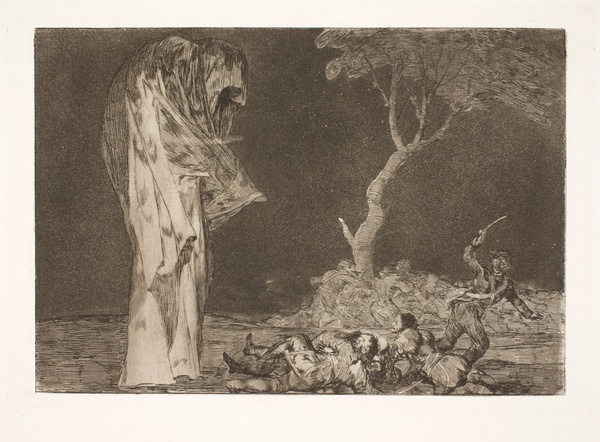
The Foolish Fear (Don't Lose Reputation Because of Fear) - Francisco Goya (1797–1799)
Premium

The Foolish Fear (Don't Lose Reputation Because of Fear) - Francisco Goya (1797–1799)

Francisco Goya

Spain, 1799

Illustrates how fear can drive human behavior, leading to self-concealment, irrational actions, and the erosion of courage.

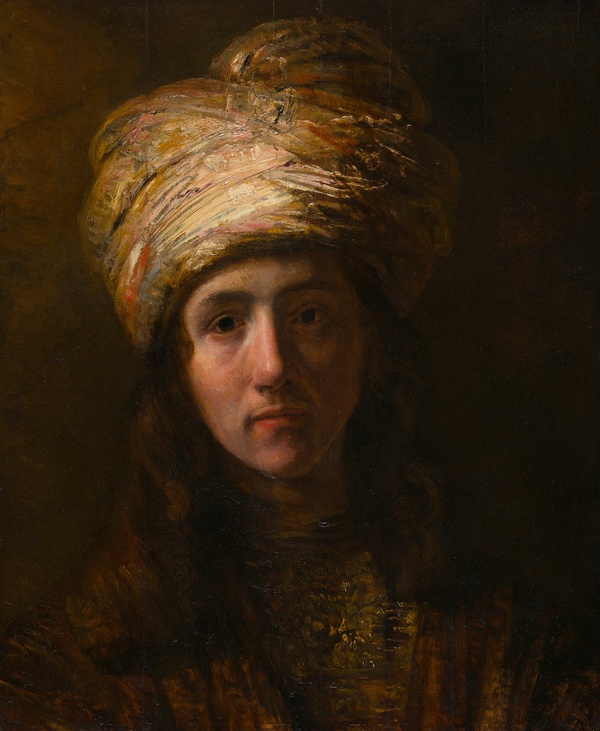
Young Man in a Turban - Follower of Rembrandt van Rijn (c. 1650)
Premium

Young Man in a Turban - Follower of Rembrandt van Rijn (c. 1650)

Follower of Rembrandt van Rijn

Netherlands, 1650

The turban acts as an exotic 'mask' or costume, inviting speculation about the identity and inner world of the sitter, whose gaze is direct yet reserved.

Tragic Actor (Rouvière as Hamlet) - Édouard Manet (1866)
Premium

Tragic Actor (Rouvière as Hamlet) - Édouard Manet (1866)

Édouard Manet

France, 1866

Depicts an actor embodying a dramatic role, highlighting the artifice of performance and the temporary adoption of a 'mask' of tragedy.

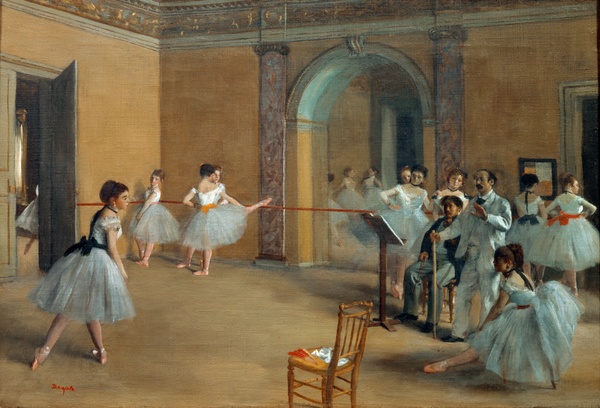
The Dance Foyer at the Opera on the rue Le Peletier - Edgar Degas (1872)
Premium

The Dance Foyer at the Opera on the rue Le Peletier - Edgar Degas (1872)

Edgar Degas

France, 1872

Captures dancers in unguarded moments behind the scenes, revealing the effort and 'real' people beneath their glamorous stage personas.

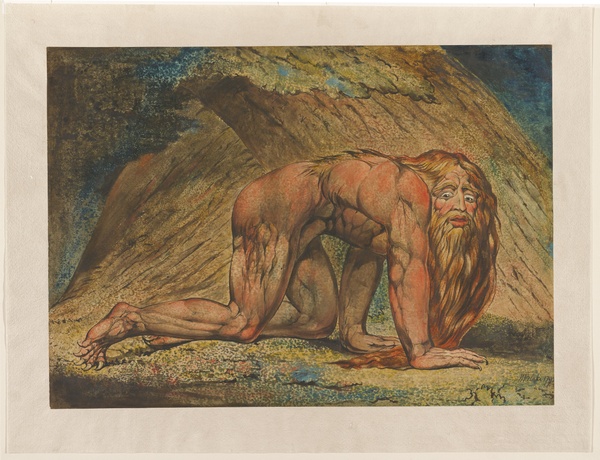
Nebuchadnezzar - William Blake (1795)
Premium

Nebuchadnezzar - William Blake (1795)

William Blake

England, 1795

Depicts a king in a state of primal madness, symbolizing the complete stripping away of sanity and regal 'masks' to reveal raw human nature.

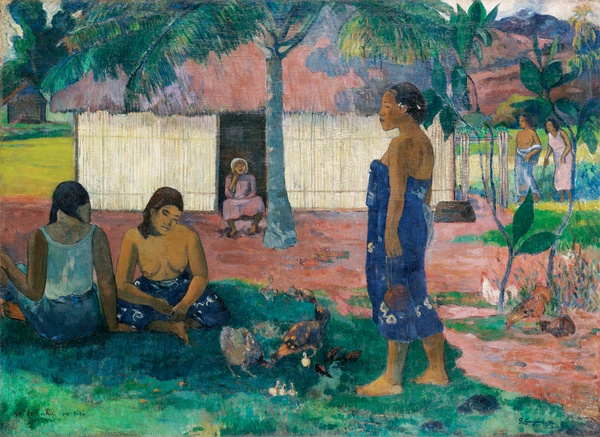
Why Are You Angry? (No te aha oe riri) - Paul Gauguin (1896)
Premium

Why Are You Angry? (No te aha oe riri) - Paul Gauguin (1896)

Paul Gauguin

France, 1896

The direct, questioning title and the woman's guarded expression highlight hidden emotions and the cultural aspects of expressing or concealing feelings.

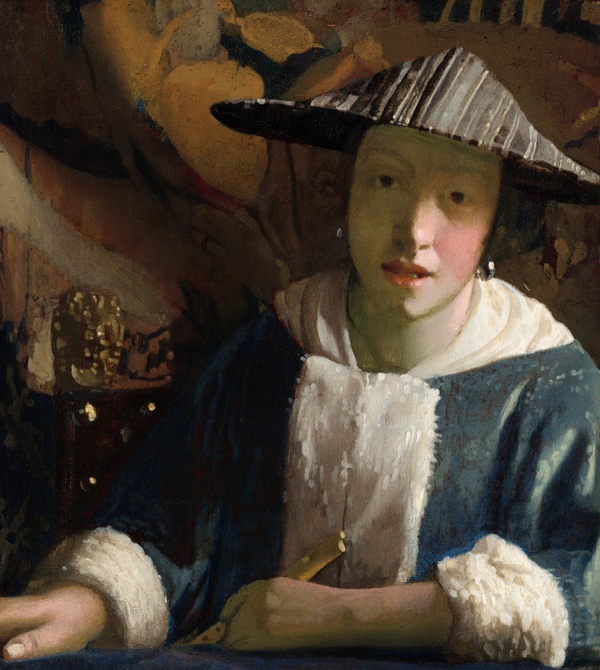
Girl with a Flute - Johannes Vermeer (ca. 1665–1675)
Premium

Girl with a Flute - Johannes Vermeer (ca. 1665–1675)

Johannes Vermeer

Netherlands, 1665

The figure's headwear (cap and flute) acts as a subtle disguise, contributing to her mysterious, introspective, and almost theatrical presence.

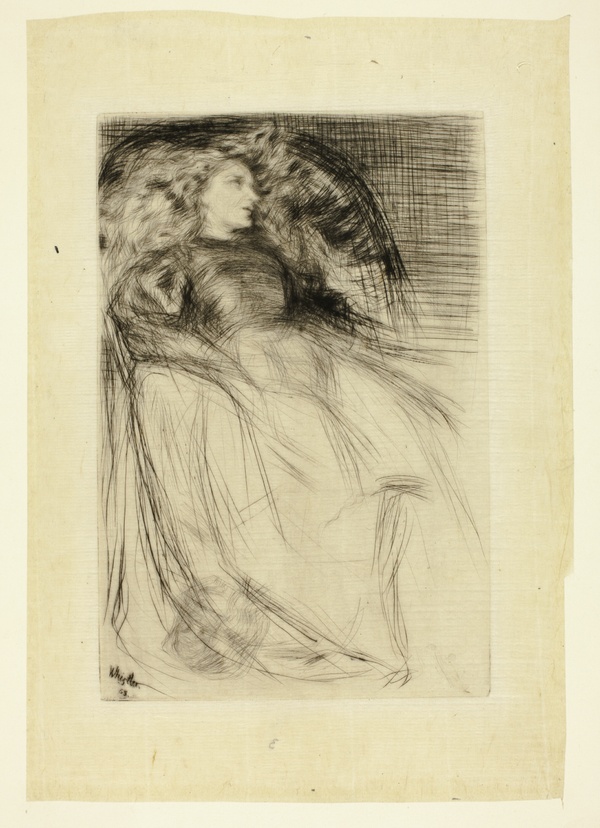
Weary - James McNeill Whistler (1863)

Weary - James McNeill Whistler (1863)

James McNeill Whistler

United States, 1863

A portrait that conveys exhaustion and vulnerability, hinting at a moment when the social mask of composure is momentarily dropped.

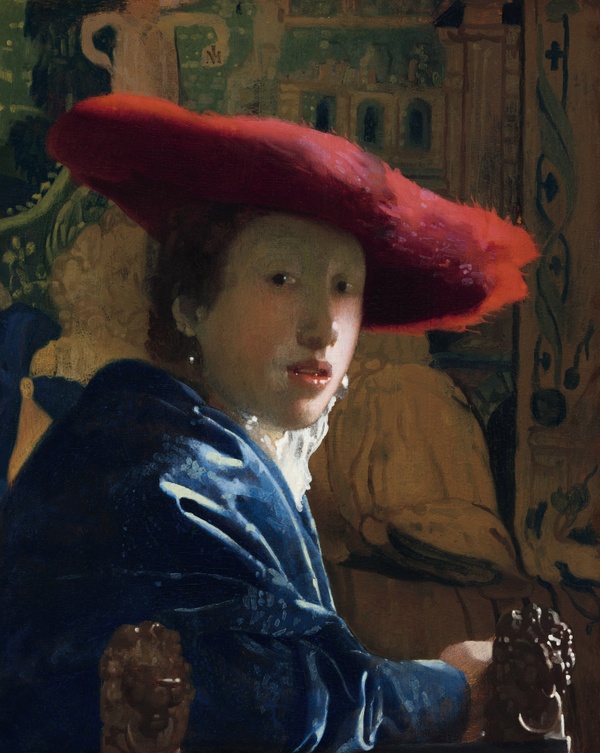
Girl with the Red Hat - Johannes Vermeer (ca. 1665–1667)
Premium

Girl with the Red Hat - Johannes Vermeer (ca. 1665–1667)

Johannes Vermeer

Netherlands, 1665

The vibrant hat acts as a charming or alluring 'mask,' drawing attention to the girl's intimate, yet composed, presence, inviting curiosity.

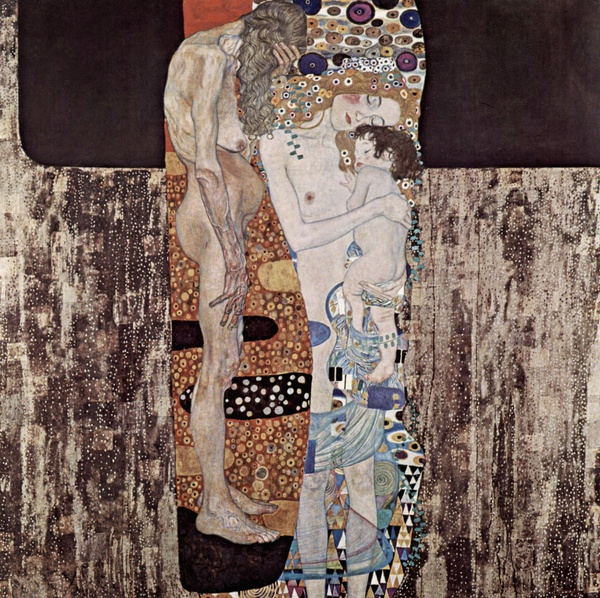
The Three Ages of Woman - Gustav Klimt (1905)
Premium

The Three Ages of Woman - Gustav Klimt (1905)

Gustav Klimt

Austria, 1905

Allegorically depicts different stages of womanhood, each with its own 'mask' or expression of life's journey, exploring vulnerability and wisdom.

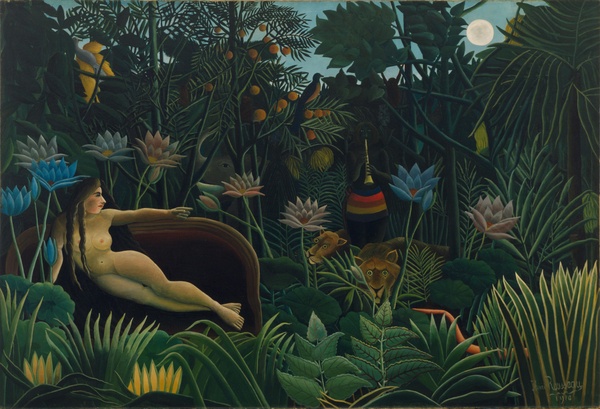
Le Rêve (The Dream) - Henri Rousseau (1910)
Premium

Le Rêve (The Dream) - Henri Rousseau (1910)

Henri Rousseau

France, 1910

Explores the subconscious and dream world, where inner desires and fears are 'unmasked' or revealed allegorically in a surreal landscape.

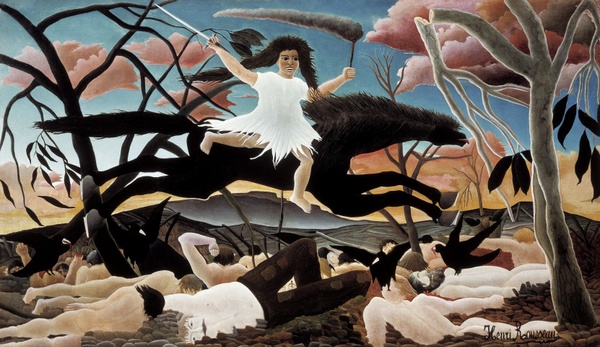
War (La Guerre) - Henri Rousseau (1894)

War (La Guerre) - Henri Rousseau (1894)

Henri Rousseau

France, 1894

An allegorical portrayal of war that strips humanity to its primal, brutal state, unmasking savage instincts and the futility of conflict.

Discover more curated collections

View all collections