
Curated Collections · 30 artworks · Created August 17, 2026

The Mycelial Lattice

Mapping the invisible threads of symbiotic growth and subterranean connectivity.

Read it as a book

Download the set in 4K — or open it in the MP Art app to send straight to your Frame

The Mycelial Lattice

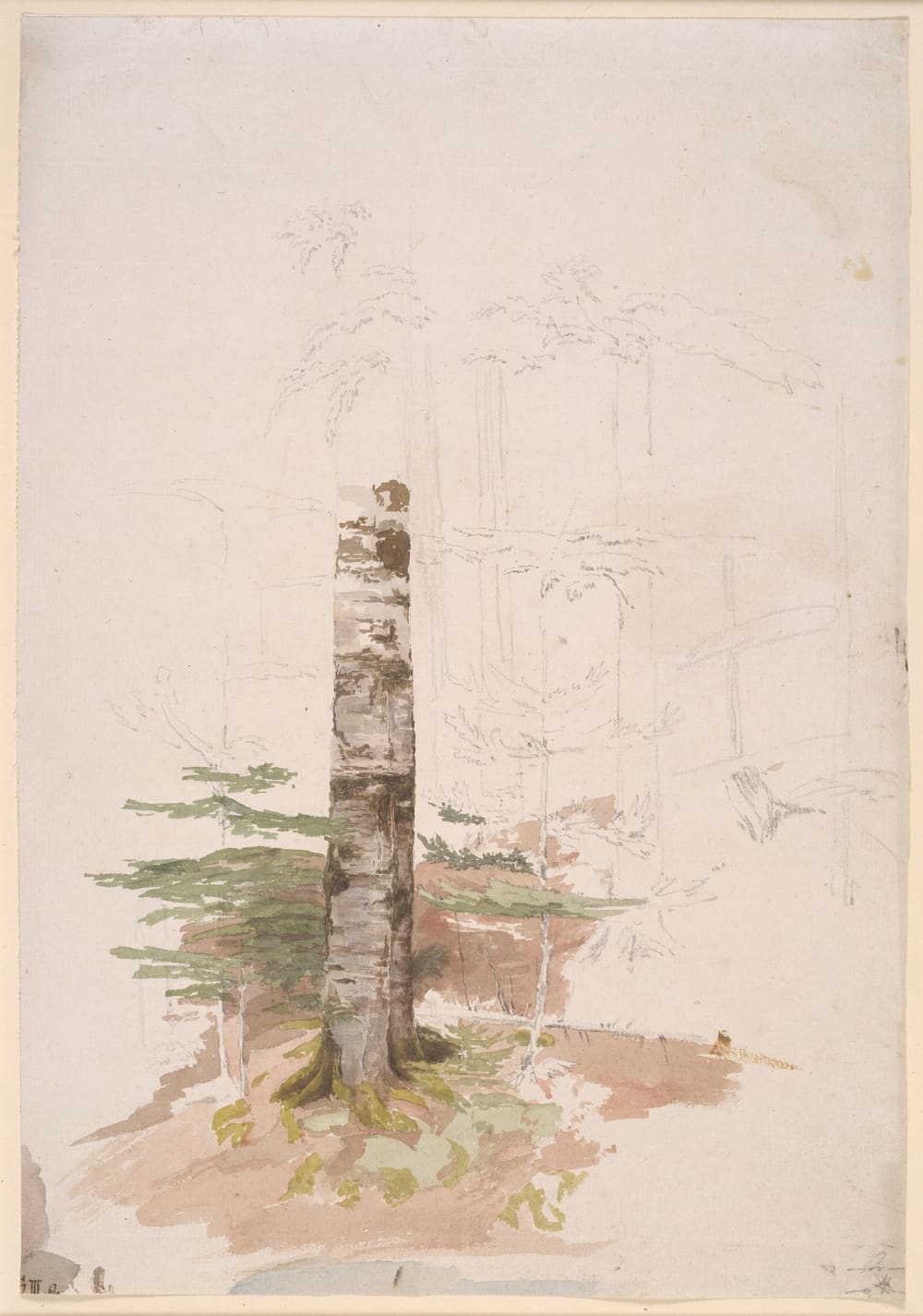
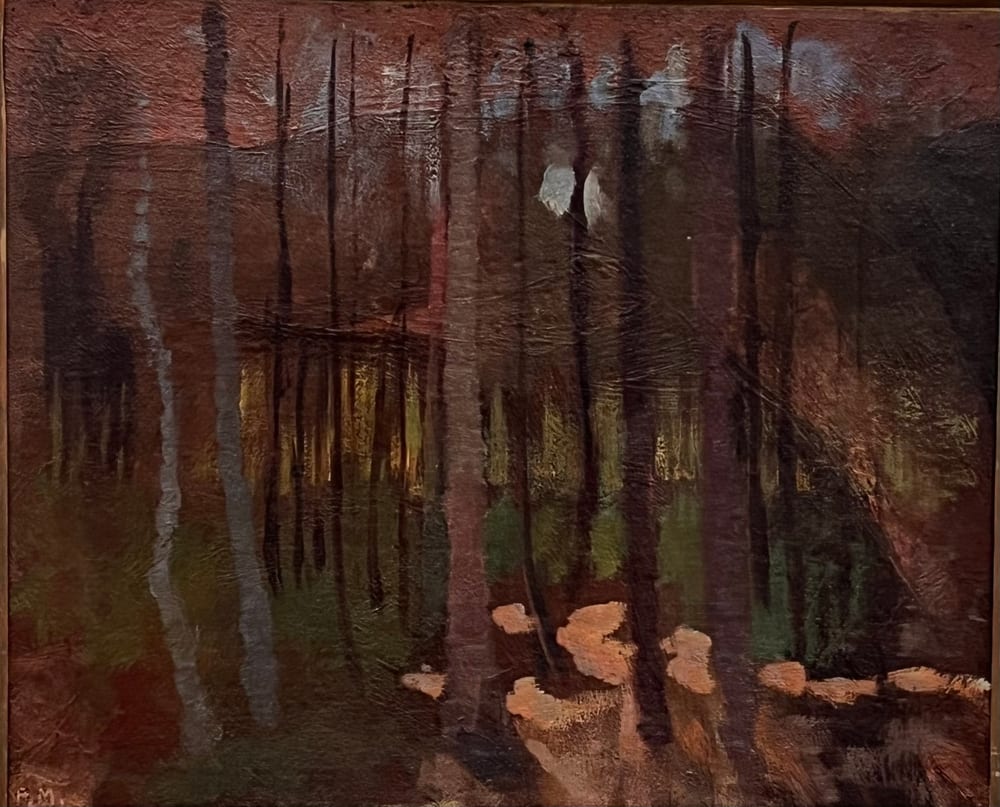
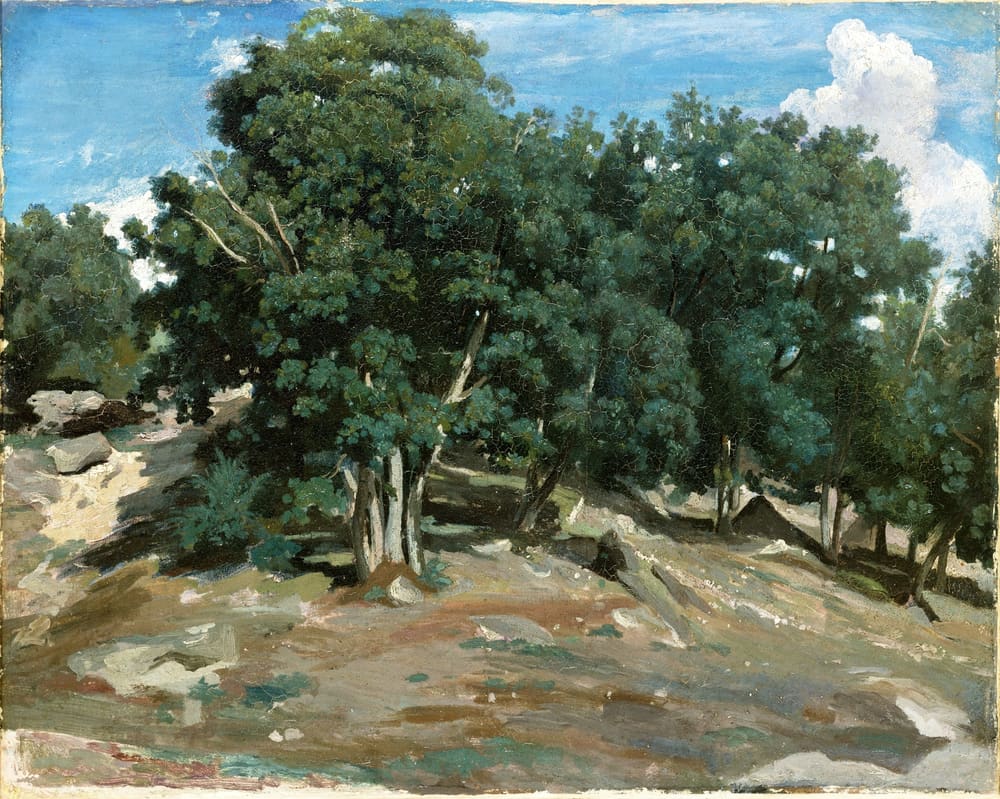
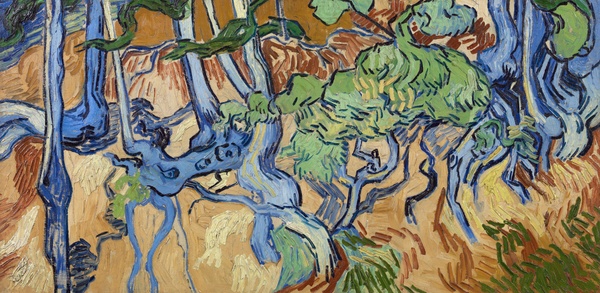
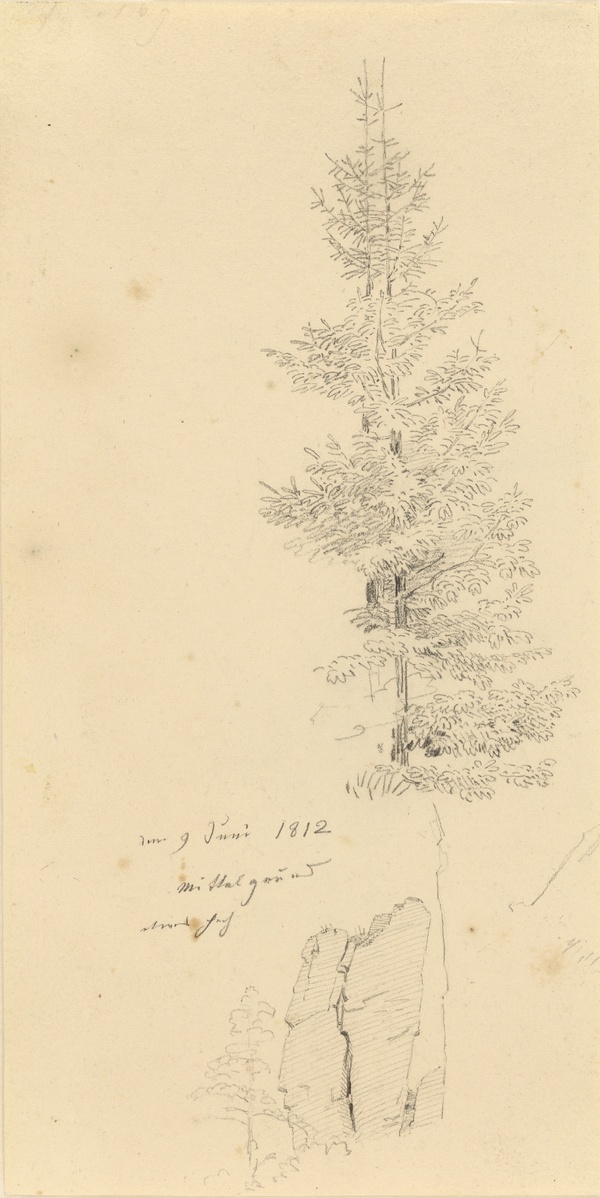
The earth is not a silent mass but a vibrating network of intention. Beneath the soil, a secret geometry unfolds, a logic first glimpsed in the tangled brushstrokes of Tree Roots by Van Gogh. This subterranean connectivity serves as the blueprint for growth, a concept echoed in the meticulous graphite of Caspar David Friedrich’s Study of Pine Trees and a Rock (recto). Friedrich, a master of the sublime, captures the quietude of the wood in his Study of a Conifer Forest Interior and Study from the Interior of a Conifer Forest, where the vertical rhythm of trunks suggests a cathedral of biological architecture. This organic density finds expression in the naturalistic Forest by Piet Mondrian and the light-dappled Fontainebleau: Oak Trees at Bas-Bréau by Corot.
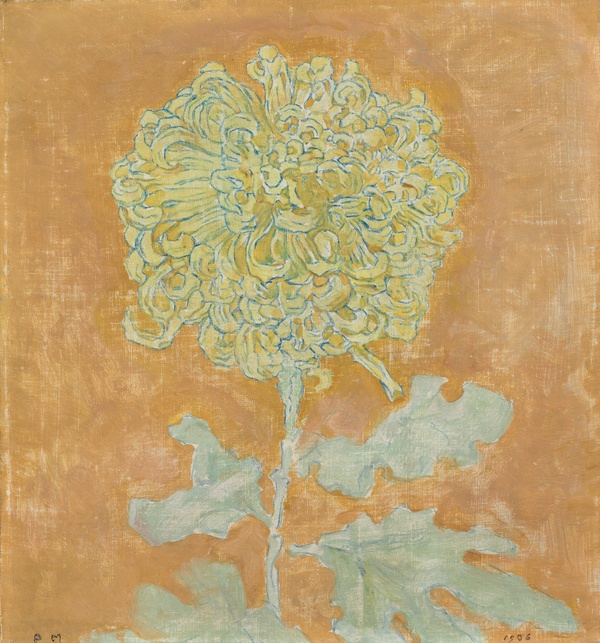
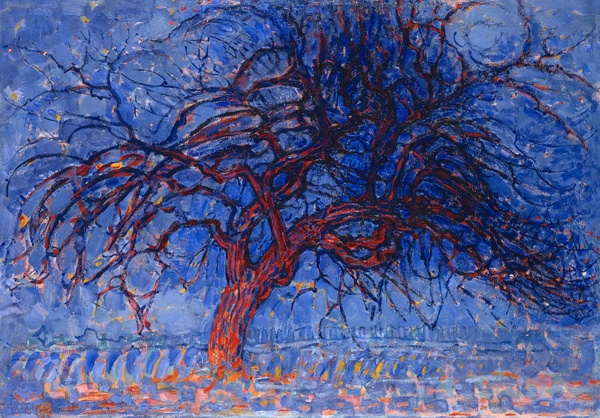
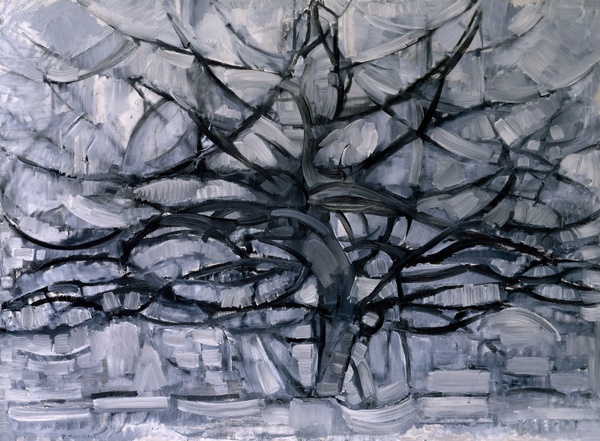
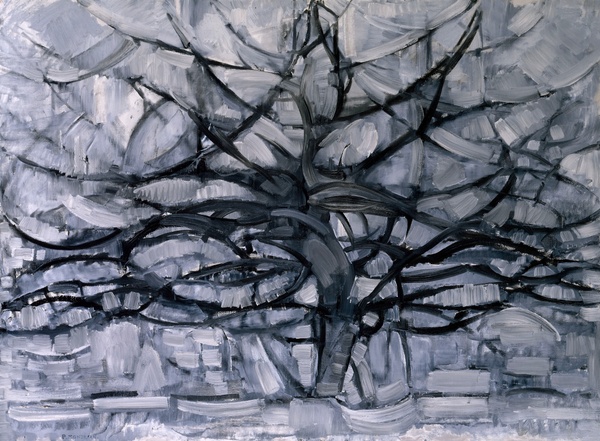
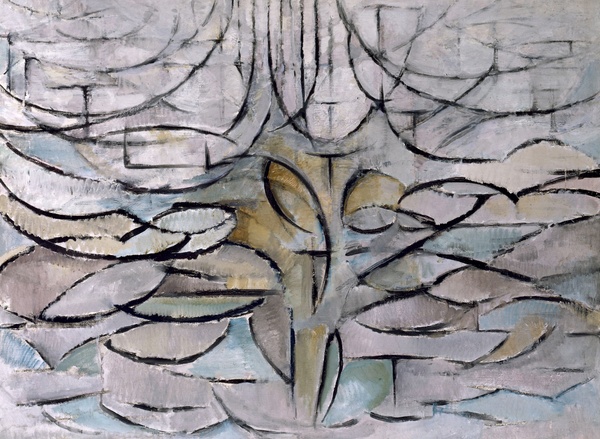
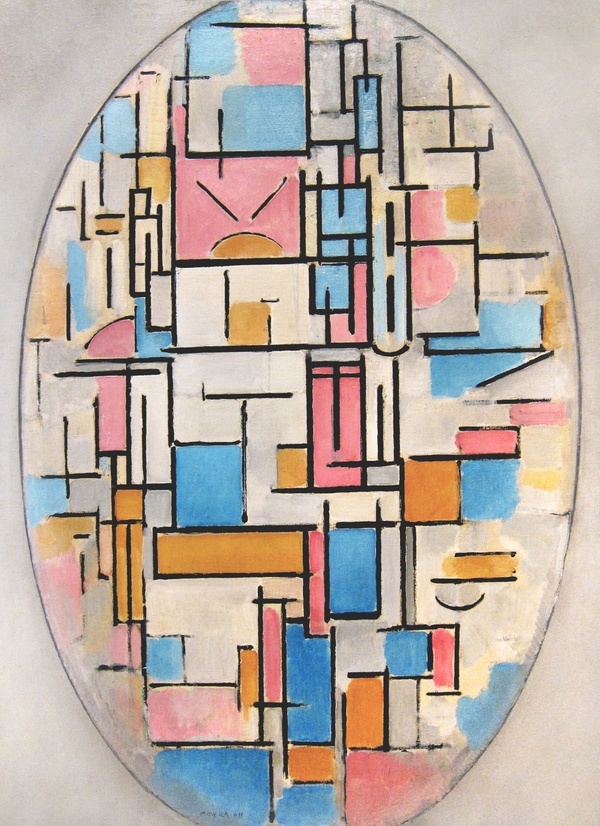
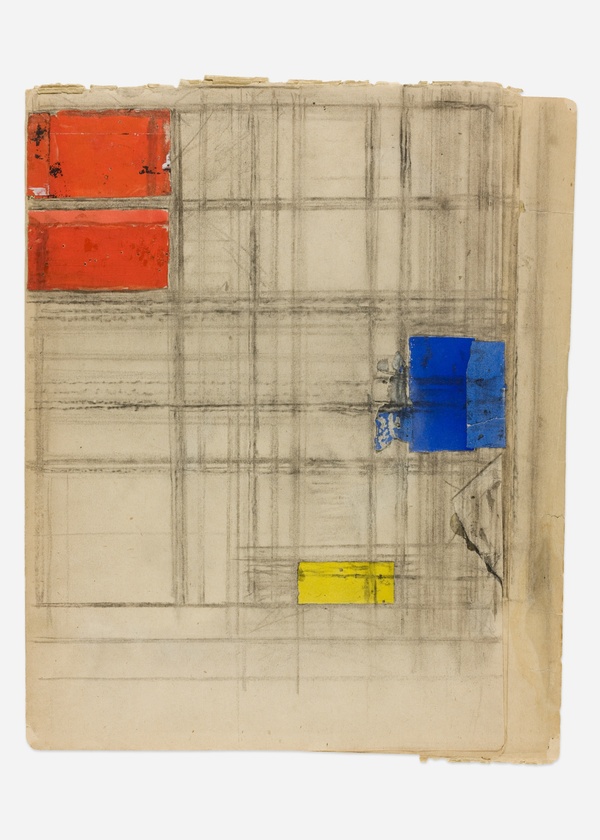
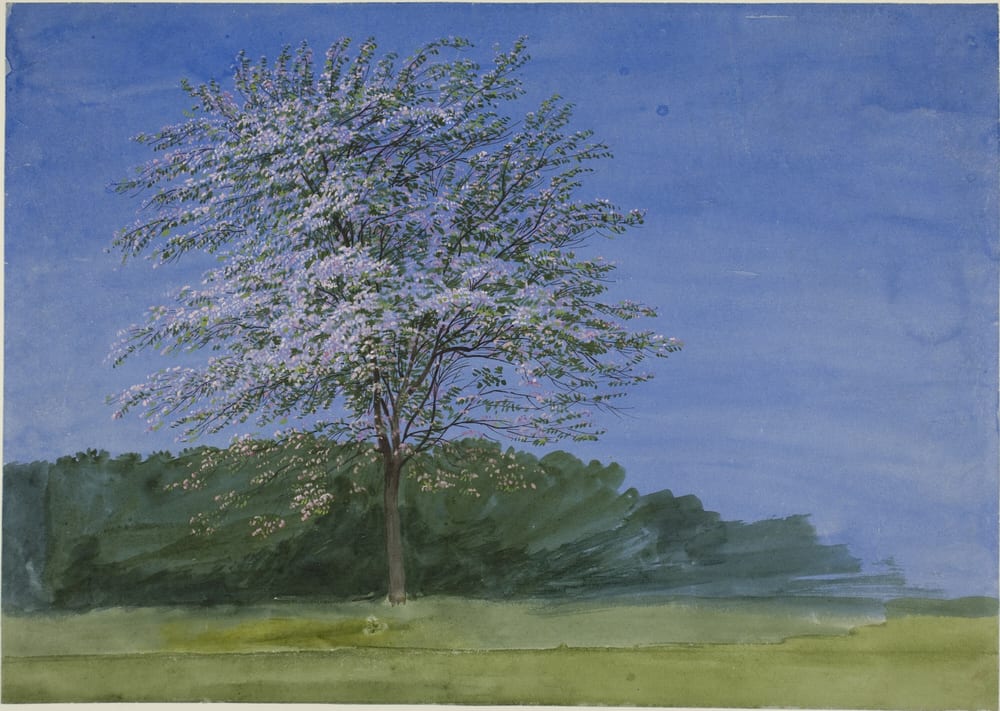
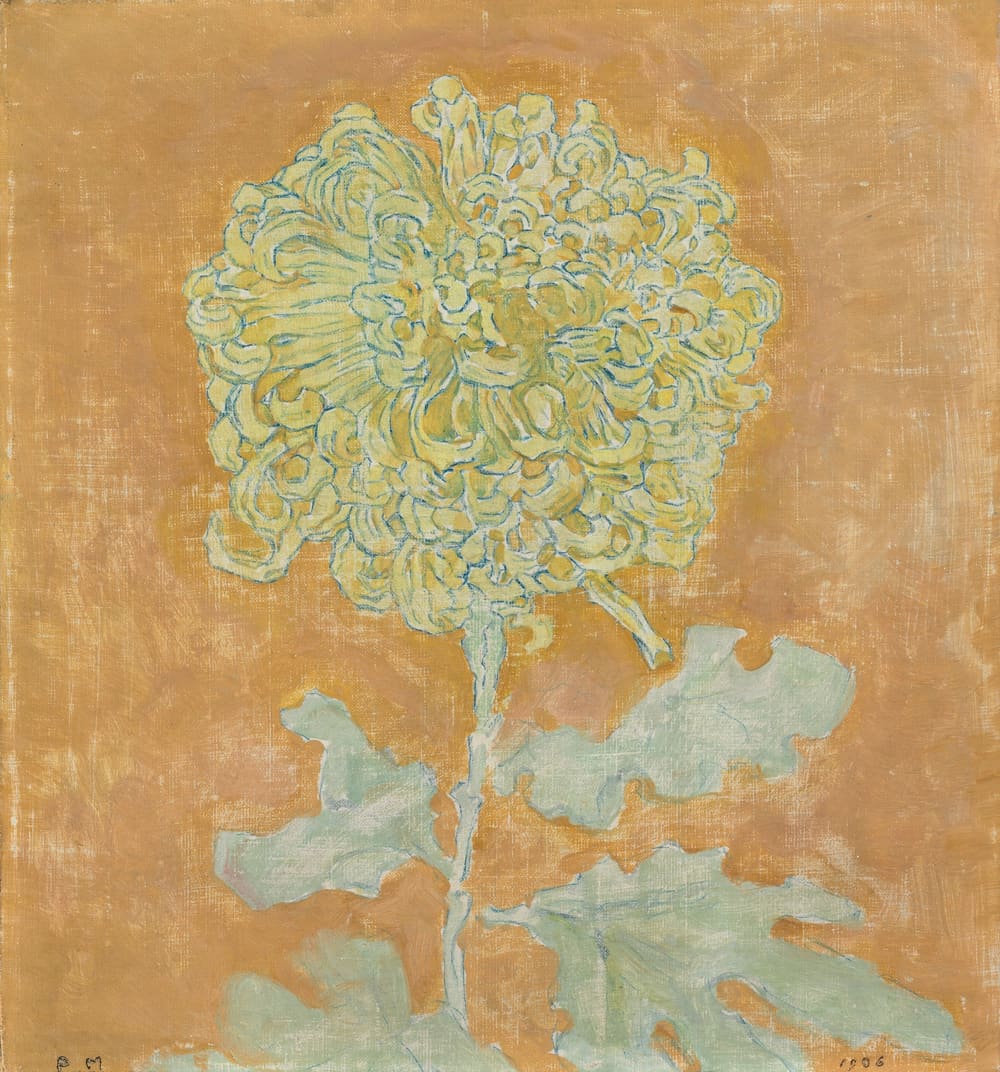
As we move from the earth to the blossom, J.M.W. Turner’s Study of a Tree in Bloom captures the ethereal volatility of life. Yet, it is in Mondrian’s transition to abstraction that the mycelial lattice becomes visible. We see the botanical intimacy of Chrysanthemum (1906) and Chrysanthemum (1908), which yield to the skeletal vibrance of Avond (Evening): The Red Tree. In The Gray Tree and its counterpart Gray Tree, branches tighten into a web, a process culminating in the fractured light of Flowering Apple Tree. Eventually, nature dissolves into the grid of Composition in Oval with Color Planes 1 and the rigorous Study for a Composition.
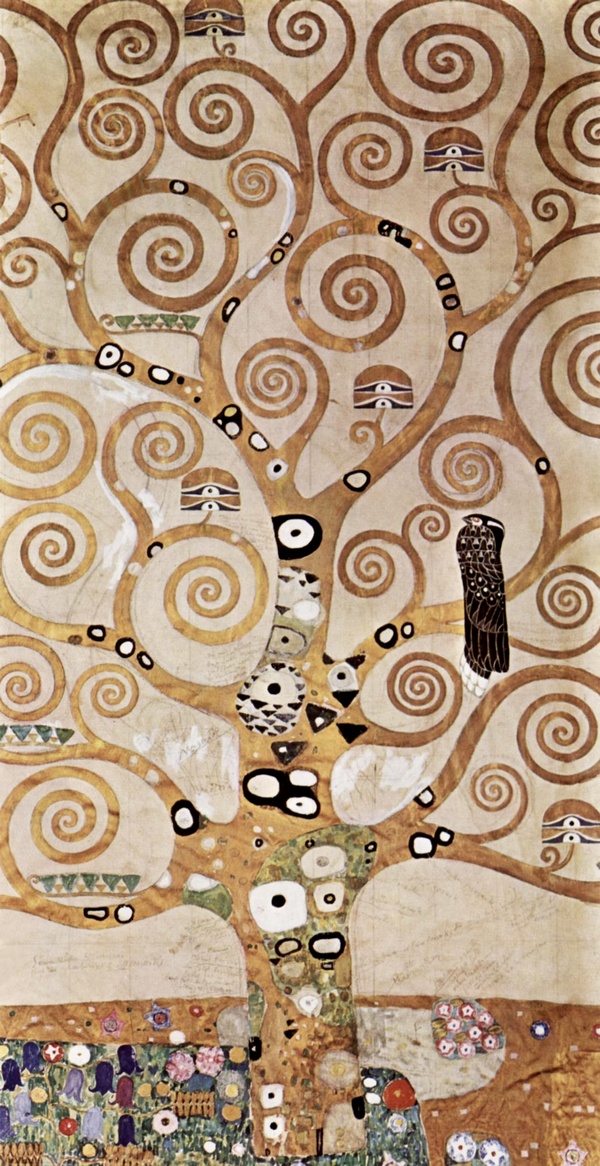
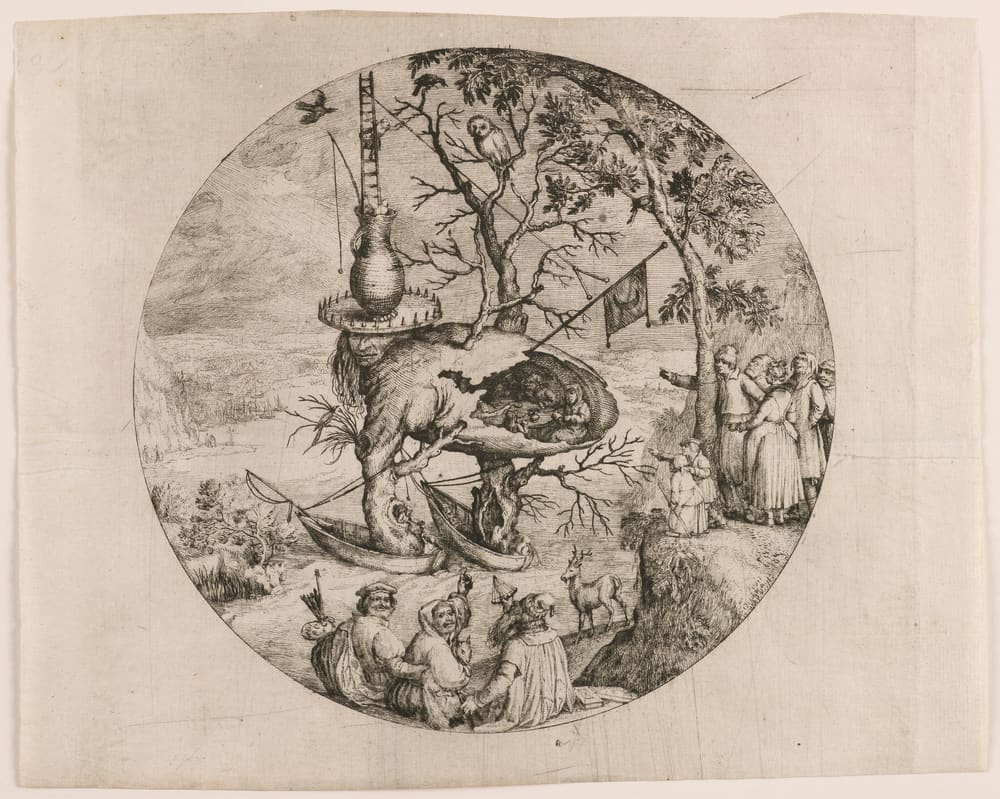
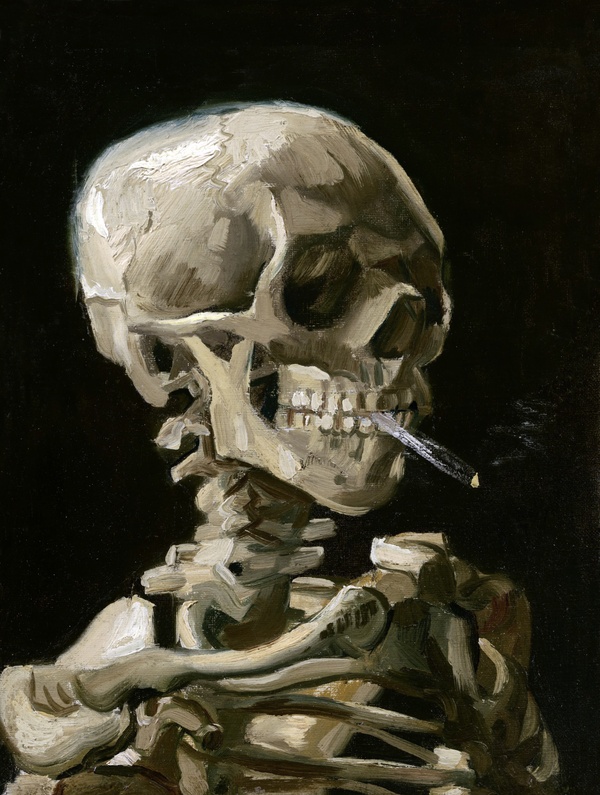
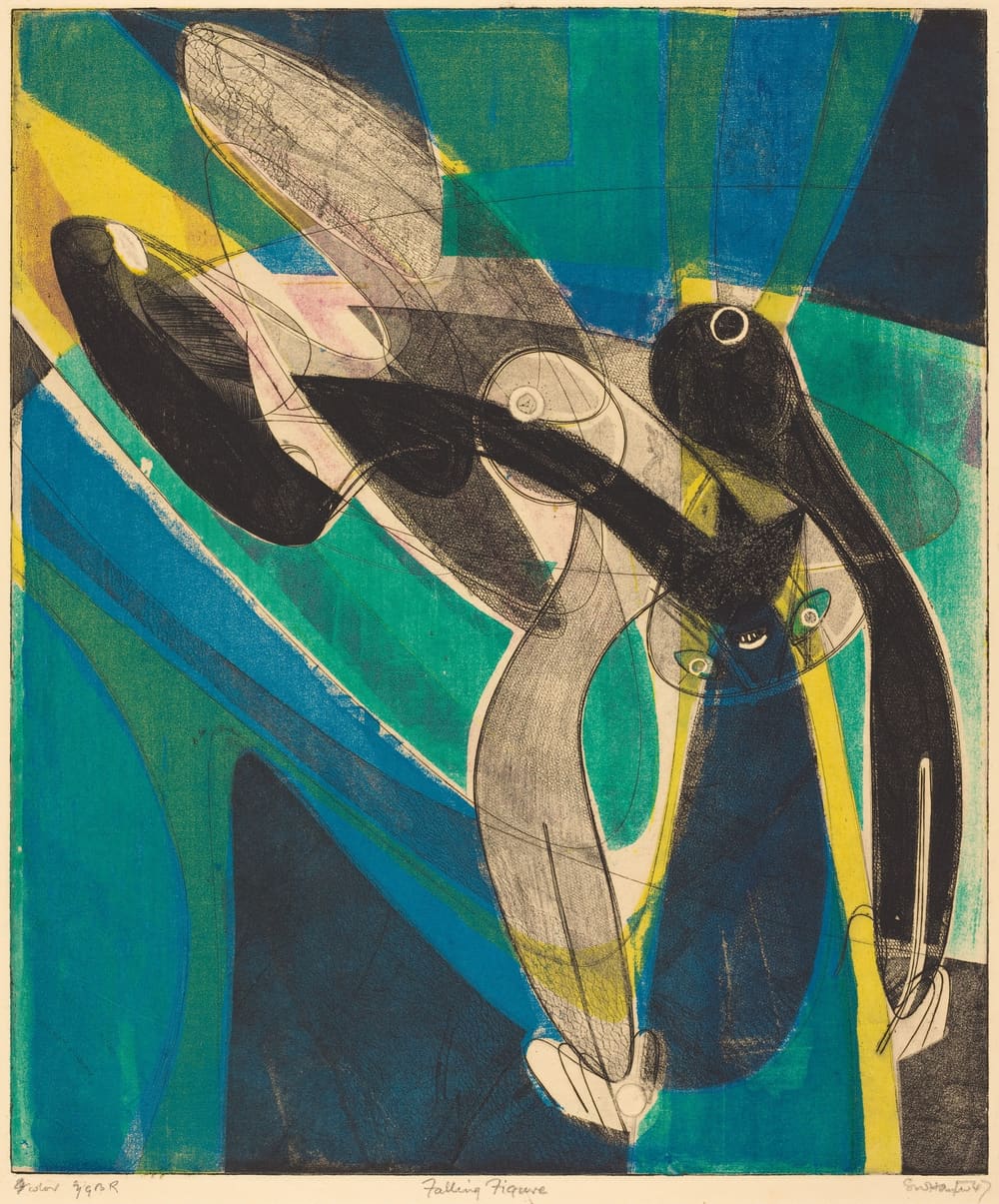
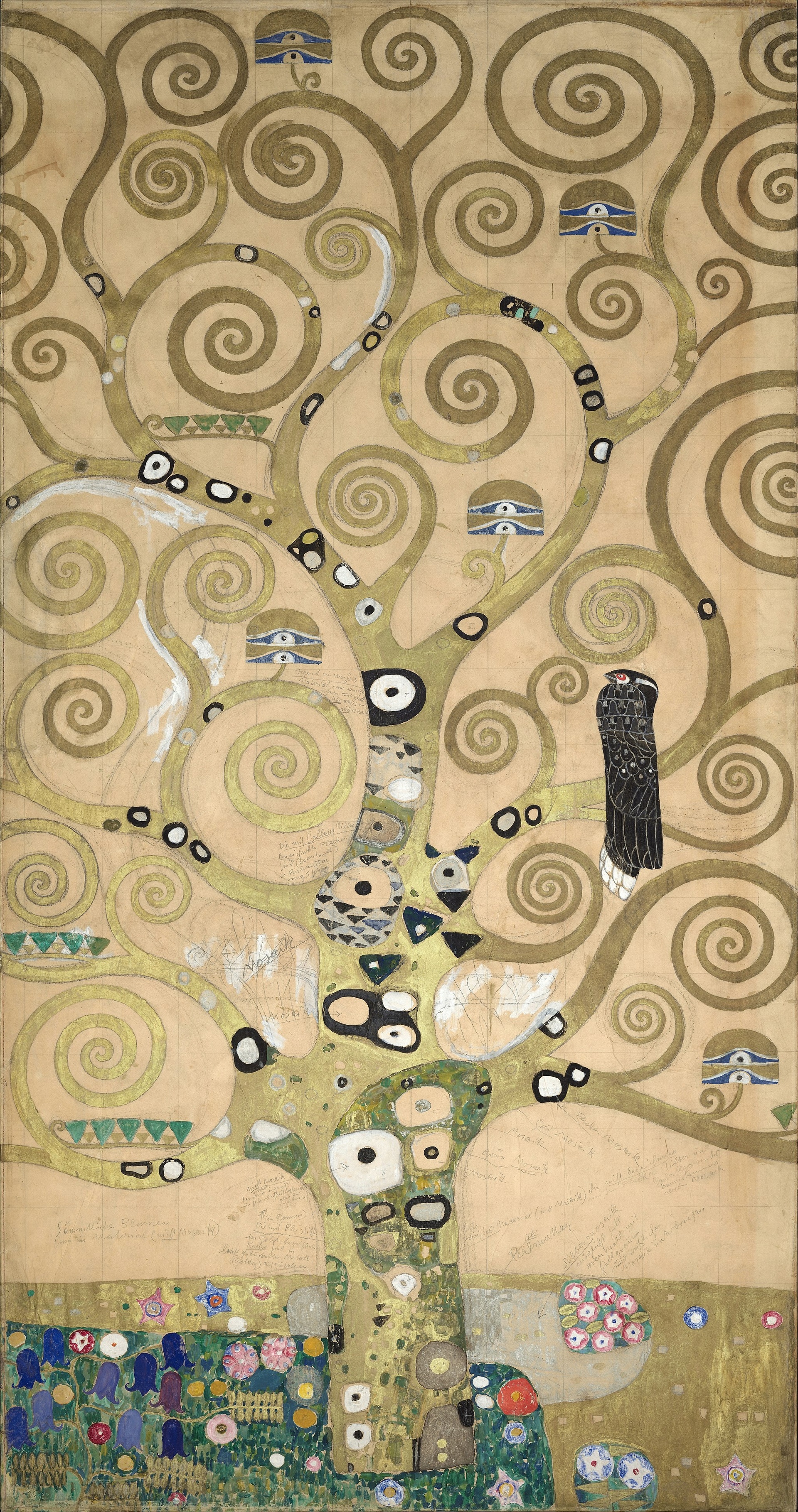
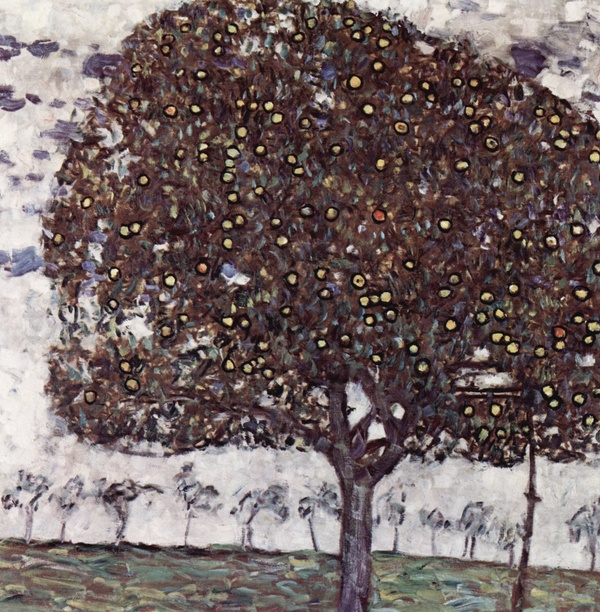
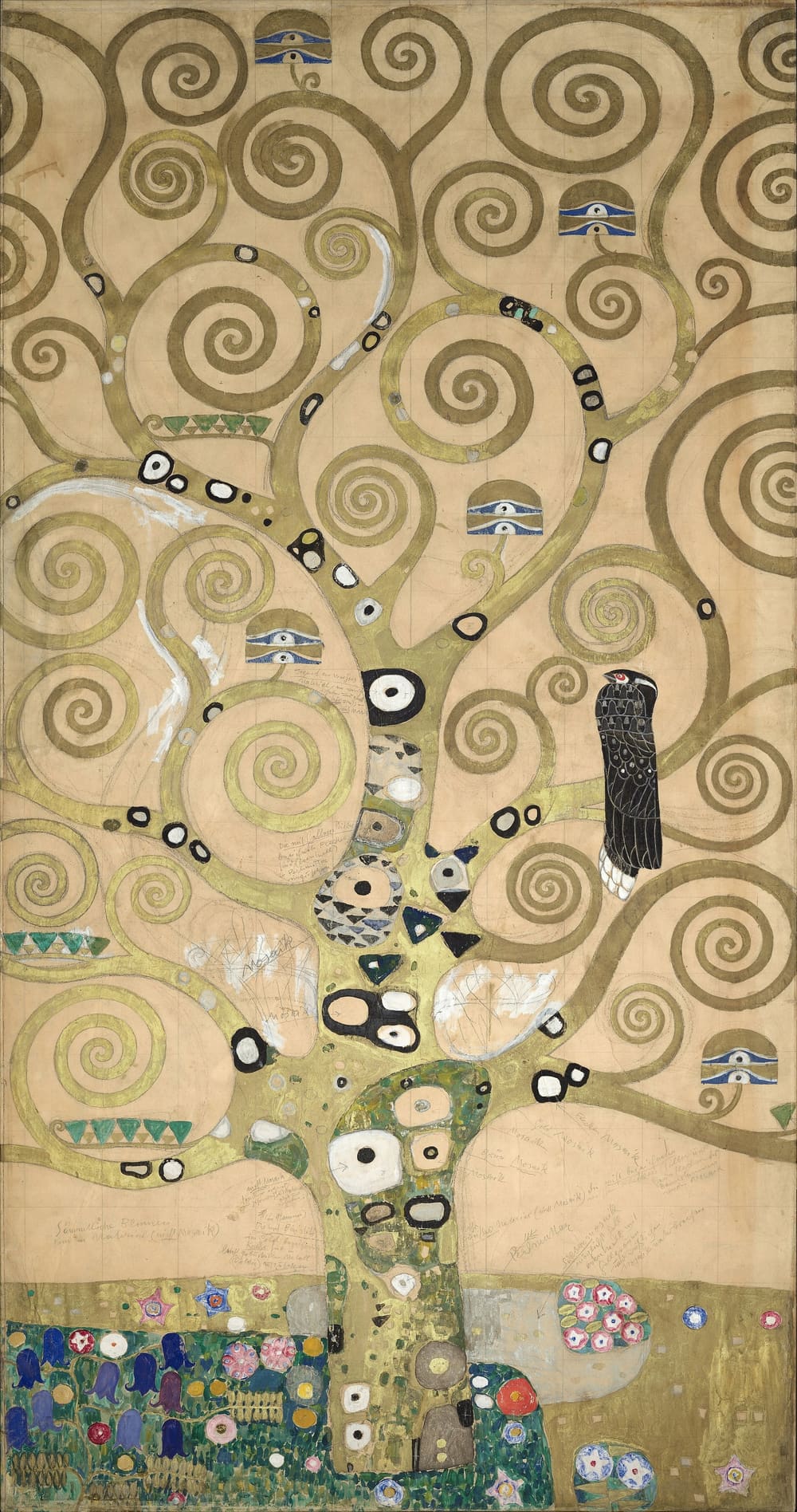
Symbolism elevates this lattice to the divine. Gustav Klimt’s Der Apfelbaum I (Apple Tree I) presents a mosaic of life, while his masterpieces L'Arbre de Vie (The Tree of Life, Stoclet Frieze) and The Tree of Life, Stoclet Frieze (L'Arbre de Vie) transform biology into a golden infinity. This beauty is shadowed by mortality; Hieronymus Bosch’s The Tree-Man warns of the fragile human form, mirrored in the stark Head of a Skeleton with a Burning Cigarette. The transition between spirit and flesh is captured in William Blake’s The Soul Hovering Over the Body [from Marriage of Heaven and Hell, plate 14] and the kinetic trauma of Stanley William Hayter’s Falling Figure.
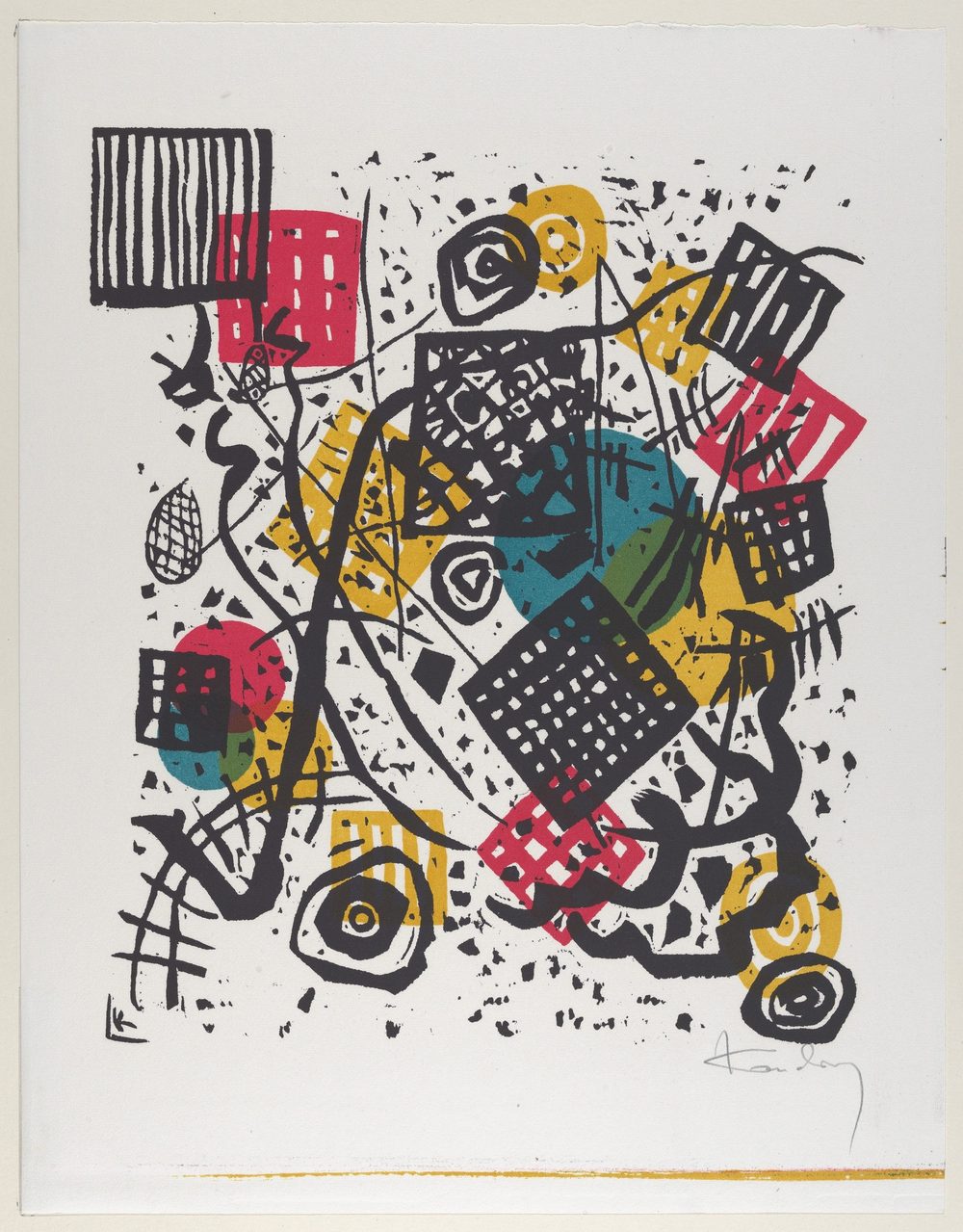
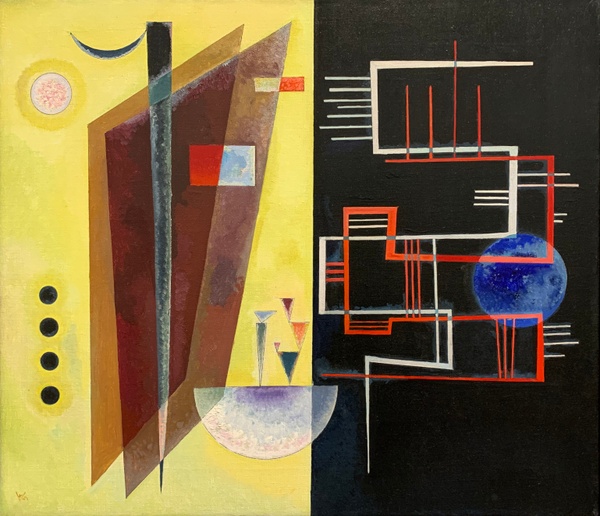
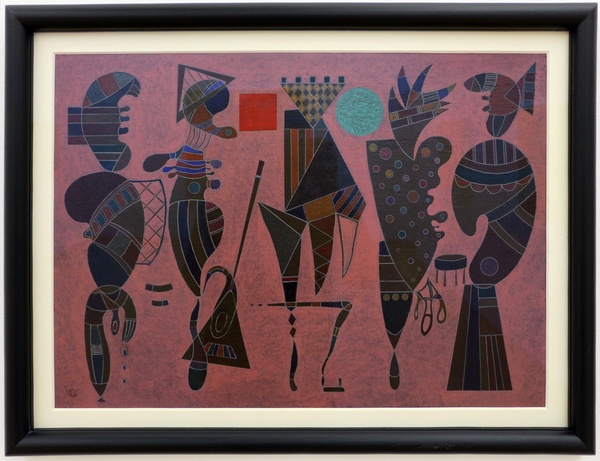
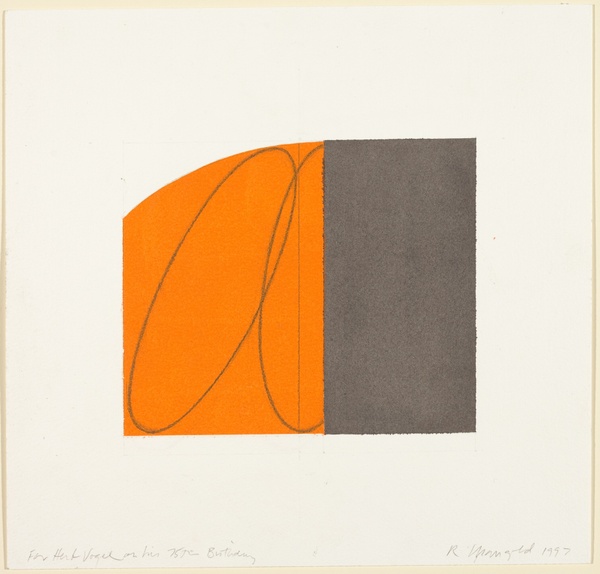
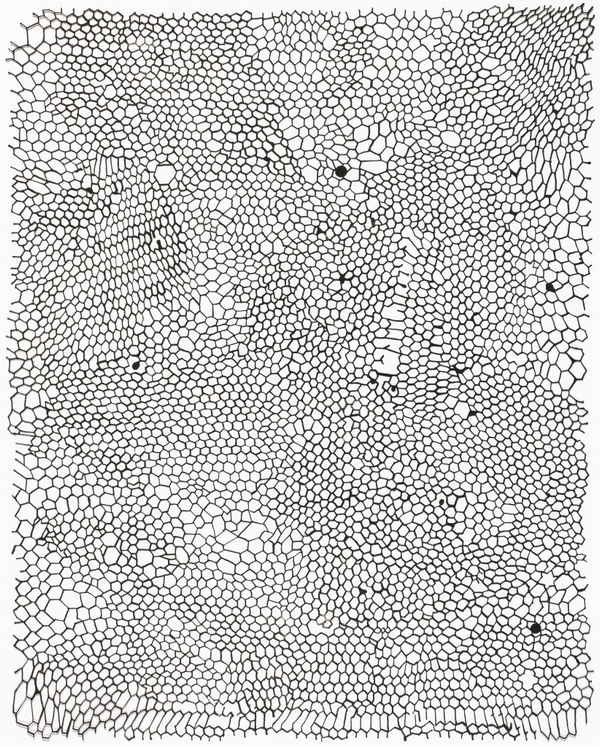
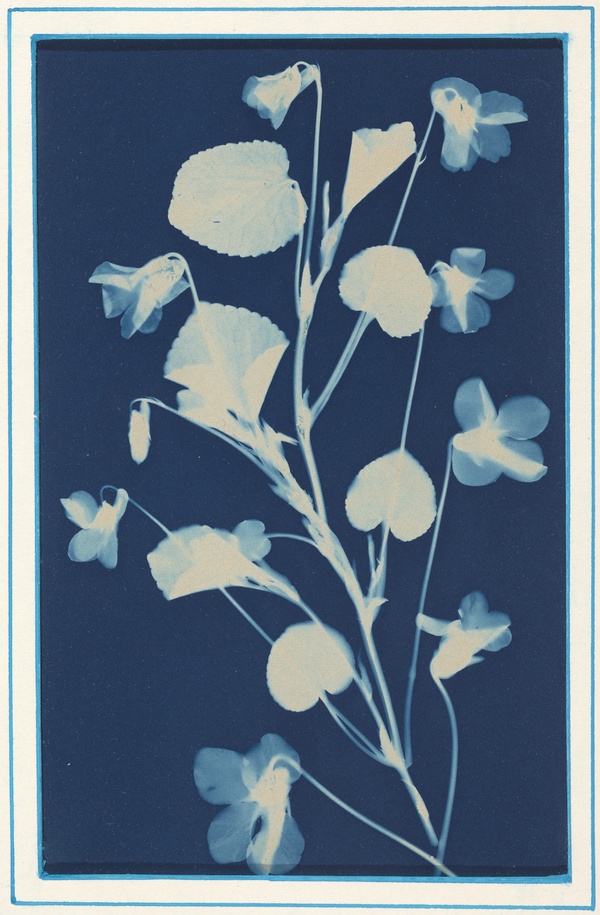
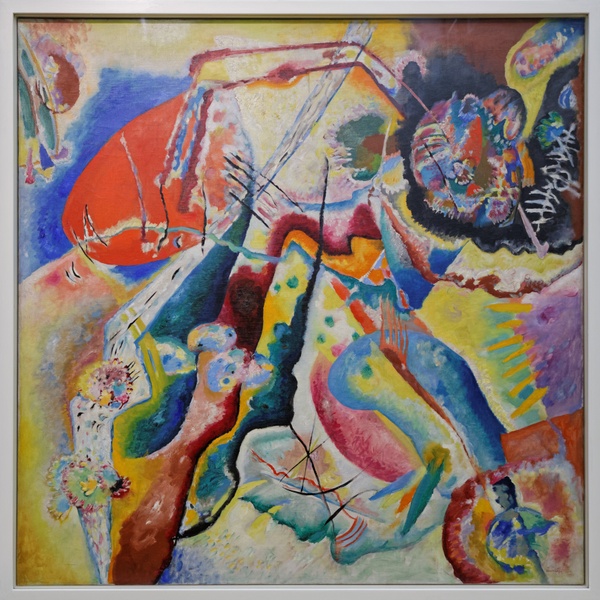
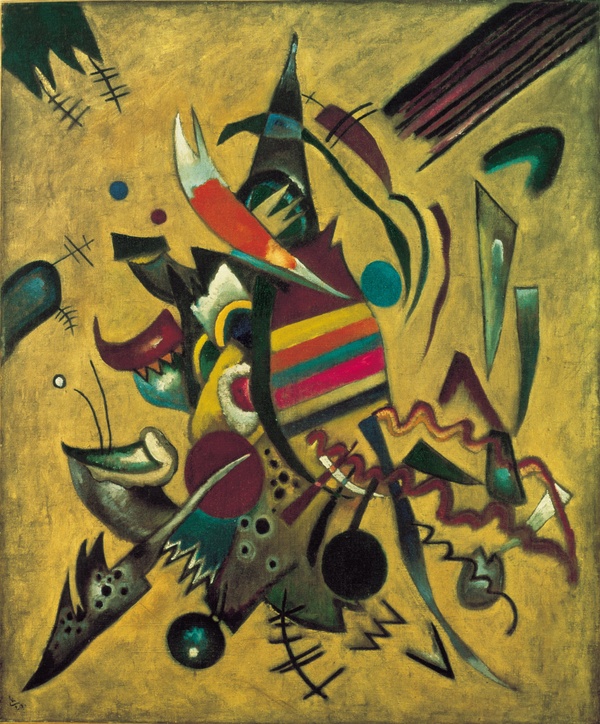
Finally, the lattice becomes a universal language. Wassily Kandinsky maps cosmic mycelium through the tension of Picture with a Black Arch and the energy of Points. In Kleine Welten V (Small Worlds V) and Inner Alliance, connections become vibrations, leading to the sophisticated balance of Complexité simple (Simple Complexity). This journey ends in the modern grid: Robert Mangold’s To Herb on His 75th Birthday, the metallic structure of Rachel Whiteread’s Untitled (Nets), and the hauntingly blue imprint of Bertha Evelyn Jaques’s Untitled cyanotype. Together, these works reveal the invisible threads binding the atom to the oak.
Artworks in this collection

30 artworks
Tree Roots - Vincent van Gogh (1890)
Premium

Tree Roots - Vincent van Gogh (1890)

Vincent van Gogh

Netherlands, 1890

A direct representation of the underground web, this work captures the intricate, pulsing energy of roots that mirror the mycelial network.

Study of Pine Trees and a Rock (recto) - Caspar David Friedrich (1812)

Study of Pine Trees and a Rock (recto) - Caspar David Friedrich (1812)

Caspar David Friedrich

Germany, 1812

A contemplative study of trees that emphasizes the vertical connections within a forest ecosystem.

Study of a Conifer Forest Interior - Caspar David Friedrich (date unknown)

Study of a Conifer Forest Interior - Caspar David Friedrich (date unknown)

Caspar David Friedrich

Germany

This study of a forest interior captures the atmospheric dampness and vertical density of an environment where mycelium thrives.

Study from the Interior of a Conifer Forest - Caspar David Friedrich (date unknown)

Study from the Interior of a Conifer Forest - Caspar David Friedrich (date unknown)

Caspar David Friedrich

Germany

A detailed look into the conifer forest, focusing on the ground level where the unseen web of the forest begins.

Forest - Piet Mondrian (1898-1899)

Forest - Piet Mondrian (1898-1899)

Piet Mondrian

Netherlands, 1898

A dense screen of trees that visually functions as an organic wall, hiding the intricate networks within.

Fontainebleau: Oak Trees at Bas-Bréau - Jean-Baptiste-Camille Corot (1832 or 1833)
Premium

Fontainebleau: Oak Trees at Bas-Bréau - Jean-Baptiste-Camille Corot (1832 or 1833)

Jean-Baptiste-Camille Corot

France, 1832

The focus on massive trunks and the forest floor highlights the symbiotic relationship between trees and the hidden life beneath them.

Study of a Tree in Bloom - J.M.W. Turner (date unknown)
Premium

Study of a Tree in Bloom - J.M.W. Turner (date unknown)

J.M.W. Turner

United Kingdom

The delicate, ghostly ivory blossoms and fine branching illustrate the fragility of organic growth.

Chrysanthemum - Piet Mondrian (1906)
Premium

Chrysanthemum - Piet Mondrian (1906)

Piet Mondrian

Netherlands, 1906

The stark, botanical precision of the lines suggests the delicate, radiating architecture of fungal gills.

Chrysanthemum - Piet Mondrian (1908)
Premium

Chrysanthemum - Piet Mondrian (1908)

Piet Mondrian

Netherlands, 1908

The radiating, linear detail of the flower petals mimics the geometric elegance found in the gills of a mushroom.

Avond (Evening): The Red Tree - Piet Mondrian (1908)
Premium

Avond (Evening): The Red Tree - Piet Mondrian (1908)

Piet Mondrian

Netherlands, 1908

The dramatic, reaching branches represent a pulsing architecture of life, rendered in atmospheric tones.

The Gray Tree - Piet Mondrian (1911)

The Gray Tree - Piet Mondrian (1911)

Piet Mondrian

Netherlands, 1911

Focused on the fibrous tension of branching, this version of the tree emphasizes the dense, interlocking nature of organic networks.

Gray Tree - Piet Mondrian (1911)
Premium

Gray Tree - Piet Mondrian (1911)

Piet Mondrian

Netherlands, 1911

A transition toward abstraction where the tree's architecture becomes a skeletal, monochromatic grid of branching fibers.

Flowering Apple Tree - Piet Mondrian (1912)
Premium

Flowering Apple Tree - Piet Mondrian (1912)

Piet Mondrian

Netherlands, 1912

The fragmentation of the tree into a network of lines captures the moment organic form dissolves into a complex lattice.

Composition in Oval with Color Planes 1 - Piet Mondrian (1914)
Premium

Composition in Oval with Color Planes 1 - Piet Mondrian (1914)

Piet Mondrian

Netherlands, 1914

An abstract lattice of interlocking lines and planes that represents the structural logic of a hidden system.

Study for a Composition - Piet Mondrian (c. 1935–1941)
Premium

Study for a Composition - Piet Mondrian (c. 1935–1941)

Piet Mondrian

Netherlands, 1940

An early geometric lattice that seeks the underlying order beneath the surface of natural forms.

Der Apfelbaum I (Apple Tree I) - Gustav Klimt (1912)
Premium

Der Apfelbaum I (Apple Tree I) - Gustav Klimt (1912)

Gustav Klimt

Austria, 1912

Art Nouveau patterns create an organic lattice that feels both decorative and deeply rooted in natural geometry.

L'Arbre de Vie (The Tree of Life, Stoclet Frieze) - Gustav Klimt (1905–1909)
Premium

L'Arbre de Vie (The Tree of Life, Stoclet Frieze) - Gustav Klimt (1905–1909)

Gustav Klimt

Austria, 1909

A further exploration of the 'Tree of Life' motif, emphasizing the golden, decorative persistence of branching life.

The Tree of Life, Stoclet Frieze (L'Arbre de Vie) - Gustav Klimt (1905–1909)
Premium

The Tree of Life, Stoclet Frieze (L'Arbre de Vie) - Gustav Klimt (1905–1909)

Gustav Klimt

Austria, 1909

The spiral branching and decorative complexity serve as a perfect metaphor for the organic growth and connectivity of a fungal lattice.

The Tree-Man - Hieronymus Bosch (c. 1500–1510)

The Tree-Man - Hieronymus Bosch (c. 1500–1510)

Hieronymus Bosch

Netherlands, 1500

A surreal hybrid of human and botanical forms that evokes the mysterious, fibrous nature of the fungal kingdom.

Head of a Skeleton with a Burning Cigarette - Vincent van Gogh (1886)

Head of a Skeleton with a Burning Cigarette - Vincent van Gogh (1886)

Vincent van Gogh

Netherlands, 1886

The ghostly ivory tones of the skull against a dark background evoke the macabre, silent persistence of the deep woods.

The Soul Hovering Over the Body [from Marriage of Heaven and Hell, plate 14] - William Blake (1796)
Premium

The Soul Hovering Over the Body [from Marriage of Heaven and Hell, plate 14] - William Blake (1796)

William Blake

England, 1796

The spectral glow and ethereal ivory tones capture the ghostly, unseen presence of life in the shadows.

Falling Figure - Stanley William Hayter (1947)
Premium

Falling Figure - Stanley William Hayter (1947)

Stanley William Hayter

United Kingdom, 1947

The web-like, linear abstraction creates a sense of tension and organic entanglement.

Picture with a Black Arch - Wassily Kandinsky (1912)
Premium

Picture with a Black Arch - Wassily Kandinsky (1912)

Wassily Kandinsky

Russia, 1912

A non-objective network of shapes and arches that mirrors the chaotic but structured nature of a mycelial mat.

Points - Wassily Kandinsky (1920)
Premium

Points - Wassily Kandinsky (1920)

Wassily Kandinsky

Russia, 1920

Abstract nodes and lines create a map of connectivity, suggesting a pulsing underground web of communication.

Kleine Welten V (Small Worlds V) - Wassily Kandinsky (1922)
Premium

Kleine Welten V (Small Worlds V) - Wassily Kandinsky (1922)

Wassily Kandinsky

Russia, 1922

The 'Small Worlds' series reflects the microcosmic connectivity and complexity of mycelial structures.

Inner Alliance - Wassily Kandinsky (1929)

Inner Alliance - Wassily Kandinsky (1929)

Wassily Kandinsky

Russia, 1929

Inner connectivity is expressed through abstract symbols, suggesting a silent, spiritual symbiosis.

Complexité simple (Simple Complexity) - Wassily Kandinsky (1939)
Premium

Complexité simple (Simple Complexity) - Wassily Kandinsky (1939)

Wassily Kandinsky

Russia, 1939

Kandinsky's biomorphic and geometric abstraction perfectly illustrates the theme of systemic complexity within organic growth.

To Herb on His 75th Birthday - Robert Mangold (1997)
Premium

To Herb on His 75th Birthday - Robert Mangold (1997)

Robert Mangold

USA, 1997

Curved, abstract paths that suggest a pulsing, unseen movement through a systemic environment.

Untitled (Nets) - Rachel Whiteread (2002)
Premium

Untitled (Nets) - Rachel Whiteread (2002)

Rachel Whiteread

United Kingdom, 2002

This contemporary minimalist work visually echoes the physical structure of a lattice or a net, representing systemic connectivity.

Untitled - Bertha Evelyn Jaques (c. 1900)

Untitled - Bertha Evelyn Jaques (c. 1900)

Bertha Evelyn Jaques

USA, 1900

A detailed botanical study that highlights the intricate, often overlooked details of natural persistence.

Discover more curated collections

View all collections