
Curated Collections · 30 artworks · Created May 11, 2026

The Subterranean Pulse

A journey through obsidian shadows and the ancient resonance of the deep earth

Read it as a book

Download the set in 4K — or open it in the MP Art app to send straight to your Frame

The Subterranean Pulse

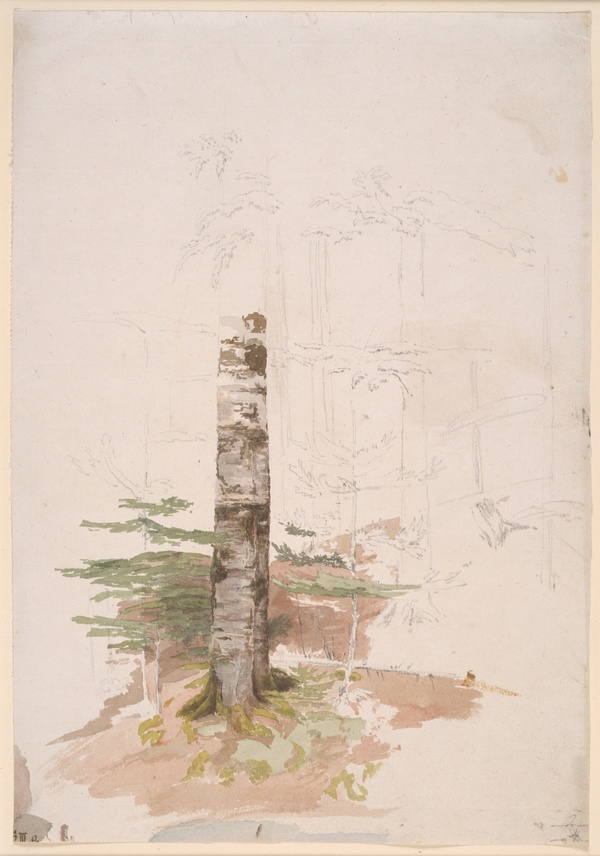
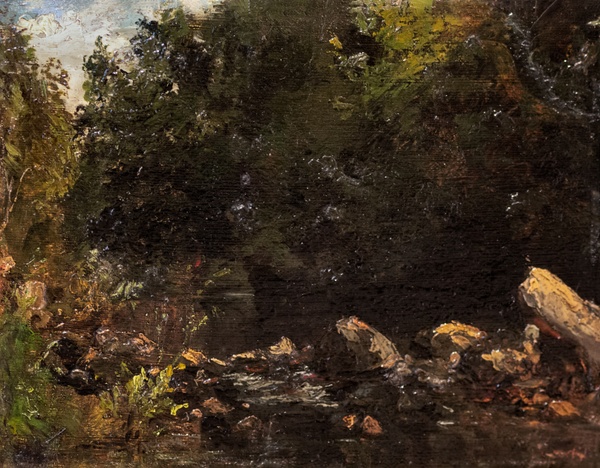
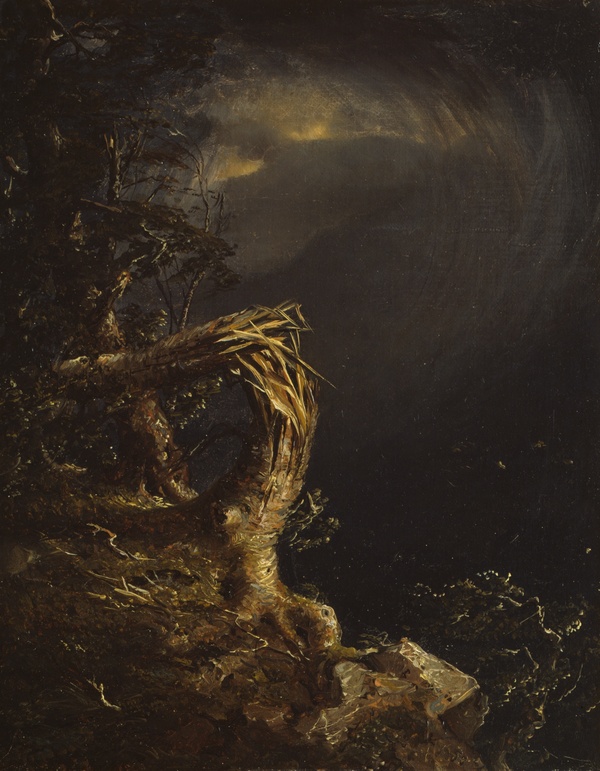
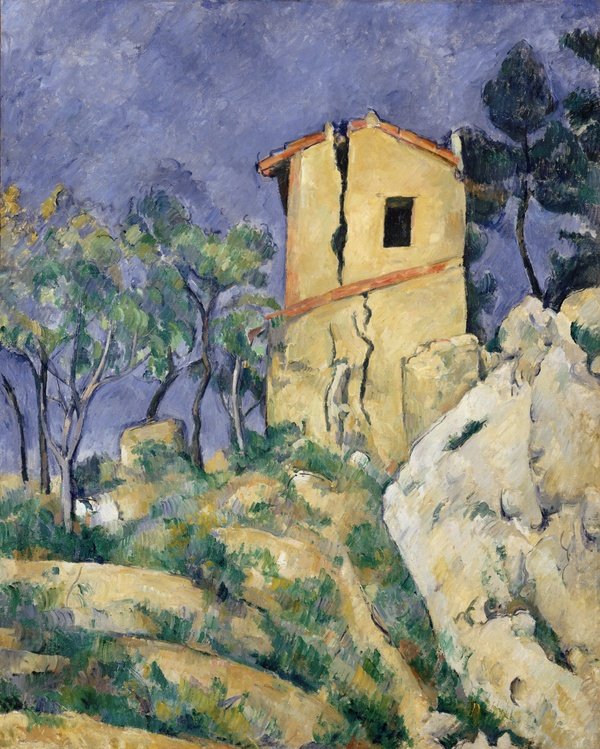
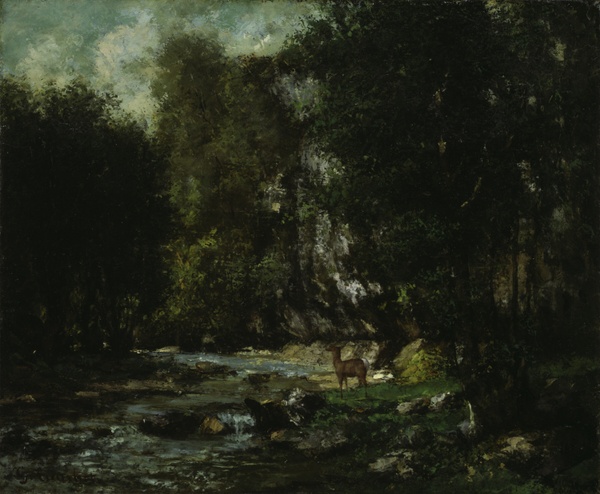
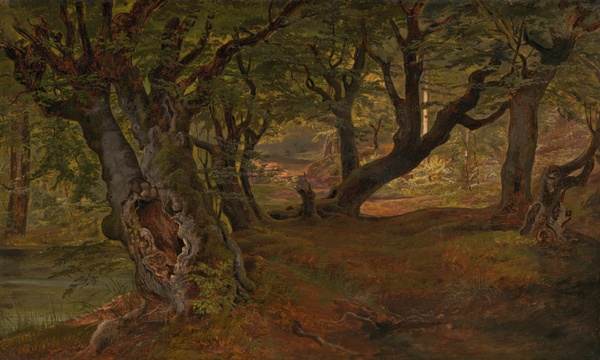
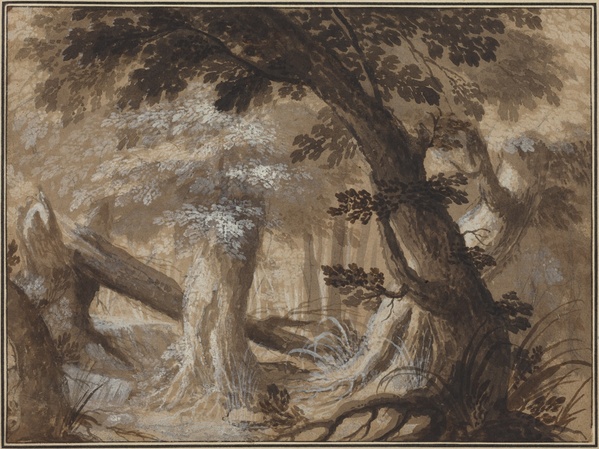
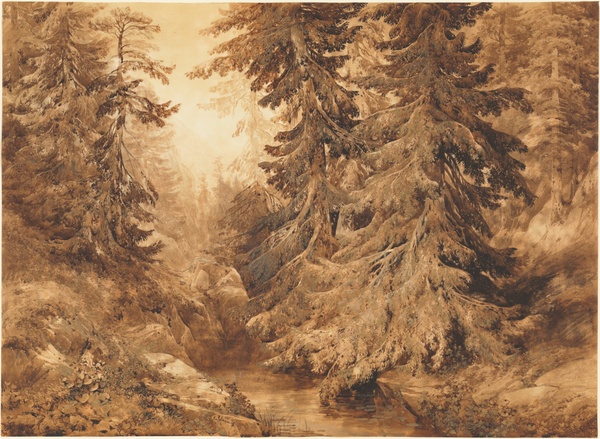
To understand the earth is to listen to the pulse beneath the stone. Our journey starts in the View of Bregentved Forest, Sjaeeland - Frederik Sødring (mid 1830s), where the light filters through ancient boughs. We walk through a Forest Interior - Flemish 17th Century (c. 1650), feeling the weight of the silence. A Study from the Interior of a Conifer Forest - Caspar David Friedrich (date unknown) reveals the rhythmic precision of nature, while La Forêt de Fontainebleau - Gustave Courbet (c. 1860s) speaks of hidden woodland paths. We encounter a Blasted Tree - Jasper Francis Cropsey (1850), a shattered monument, and The House with the Cracked Walls - Paul Cézanne (1892–1894), where the soil begins to claim man's work.
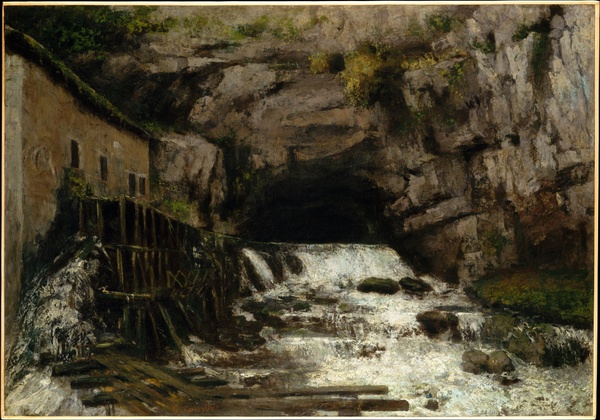
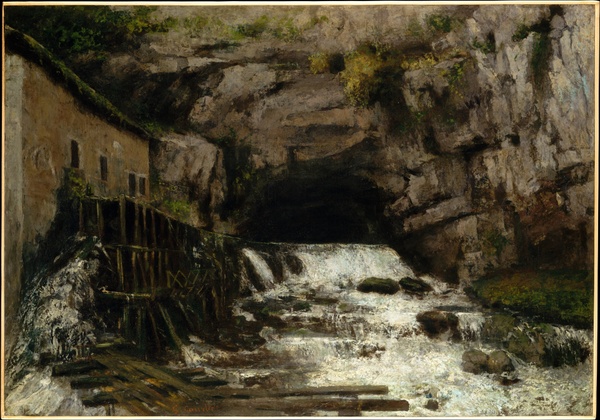
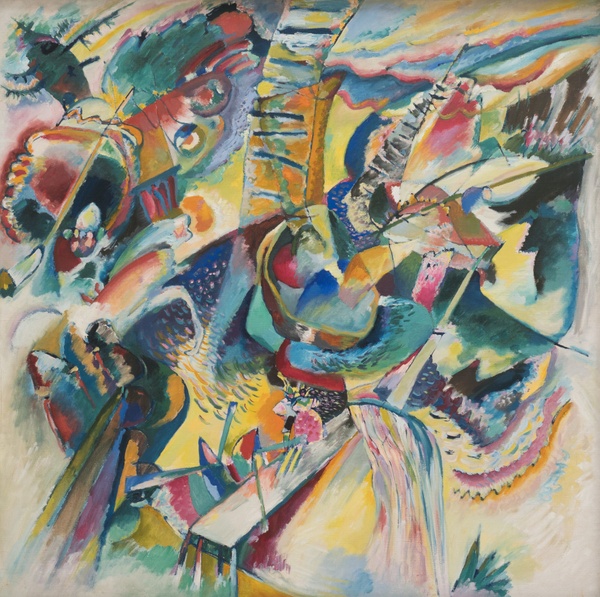
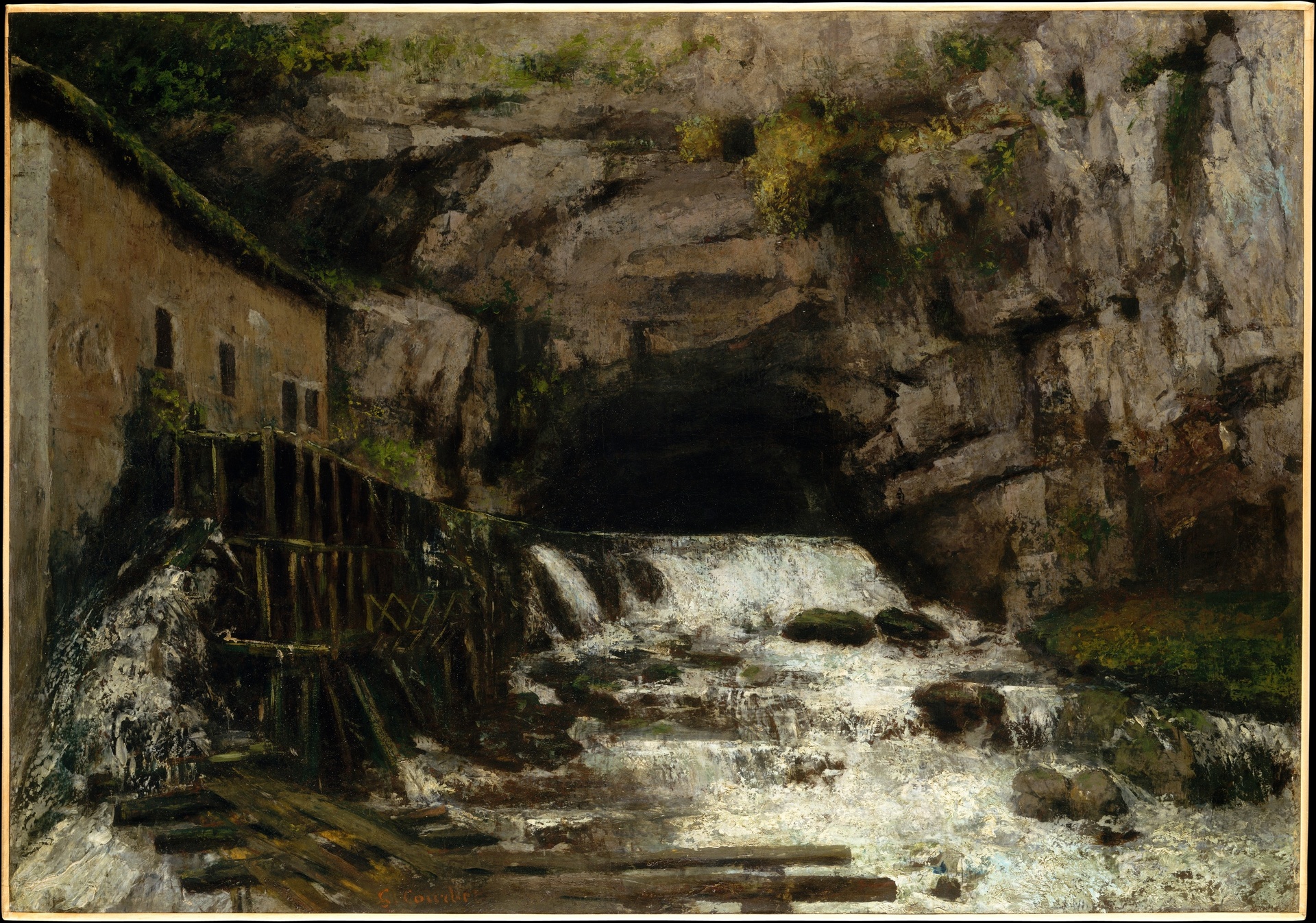
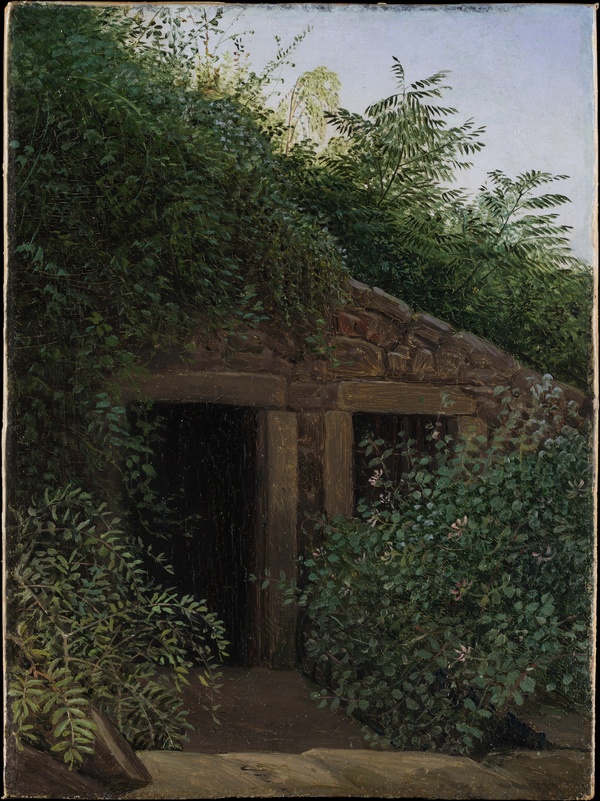
We follow An Ancient Pine Forest with a Mountain Stream - Alexandre Calame (1847) to a hidden threshold: An Overgrown Mineshaft - Carl Gustav Carus (c. 1824). This descent leads us into The Brook of Les Puits-Noir - Gustave Courbet (c. 1855). We are drawn toward the cavernous mouth of The Source of the Loue (La Grotte de la Loue) - Gustave Courbet (1863–1864) and its sister-vision, The Source of the Loue - Gustave Courbet (1864). Here, form breaks apart into the vibrant energy of Improvisation Gorge - Wassily Kandinsky (1914).
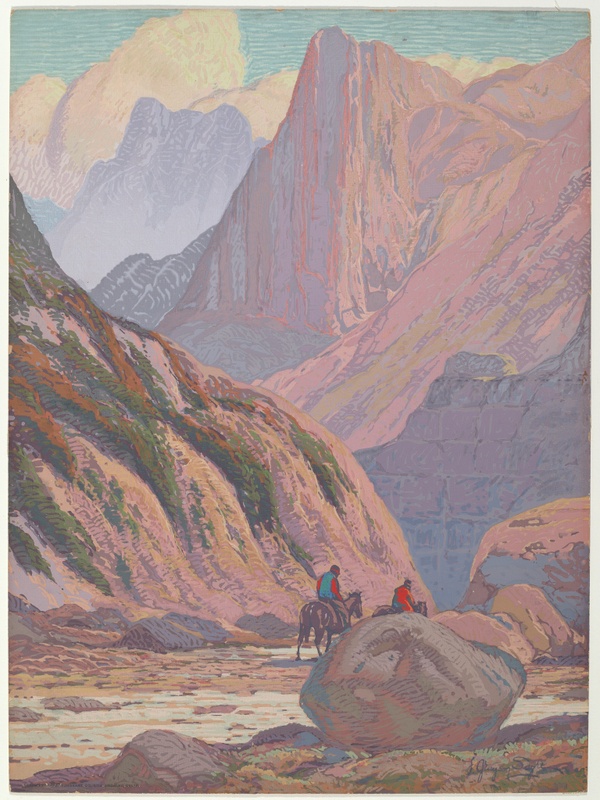
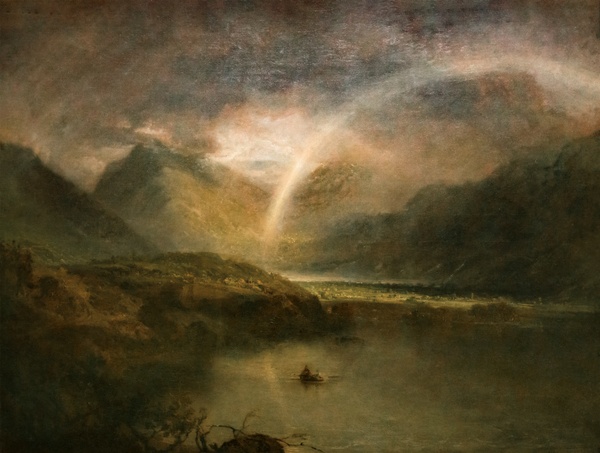
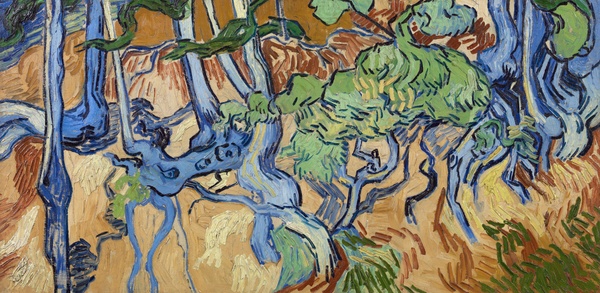
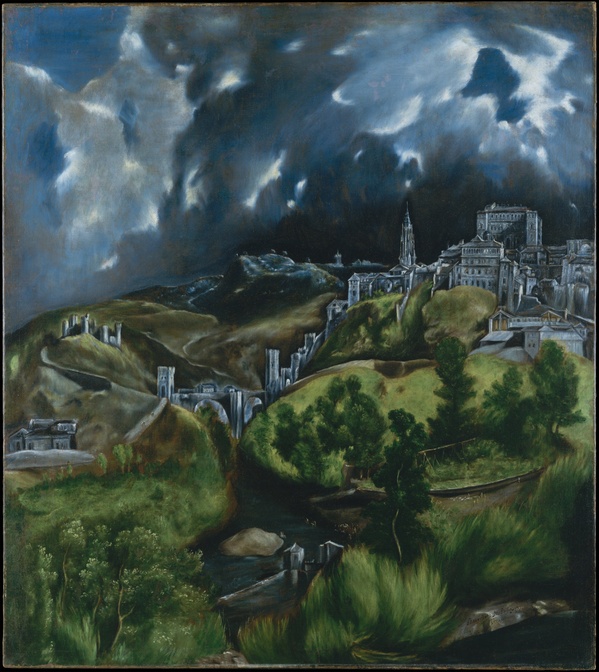
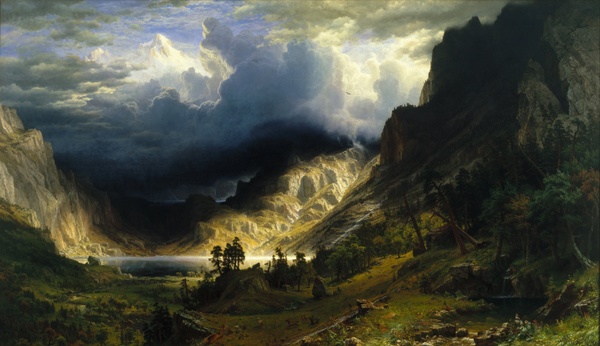
Above, the sky churns. View of Toledo - El Greco (c. 1598-1600) and A Storm in the Rocky Mountains, Mt. Rosalie - Albert Bierstadt (1866) show the surface world in turmoil. We seek passage through The Canyon Gateway, Arizona - Fred Grayson Sayre, leaving behind the luminous peace of Buttermere Lake, with Part of Cromackwater, Cumberland, a Shower - J.M.W. Turner (1798). Descending further, we witness the raw anatomy of life in Tree Roots - Vincent van Gogh (1890).
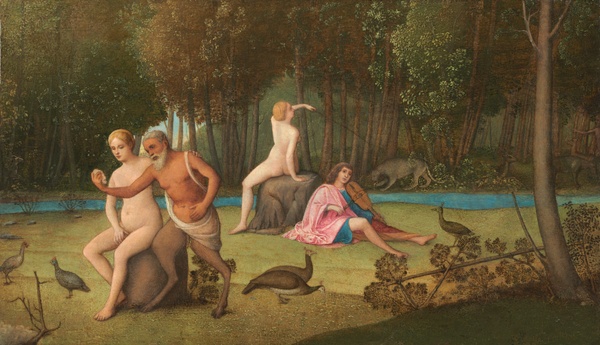
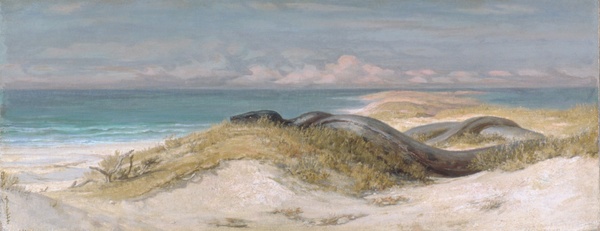
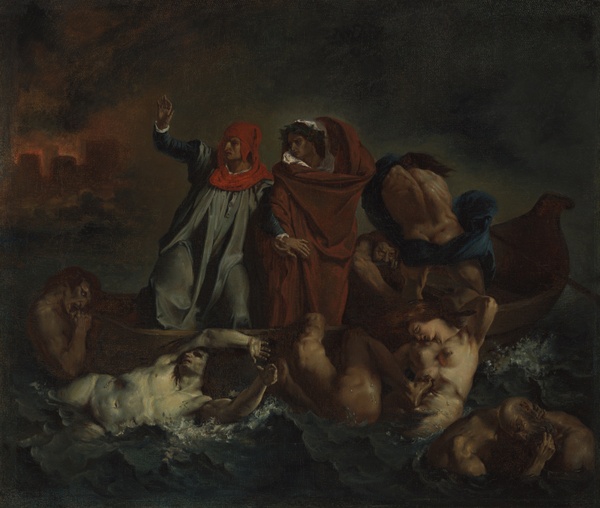
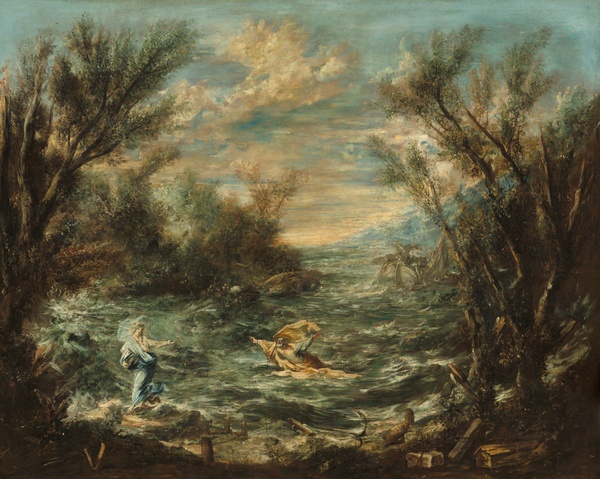
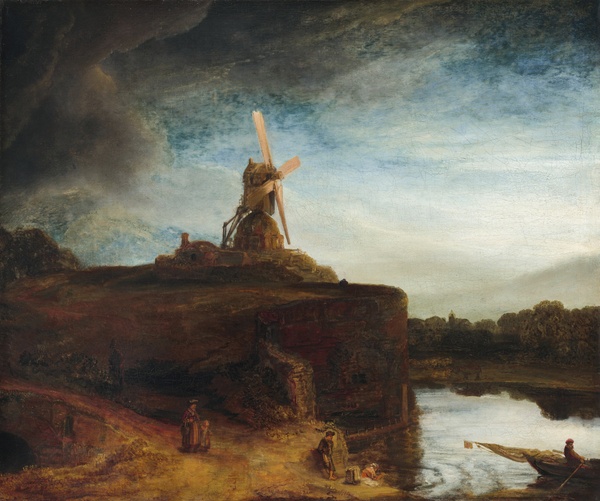
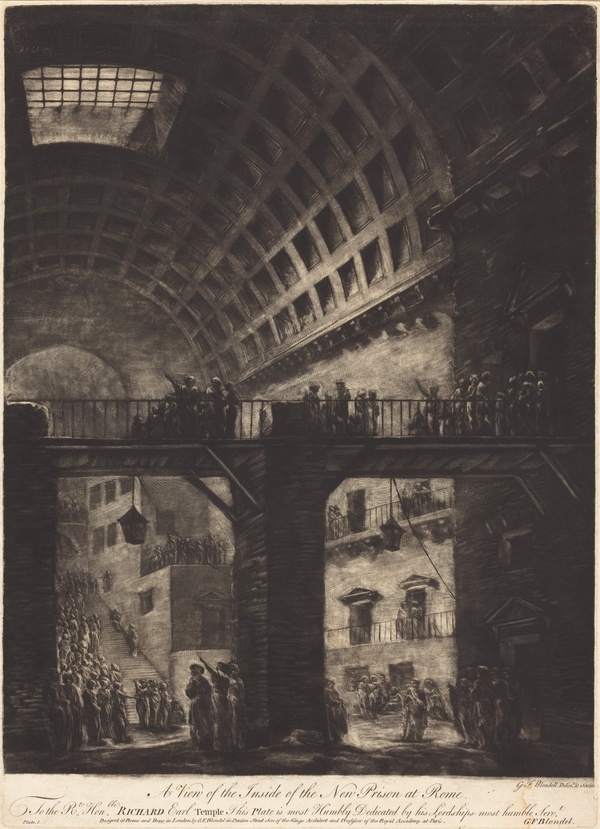
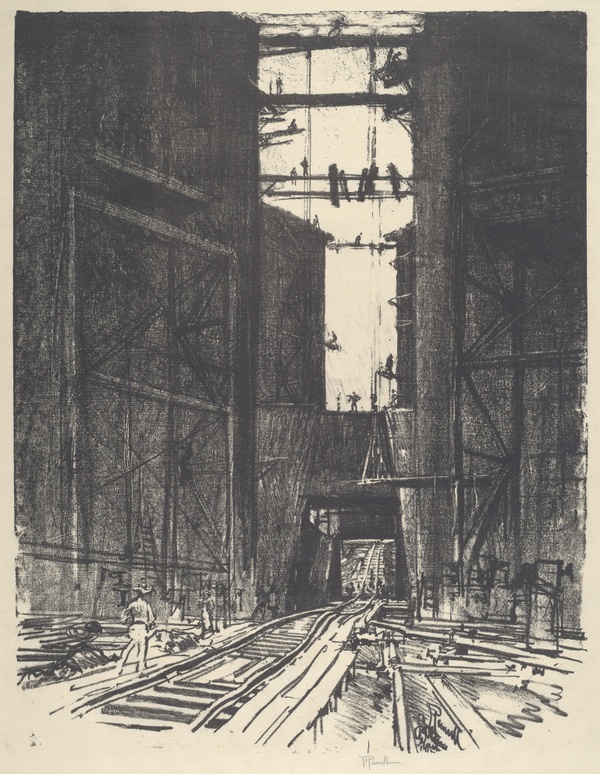
The underworld architecture looms. We see A View of the Inside of the New Prison at Rome - Georges François Blondel (1765) and feel the industrial depth At the Bottom of Gatun Lock - Joseph Pennell (1912). Myth takes hold as we see Orpheus - Venetian 16th Century (c. 1515) and the coiling menace of the Lair of the Sea Serpent - Elihu Vedder (1899). We board The Barque of Dante - Eugène Delacroix (1822), navigating the waves alongside Christ at the Sea of Galilee - Alessandro Magnasco (1740). On a distant shore, The Mill - Rembrandt van Rijn (1645–1648) stands as a silent watcher.
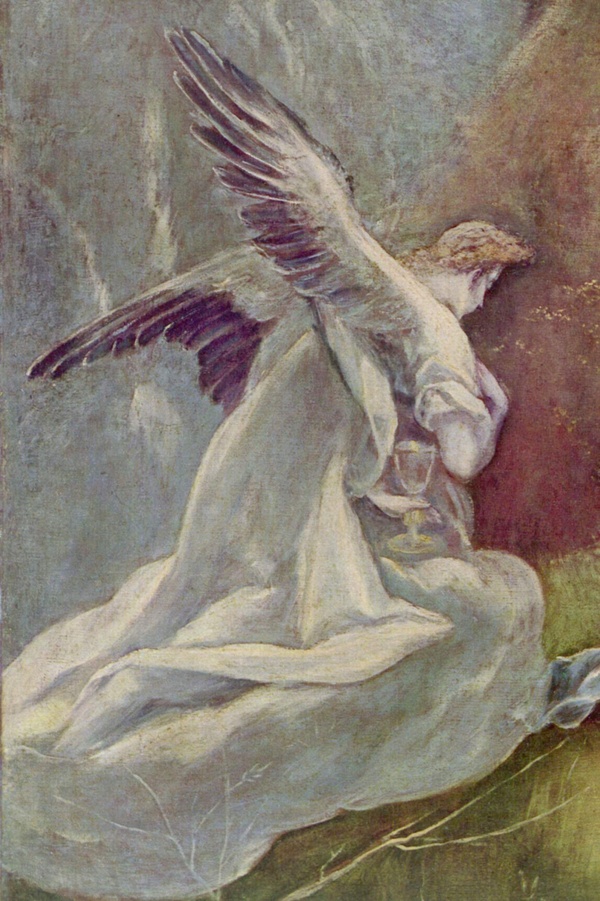
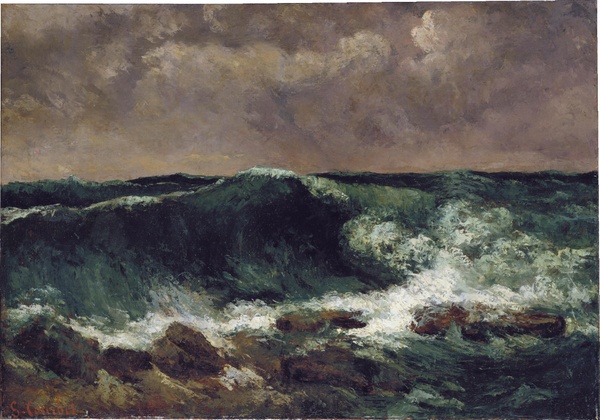
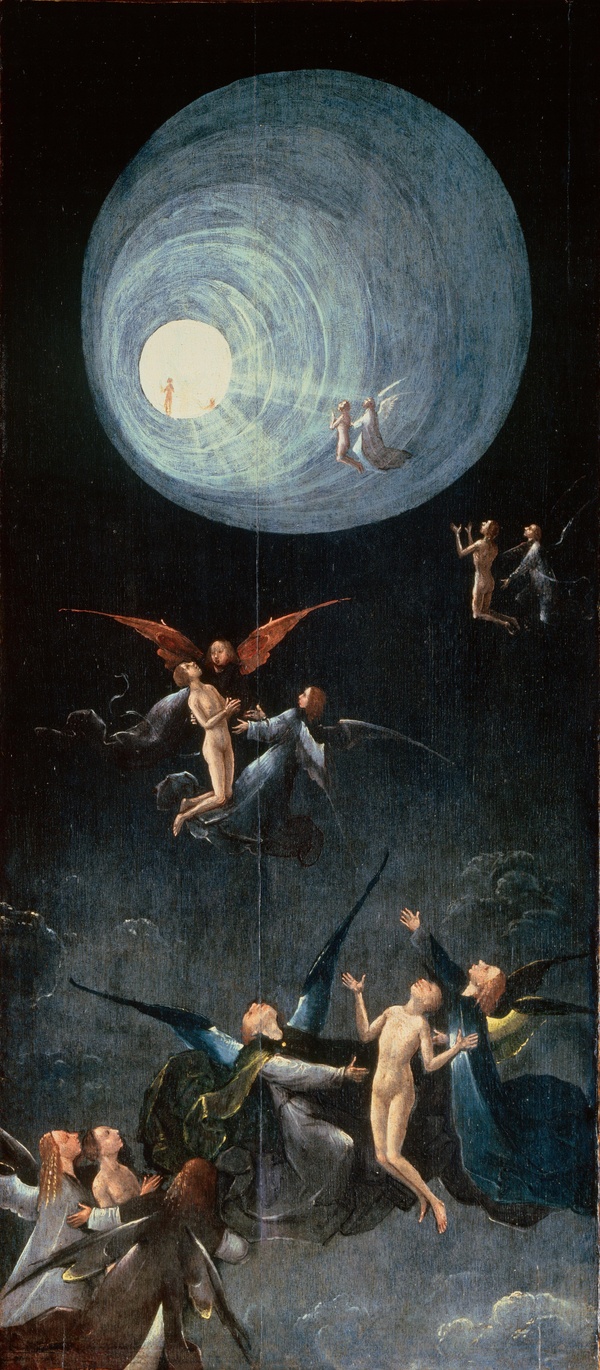
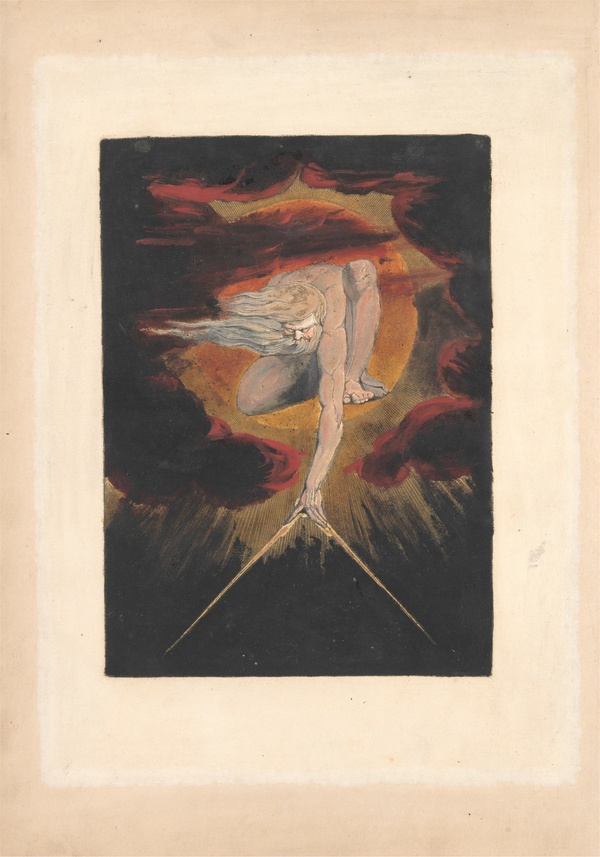
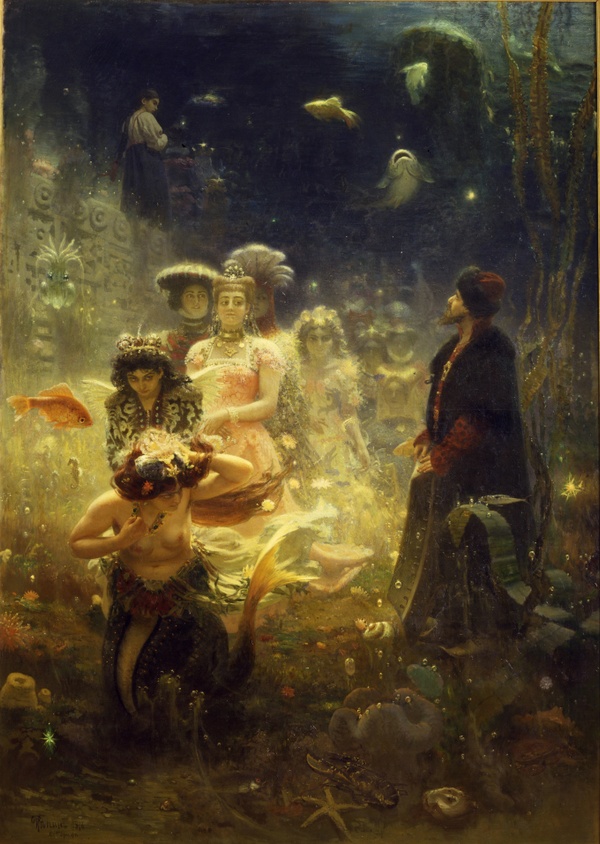
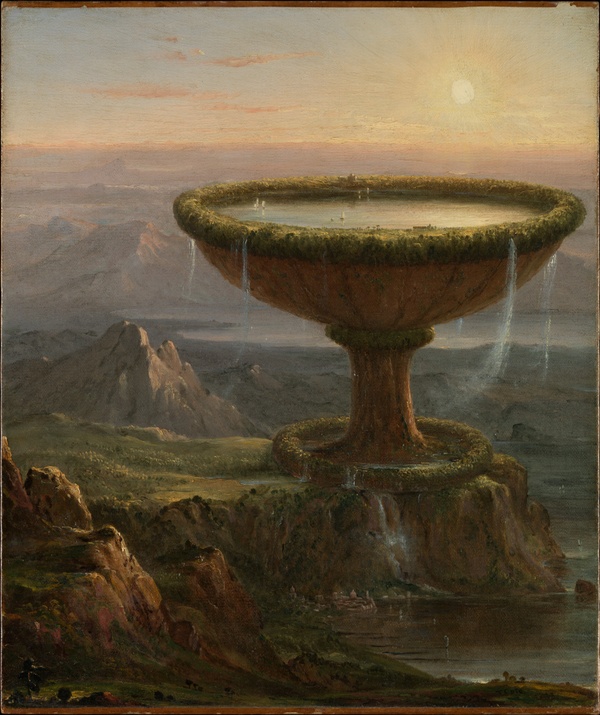
The journey plunges into the fantastic with Sadko in the Underwater Kingdom - Ilya Repin (1876). We find The Titan's Goblet - Thomas Cole (1833), a relic of giants. We share The Agony in the Garden of Gethsemane - El Greco (c. 1610) before the crushing force of The Wave (La Vague) - Gustave Courbet (1869–1870). Finally, the shadows part for the Ascent of the Blessed - Hieronymus Bosch (c. 1505-1515), leading to the primal source: Europe. A Prophecy, Plate 1, Frontispiece ("The Ancient of Days") - William Blake (1794).
Artworks in this collection

30 artworks
View of Bregentved Forest, Sjaeeland - Frederik Sødring (mid 1830s)
Premium

View of Bregentved Forest, Sjaeeland - Frederik Sødring (mid 1830s)

Frederik Sødring

Denmark, 1835

Focuses on the gnarled, tangled embrace of forest roots, revealing the hidden labor of the world beneath the soil.

Forest Interior - Flemish 17th Century (c. 1650)
Premium

Forest Interior - Flemish 17th Century (c. 1650)

Flemish 17th Century

Belgium, 1650

A dark, dense forest interior that emphasizes the weight of shadows and the ancient, rooted life of the landscape.

Study from the Interior of a Conifer Forest - Caspar David Friedrich (date unknown)

Study from the Interior of a Conifer Forest - Caspar David Friedrich (date unknown)

Caspar David Friedrich

Germany

The dense, tangled floor of a conifer forest showcases the ancestral roots and the damp, hidden life under the trees.

La Forêt de Fontainebleau - Gustave Courbet (c. 1860s)
Premium

La Forêt de Fontainebleau - Gustave Courbet (c. 1860s)

Gustave Courbet

France

The focus on damp, moss-covered rocks and the forest floor explores the texture of the earth and its silent resonance.

Blasted Tree - Jasper Francis Cropsey (1850)

Blasted Tree - Jasper Francis Cropsey (1850)

Jasper Francis Cropsey

United States, 1850

The blasted tree and its surroundings highlight the skeletal, mineral foundations of the landscape exposed by time.

The House with the Cracked Walls - Paul Cézanne (1892–1894)
Premium

The House with the Cracked Walls - Paul Cézanne (1892–1894)

Paul Cézanne

France, 1892

Cracked walls suggest the slow, crushing tectonic shifts that affect even the structures we build upon the earth's surface.

An Ancient Pine Forest with a Mountain Stream - Alexandre Calame (1847)
Premium

An Ancient Pine Forest with a Mountain Stream - Alexandre Calame (1847)

Alexandre Calame

Switzerland, 1847

The stream cutting through ancient pines and rocky terrain highlights the erosive pulse of water against the mineral earth.

An Overgrown Mineshaft - Carl Gustav Carus (c. 1824)
Premium

An Overgrown Mineshaft - Carl Gustav Carus (c. 1824)

Carl Gustav Carus

Germany, 1824

A literal depiction of an abandoned mineshaft, showing the intersection of human industry and the reclaiming mineral world.

The Brook of Les Puits-Noir - Gustave Courbet (c. 1855)
Premium

The Brook of Les Puits-Noir - Gustave Courbet (c. 1855)

Gustave Courbet

France, 1855

Focuses on a deep, dark ravine where obsidian shadows meet the coolness of damp, hidden stone.

The Source of the Loue (La Grotte de la Loue) - Gustave Courbet (1863–1864)

The Source of the Loue (La Grotte de la Loue) - Gustave Courbet (1863–1864)

Gustave Courbet

France, 1864

Another view of the Loue grotto, doubling down on the imagery of the earth's mouth and the secrets hidden within the stone.

The Source of the Loue - Gustave Courbet (1864)
Premium

The Source of the Loue - Gustave Courbet (1864)

Gustave Courbet

France, 1864

The dark, cavernous mouth of the grotto serves as a literal gateway to the subterranean world, evoking the mystery of depths hidden from the sun.

Improvisation Gorge - Wassily Kandinsky (1914)
Premium

Improvisation Gorge - Wassily Kandinsky (1914)

Wassily Kandinsky

Russia, 1914

The abstract interpretation of a gorge captures the humming, vibrating energy—the 'pulse'—inherent in the earth's deep fissures.

View of Toledo - El Greco (c. 1598-1600)
Premium

View of Toledo - El Greco (c. 1598-1600)

El Greco

Greece, 1599

The cityscape emerges from a dark, brooding landscape that feels forged from ore and dramatic geological upheaval.

A Storm in the Rocky Mountains, Mt. Rosalie - Albert Bierstadt (1866)
Premium

A Storm in the Rocky Mountains, Mt. Rosalie - Albert Bierstadt (1866)

Albert Bierstadt

USA, 1866

The massive, jagged rock formations suggest the crushing tectonic weight and the ancient, heavy presence of mountain roots.

The Canyon Gateway, Arizona - Fred Grayson Sayre
Premium

The Canyon Gateway, Arizona - Fred Grayson Sayre

Fred Grayson Sayre

USA

The towering canyon walls represent the architecture of the earth, highlighting the majesty of stone and mineral layers.

Buttermere Lake, with Part of Cromackwater, Cumberland, a Shower - J.M.W. Turner (1798)
Premium

Buttermere Lake, with Part of Cromackwater, Cumberland, a Shower - J.M.W. Turner (1798)

J.M.W. Turner

United Kingdom, 1798

The heavy, atmospheric light over deep mountain basins creates a mood that is both ancient and humming with secret life.

Tree Roots - Vincent van Gogh (1890)
Premium

Tree Roots - Vincent van Gogh (1890)

Vincent van Gogh

Netherlands, 1890

Directly captures the theme's interest in the tangled embrace of ancestral roots and the mysterious vitality beneath our feet.

A View of the Inside of the New Prison at Rome - Georges François Blondel (1765)
Premium

A View of the Inside of the New Prison at Rome - Georges François Blondel (1765)

Georges François Blondel

France, 1765

The subterranean-like architecture of the prison, with its heavy arches and obsidian shadows, evokes a crushing, windowless weight.

At the Bottom of Gatun Lock - Joseph Pennell (1912)
Premium

At the Bottom of Gatun Lock - Joseph Pennell (1912)

Joseph Pennell

USA, 1912

The immense scale and depth of the lock floor evoke the feeling of standing at the bottom of a crushing, lightless abyss.

Orpheus - Venetian 16th Century (c. 1515)
Premium

Orpheus - Venetian 16th Century (c. 1515)

Venetian 16th Century

Italy, 1515

Orpheus’s descent into the underworld aligns with the theme of journeying into the lightless abyss beneath our feet.

Lair of the Sea Serpent - Elihu Vedder (1899)

Lair of the Sea Serpent - Elihu Vedder (1899)

Elihu Vedder

USA, 1899

A creature hidden in the depths of the earth and sea embodies the mysterious vitality found in the lightless pulse of the deep.

The Barque of Dante - Eugène Delacroix (1822)
Premium

The Barque of Dante - Eugène Delacroix (1822)

Eugène Delacroix

France, 1822

Depicts a mythic descent into the underworld, perfectly capturing the heavy, ancient mood of a lightless abyss.

Christ at the Sea of Galilee - Alessandro Magnasco (1740)
Premium

Christ at the Sea of Galilee - Alessandro Magnasco (1740)

Alessandro Magnasco

Italy, 1740

The jagged, dark peaks rising from the water emphasize the sharp, mineral character of the deep landscape.

The Mill - Rembrandt van Rijn (1645–1648)
Premium

The Mill - Rembrandt van Rijn (1645–1648)

Rembrandt van Rijn

Netherlands, 1645

The mill is presented as a heavy, dark monument rooted deeply into the shadows of the earth.

Sadko in the Underwater Kingdom - Ilya Repin (1876)
Premium

Sadko in the Underwater Kingdom - Ilya Repin (1876)

Ilya Repin

Russia, 1876

The underwater kingdom is the aquatic equivalent of the subterranean abyss, filled with hidden life and obsidian shadows.

The Titan's Goblet - Thomas Cole (1833)
Premium

The Titan's Goblet - Thomas Cole (1833)

Thomas Cole

United Kingdom, 1833

A surreal geological formation that suggests the earth itself can hold and shape ancient, titanic elements.

The Agony in the Garden of Gethsemane - El Greco (c. 1610)
Premium

The Agony in the Garden of Gethsemane - El Greco (c. 1610)

El Greco

Greece, 1610

The sharp, angular geological formations appear almost like mineral veins or crystalline structures under a supernatural light.

The Wave (La Vague) - Gustave Courbet (1869–1870)

The Wave (La Vague) - Gustave Courbet (1869–1870)

Gustave Courbet

France, 1869

The weight of the water and its churning depth mirrors the crushing, lightless vitality of the subterranean world.

Ascent of the Blessed - Hieronymus Bosch (c. 1505-1515)
Premium

Ascent of the Blessed - Hieronymus Bosch (c. 1505-1515)

Hieronymus Bosch

Netherlands, 1505

The tunnel-like structure suggests a passage through the dark earth or a mineral void toward a mysterious destination.

Europe. A Prophecy, Plate 1, Frontispiece ("The Ancient of Days") - William Blake (1794)
Premium

Europe. A Prophecy, Plate 1, Frontispiece ("The Ancient of Days") - William Blake (1794)

William Blake

United Kingdom, 1794

This figure measuring the cosmos evokes a sense of tectonic power and the ancient architectural order found in the earth's mineral bones.

Discover more curated collections

View all collections