
Curated Collections · 30 artworks · Created June 29, 2026

The Thawing Silence

Crystalline transitions and the liquid pulse of a world waking from its frozen sleep

Read it as a book

Download the set in 4K — or open it in the MP Art app to send straight to your Frame

The Thawing Silence

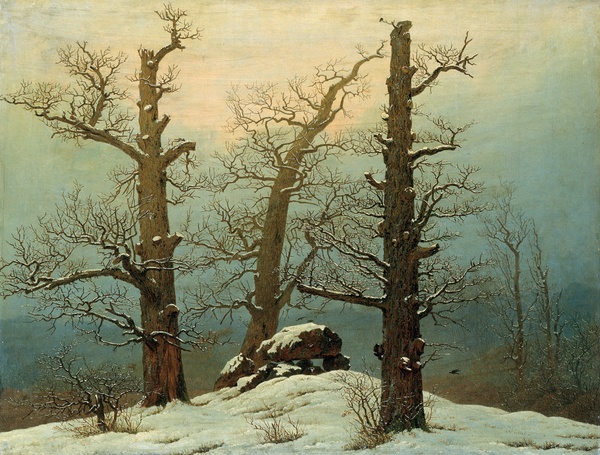
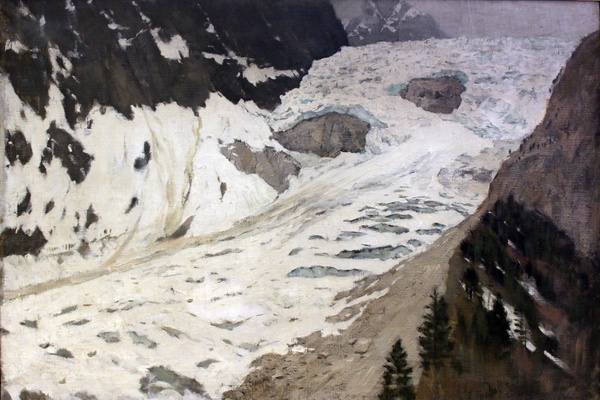
To enter the landscape of deep winter is to surrender to a heavy, airless hush. In The Snowstorm (Winter) - Francisco Goya (1786), humanity huddles against a relentless gale, while Winter Landscape - Susie M. Barstow (Unknown Date) captures a more serene, almost holy stillness of the American wilderness. This is the realm of the Cairn in Snow - Caspar David Friedrich (c. 1807), where ancient stones sleep under a melancholic shroud, and Alps. Snow - Isaac Levitan (1897) presents the peaks as distant, unreachable deities of ice.
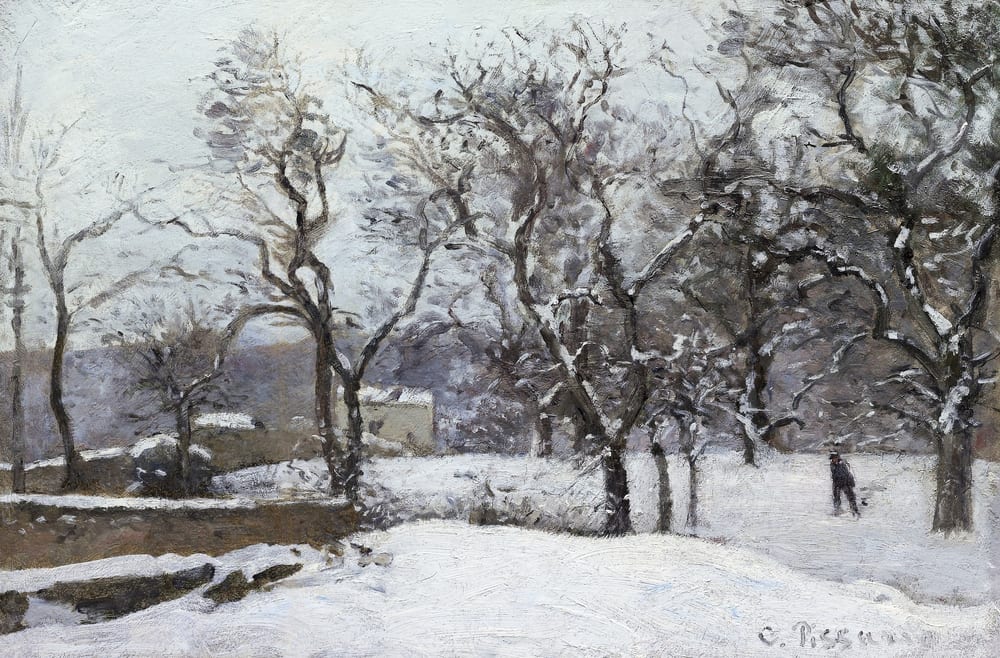
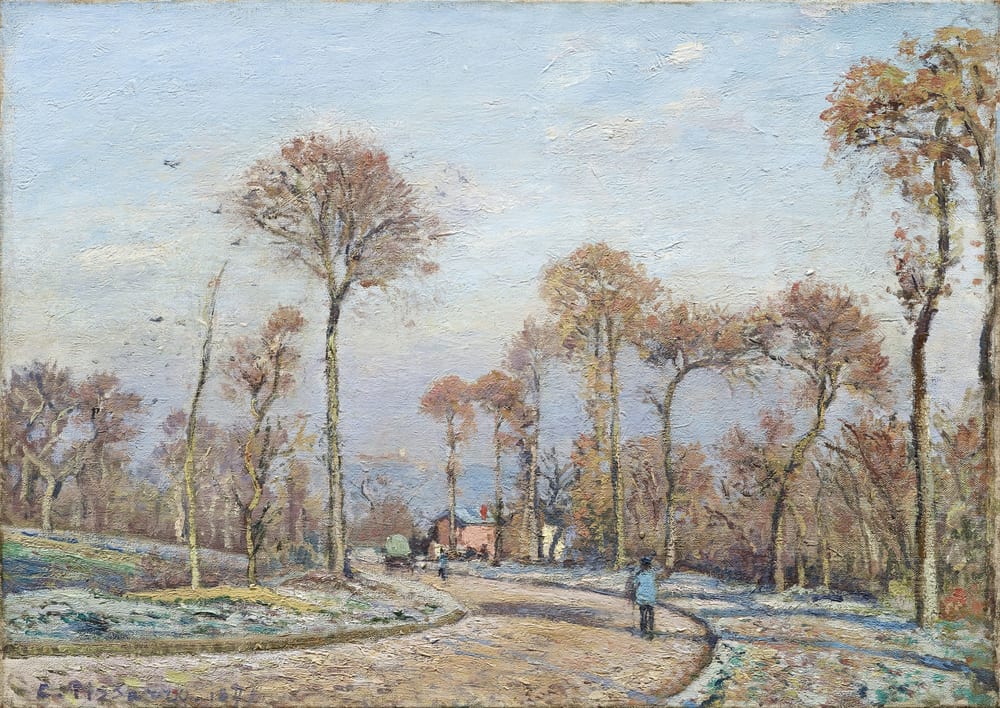
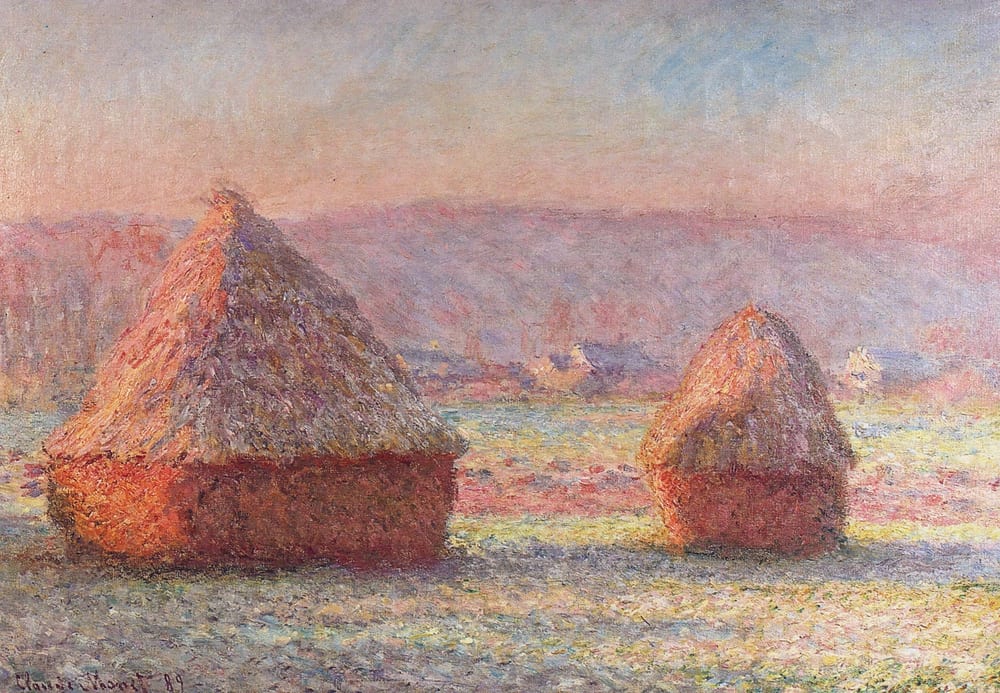
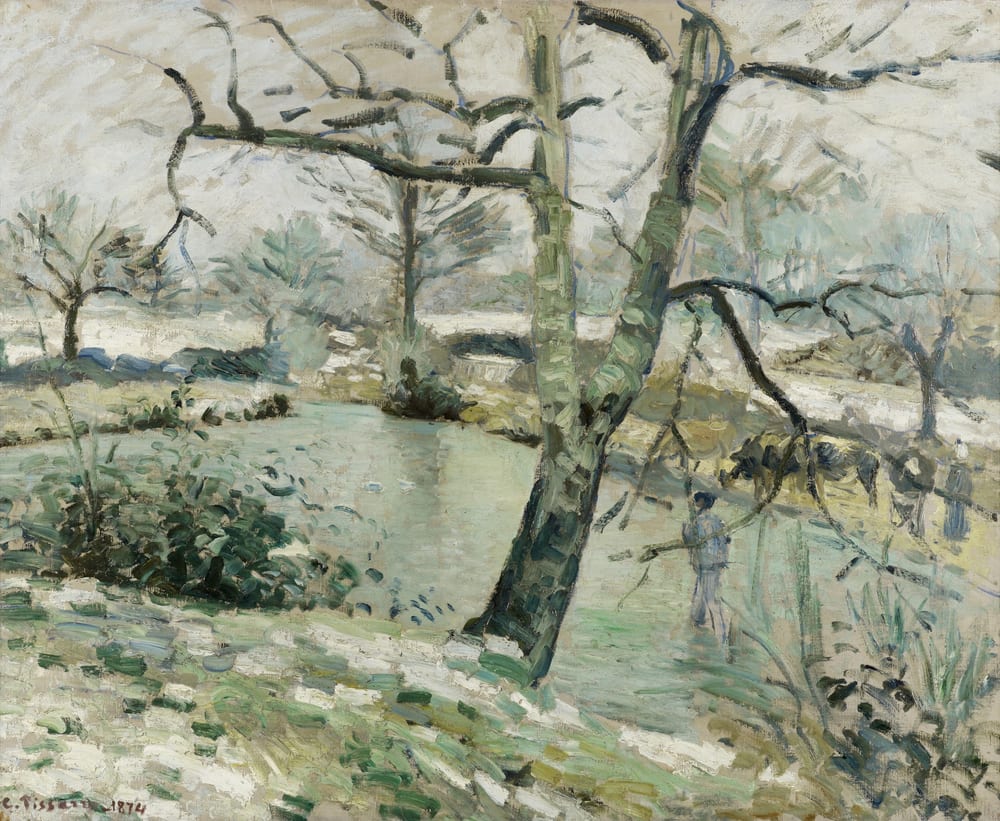
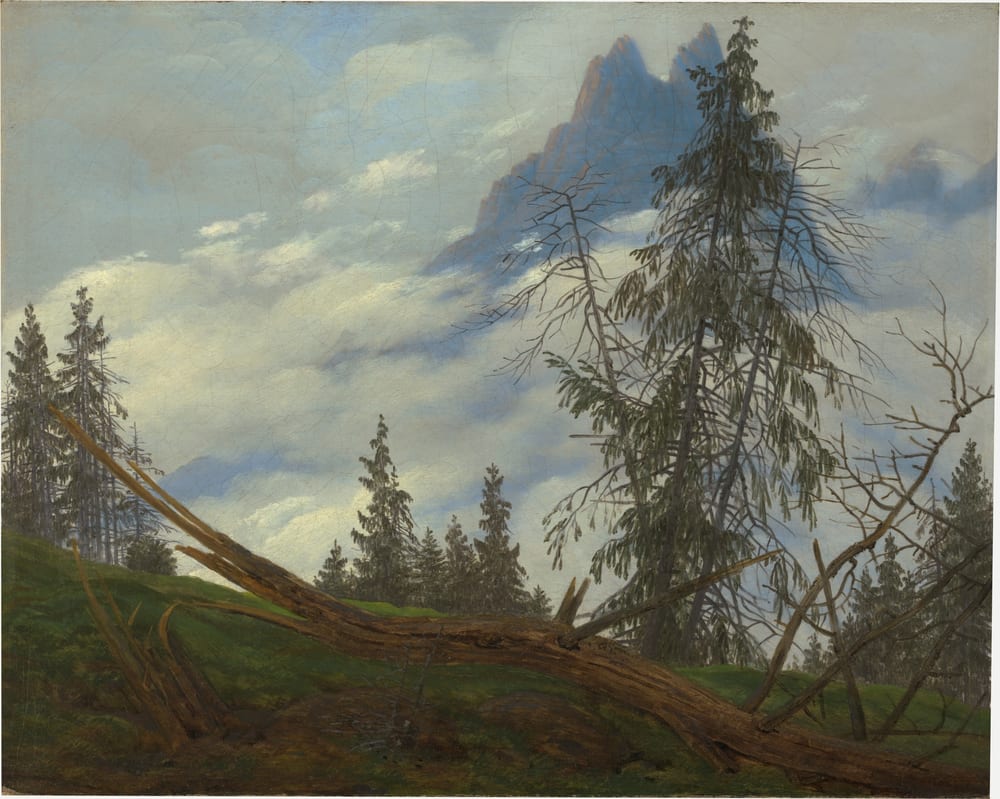
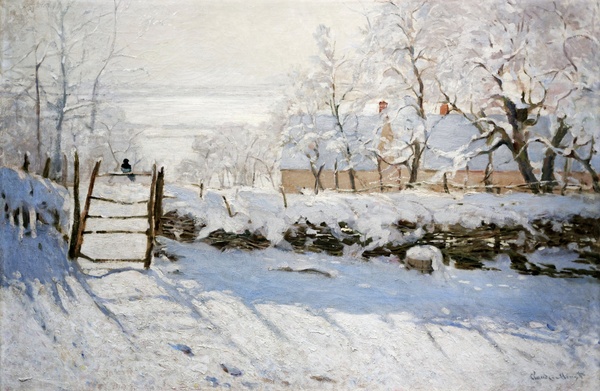
Yet, silence is never truly static. At the edge of the world, we find Mont Blanc and the Glacier des Bossons from above Chamonix, Dawn - J.M.W. Turner (1836), where the first light suggest a cosmic shift. This transition is felt in The Magpie - Claude Monet (1868–1869), where a solitary bird watches the snow-blanketed Normandy countryside. Soon, the biting cold of Snow at Louveciennes - Camille Pissarro (ca. 1870) and The Road to Versailles, Louveciennes: Morning Frost - Camille Pissarro (1871) gives way to the luminous warmth of White Frost, Sunrise - Claude Monet (c. 1890). Even the heavy ice of Montfoucault Pond, Winter Effect - Camille Pissarro (1874) begins to soften, and in Mountain Peak with Drifting Clouds - Caspar David Friedrich (1835), the sky itself begins to stir.
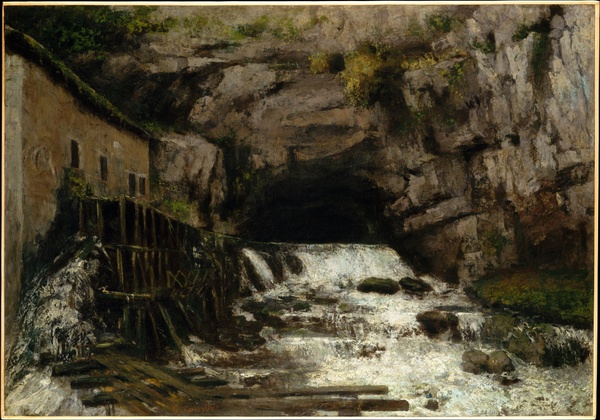
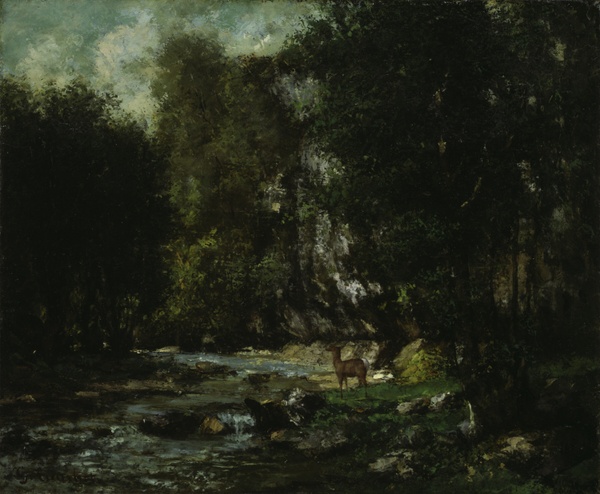
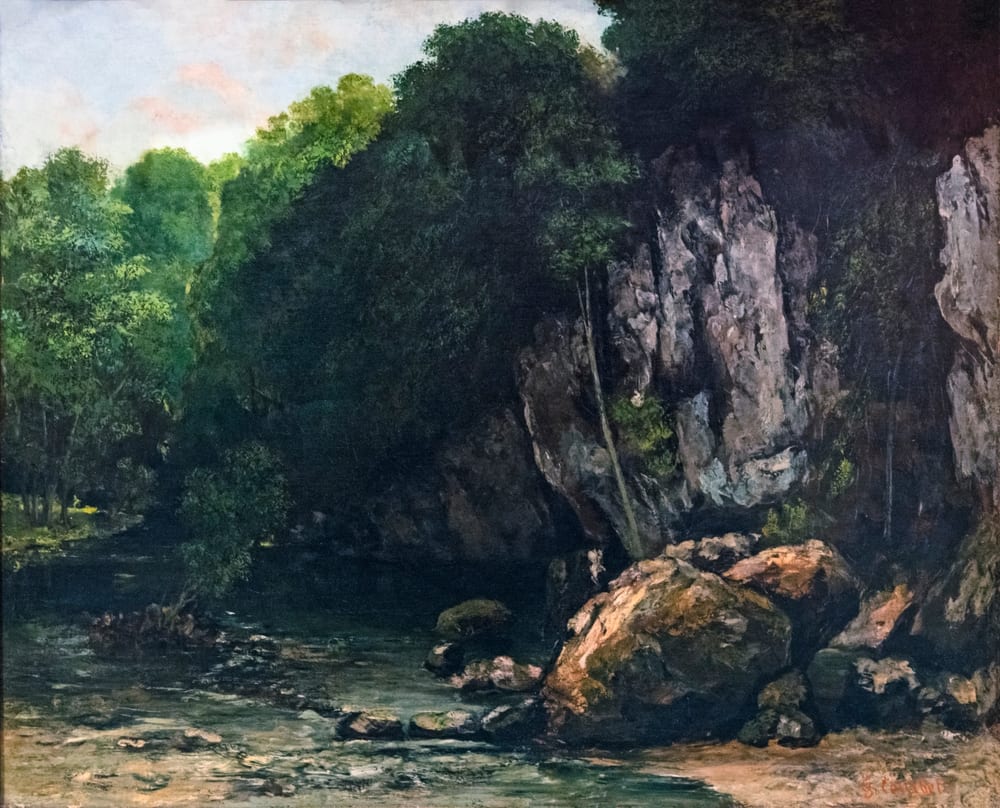
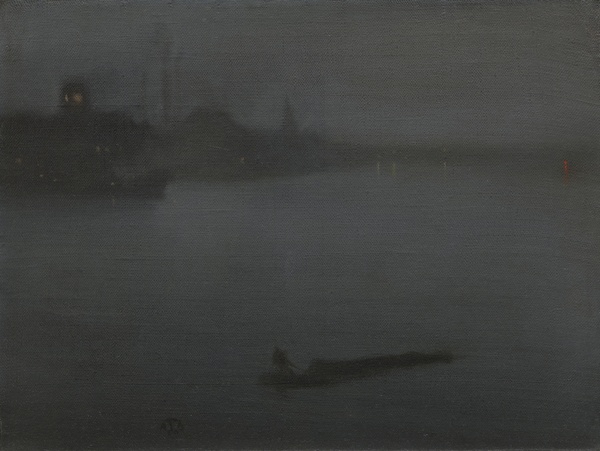
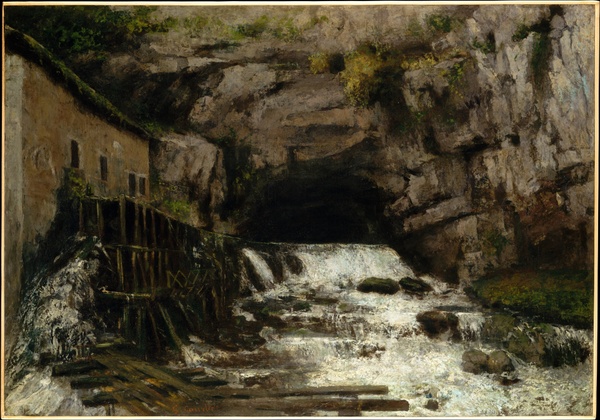
The thaw begins in the shadows of the earth. In the blue depths of Nocturne in Blue and Silver - James McNeill Whistler (1872), the ice thins. We hear the first drips in the dark recesses of The Source of the Loue - Gustave Courbet (1864) and The Source of the Loue (La Grotte de la Loue) - Gustave Courbet (1863–1864), where water erupts from the stone grotto. The pulse quickens through The Brook of Les Puits-Noir - Gustave Courbet (c. 1855) and winds through Le Ruisseau du Puits Noir (The Stream at the Black Well) - Gustave Courbet (1865), regaining its liquid freedom.
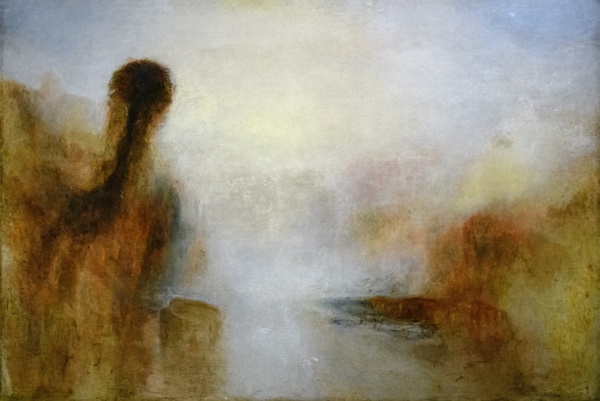
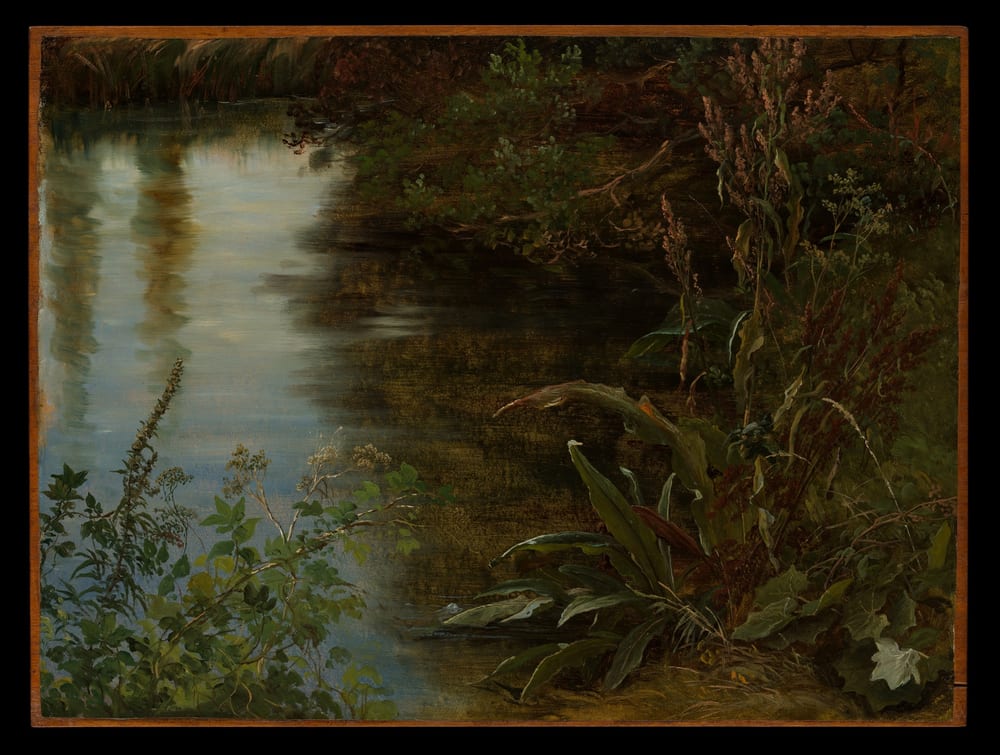
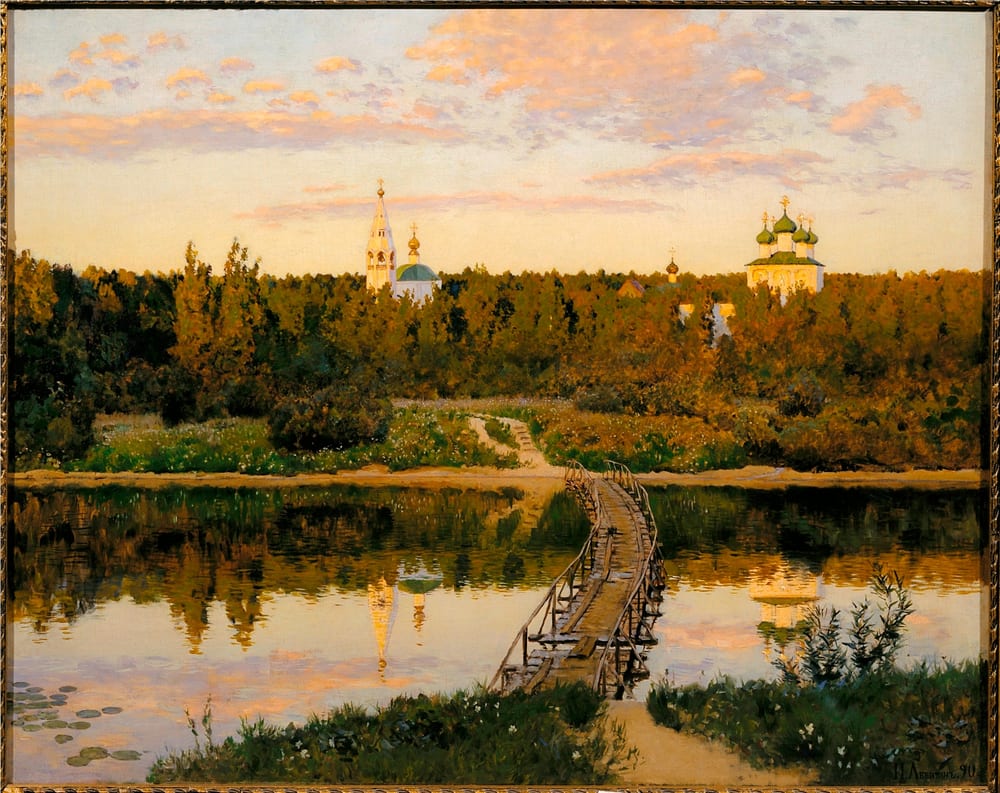
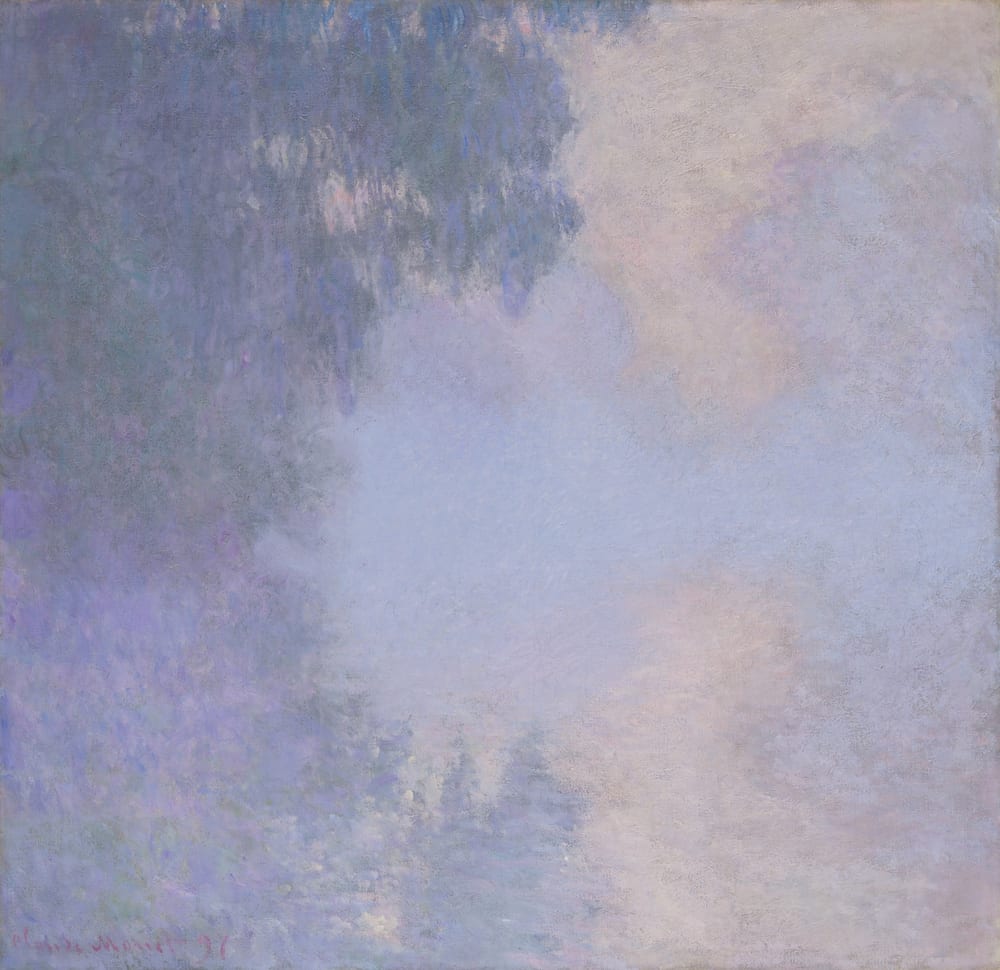
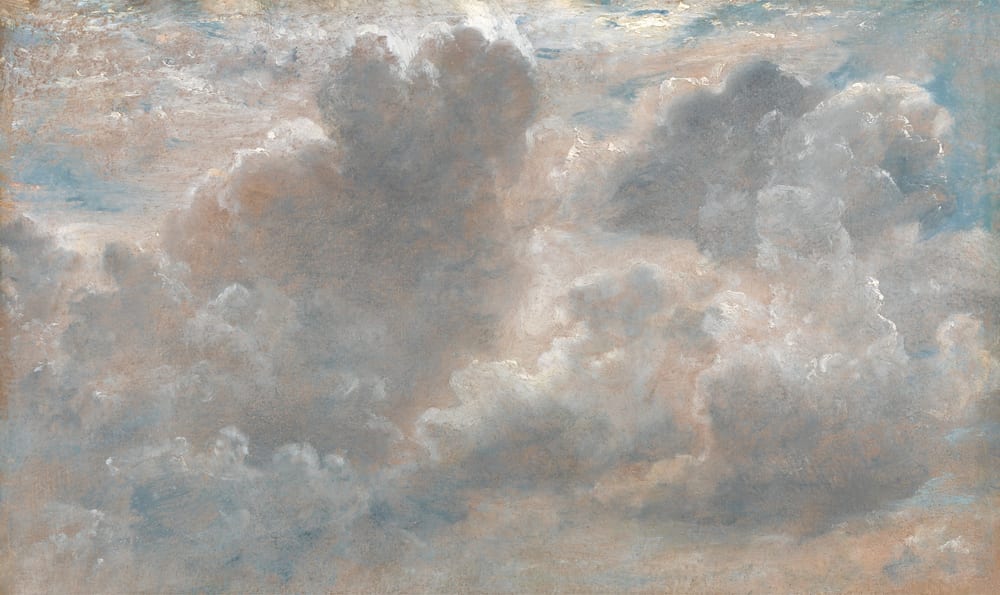
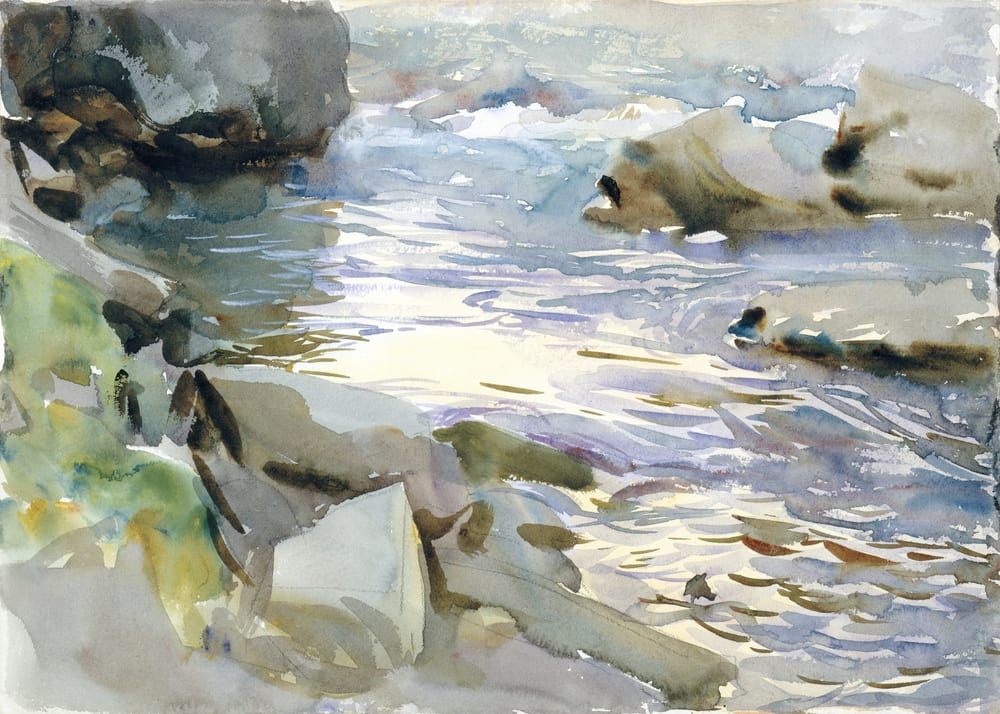
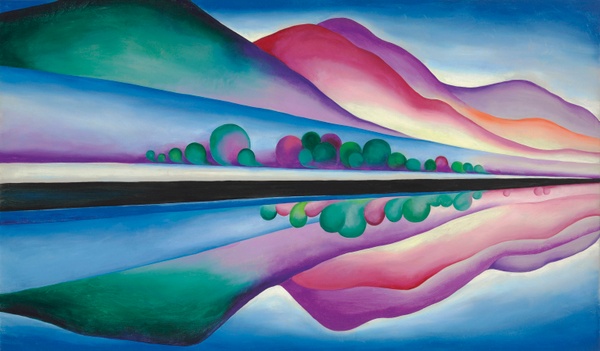
As the world wakes, the water reflects a new sky. John Singer Sargent captures this momentum in Stream and Rocks - John Singer Sargent (ca. 1901–1908), while Lake George Reflection - Georgia O'Keeffe (1921-1922) dissolves the boundary between liquid and mountain. The atmosphere becomes a haze of light in Landscape with Water - J.M.W. Turner (c.1840-45) and Study of Water and Plants - Thomas Fearnley (1837). In the quiet of A Quiet Monastery - Isaac Levitan (1890) and the mist of Branch of the Seine near Giverny (Mist) - Claude Monet (1897), we see the world breathing again, mirrored in Cloud Study - John Constable (c. 1821).
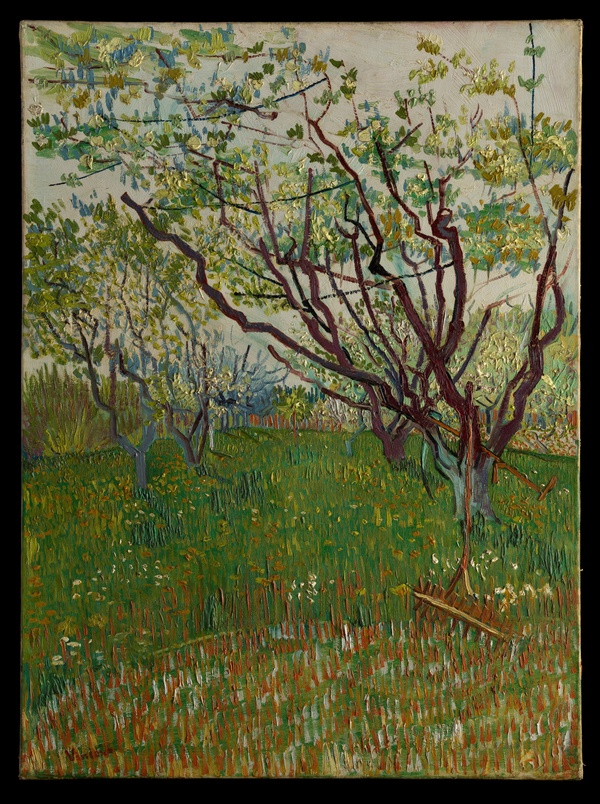
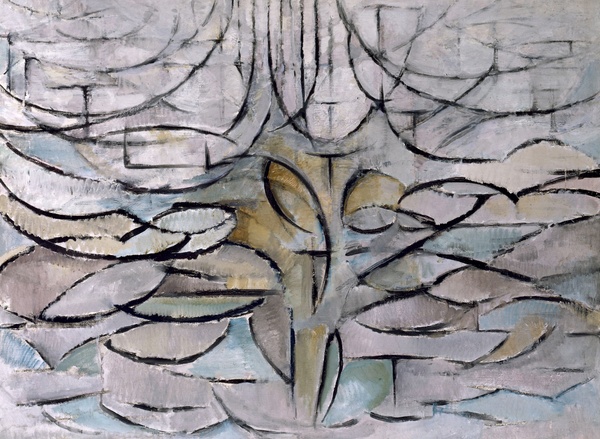
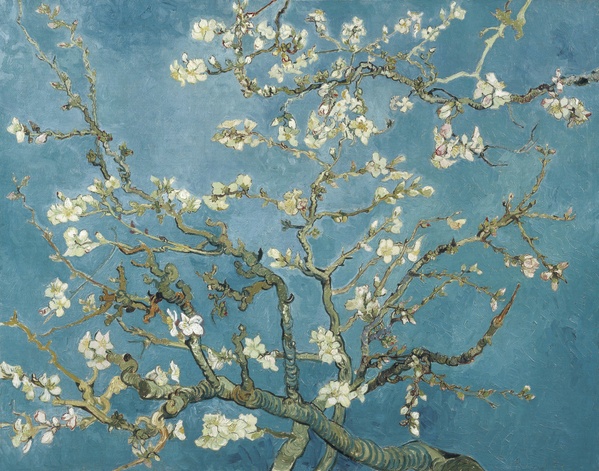
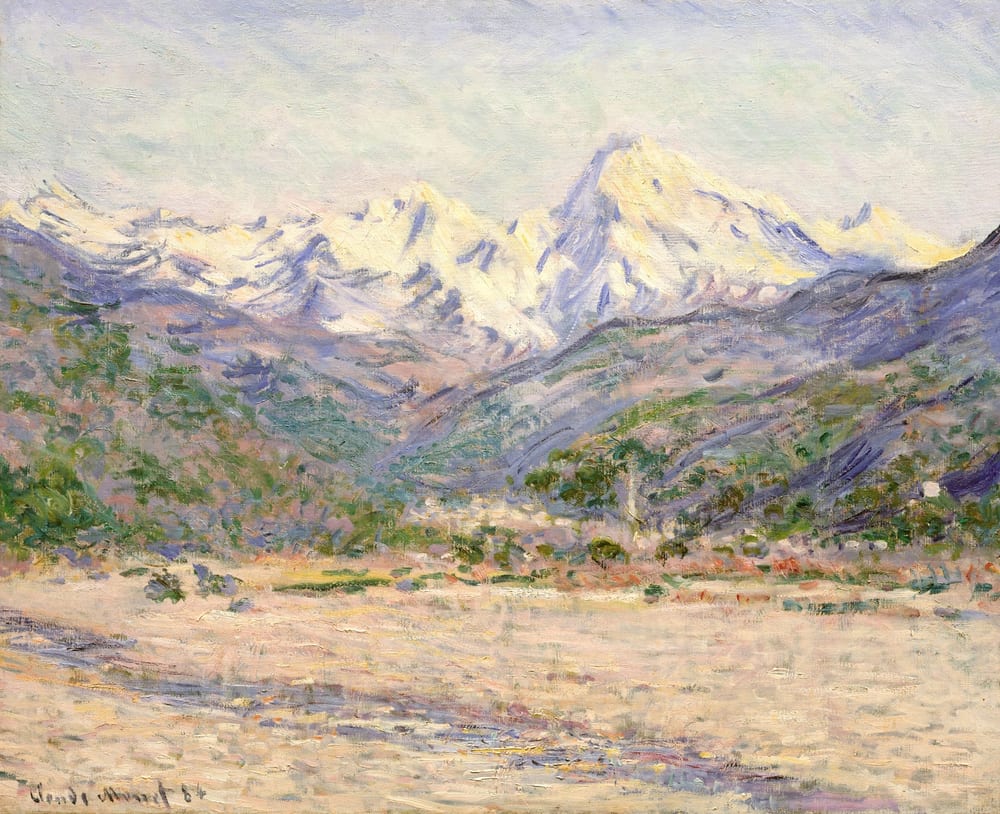
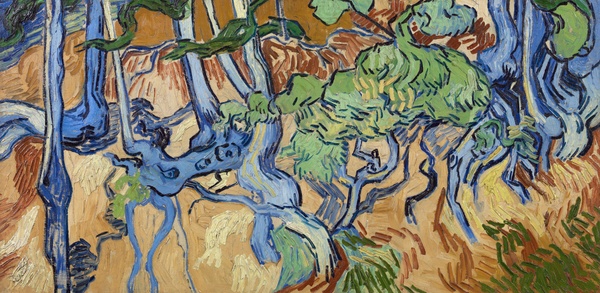
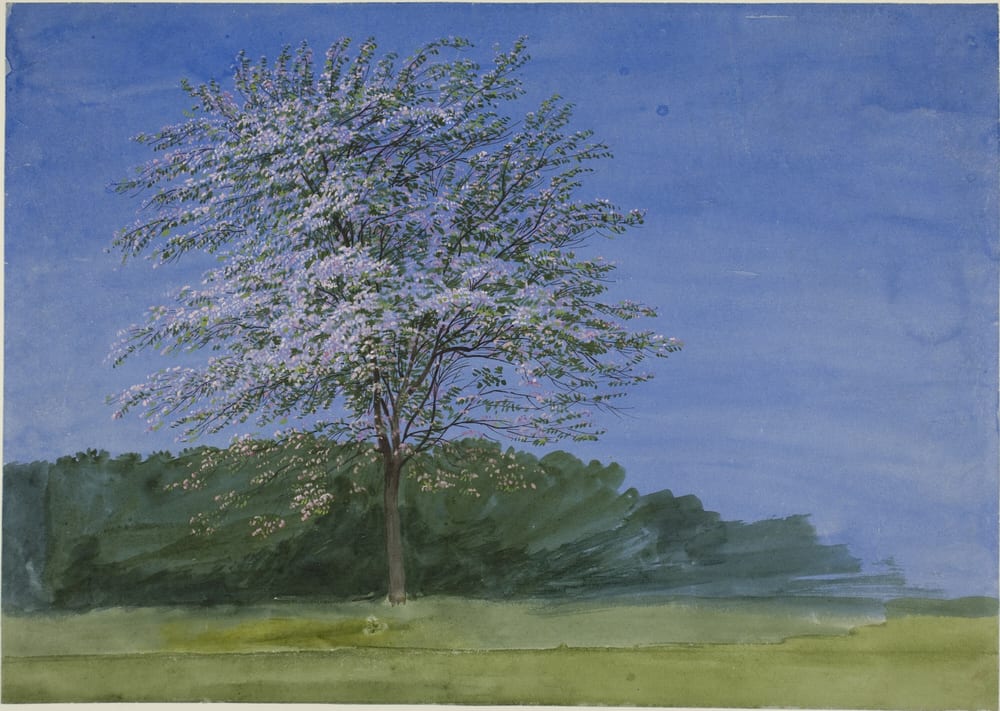
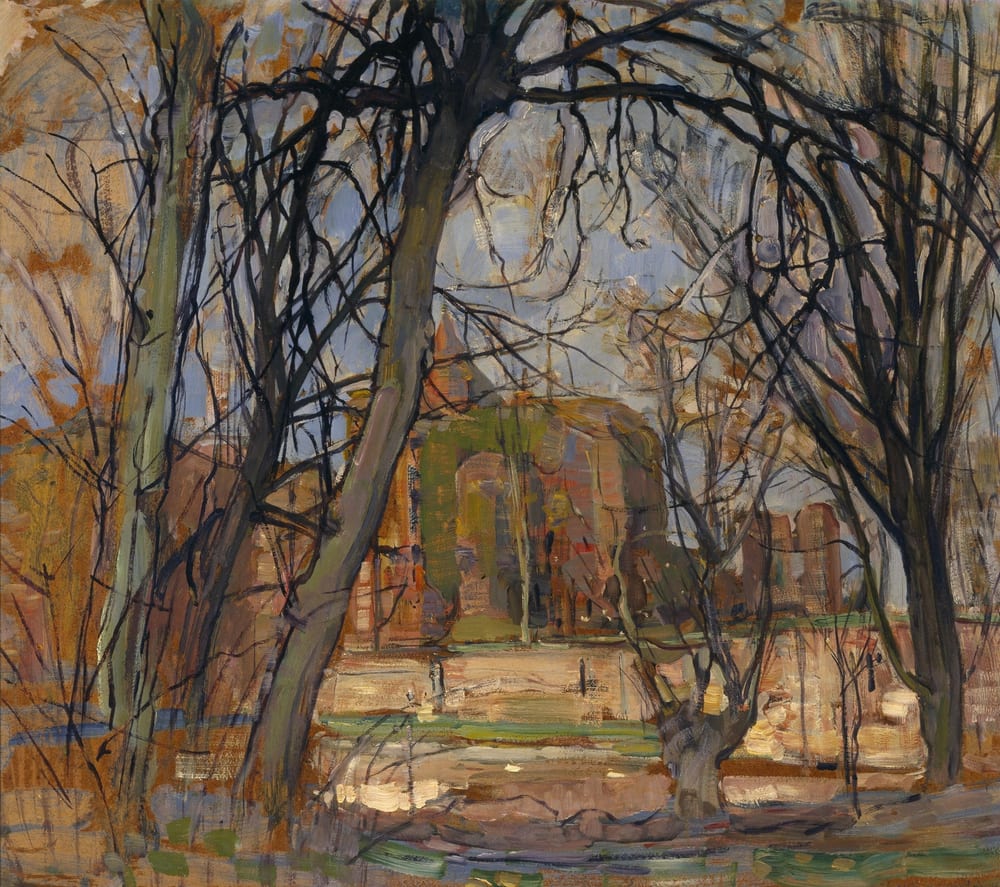
Finally, the silence is broken by the riot of bloom. J.M.W. Turner’s Study of a Tree in Bloom - J.M.W. Turner (date unknown) and Piet Mondrian’s Spring Sun (Lentezon): Castle Ruin: Brederode - Piet Mondrian (c. 1909–1910) show the architecture of life returning. From The Flowering Orchard - Vincent van Gogh (1888) to the geometric elegance of Flowering Apple Tree - Piet Mondrian (1912), the vitality is undeniable. We celebrate the triumph of life in Almond Blossom - Vincent van Gogh (1890) and The Valley of the Nervia - Claude Monet (1884), before finally returning to the earth in Tree Roots - Vincent van Gogh (1890), where the foundation of the waking world is revealed.
Artworks in this collection

30 artworks
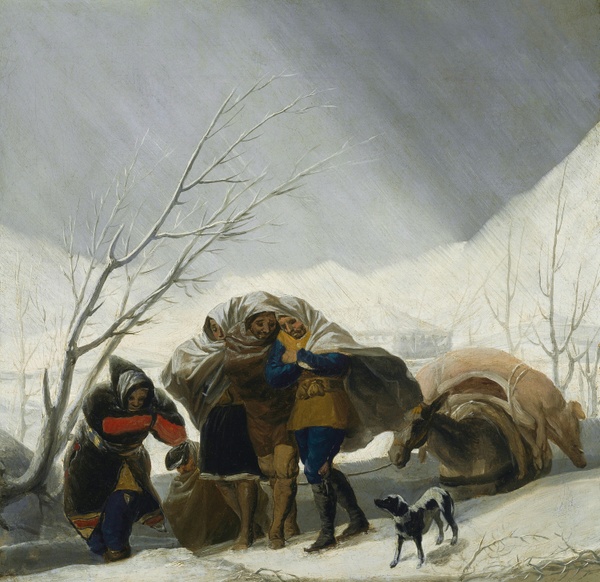
The Snowstorm (Winter) - Francisco Goya (1786)
Premium

The Snowstorm (Winter) - Francisco Goya (1786)

Francisco Goya

Spain, 1786

Goya’s snowstorm provides the dramatic contrast of the freezing silence that spring eventually breaks.

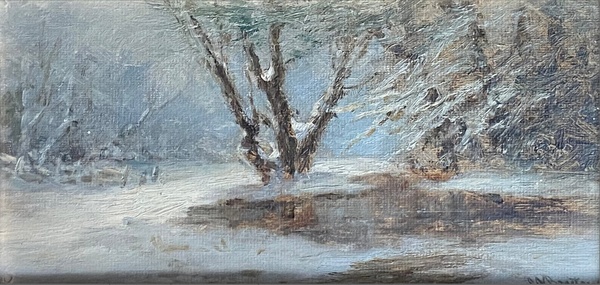
Winter Landscape - Susie M. Barstow (Unknown Date)
Premium

Winter Landscape - Susie M. Barstow (Unknown Date)

Susie M. Barstow

USA

Susie Barstow’s serene winter landscape portrays the landscape in its final moments of hibernation before the thaw begins.

Cairn in Snow - Caspar David Friedrich (c. 1807)
Premium

Cairn in Snow - Caspar David Friedrich (c. 1807)

Caspar David Friedrich

Germany, 1807

Caspar David Friedrich’s 'Cairn in Snow' represents the deep, melancholic silence of winter, providing the 'before' to our thawing transition.

Alps. Snow - Isaac Levitan (1897)
Premium

Alps. Snow - Isaac Levitan (1897)

Isaac Levitan

Russia, 1897

Levitan’s Alpine snow study shows the transition of heavy winter blankets into the mist and moisture of an atmospheric thaw.

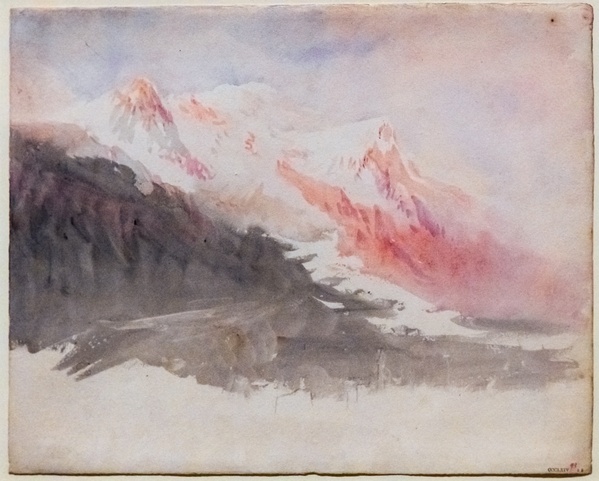
Mont Blanc and the Glacier des Bossons from above Chamonix, Dawn - J.M.W. Turner (1836)

Mont Blanc and the Glacier des Bossons from above Chamonix, Dawn - J.M.W. Turner (1836)

J.M.W. Turner

England, 1836

Turner’s view of the glacier at dawn captures the monumental cold of ice being kissed by the first pulse of morning light, suggesting the very beginning of a slow, glacial thaw.

The Magpie - Claude Monet (1868–1869)
Premium

The Magpie - Claude Monet (1868–1869)

Claude Monet

France, 1869

Monet’s 'The Magpie' represents the absolute silence of winter; the lone bird is a witness to the hushed, frozen landscape before the dripping rhythm begins.

Snow at Louveciennes - Camille Pissarro (ca. 1870)
Premium

Snow at Louveciennes - Camille Pissarro (ca. 1870)

Camille Pissarro

France, 1870

Pissarro’s snow scene captures the very end of the winter’s stillness, with the ground ready to reveal the earth beneath.

The Road to Versailles, Louveciennes: Morning Frost - Camille Pissarro (1871)

The Road to Versailles, Louveciennes: Morning Frost - Camille Pissarro (1871)

Camille Pissarro

France, 1871

Camille Pissarro focuses on the morning frost yielding to the sun, illustrating the fragile awakening of the earth as the road begins to emerge from its white shroud.

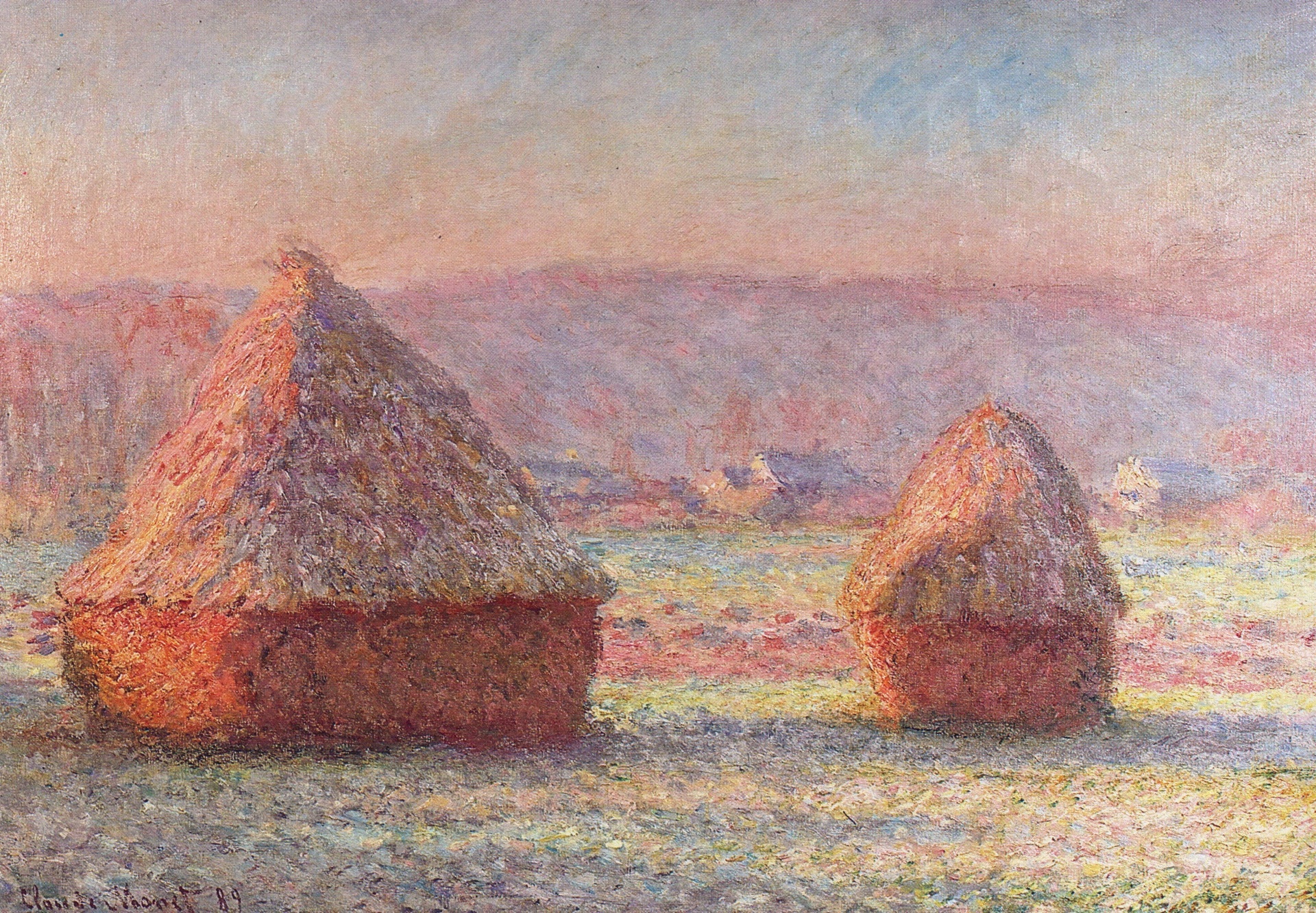
White Frost, Sunrise - Claude Monet (c. 1890)
Premium

White Frost, Sunrise - Claude Monet (c. 1890)

Claude Monet

France, 1890

Claude Monet’s depiction of white frost at sunrise perfectly captures the translucent, crystalline quality of the world just as the light begins to soften the winter's grip.

Montfoucault Pond, Winter Effect - Camille Pissarro (1874)
Premium

Montfoucault Pond, Winter Effect - Camille Pissarro (1874)

Camille Pissarro

France, 1874

This winter effect on a pond shows the 'thawing silence' through the muted, icy textures of the water’s surface as it begins to yield.

Mountain Peak with Drifting Clouds - Caspar David Friedrich (1835)

Mountain Peak with Drifting Clouds - Caspar David Friedrich (1835)

Caspar David Friedrich

Germany, 1835

The mountain peak with drifting clouds suggests the airy, evaporating transition of snow into the atmosphere.

Nocturne in Blue and Silver - James McNeill Whistler (1872)
Premium

Nocturne in Blue and Silver - James McNeill Whistler (1872)

James McNeill Whistler

United States, 1872

Whistler’s nocturne captures the damp, misty atmosphere where ice and air become indistinguishable, embodying a fragile awakening.

The Source of the Loue - Gustave Courbet (1864)
Premium

The Source of the Loue - Gustave Courbet (1864)

Gustave Courbet

France, 1864

The raw, liquid life of the stream emerging from the dark, cavernous earth embodies the theme of the world returning to a state of flow.

The Source of the Loue (La Grotte de la Loue) - Gustave Courbet (1863–1864)

The Source of the Loue (La Grotte de la Loue) - Gustave Courbet (1863–1864)

Gustave Courbet

France, 1864

Courbet revisited the theme of the Loue's source to show the dramatic, pulsing energy of water as it reclaims the landscape from the silence of winter.

The Brook of Les Puits-Noir - Gustave Courbet (c. 1855)
Premium

The Brook of Les Puits-Noir - Gustave Courbet (c. 1855)

Gustave Courbet

France, 1855

The brook in this Courbet piece shows the movement of water through a mysterious, rocky landscape as the frost begins to melt away.

Le Ruisseau du Puits Noir (The Stream at the Black Well) - Gustave Courbet (1865)
Premium

Le Ruisseau du Puits Noir (The Stream at the Black Well) - Gustave Courbet (1865)

Gustave Courbet

France, 1865

The 'Black Well' represents the dark, rich earth emerging as the stream flows through it, highlighting the return of moisture and movement.

Stream and Rocks - John Singer Sargent (ca. 1901–1908)
Premium

Stream and Rocks - John Singer Sargent (ca. 1901–1908)

John Singer Sargent

United States, 1901

John Singer Sargent’s 'Stream and Rocks' illustrates the active, liquid transition as water pulses over the raw, waking earth.

Lake George Reflection - Georgia O'Keeffe (1921-1922)
Premium

Lake George Reflection - Georgia O'Keeffe (1921-1922)

Georgia O'Keeffe

USA, 1921

Georgia O'Keeffe's reflection on the lake emphasizes the crystalline and liquid state of water in a state of deep, contemplative flow.

Landscape with Water - J.M.W. Turner (c.1840-45)
Premium

Landscape with Water - J.M.W. Turner (c.1840-45)

J.M.W. Turner

England, 1843

Turner’s ethereal landscape uses light and water to create a sense of prismatic refraction, consistent with a world returning to flow.

Study of Water and Plants - Thomas Fearnley (1837)
Premium

Study of Water and Plants - Thomas Fearnley (1837)

Thomas Fearnley

Norway, 1837

Thomas Fearnley’s study of water and plants focuses on the liquid life and the suspended beauty of moisture in the forest.

A Quiet Monastery - Isaac Levitan (1890)
Premium

A Quiet Monastery - Isaac Levitan (1890)

Isaac Levitan

Russia, 1890

Levitan captures a quiet, spiritual stillness where the landscape is just beginning to breathe again, mirrored in the still water.

Branch of the Seine near Giverny (Mist) - Claude Monet (1897)
Premium

Branch of the Seine near Giverny (Mist) - Claude Monet (1897)

Claude Monet

France, 1897

The mist over the Seine creates the sensation of suspended droplets and the quiet transition from cold morning to a more liquid day.

Cloud Study - John Constable (c. 1821)
Premium

Cloud Study - John Constable (c. 1821)

John Constable

United Kingdom, 1821

Constable’s cloud study represents the shifting, melting forms of the atmosphere, a sky-bound mirror of the terrestrial thaw.

Study of a Tree in Bloom - J.M.W. Turner (date unknown)
Premium

Study of a Tree in Bloom - J.M.W. Turner (date unknown)

J.M.W. Turner

United Kingdom

J.M.W. Turner’s study of a tree in bloom focuses on the delicate, dripping emergence of life from a dormant state.

Spring Sun (Lentezon): Castle Ruin: Brederode - Piet Mondrian (c. 1909–1910)
Premium

Spring Sun (Lentezon): Castle Ruin: Brederode - Piet Mondrian (c. 1909–1910)

Piet Mondrian

Netherlands, 1909

This work by Mondrian captures the luminous, watery effect of spring sun reflecting off a landscape coming back to life.

The Flowering Orchard - Vincent van Gogh (1888)
Premium

The Flowering Orchard - Vincent van Gogh (1888)

Vincent van Gogh

Netherlands, 1888

The flowering orchard represents the sudden, vibrant return of life from beneath the ground, waking the raw earth with white blossoms.

Flowering Apple Tree - Piet Mondrian (1912)
Premium

Flowering Apple Tree - Piet Mondrian (1912)

Piet Mondrian

Netherlands, 1912

Piet Mondrian’s cubist approach to a flowering tree evokes the prismatic refraction and the structured, crystalline transition of spring growth.

Almond Blossom - Vincent van Gogh (1890)
Premium

Almond Blossom - Vincent van Gogh (1890)

Vincent van Gogh

Netherlands, 1890

Van Gogh’s almond blossoms are the ultimate symbol of the fragile awakening, where delicate life emerges against a clear, cool sky.

The Valley of the Nervia - Claude Monet (1884)
Premium

The Valley of the Nervia - Claude Monet (1884)

Claude Monet

France, 1884

Monet’s 'Valley of the Nervia' shows the expansive landscape waking up under a gentle, brightening sun.

Tree Roots - Vincent van Gogh (1890)
Premium

Tree Roots - Vincent van Gogh (1890)

Vincent van Gogh

Netherlands, 1890

Van Gogh’s 'Tree Roots' is an visceral look at raw earth and the tangled, pulsing surge of life beneath the surface shroud.

Discover more curated collections

View all collections