
Curated Collections · 30 artworks · Created April 11, 2026

The Weaver's Palette

A Tapestry of Forms: Woven Narratives in Pattern and Texture

Read it as a book

Download the set in 4K — or open it in the MP Art app to send straight to your Frame

The Weaver's Palette

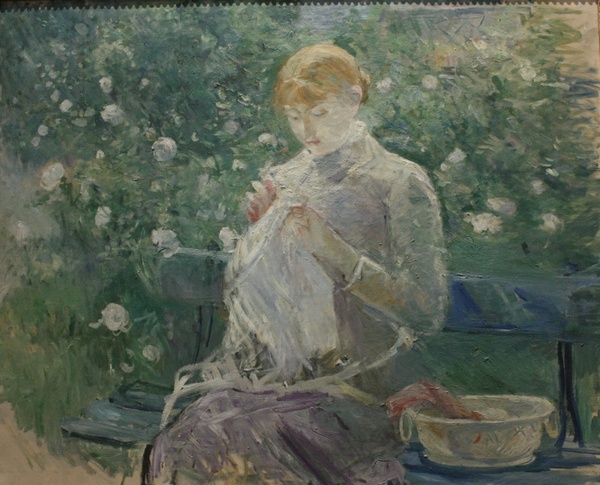
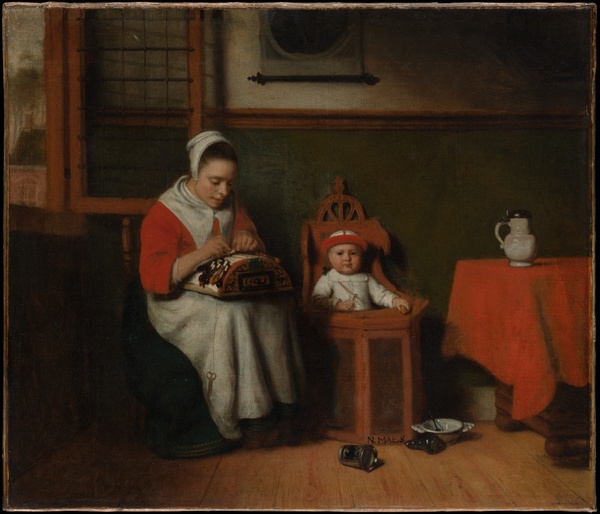
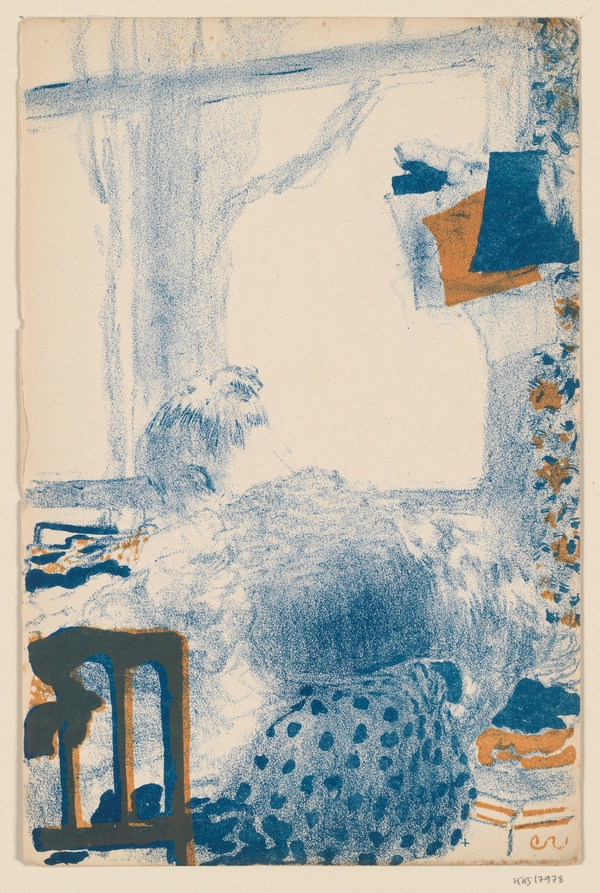
To speak of a weaver's palette is not merely to invoke threads and looms, but to consider the very warp and weft of artistic creation—the intricate assembly of elements, colors, and forms that coalesce into a cohesive whole, much like a master storyteller weaves a tale. Our journey begins in the quiet intimacy of domestic industry, where the hands of creation are most tangible. We first encounter Nicolaes Maes's focused subject in The Lacemaker, her delicate fingers a blur of motion, meticulously knotting and twisting threads to conjure beauty from nothingness. Nearby, Édouard Vuillard's La Couturière (The Dressmaker) reveals a figure absorbed in the quiet artistry of fabric and form, shaping the world one stitch at a time. The Impressionist brush of Berthe Morisot captures a similar serene dedication in Pasie Sewing in Bougival's Garden, where nature's verdant tapestry frames a moment of human craft.
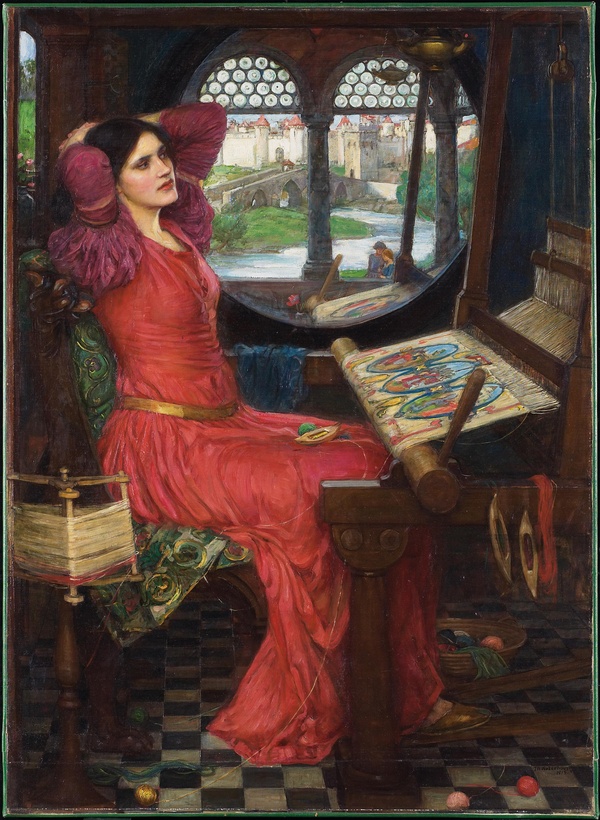
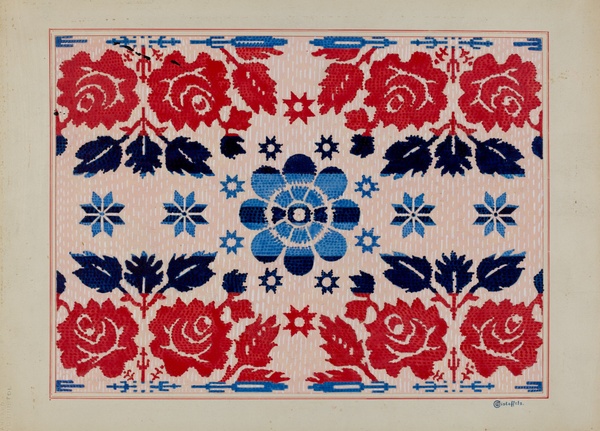
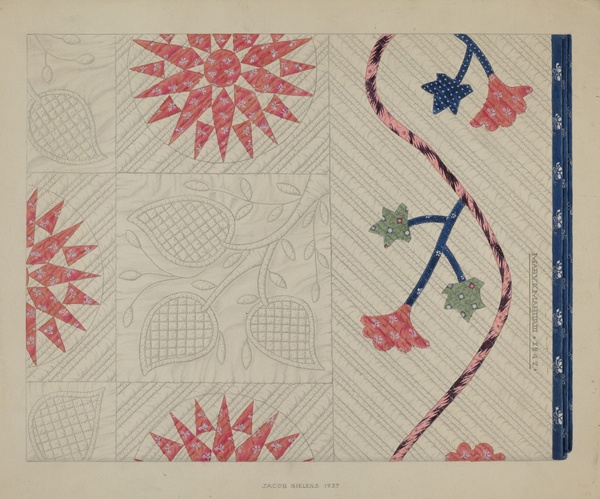
These acts of domestic creation find their tangible echoes in the exquisite renderings of American folk art. Cornelius Christoffels's Coverlet and Jacob Gielens's Quilt are not just studies of textiles; they are celebrations of heritage, pattern, and the humble grandeur of everyday beauty, each stitch a narrative, each patch a memory. Yet, the loom can also be a site of yearning, as seen in John William Waterhouse's poignant depiction, "I am half sick of shadows," said the Lady of Shalott. Here, the act of weaving becomes a metaphor for confinement and creative struggle, her own life entwined with the magic she painstakingly produces.
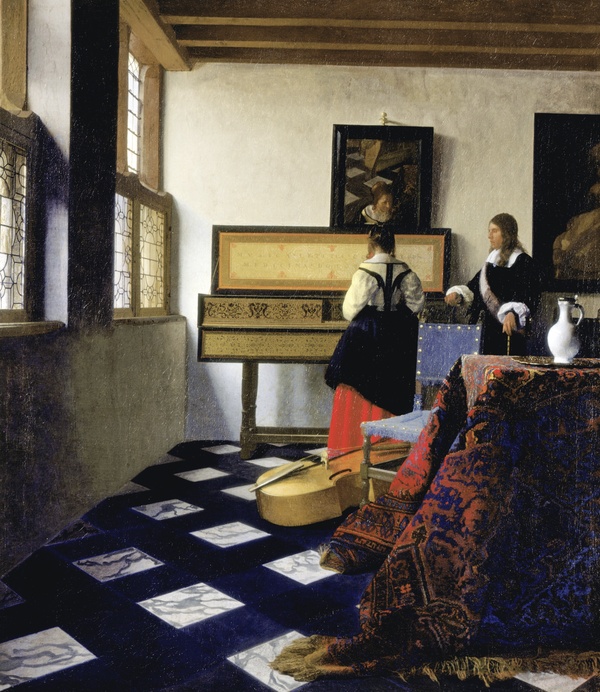
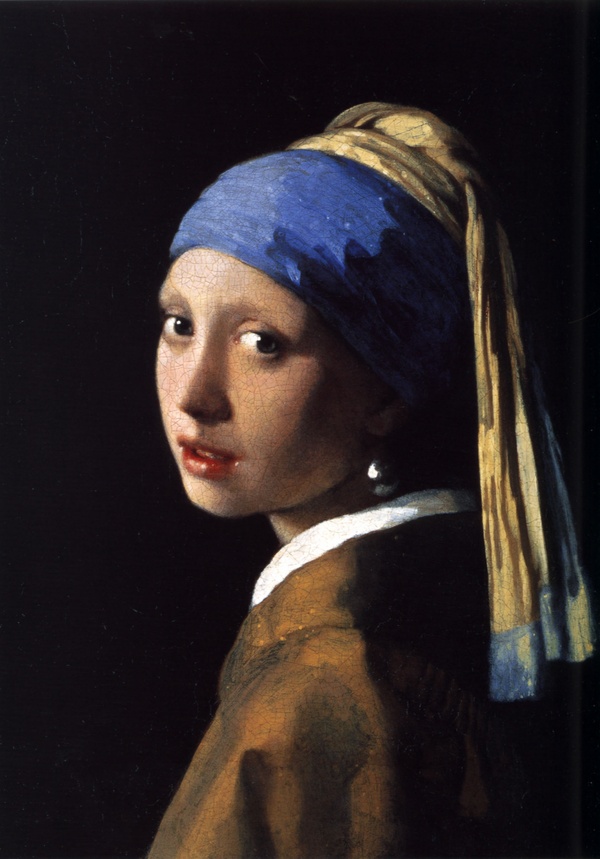
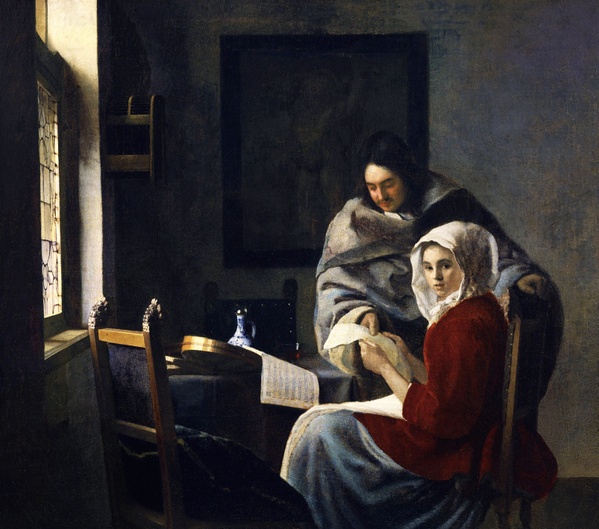
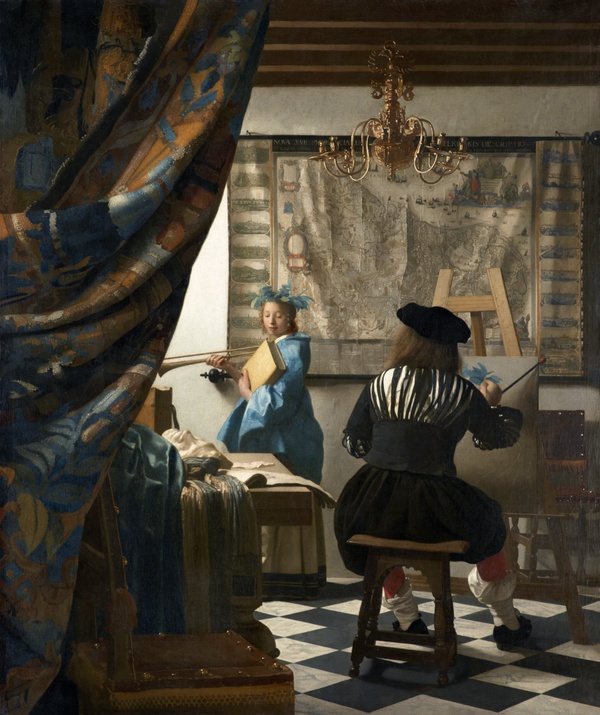
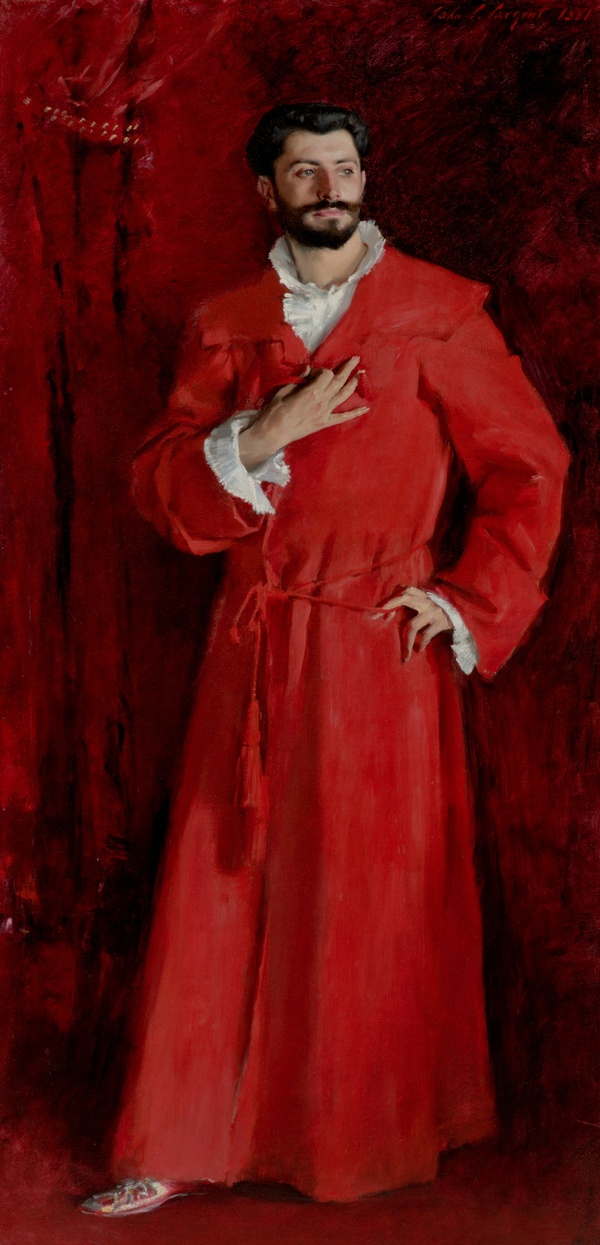
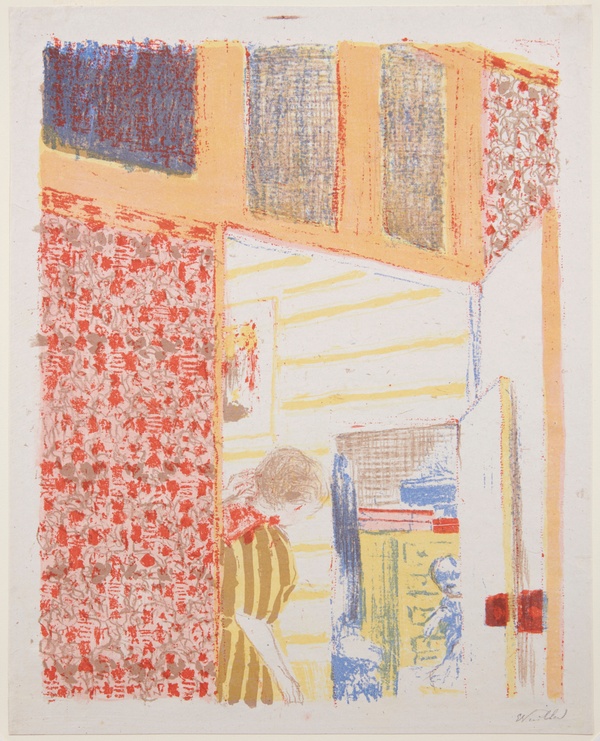
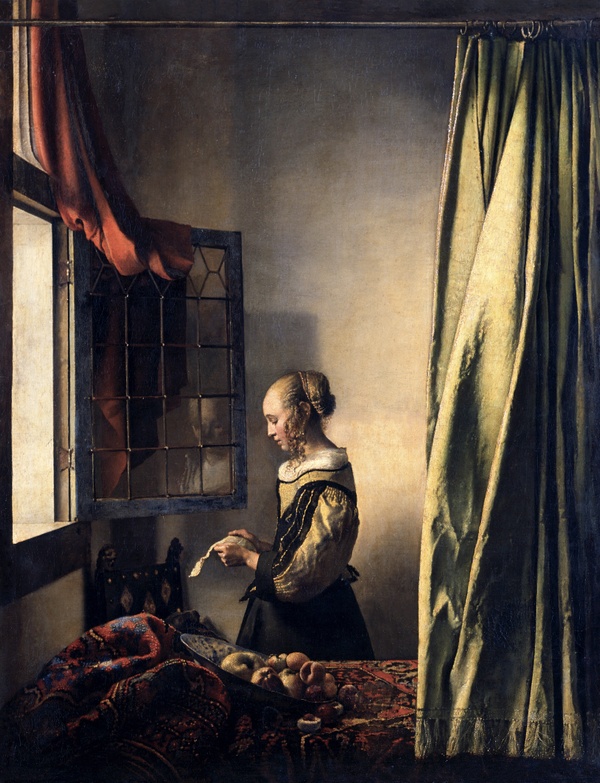
As we move beyond the literal act of weaving, the exhibition opens into interiors where pattern becomes paramount. Édouard Vuillard, a master of the intimate, transforms domestic spaces into symphonies of color and motif. His Landscapes and Interiors: Interior with Pink Wallpaper dissolves the boundaries between subject and setting, showing how our surroundings—like woven fabrics—define and envelop us. Johannes Vermeer, with his unparalleled command of light and texture, invites us into Dutch Golden Age homes. The richly draped table in Girl Reading a Letter at an Open Window, the detailed tapestry on the wall in The Music Lesson (A Lady at the Virginals with a Gentleman), or the sumptuous garments worn by the enigmatic subject of Girl with a Pearl Earring and the pensive figure in Girl Interrupted at Her Music—all speak to a world articulated through luxurious textiles. Even the symbolic depths of his Allegory of the Catholic Faith are rendered with an almost palpable texture of fabric and form. John Singer Sargent’s dramatic Dr. Pozzi at Home, with its voluminous scarlet robe, further emphasizes how cloth can define character and presence.
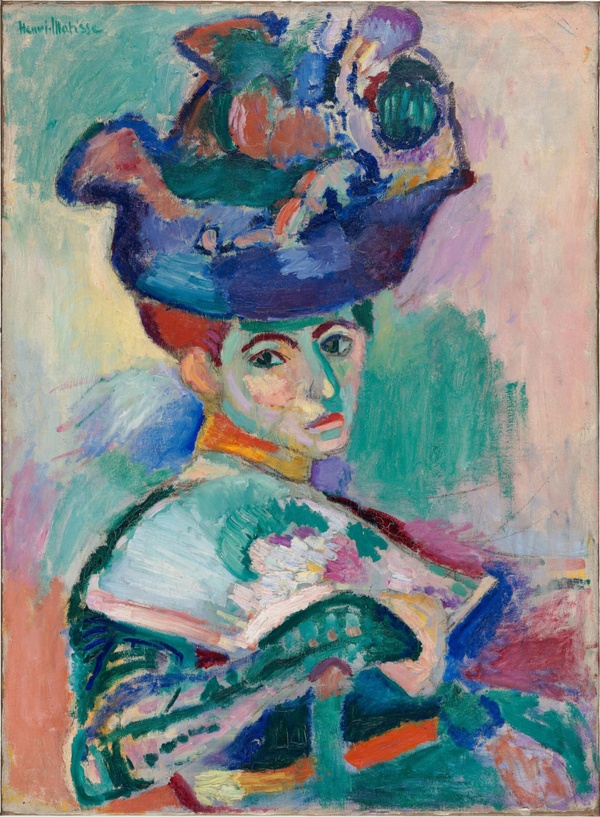
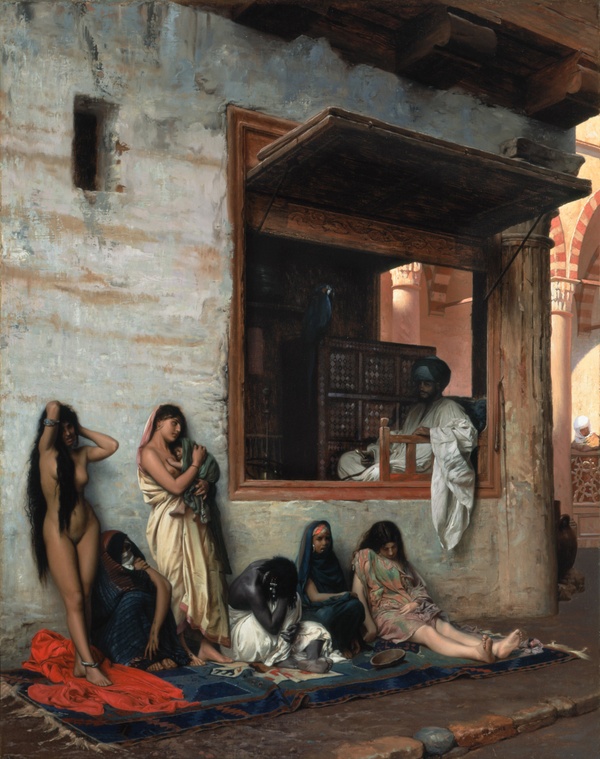
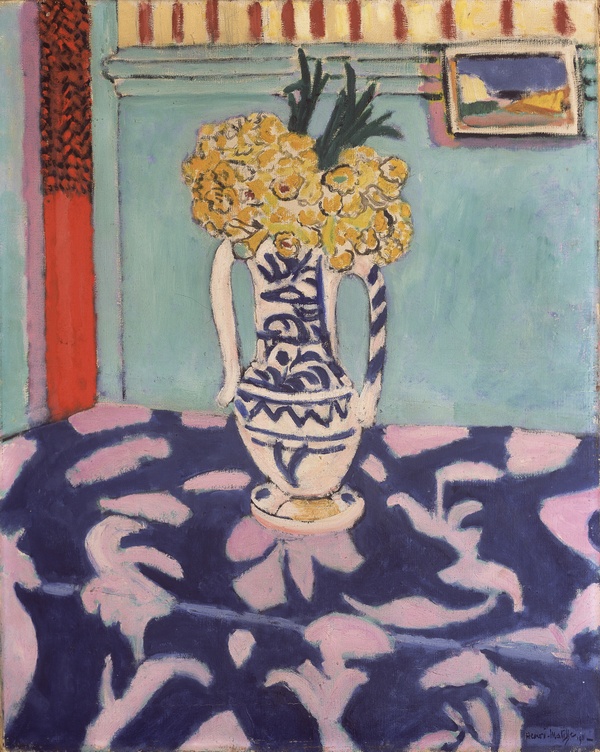
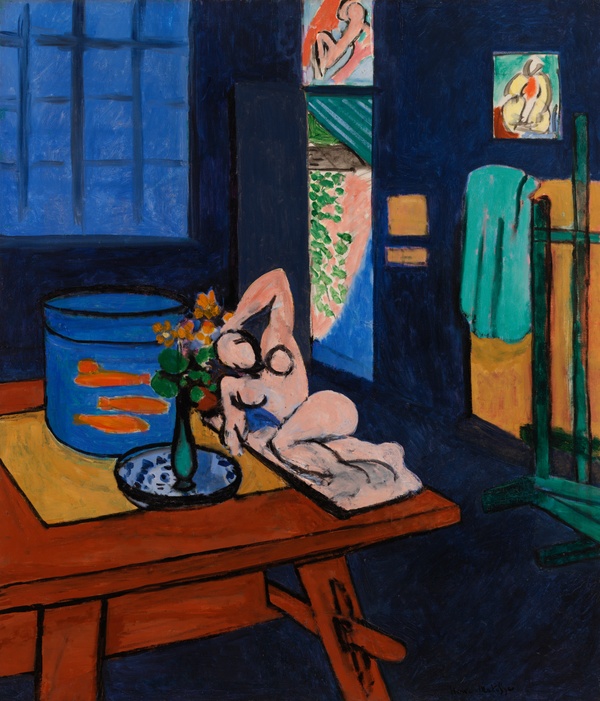
Henri Matisse elevates pattern to an expressive language. In Les coucous, tapis bleu et rose, the very title acknowledges the central role of the patterned cloth, while Studio with Goldfish (L'Atelier aux poissons rouges) layers vibrant motifs, turning domestic scenes into bold compositional statements. Even the audacious brushwork and clashing colors of Woman with a Hat (Femme au chapeau) evoke a tapestry of modern rebellion. Jean-Léon Gérôme’s The Slave Market, too, uses intricate drapery and robes to define its figures and setting, a testament to the pervasive presence of woven goods across cultures.
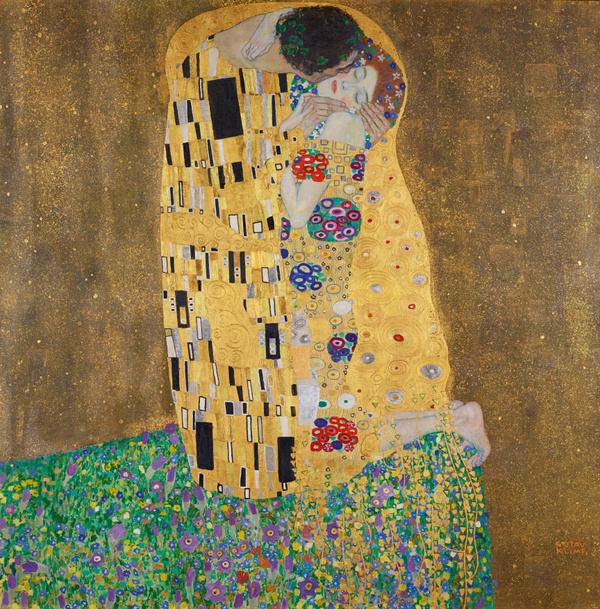
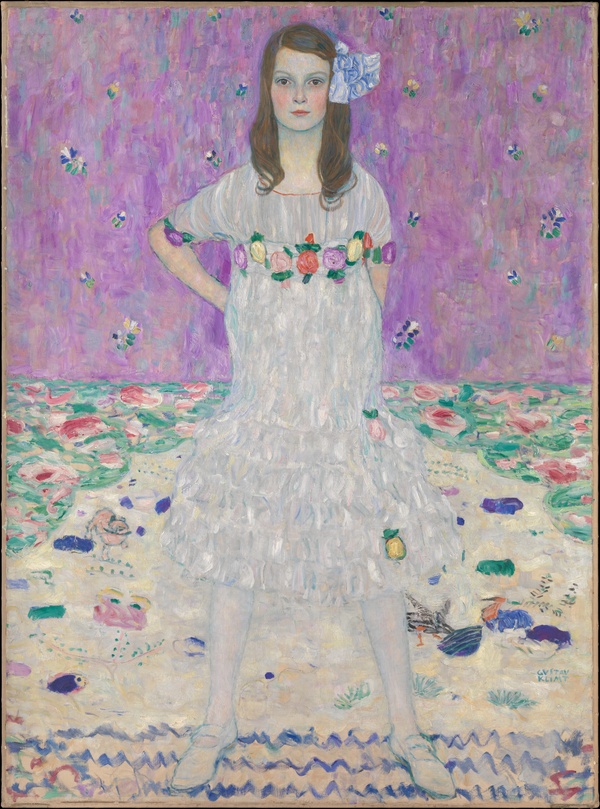
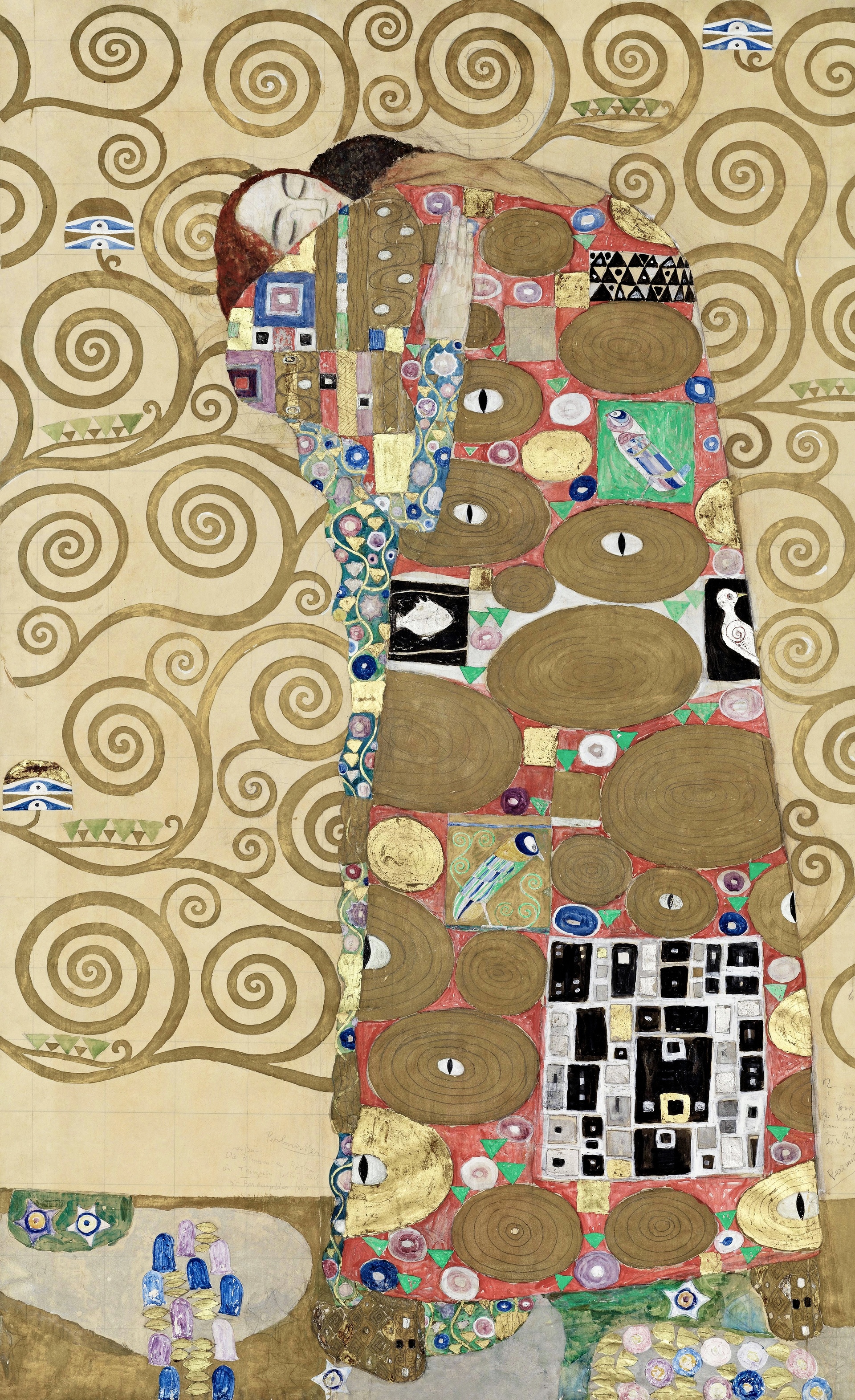
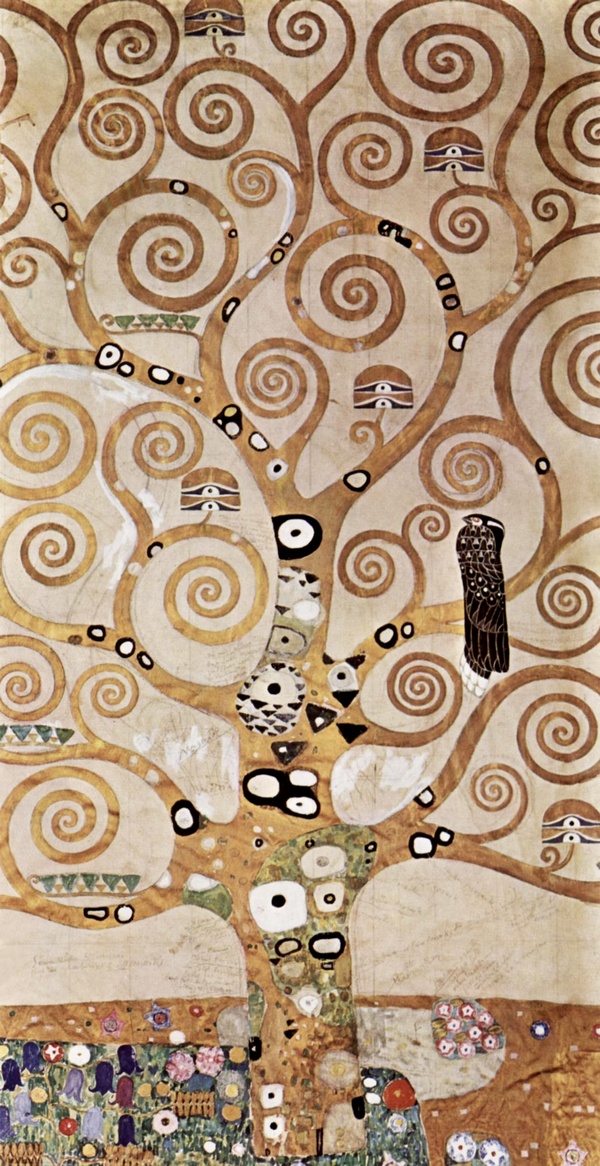
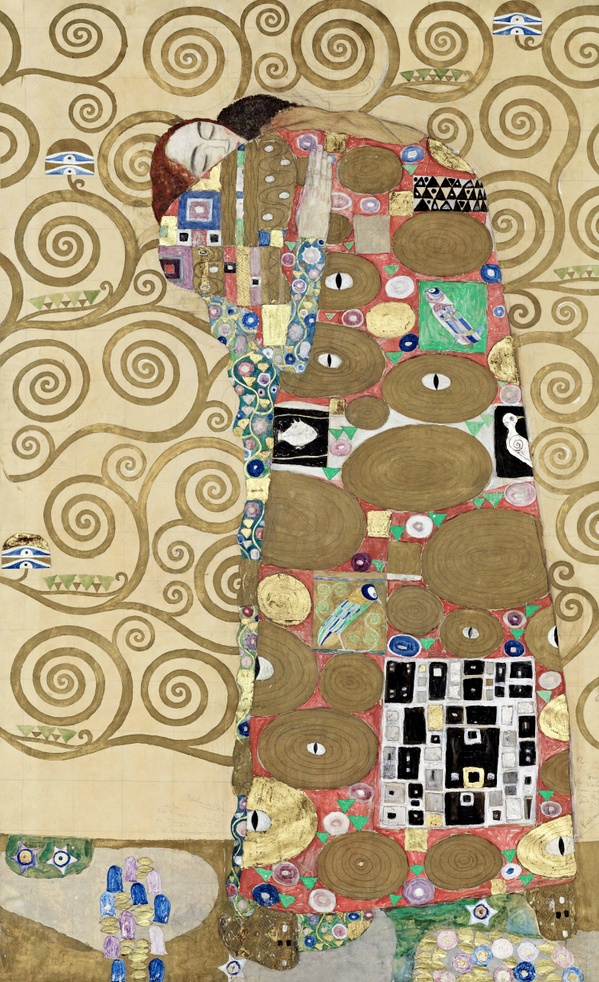
The journey then shifts to the grand, the symbolic, and the abstract. Gustav Klimt’s oeuvre is a dazzling testament to the "weaver's palette," where gold leaf and mosaic-like patterns create shimmering, tactile surfaces. In The Tree of Life, Stoclet Frieze (L'Arbre de Vie), intricate spirals and symbolic motifs intertwine, leading to the radiant embrace of Fulfillment (Stoclet Frieze) and the iconic splendor of The Kiss (Der Kuss), where figures are consumed by a golden, textile-like opulence. Even the portrait of Mäda Primavesi (1903–2000) sees her almost emerge from a patterned background, her youth framed by an abstract floral design.
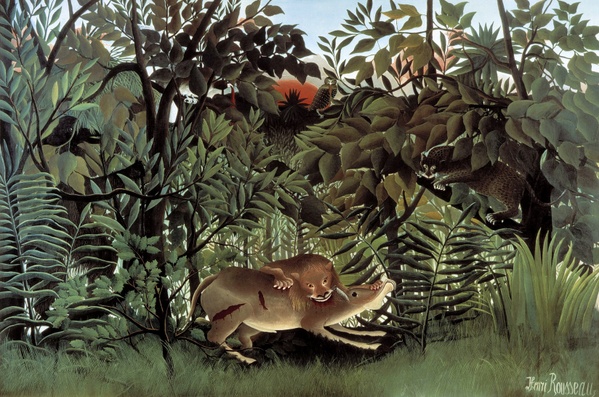
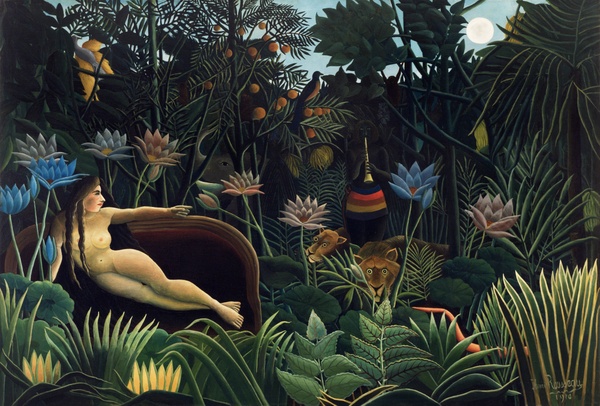
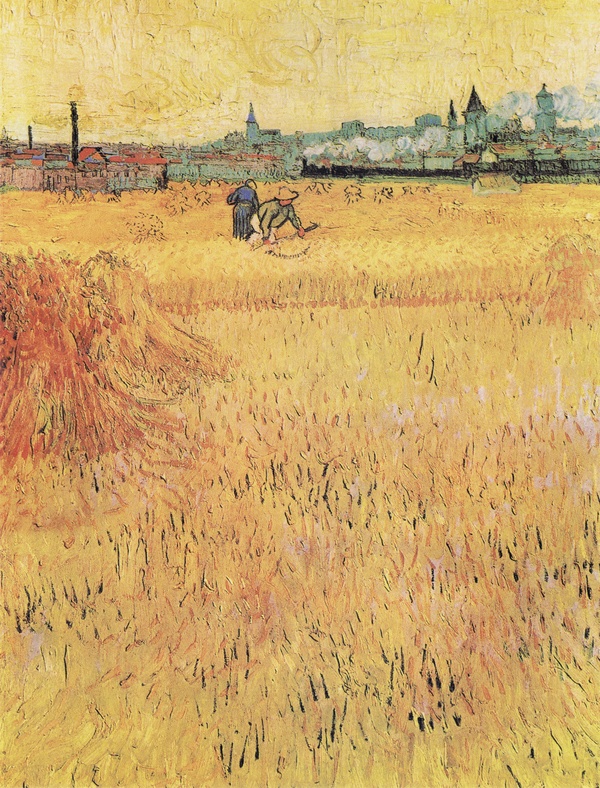
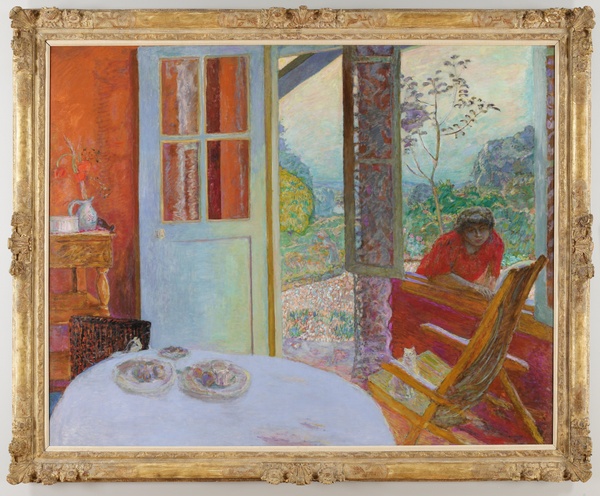
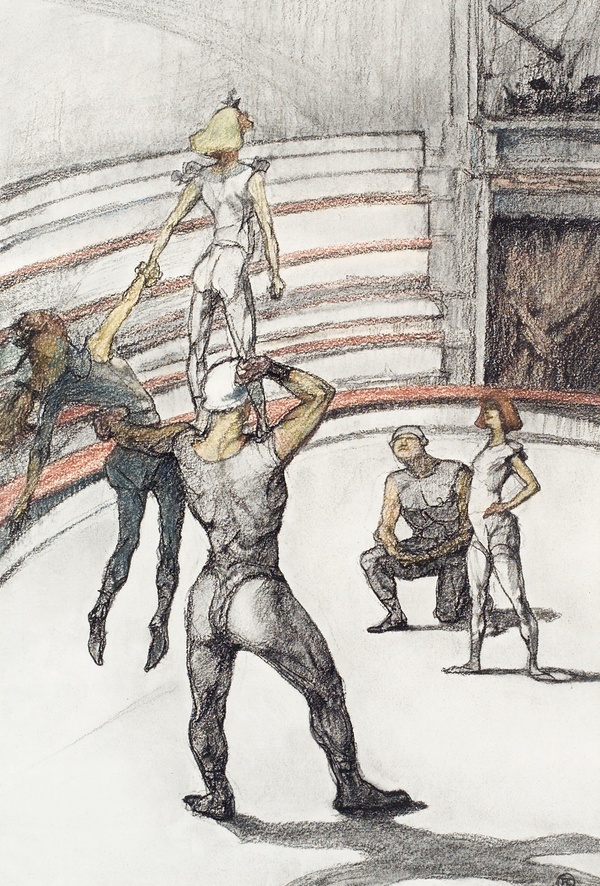
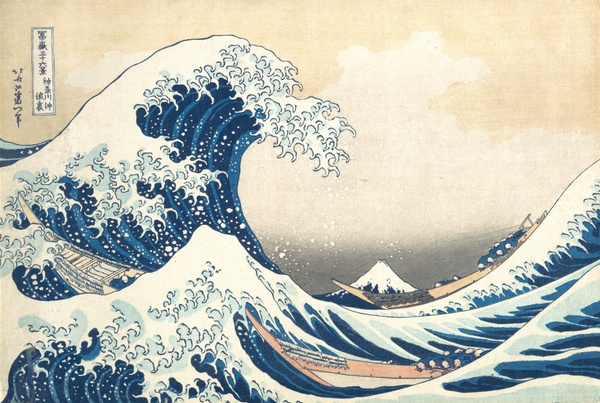
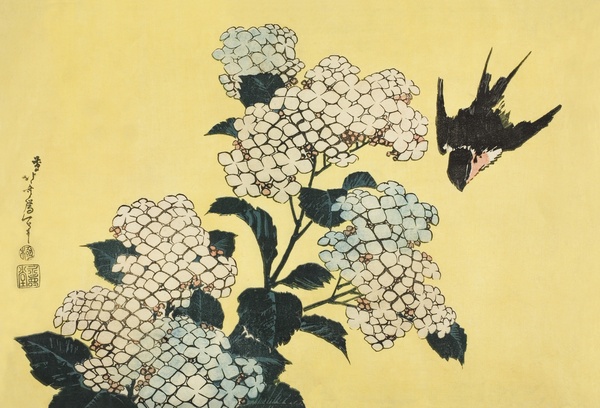
Beyond human design, nature itself provides a boundless loom. Katsushika Hokusai’s The Great Wave off Kanagawa captures the rhythmic, almost fibrous power of the ocean, while Hydrangea and Swallow, from an Untitled Series of Large Flowers demonstrates nature's delicate, intricate patterns. Henri Rousseau's vibrant jungles in The Hungry Lion Throws Itself on the Antelope and The Dream are dense, layered tapestries of flora and fauna, where every leaf and creature contributes to an overwhelming sense of woven life. Vincent van Gogh’s Wheat Field with Sheaves reveals the rough, tactile beauty of agriculture, the earth’s own patterned bounty. Pierre Bonnard’s Dining Room in the Country filters light through a tapestry of dappled color, showing the weave of perception. Even the raw energy of the circus ring in Henri de Toulouse-Lautrec's Au Cirque: Travail de tapis suggests a mat, a literal woven ground for spectacle.
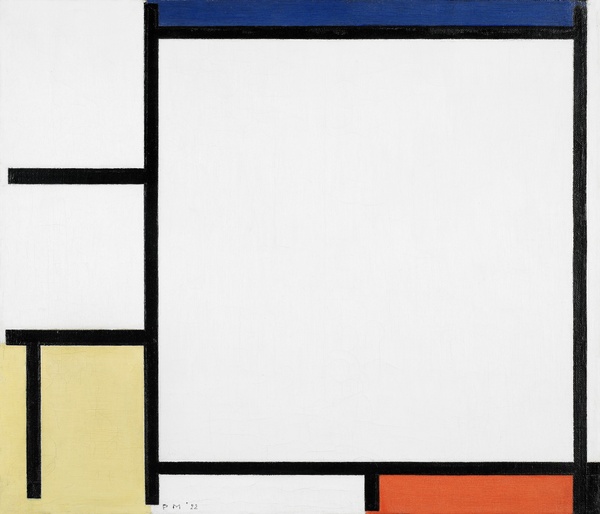
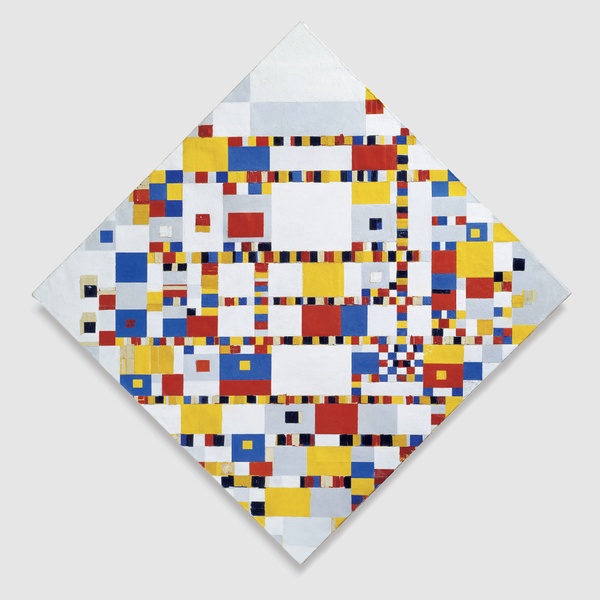
Finally, we arrive at the ultimate abstraction of the woven form. Piet Mondrian’s Composition Blue, Red, Yellow, Black and his dynamic Victory Boogie Woogie distill the world to its purest lines and planes. These works, stripped of figuration, are nevertheless profound tapestries of thought—grids of existence, where every intersection and color block contributes to a larger, universal pattern. They are the warp and weft of an idea, a structural elegance that echoes the fundamental principles of all weaving. From the humble thread to the grand conceptual framework, "The Weaver's Palette" unveils how art, in its myriad forms, perpetually seeks to weave narratives, textures, and meaning into the very fabric of our visual consciousness.
Artworks in this collection

30 artworks
The Lacemaker - Nicolaes Maes (c. 1656)
Premium

The Lacemaker - Nicolaes Maes (c. 1656)

Nicolaes Maes

Netherlands, 1656

Depicting a 'Lacemaker,' this artwork directly references the intricate craft of creating delicate patterns with thread, highlighting meticulous detail.

La Couturière (The Dressmaker) - Édouard Vuillard (1895)
Premium

La Couturière (The Dressmaker) - Édouard Vuillard (1895)

Édouard Vuillard

France, 1895

The 'Dressmaker' focuses on the creation and handling of fabric, directly linking to the theme of textiles and meticulous craft.

Pasie Sewing in Bougival's Garden - Berthe Morisot (1881)
Premium

Pasie Sewing in Bougival's Garden - Berthe Morisot (1881)

Berthe Morisot

France, 1881

The act of 'Sewing' is a fundamental textile craft, emphasizing thread, fabric, and the creation of patterned surfaces.

Coverlet - Cornelius Christoffels (c. 1940)

Coverlet - Cornelius Christoffels (c. 1940)

Cornelius Christoffels

USA, 1940

A literal 'Coverlet' directly embodies the theme of textiles and weaving, showcasing meticulous craft and interwoven elements.

Quilt - Jacob Gielens (c. 1938)
Premium

Quilt - Jacob Gielens (c. 1938)

Jacob Gielens

USA, 1938

A 'Quilt' is a prime example of an artwork made from interwoven fabric, highlighting patterns, texture, and the craft of textile artistry.

"I am half sick of shadows," said the Lady of Shalott - John William Waterhouse (1915)
Premium

"I am half sick of shadows," said the Lady of Shalott - John William Waterhouse (1915)

John William Waterhouse

United Kingdom, 1915

Depicting 'The Lady of Shalott' at her loom, this artwork directly illustrates the act of weaving and the creation of a narrative tapestry.

Landscapes and Interiors: Interior with Pink Wallpaper - Édouard Vuillard (1899)

Landscapes and Interiors: Interior with Pink Wallpaper - Édouard Vuillard (1899)

Édouard Vuillard

France, 1899

The explicit mention of 'Pink Wallpaper' underscores the theme of patterned surfaces and interior textiles, a hallmark of Vuillard's intimate domestic scenes.

Girl Reading a Letter at an Open Window - Johannes Vermeer (c. 1657–1659)
Premium

Girl Reading a Letter at an Open Window - Johannes Vermeer (c. 1657–1659)

Johannes Vermeer

Netherlands, 1657

The painting prominently features a large, heavy green curtain drawn aside, showcasing masterful drapery and the rich, layered texture of the fabric.

The Music Lesson (A Lady at the Virginals with a Gentleman) - Johannes Vermeer (c. 1662–1665)
Premium

The Music Lesson (A Lady at the Virginals with a Gentleman) - Johannes Vermeer (c. 1662–1665)

Johannes Vermeer

Netherlands, 1662

Features a large, ornate patterned carpet draped over the table and the elegant attire of the figures, showcasing Vermeer's exceptional ability to render rich fabrics and intricate details.

Girl with a Pearl Earring - Johannes Vermeer (c. 1665)

Girl with a Pearl Earring - Johannes Vermeer (c. 1665)

Johannes Vermeer

Netherlands, 1665

The subject's iconic turban, with its folds and play of light on fabric, is a central element highlighting the intricate textures and tactile quality of textiles.

Girl Interrupted at Her Music - Johannes Vermeer (c. 1658–1659)

Girl Interrupted at Her Music - Johannes Vermeer (c. 1658–1659)

Johannes Vermeer

Netherlands, 1658

Vermeer is a master of rendering textiles; this painting features rich tapestries, patterned carpets, and the exquisite drape and texture of clothing, creating a strong tactile experience.

Allegory of the Catholic Faith - Johannes Vermeer (c. 1670–1672)
Premium

Allegory of the Catholic Faith - Johannes Vermeer (c. 1670–1672)

Johannes Vermeer

Netherlands, 1670

This allegorical work includes a richly patterned tapestry and a geometrically tiled floor, providing a strong sense of interwoven elements and decorative surfaces within an interior.

Dr. Pozzi at Home - John Singer Sargent (1881)
Premium

Dr. Pozzi at Home - John Singer Sargent (1881)

John Singer Sargent

United States, 1881

Sargent's painting masterfully captures the luxurious, tactile texture and dramatic folds of Dr. Pozzi's crimson velvet robe, evoking a rich sensory experience.

Les coucous, tapis bleu et rose - Henri Matisse (1911)
Premium

Les coucous, tapis bleu et rose - Henri Matisse (1911)

Henri Matisse

France, 1911

The explicit mention of 'tapis bleu et rose' (blue and pink carpet) immediately connects this still life to patterned textiles and a vibrant palette.

Studio with Goldfish (L'Atelier aux poissons rouges) - Henri Matisse (1912)
Premium

Studio with Goldfish (L'Atelier aux poissons rouges) - Henri Matisse (1912)

Henri Matisse

France, 1912

The interior is a tapestry of patterns, from the wallpaper to the fabrics on the furniture, demonstrating a complex interplay of interwoven visual motifs and layered forms.

Woman with a Hat (Femme au chapeau) - Henri Matisse (1905)
Premium

Woman with a Hat (Femme au chapeau) - Henri Matisse (1905)

Henri Matisse

France, 1905

Matisse's use of bold, unblended colors and thick outlines on the hat and dress creates a vibrant, textured surface, akin to a 'weaver's palette' of expressive color and form.

The Slave Market - Jean-Léon Gérôme (1871)
Premium

The Slave Market - Jean-Léon Gérôme (1871)

Jean-Léon Gérôme

France, 1871

The scene is filled with intricate textiles, draperies, and exotic costumes, emphasizing varied textures and patterns that tell a 'quiet story through fabric.'

The Tree of Life, Stoclet Frieze (L'Arbre de Vie) - Gustav Klimt (1905–1909)
Premium

The Tree of Life, Stoclet Frieze (L'Arbre de Vie) - Gustav Klimt (1905–1909)

Gustav Klimt

Austria, 1909

As a 'Frieze,' this work by Klimt is inherently decorative, featuring intricate, mosaic-like patterns and rich, golden textures that resemble elaborate weaving and embroidery.

Fulfillment (Stoclet Frieze) - Gustav Klimt (1910–1911)
Premium

Fulfillment (Stoclet Frieze) - Gustav Klimt (1910–1911)

Gustav Klimt

Austria, 1911

Another segment from Klimt's 'Stoclet Frieze,' it exemplifies the theme with its ornate, symbolic patterns and layered forms, celebrating decorative art as a form of visual weaving.

The Kiss (Der Kuss) - Gustav Klimt (1908)
Premium

The Kiss (Der Kuss) - Gustav Klimt (1908)

Gustav Klimt

Austria, 1908

Klimt's iconic painting features figures enveloped in opulent, geometric and organic patterns, creating a visually dense and interwoven tapestry of forms and textures.

Mäda Primavesi (1903–2000) - Gustav Klimt (1912–13)
Premium

Mäda Primavesi (1903–2000) - Gustav Klimt (1912–13)

Gustav Klimt

Austria, 1912

This portrait showcases intricate patterns on the subject's dress and the surrounding background, characteristic of Klimt's decorative, textile-inspired style.

The Great Wave off Kanagawa - Katsushika Hokusai (1831)
Premium

The Great Wave off Kanagawa - Katsushika Hokusai (1831)

Katsushika Hokusai

Japan, 1831

The dynamic and intricate patterns of the cresting waves, with their white foam resembling woven lace, powerfully evoke the rhythm of repetition and interwoven elements.

Hydrangea and Swallow, from an Untitled Series of Large Flowers - Katsushika Hokusai (c. 1833–1834)

Hydrangea and Swallow, from an Untitled Series of Large Flowers - Katsushika Hokusai (c. 1833–1834)

Katsushika Hokusai

Japan, 1833

This delicate woodblock print captures the intricate patterns of nature—hydrangea petals and bird feathers—with precise, flowing lines, reminiscent of fine embroidery.

The Hungry Lion Throws Itself on the Antelope - Henri Rousseau (1905)
Premium

The Hungry Lion Throws Itself on the Antelope - Henri Rousseau (1905)

Henri Rousseau

France, 1905

Similar to 'The Dream,' this work features highly stylized and repetitive patterns in the jungle vegetation and animal fur, forming an intricate, decorative surface.

The Dream - Henri Rousseau (1910)
Premium

The Dream - Henri Rousseau (1910)

Henri Rousseau

France, 1910

Rousseau's jungle scenes, with their stylized, repetitive foliage, create a dense, fantastical tapestry of interwoven organic patterns and forms.

Wheat Field with Sheaves - Vincent van Gogh (1888)
Premium

Wheat Field with Sheaves - Vincent van Gogh (1888)

Vincent van Gogh

Netherlands, 1888

Van Gogh's thick impasto creates a highly textured surface, and the 'sheaves of wheat' in the field evoke bundles of woven natural material, reflecting agrarian craft.

Dining Room in the Country - Pierre Bonnard (1913)
Premium

Dining Room in the Country - Pierre Bonnard (1913)

Pierre Bonnard

France, 1913

Bonnard's interior scenes are renowned for their rich, dappled brushwork that creates a vibrant tapestry of color and texture on walls, furniture, and clothing, evoking tactile sensations.

Au Cirque: Travail de tapis - Henri de Toulouse-Lautrec (1899)
Premium

Au Cirque: Travail de tapis - Henri de Toulouse-Lautrec (1899)

Henri de Toulouse-Lautrec

France, 1899

The inclusion of 'tapis' (carpet/tapestry) directly references woven, patterned surfaces, celebrating the artistry of textiles in a theatrical setting.

Victory Boogie Woogie - Piet Mondrian (1942–1944)
Premium

Victory Boogie Woogie - Piet Mondrian (1942–1944)

Piet Mondrian

Netherlands, 1942

A complex arrangement of geometric lines and colors, this abstract work perfectly illustrates the theme of 'interwoven elements' and 'rhythm of repetition' in a dynamic, modern palette.

Composition Blue, Red, Yellow, Black - Piet Mondrian (1921)
Premium

Composition Blue, Red, Yellow, Black - Piet Mondrian (1921)

Piet Mondrian

Netherlands, 1921

Mondrian's iconic grid composition exemplifies the theme through its precise 'interwoven elements' and 'rhythm of repetition' of colored planes and lines, like an abstract loom.

Discover more curated collections

View all collections