
Curated Collections · 30 artworks · Created March 16, 2026

The Weightless Veil

Whispers of Dawn, Veiled Reflections, and Elusive Forms.

Read it as a book

Download the set in 4K — or open it in the MP Art app to send straight to your Frame

The Weightless Veil

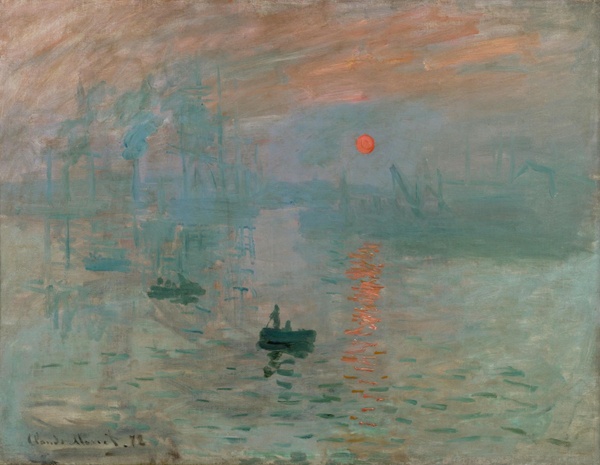
The world, in its deepest truths, is often revealed through glimpses, through the subtle parting of a Weightless Veil. It is not a solid barrier but a shimmering membrane, an atmospheric condition, a whispered secret that both conceals and reveals. Our journey begins at the very threshold of consciousness, with Claude Monet’s Impression, Sunrise, where the sun, a nascent ember, pierces the humid air of Le Havre. Here, the veil is literal, a morning mist that softens the industrial forms, transforming them into spectral echoes on the water, suggesting rather than stating.
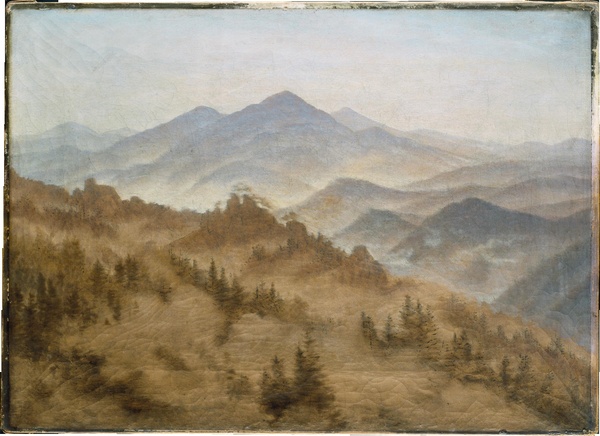
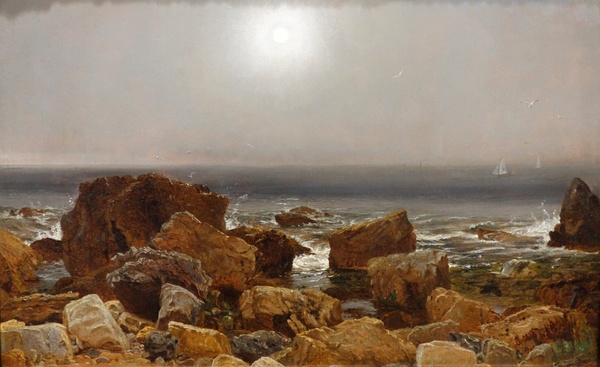
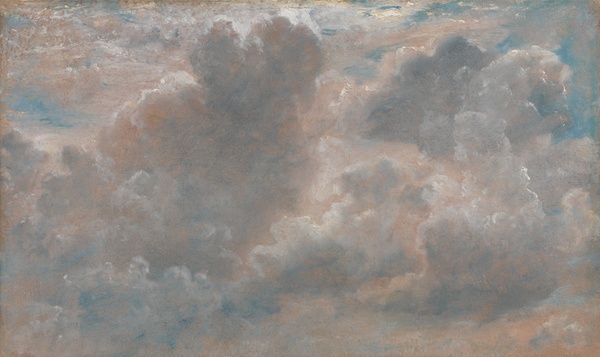
This ethereal opening deepens with Jasper Francis Cropsey’s Morning Fog, where light itself becomes the subject, a luminous presence breaking through the coastal haze, promising clarity without yet delivering it. John Constable’s Cloud Study offers a more intimate communion with the ephemeral, a painterly investigation into the very fabric of the sky’s shifting drapery, each cloud a fleeting thought made visible. Caspar David Friedrich, in his sublime Mountains in the Rising Fog, cloaks a majestic landscape in an enigmatic shroud, inviting contemplation on the vastness obscured and the mystery revealed by degrees.
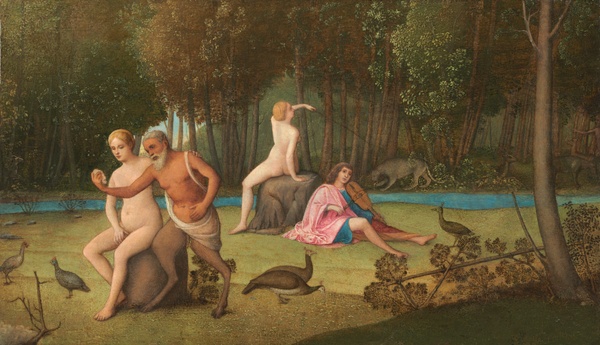
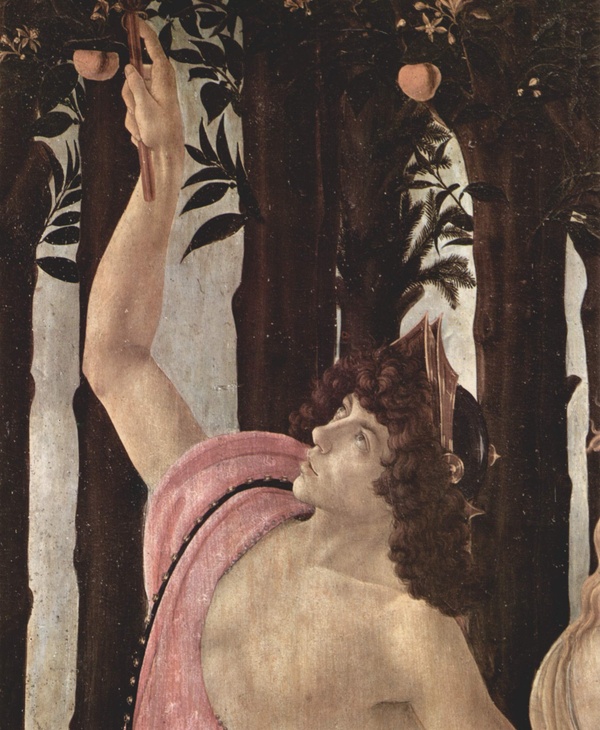
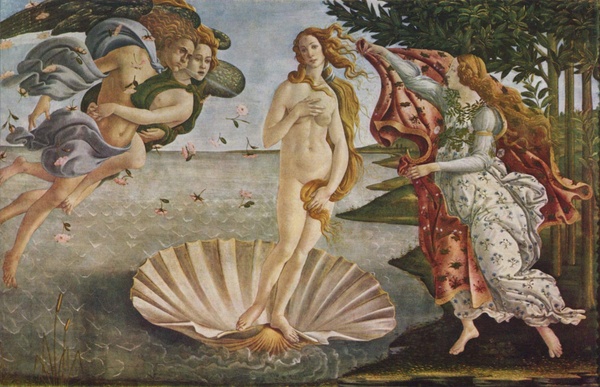
From nature’s own theatre, we turn to the hand of myth, where veils are woven by divine will. Sandro Botticelli’s Primavera (Detail: Mercury Dispersing the Clouds) shows the winged messenger gracefully sweeping away the lingering mists, a gesture that heralds clarity or perhaps reveals a new narrative. The very essence of emergence is captured in Botticelli’s The Birth of Venus, where the goddess materializes from the sea foam, borne on a shell, her form perfect, yet eternally veiled in the sea’s spray and the soft light of dawn. The Venetian 16th Century master, in Orpheus - Venetian 16th Century (c. 1515), presents a pastoral idyll, where figures and satyrs inhabit a dream-like landscape, their story perhaps just beyond the viewer’s full grasp, veiled by time and allegory.
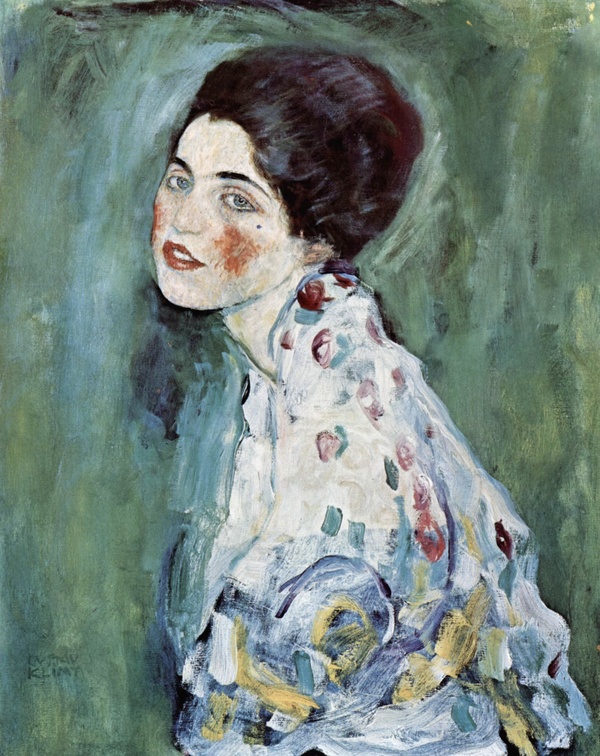
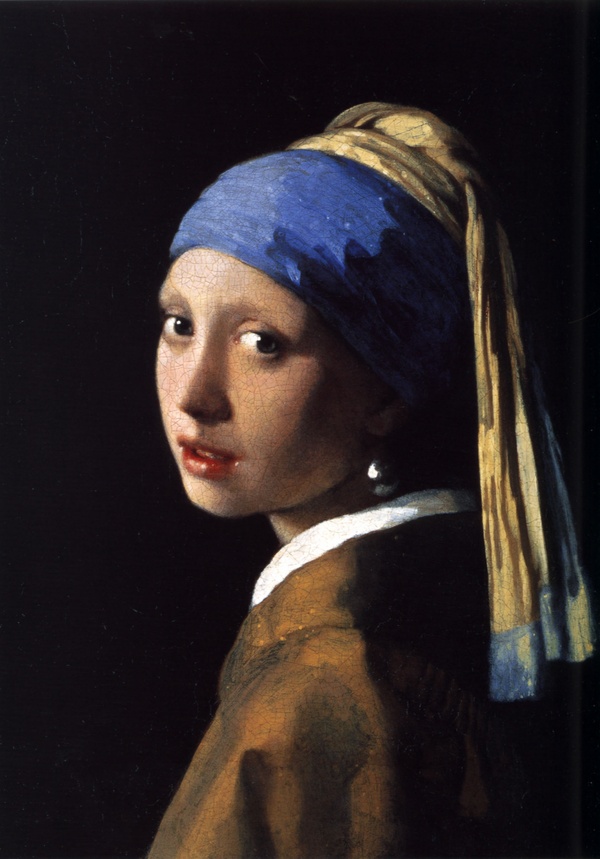
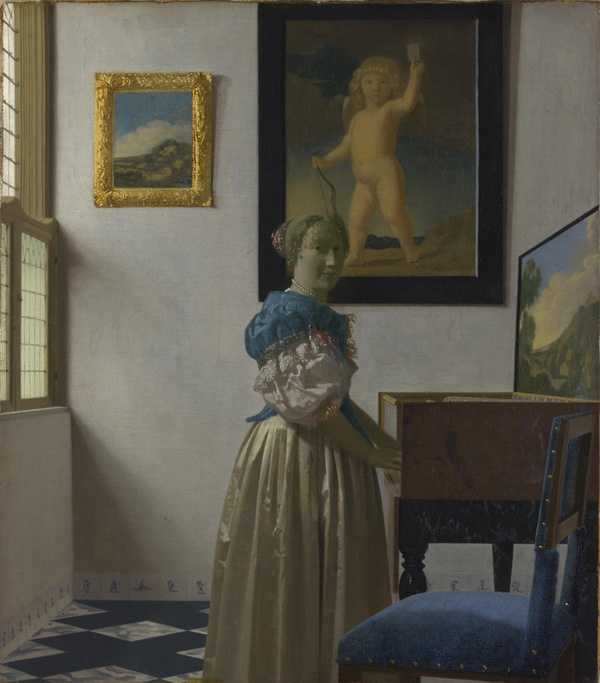
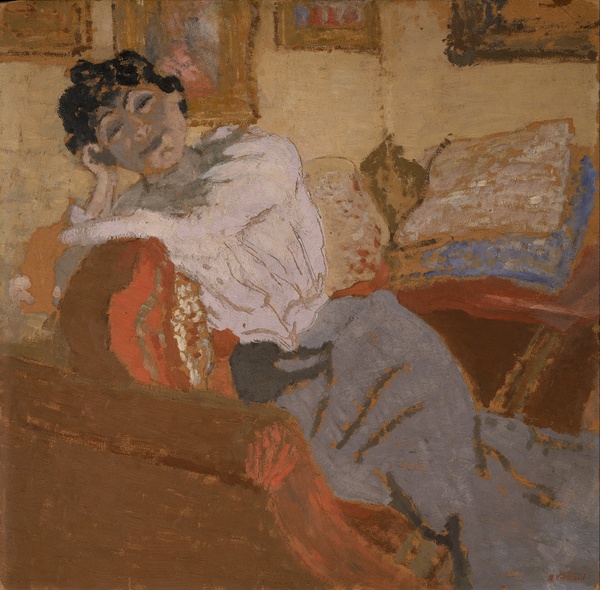
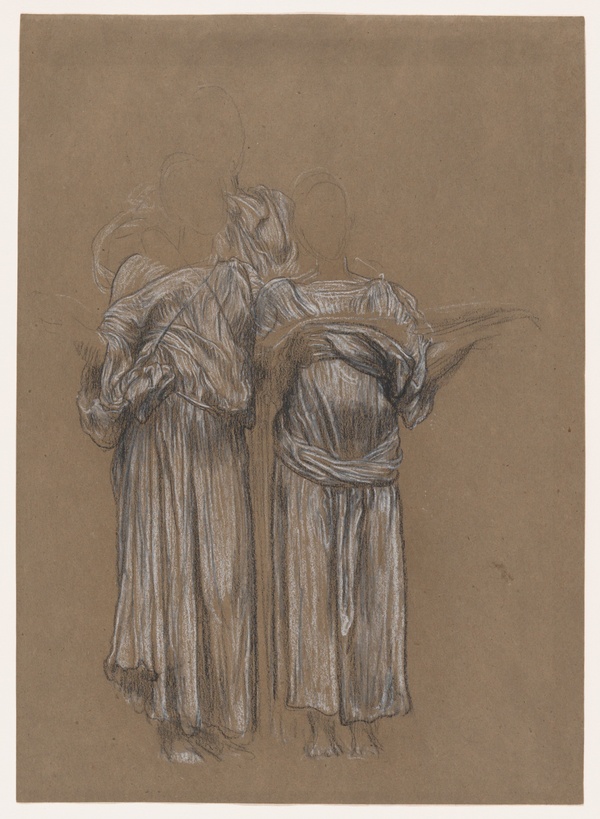
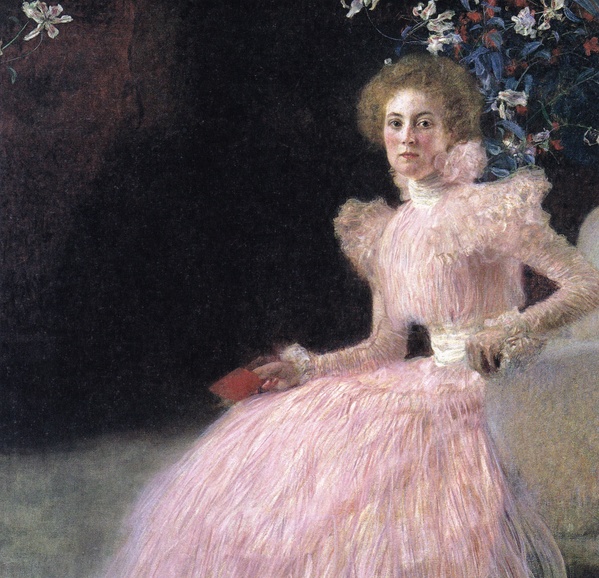
The human form, too, is often clad in these weightless guises. Frederic Leighton’s Study of Three Standing Draped Female Figures for "Music" showcases classical drapery, elegant folds that suggest movement and grace, a visual echo of music’s ephemeral beauty. Gustav Klimt masterfully uses fabric as a psychological veil. In Bildnis Sonja Knips, a luxurious pink silk dress flows around the sitter, a sumptuous yet delicate enclosure. Later, in Portrait of a Lady, Klimt’s subject emerges from a field of muted colors, her expression elusive, her true self guarded by the very presence she projects. Johannes Vermeer, with his unparalleled intimacy, captures the subtle veils of human emotion. The Girl with a Pearl Earring gazes out with an inviting, yet unreadable, expression, her turban an exotic frame to a veiled thought. Similarly, in A Young Woman Standing at a Virginal, the soft light and her gentle smile suggest a world of inner contemplation, a delicate barrier between her thoughts and our perception. Édouard Vuillard’s Madame Hessel au Sofa brings us into a domestic sphere, where comfort and familiarity form a gentle veil, inviting yet holding a quiet reserve.
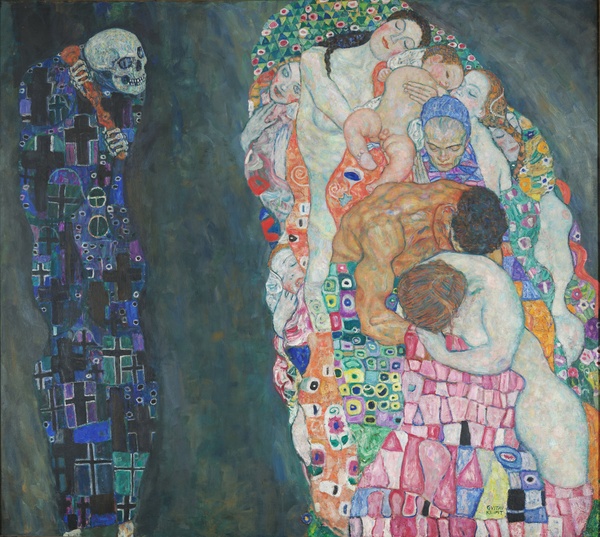
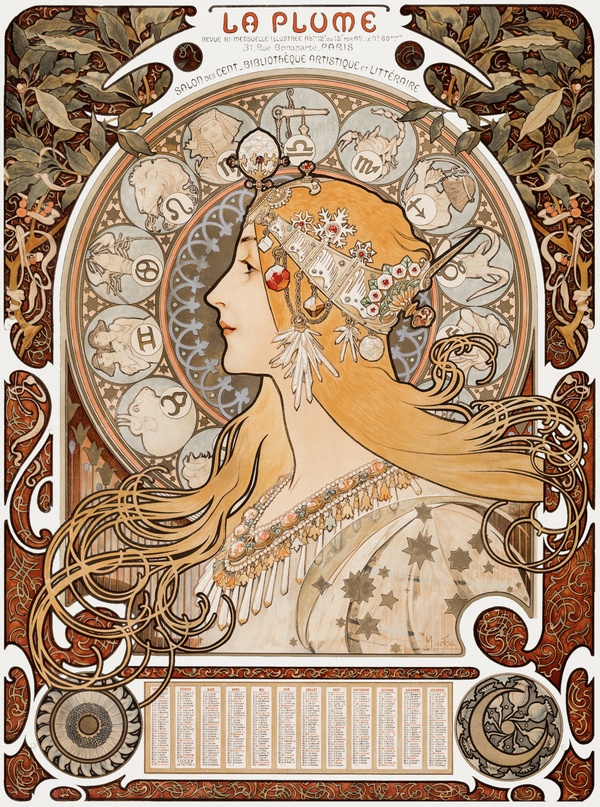
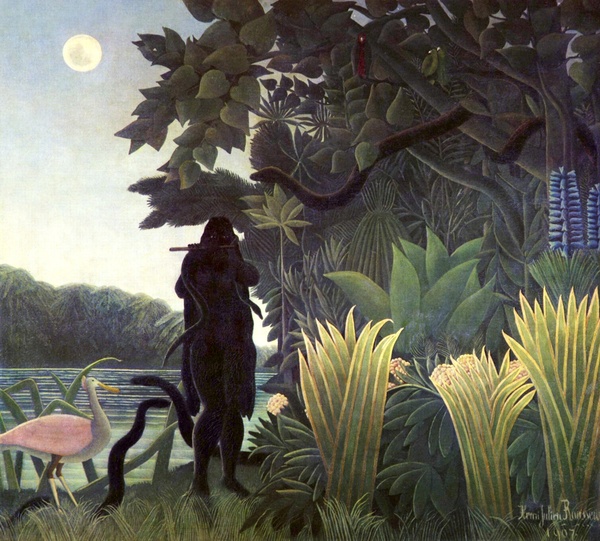
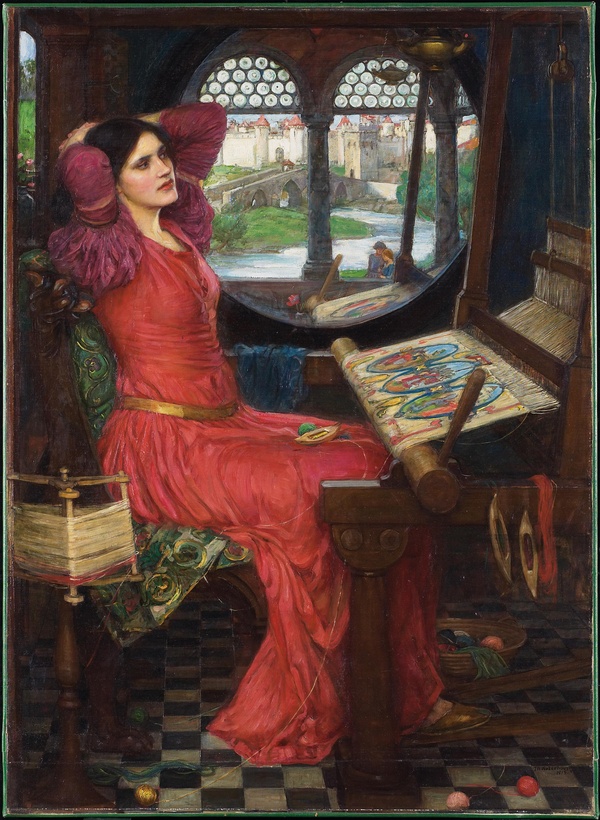
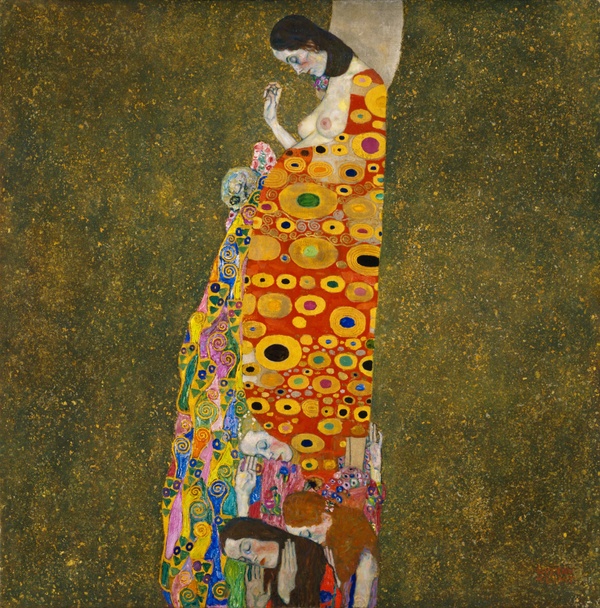
The narratives themselves can be veiled. John William Waterhouse’s "I am half sick of shadows," said the Lady of Shalott plunges us into a world of cursed reflections and impending doom, where shadows are both literal and metaphorical veils. Klimt continues this allegorical exploration with Hope, II, where a pregnant woman is shrouded in rich, Byzantine-inspired patterns, her future veiled by the mysteries of life, and Death and Life, a monumental work where humanity clings together against the looming figure of Death, their existence a vibrant, patterned veil against oblivion. Alphonse Mucha’s Zodiaque evokes a different kind of veil—that of cosmic symbolism and flowing Art Nouveau forms, a decorative layer revealing deeper meaning. Henri Rousseau's The Snake Charmer conjures a primeval jungle, moonlit and mysterious, the air thick with unseen presences and the hypnotic rhythm of the flute, a veil of exotic untamed nature.
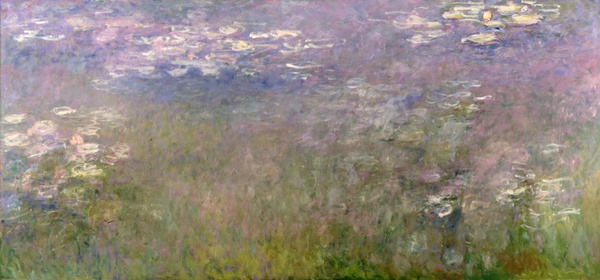
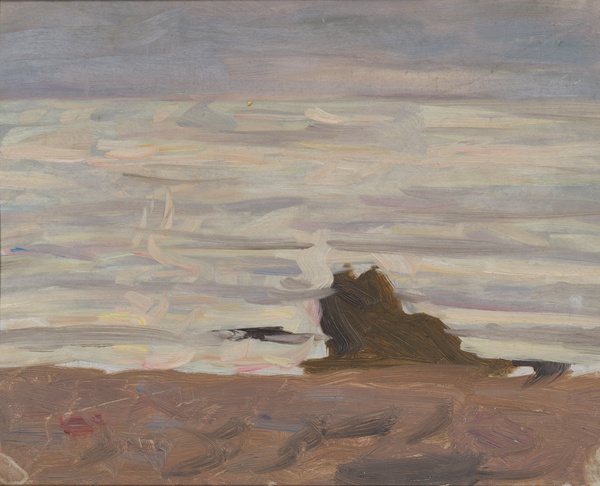
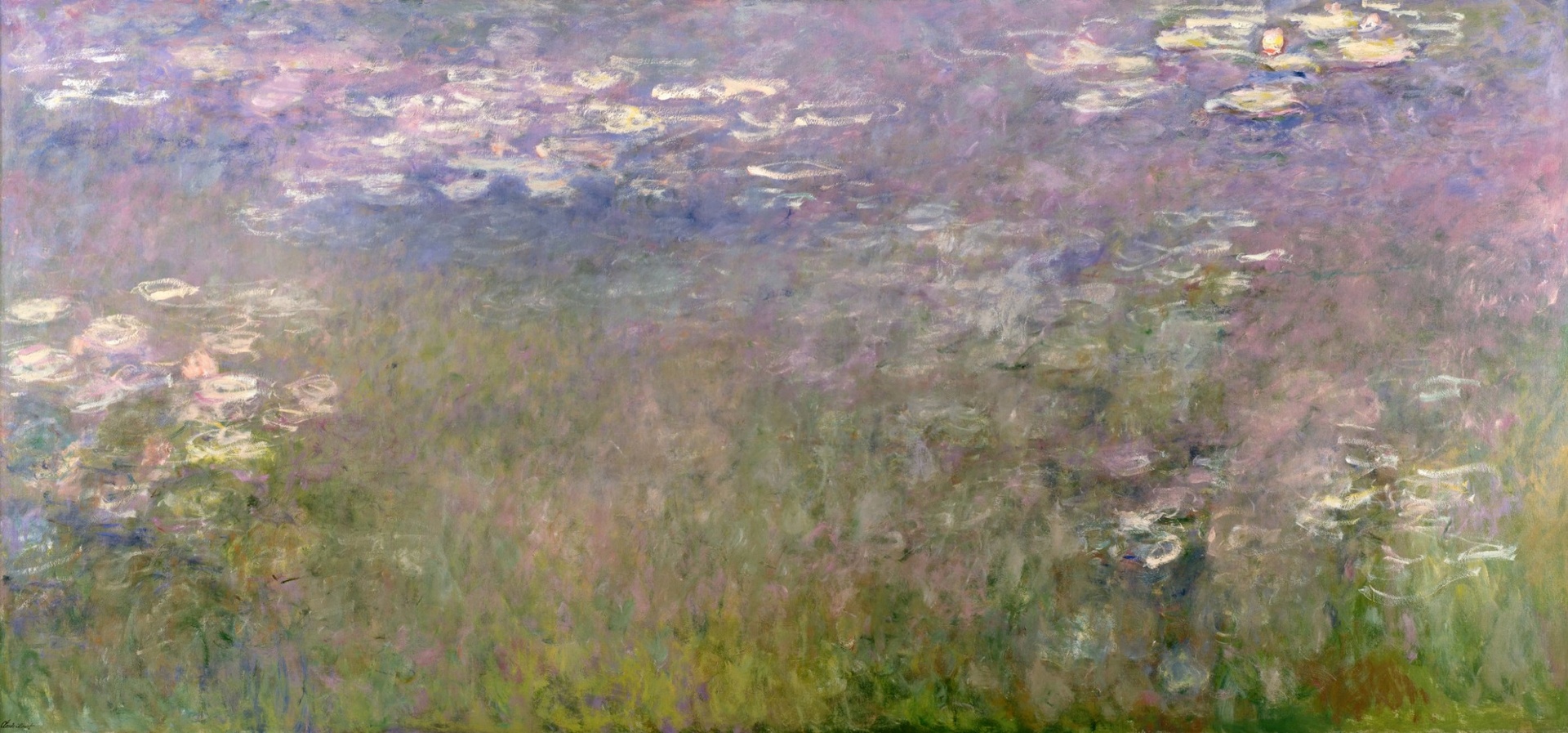
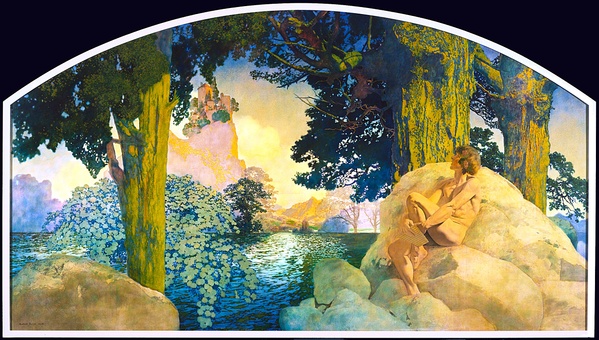
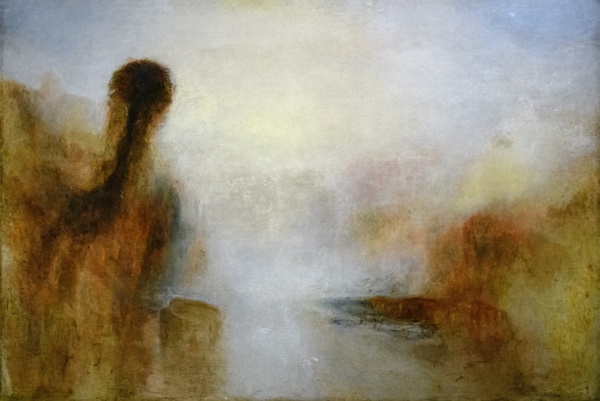
Dreams themselves are weightless veils. Maxfield Parrish’s Dream Castle in the Sky paints a vision of sublime fantasy, a fortress suspended in a glorious, cloud-strewn firmament, the very essence of an imagined reality. J.M.W. Turner’s Landscape with Water pushes abstraction to its limit, forms dissolving into pure light and color, a landscape veiled by the very act of seeing. Claude Monet’s Water Lilies immerses us in a world without horizon, where the surface of the water acts as a shimmering, reflective veil, blurring the distinction between reality and its mirrored image. Richard Bergh’s Grey Sea Arild presents a brooding seascape, the Nordic coast veiled by atmospheric light and the raw power of nature.
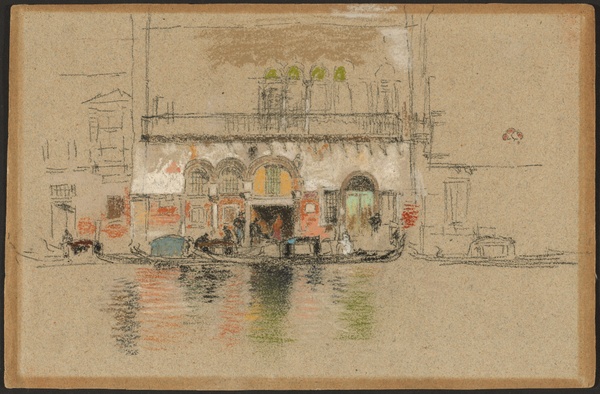
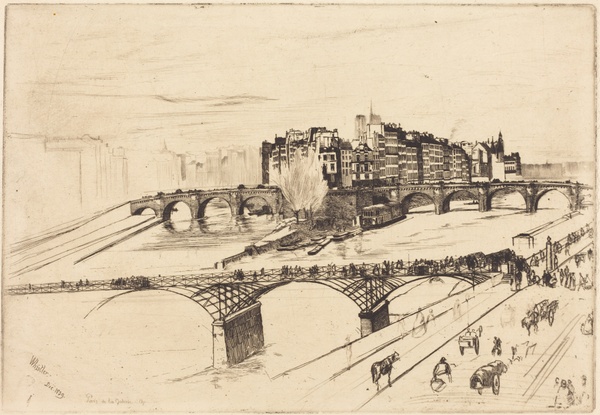
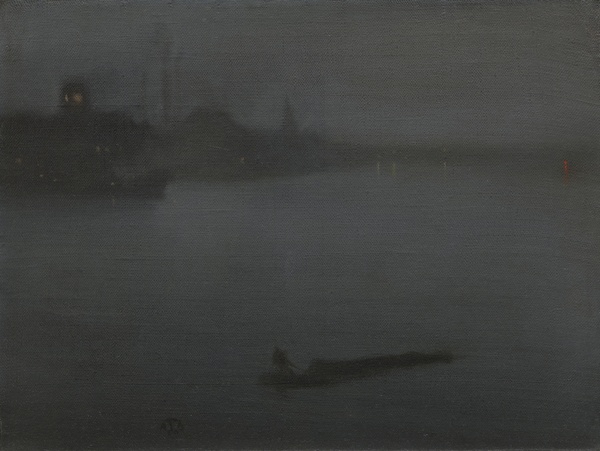
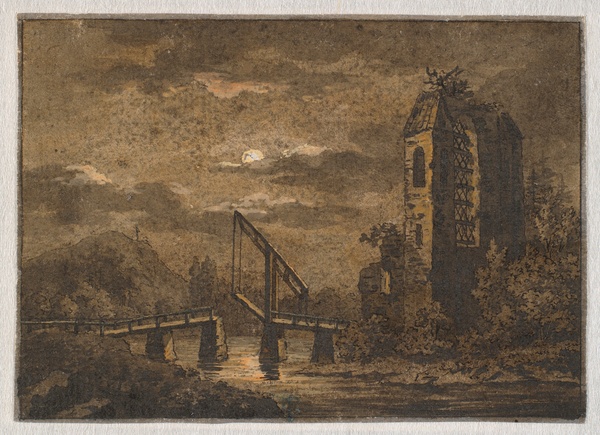
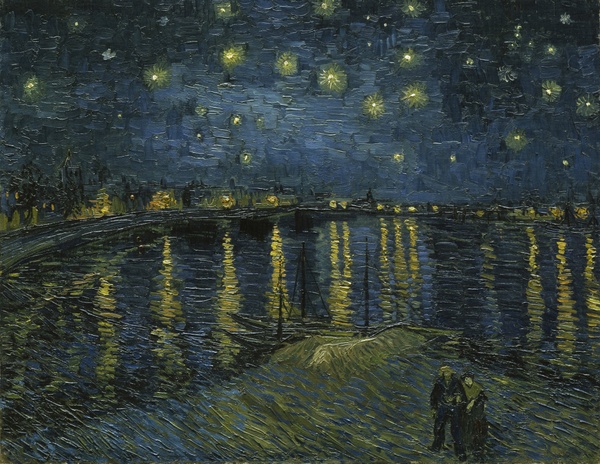
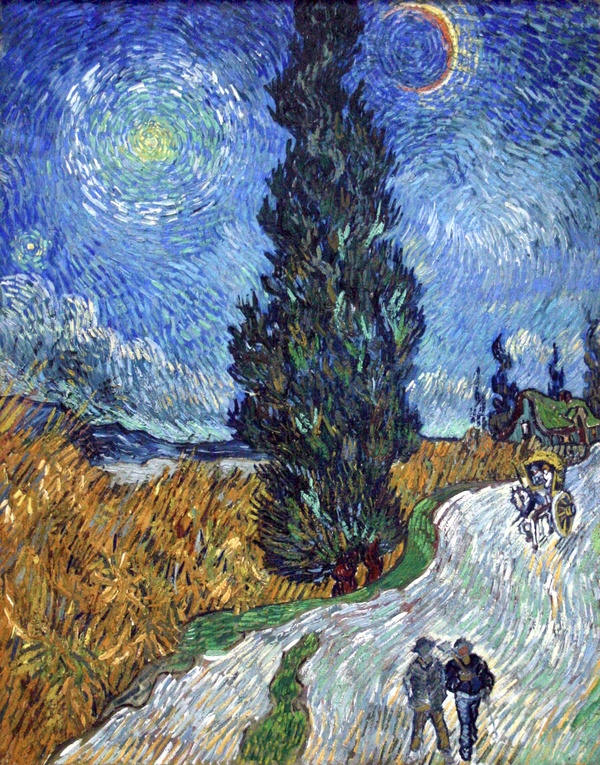
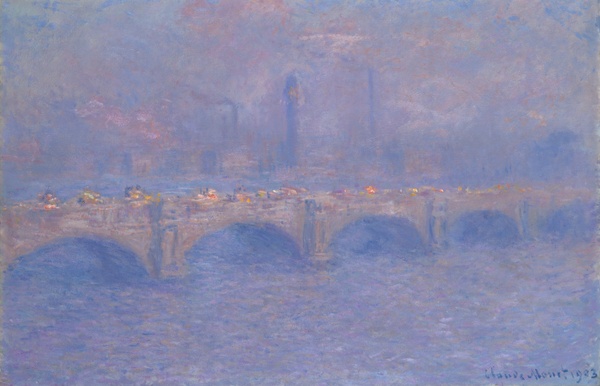
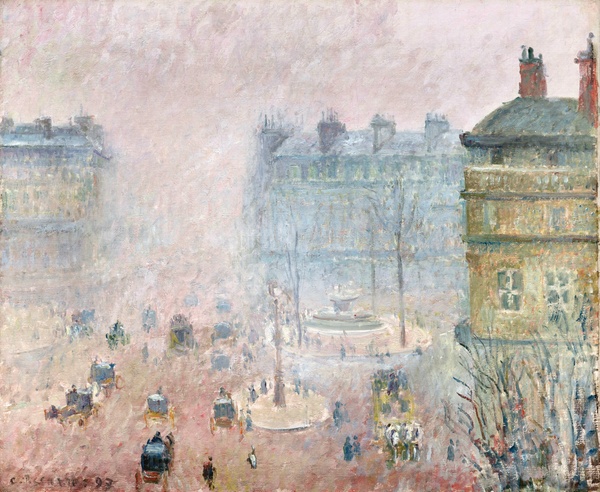
As day turns to dusk, the veil shifts. Claude Monet’s Waterloo Bridge, Sunlight Effect captures the London bridge emerging through industrial haze, sunlight diffusing through the urban atmosphere. Camille Pissarro's Place du Théâtre Français: Fog Effect embraces the dense, encompassing fog of a Parisian winter, obscuring bustling life into ghostly forms. James McNeill Whistler, the master of atmospheric evocation, renders The Palace; White and Pink in pastels, its Venetian facade a delicate, almost ghost-like presence. His Isle de la Cité, Paris etchings offer a bird's-eye view, the city veiled by distance and the intricate dance of light and shadow. Whistler’s Nocturne in Blue and Silver then plunges us into the deep blue of night, where forms are hinted at, not defined, under the moon’s soft luminescence. Caspar David Friedrich’s Landscape with Drawbridge and Ruin in Moonlight conjures a world steeped in Romantic mystery, where ancient ruins and dark trees are veiled by the solemn grandeur of moonlight. Vincent van Gogh’s Starry Night Over the Rhône offers a celestial veil, a vibrant tapestry of stars reflected on the water, an awe-inspiring vision of cosmic energy. Finally, in Road with Cypress and Star, van Gogh’s turbulent night sky and the flame-like cypress tree speak to a spiritual intensity, the ultimate veil between the earthly and the infinite, a profound and moving conclusion to our exploration of the weightless and the veiled.
Artworks in this collection

30 artworks
Impression, Sunrise - Claude Monet (1872)
Premium

Impression, Sunrise - Claude Monet (1872)

Claude Monet

France, 1872

The quintessential Impressionist work, its title alone speaks to the ephemeral nature of light and atmosphere, rendering the scene through a 'weightless veil' of color and light.

Morning Fog - Jasper Francis Cropsey (c. 1854-1855)
Premium

Morning Fog - Jasper Francis Cropsey (c. 1854-1855)

Jasper Francis Cropsey

USA, 1854

The title 'Morning Fog' explicitly refers to a natural veil of vapor, and 'luminism' ensures a focus on delicate, diffused light.

Cloud Study - John Constable (c. 1821–1822)
Premium

Cloud Study - John Constable (c. 1821–1822)

John Constable

United Kingdom, 1822

A direct representation of a 'Cloud Study,' this artwork embodies the ephemeral and translucent qualities of atmospheric phenomena, central to the theme.

Mountains in the Rising Fog - Caspar David Friedrich (ca. 1835)
Premium

Mountains in the Rising Fog - Caspar David Friedrich (ca. 1835)

Caspar David Friedrich

Germany, 1835

The 'Rising Fog' in a mountain landscape directly illustrates atmospheric veiling, obscuring and revealing forms in a subtle, melancholic light.

Primavera (Detail: Mercury Dispersing the Clouds) - Sandro Botticelli (c. 1482)

Primavera (Detail: Mercury Dispersing the Clouds) - Sandro Botticelli (c. 1482)

Sandro Botticelli

Italy, 1482

Mercury 'Dispersing the Clouds' directly relates to the theme of veils of atmosphere, revealing and concealing with light.

The Birth of Venus - Sandro Botticelli (1485)
Premium

The Birth of Venus - Sandro Botticelli (1485)

Sandro Botticelli

Italy, 1485

The 'Birth of Venus' is inherently 'ethereal,' depicting a delicate mythological figure emerging from the sea, surrounded by soft, flowing elements.

Orpheus - Venetian 16th Century (c. 1515)
Premium

Orpheus - Venetian 16th Century (c. 1515)

Venetian 16th Century

Italy, 1515

The mythological subject and 'mysterious' tag evoke a sense of elusive beauty, fitting 'gentle concealment' and hinting at unseen realms.

Study of Three Standing Draped Female Figures for "Music" - Frederic Leighton (ca. 1883–1885)
Premium

Study of Three Standing Draped Female Figures for "Music" - Frederic Leighton (ca. 1883–1885)

Frederic Leighton

United Kingdom, 1883

The 'draped female figures' directly refer to ethereal fabrics that act as veils, emphasizing delicate textures and forms.

Bildnis Sonja Knips - Gustav Klimt (1898)
Premium

Bildnis Sonja Knips - Gustav Klimt (1898)

Gustav Klimt

Austria, 1898

Klimt's decorative style and the 'mysterious' tag for this portrait suggest a figure partially concealed or enhanced by a shimmering, veil-like ornamentation.

Portrait of a Lady - Gustav Klimt (1916–1917)
Premium

Portrait of a Lady - Gustav Klimt (1916–1917)

Gustav Klimt

Austria, 1916

Klimt's portraits often feature intricate, shimmering patterns that can act as a decorative 'veil,' obscuring and enhancing the figure's presence.

Girl with a Pearl Earring - Johannes Vermeer (c. 1665)

Girl with a Pearl Earring - Johannes Vermeer (c. 1665)

Johannes Vermeer

Netherlands, 1665

The subtle interplay of light and shadow on the figure's face, combined with her enigmatic gaze, creates a powerful sense of 'gentle concealment' and mystery.

A Young Woman Standing at a Virginal - Johannes Vermeer (c. 1670-1672)
Premium

A Young Woman Standing at a Virginal - Johannes Vermeer (c. 1670-1672)

Johannes Vermeer

Netherlands, 1671

Vermeer is known for his masterful depiction of soft, diffused light, which gently illuminates the intimate interior scene, making the figure appear as if seen through a delicate filter.

Madame Hessel au Sofa - Édouard Vuillard (c. 1900)
Premium

Madame Hessel au Sofa - Édouard Vuillard (c. 1900)

Édouard Vuillard

France, 1900

Vuillard's intimist paintings often feature figures partially integrated into patterned backgrounds, creating a sense of soft, veiled presence within a domestic interior.

"I am half sick of shadows," said the Lady of Shalott - John William Waterhouse (1915)
Premium

"I am half sick of shadows," said the Lady of Shalott - John William Waterhouse (1915)

John William Waterhouse

United Kingdom, 1915

The direct reference to 'shadows' and the melancholic mood, combined with the Pre-Raphaelite aesthetic of delicate rendering, evoke a figure seen through a literal and emotional veil.

Hope, II - Gustav Klimt (1907-1908)
Premium

Hope, II - Gustav Klimt (1907-1908)

Gustav Klimt

Austria, 1908

Klimt's symbolic figures often appear adorned with shimmering, veil-like elements, and the title 'Hope' suggests a contemplative and elusive emotional depth.

Death and Life - Gustav Klimt (1910–1915)
Premium

Death and Life - Gustav Klimt (1910–1915)

Gustav Klimt

Austria, 1910

Klimt's symbolic style frequently uses flowing fabrics and allegorical figures that appear veiled or shimmering, conveying a profound, elusive emotional state.

Zodiaque - Alphonse Mucha (1896)

Zodiaque - Alphonse Mucha (1896)

Alphonse Mucha

Czech Republic, 1896

Mucha's Art Nouveau style frequently employs flowing lines and translucent drapery that act as elegant, weightless veils, enhancing the 'mystical' quality of his portraits.

The Snake Charmer - Henri Rousseau (1907)
Premium

The Snake Charmer - Henri Rousseau (1907)

Henri Rousseau

France, 1907

Rousseau's unique, dreamlike style and the 'mysterious' tag for this figurative scene align perfectly with the theme of elusive beauty and gentle concealment.

Dream Castle in the Sky - Maxfield Parrish (1908)
Premium

Dream Castle in the Sky - Maxfield Parrish (1908)

Maxfield Parrish

USA, 1908

The title 'Dream Castle in the Sky' and the 'ethereal' tag perfectly align with the theme of weightlessness and elusive, dreamlike beauty.

Landscape with Water - J.M.W. Turner (c.1840-45)
Premium

Landscape with Water - J.M.W. Turner (c.1840-45)

J.M.W. Turner

England, 1843

Turner's romantic landscapes often delve into the 'ethereal,' using light and atmospheric effects to soften forms and create a sense of the sublime, a perfect 'weightless veil'.

Water Lilies - Claude Monet (ca. 1915–1926)
Premium

Water Lilies - Claude Monet (ca. 1915–1926)

Claude Monet

France, 1915

Monet's Water Lilies series is the epitome of capturing ephemeral reflections and diffused light on the water's surface, creating a 'weightless veil' of color and form.

Grey Sea Arild - Richard Bergh (1902)
Premium

Grey Sea Arild - Richard Bergh (1902)

Richard Bergh

Sweden, 1902

The 'Grey Sea' and 'melancholic' mood suggest a seascape under diffused, soft light, possibly mist or fog, creating an elusive, veiled quality.

Waterloo Bridge, Sunlight Effect - Claude Monet (1903)
Premium

Waterloo Bridge, Sunlight Effect - Claude Monet (1903)

Claude Monet

France, 1903

Monet's depiction of 'Sunlight Effect' on Waterloo Bridge captures light filtering through atmospheric haze, a quintessential representation of a 'weightless veil'.

Place du Théâtre Français: Fog Effect - Camille Pissarro (1897)
Premium

Place du Théâtre Français: Fog Effect - Camille Pissarro (1897)

Camille Pissarro

France, 1897

Pissarro's 'Fog Effect' in a Parisian cityscape directly illustrates diffused light filtering through atmospheric vapor, perfectly matching the theme.

The Palace; White and Pink - James McNeill Whistler (1879/1880)
Premium

The Palace; White and Pink - James McNeill Whistler (1879/1880)

James McNeill Whistler

United States, 1879

Whistler's work is renowned for its atmospheric and subtle qualities, suggesting a cityscape partially obscured by soft light, captured in a delicate drawing.

Isle de la Cité, Paris - James McNeill Whistler (1859)

Isle de la Cité, Paris - James McNeill Whistler (1859)

James McNeill Whistler

USA, 1859

Whistler's work is characterized by its subtle tones and atmospheric effects, rendering the cityscape as if seen through a gentle mist.

Nocturne in Blue and Silver - James McNeill Whistler (1872)
Premium

Nocturne in Blue and Silver - James McNeill Whistler (1872)

James McNeill Whistler

United States, 1872

A 'Nocturne in Blue and Silver' perfectly captures the soft, atmospheric light of night, creating a dreamlike and elusive seascape.

Landscape with Drawbridge and Ruin in Moonlight - Caspar David Friedrich (c. early 19th century)

Landscape with Drawbridge and Ruin in Moonlight - Caspar David Friedrich (c. early 19th century)

Caspar David Friedrich

Germany

The 'moonlight' and 'melancholic' atmosphere create a soft, diffused light, veiling the landscape in mystery.

Starry Night Over the Rhône - Vincent van Gogh (1888)

Starry Night Over the Rhône - Vincent van Gogh (1888)

Vincent van Gogh

Netherlands, 1888

The 'Starry Night' above the Rhône captures a celestial 'veil' of light, with stars appearing as shimmering points through a dynamic, yet soft, night sky.

Road with Cypress and Star - Vincent van Gogh (1890)
Premium

Road with Cypress and Star - Vincent van Gogh (1890)

Vincent van Gogh

Netherlands, 1890

Van Gogh's characteristic swirling skies and the 'mysterious' tag suggest an atmospheric landscape where the heavens feel like a vast, dynamic veil.

Discover more curated collections

View all collections