
Curated Collections · 30 artworks · Created March 8, 2026

Whispers of the Urban Night

Where city lights paint silent tales on asphalt and architectural silhouettes whisper under a moonlit sky.

Read it as a book

Download the set in 4K — or open it in the MP Art app to send straight to your Frame

Whispers of the Urban Night

The city, a sprawling beast of brick and ambition, reveals its true soul only after the sun's harsh glare yields to the tender embrace of twilight. It is then, in the liminal hours, that its cacophony softens into a symphony of whispers, its concrete facades transforming into canvases for the moon and artificial light. Our journey into "Whispers of the Urban Night" begins not in the frenetic heart of the metropolis, but on its periphery, where the vestiges of an older world still hold sway.

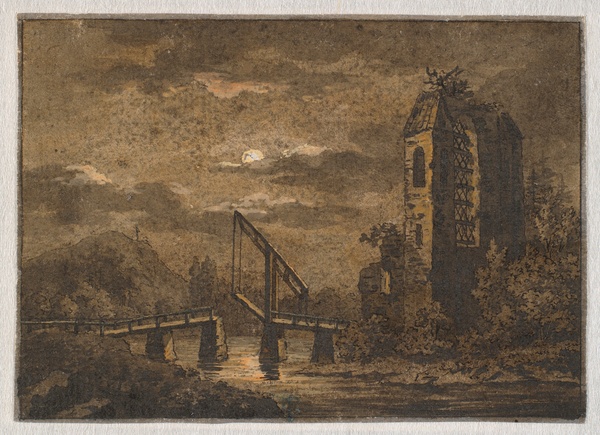
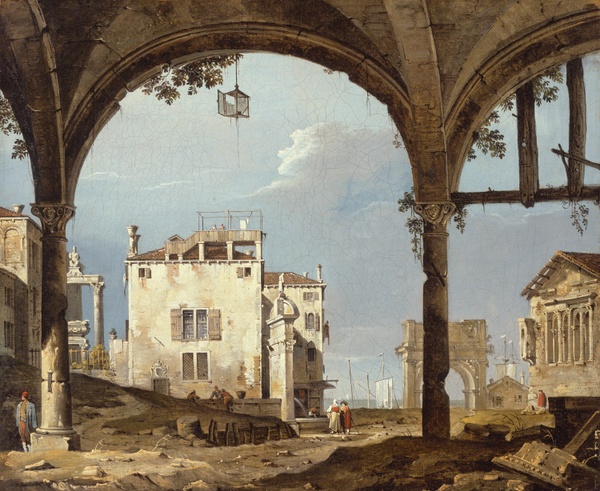
Caspar David Friedrich’s Landscape with Drawbridge and Ruin in Moonlight (c. early 19th century) offers a romantic, almost melancholic, prelude. Here, a drawbridge and ancient ruins stand sentinel against a luminous sky, their forms etched in silver and shadow, speaking of timeless solitude. This sense of isolated contemplation is echoed in the Follower of Canaletto's Portico with a Lantern (1741–1745), where a lone lantern casts a contained glow upon a dilapidated scene, suggesting pockets of light amidst encroaching darkness.
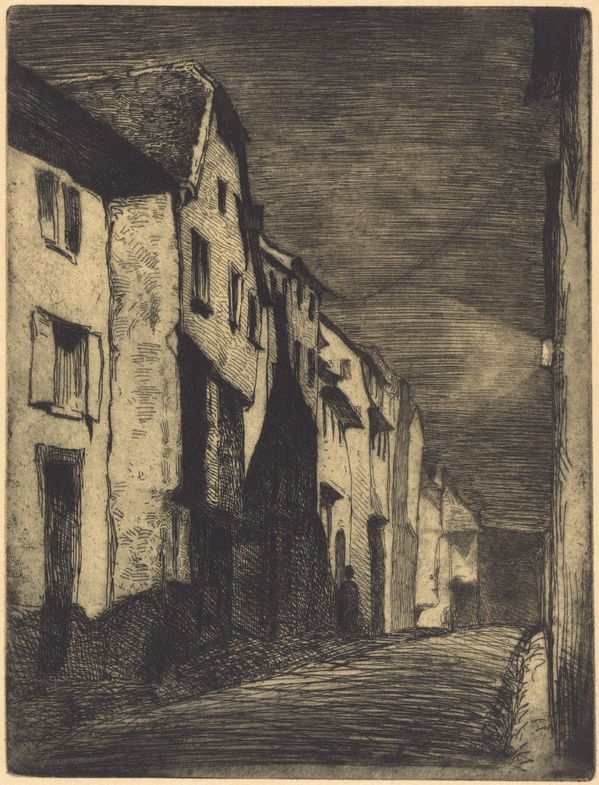
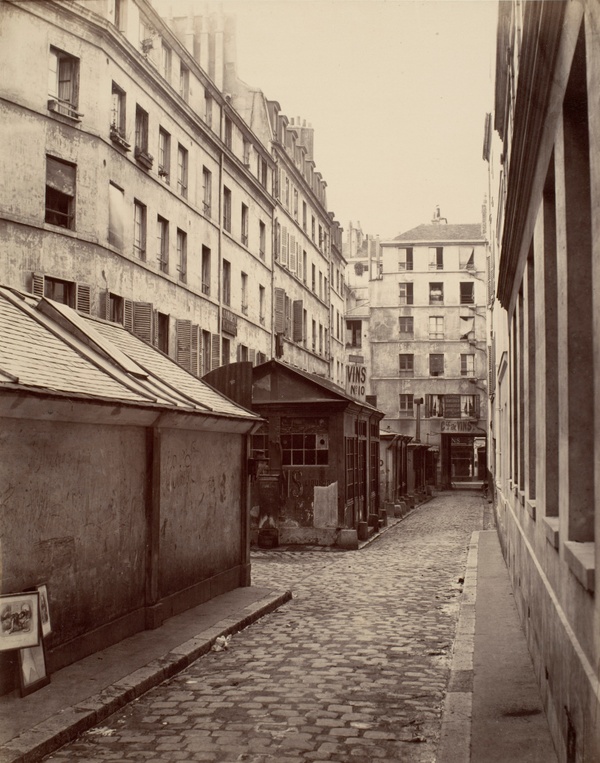
As we move closer to the city's nascent pulse, James McNeill Whistler’s etching, Street at Saverne (1858), captures a narrow, receding lane of irregular old buildings, their deep shadows hinting at untold stories behind every darkened doorway. This atmospheric sensibility finds a poignant counterpart in Charles Marville’s albumen print, Passage des Deux-Soeurs de la rue Lafayette (1867), a ghostly echo of old Paris, its narrow confines soon to be swept away by Baron Haussmann's grand boulevards.
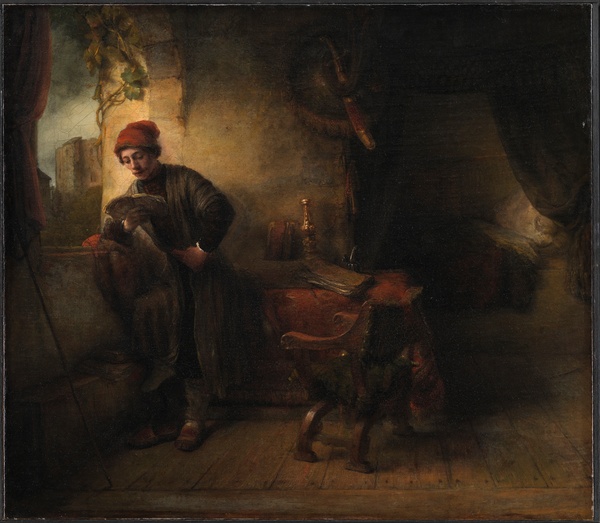
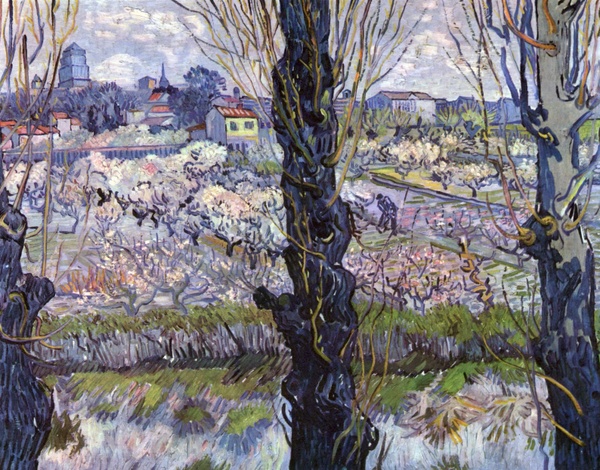
The city then begins to reveal itself through the eyes of its inhabitants. Gustave Caillebotte’s Young Man at His Window (1876) presents a figure gazing intently at the expansive urban landscape, an observer absorbing the city’s silent hum. Soon, those currents become visible in Vincent van Gogh’s sprawling View from Theo's Apartment (1887), a panoramic canvas of rooftops, a precursor to the vibrant nocturnal life about to unfold.
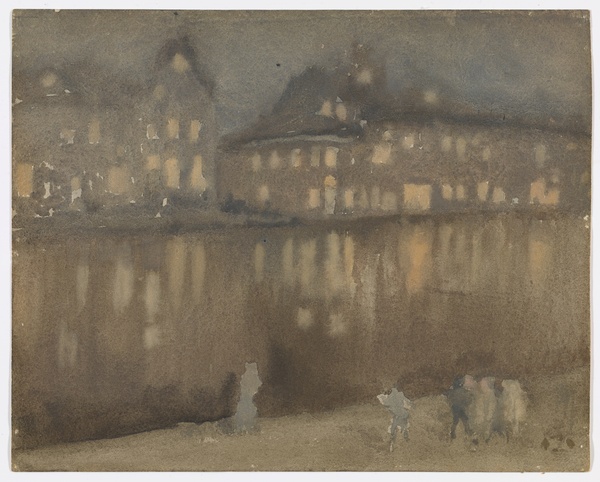
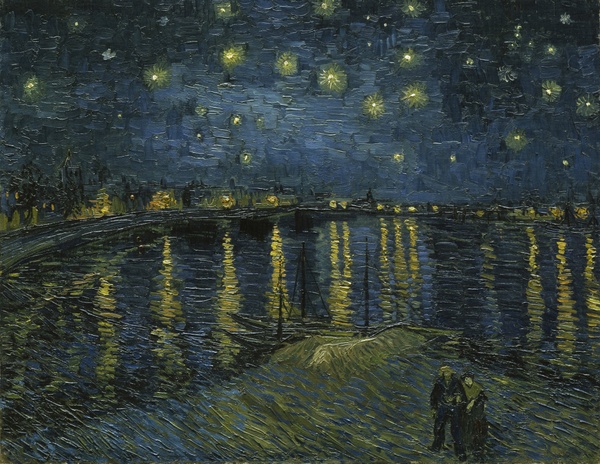
With Van Gogh, the night truly ignites. His Starry Night Over the Rhône (1888) is a breathtaking spectacle of celestial and earthly light, where gas lamps along the riverbanks cast golden reflections that shimmer beneath a swirling, star-dusted sky. This external dynamism leads us directly to the inviting glow of Café Terrace at Night (1888), a masterpiece capturing the electric pulse of a public square under gaslight, brimming with human life and conversation. Whistler’s Grand Canal, Amsterdam; Nocturne (1883–1884) offers a similar enchantment, with shimmering lights dissolving into dark waters.
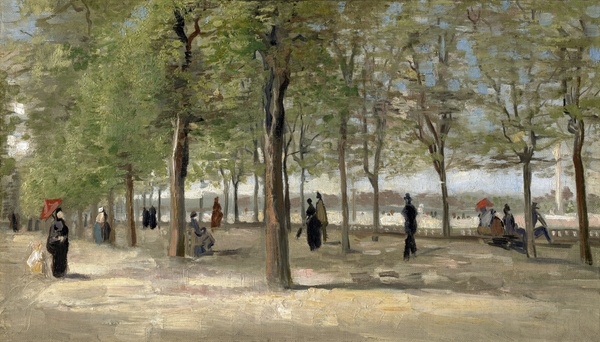
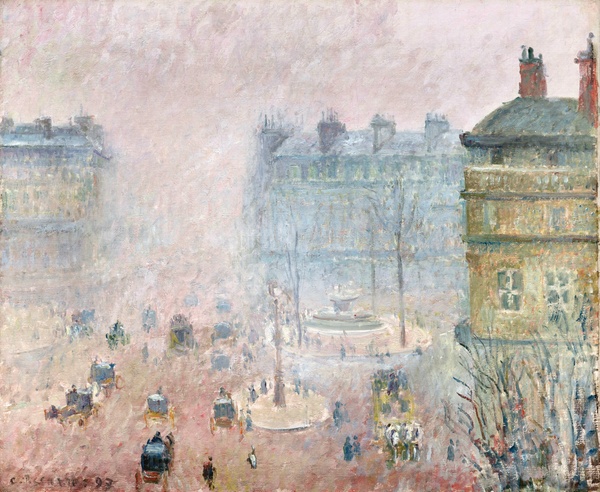
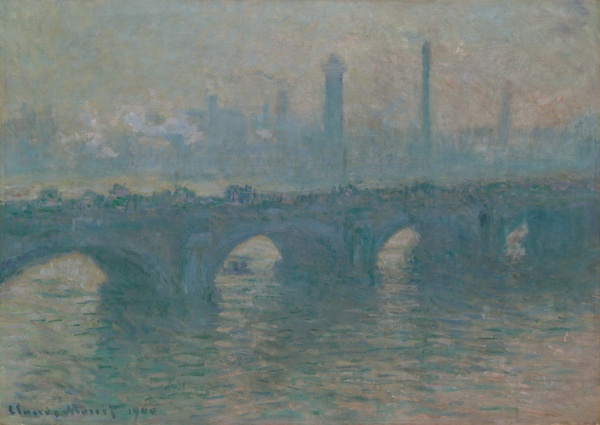
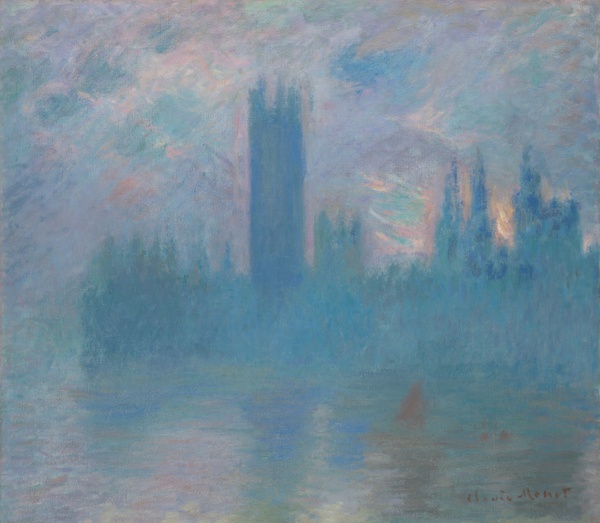
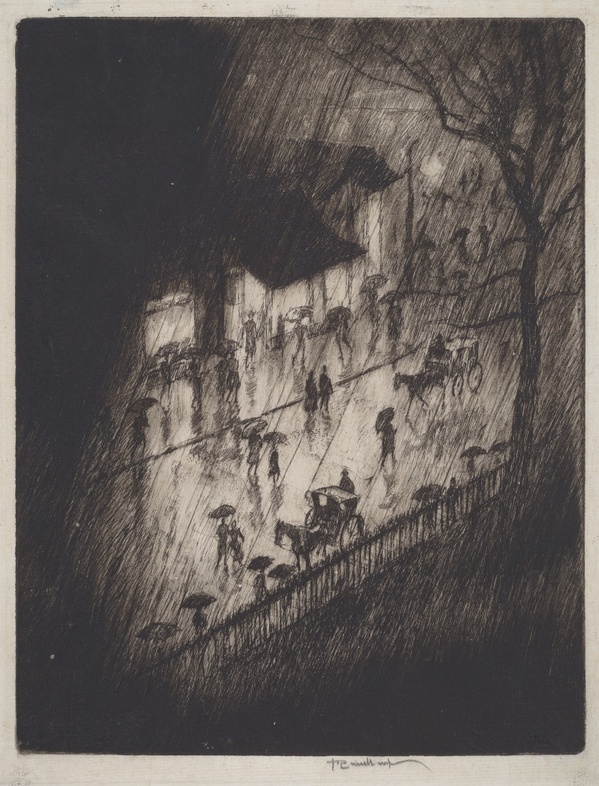
The elements too become part of the urban narrative. Gustave Caillebotte’s Paris Street; Rainy Day (1877), though depicting daylight, sets a precedent for the city’s reflective surfaces, its wet cobblestones mirroring muted light. This prepares us for the authentic nocturnal drama of Joseph Pennell’s etching, Rainy Night, Charing Cross Shops (1903), where London’s streets gleam with reflected shop lights. Camille Pissarro's Place du Théâtre Français: Fog Effect (1897) then bathes Paris in an ethereal mist, turning its grand architecture into spectral forms. Claude Monet’s series on London’s atmospheric conditions, seen in Waterloo Bridge, Gray Weather (1900) and Houses of Parliament, London (1900–1904), further dissolves solid forms into evocative plays of light and shadow.
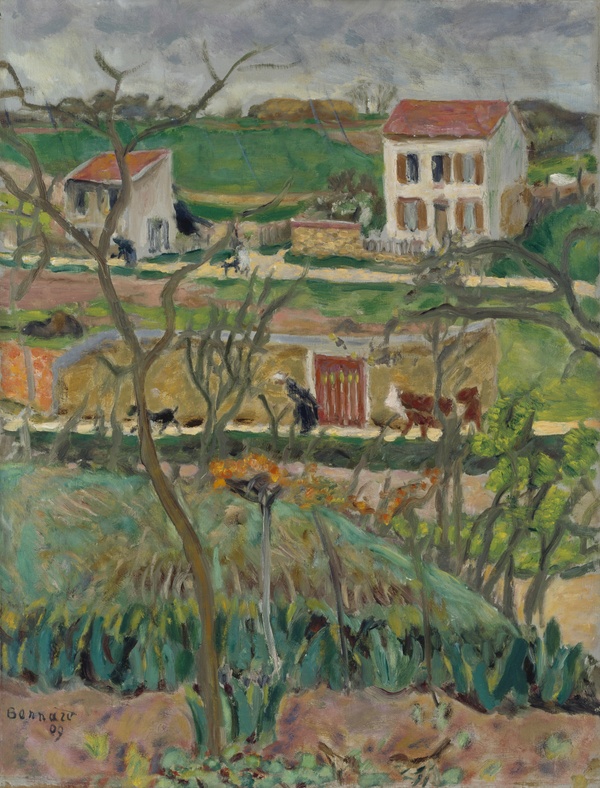
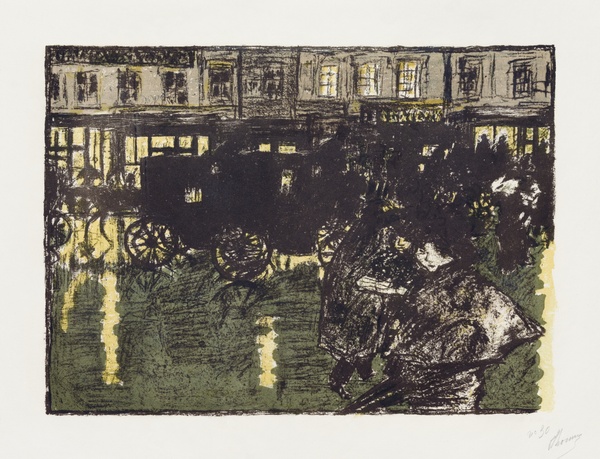
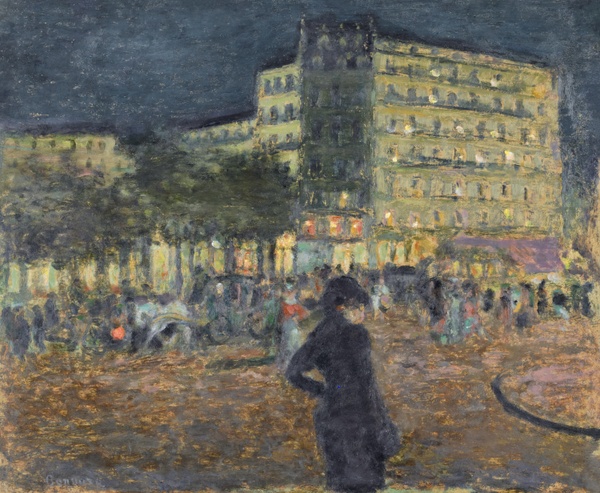
Returning to Paris, Pierre Bonnard captures its essence. Some Aspects of Life in Paris, 11: A Street on a Rainy Evening (1899) immerses us in the city's intimate yet public moments, while Place Pigalle at Night (c. 1905–1908) vibrates with the distinct energy of a famed district under twilight's spell.
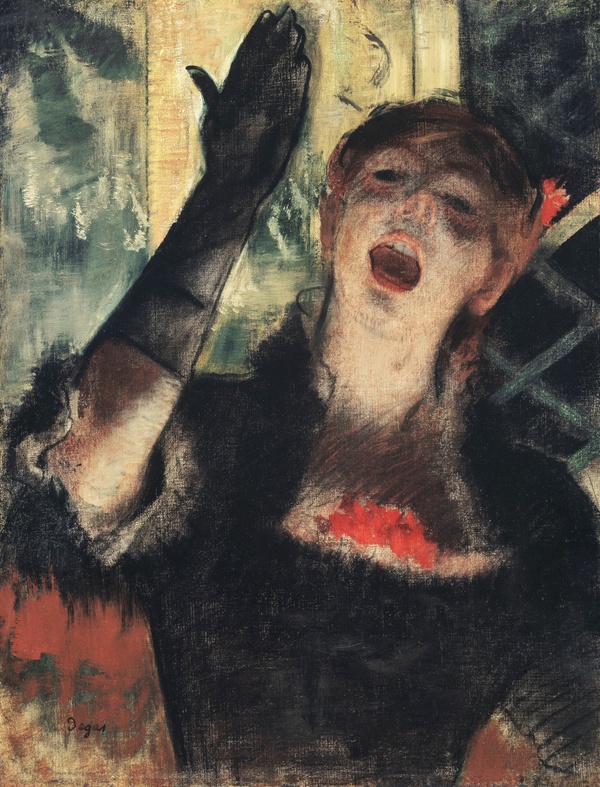
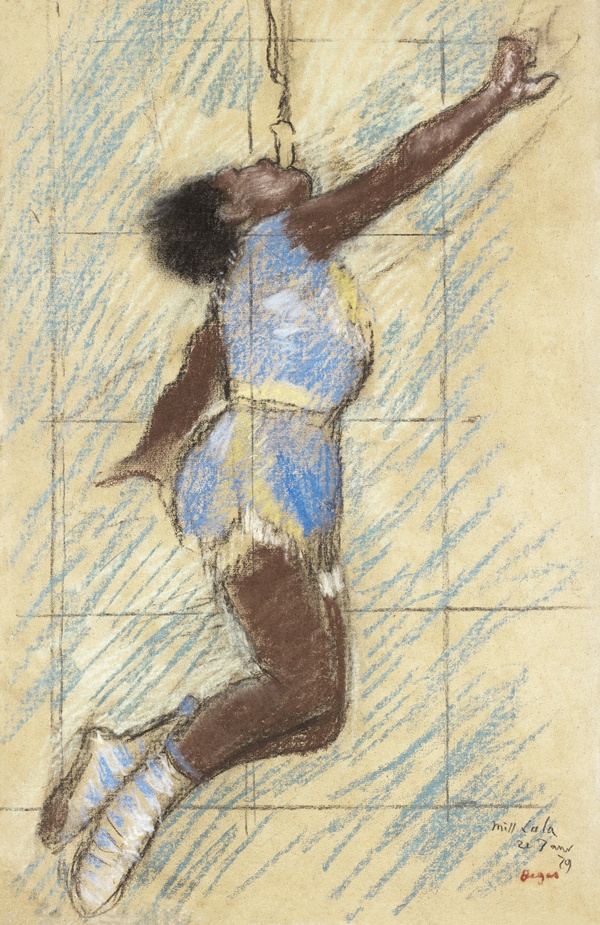
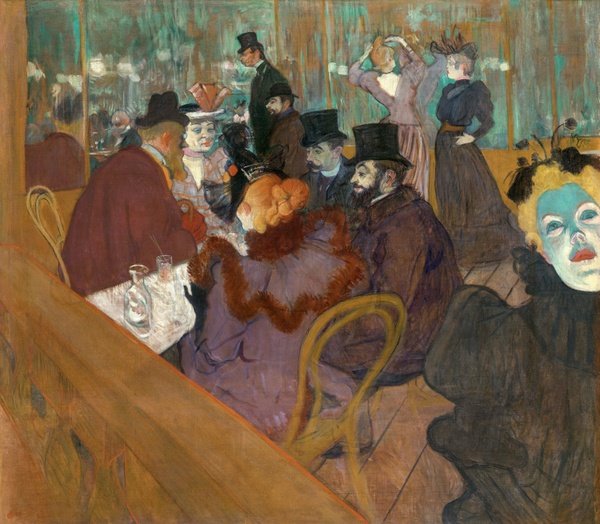
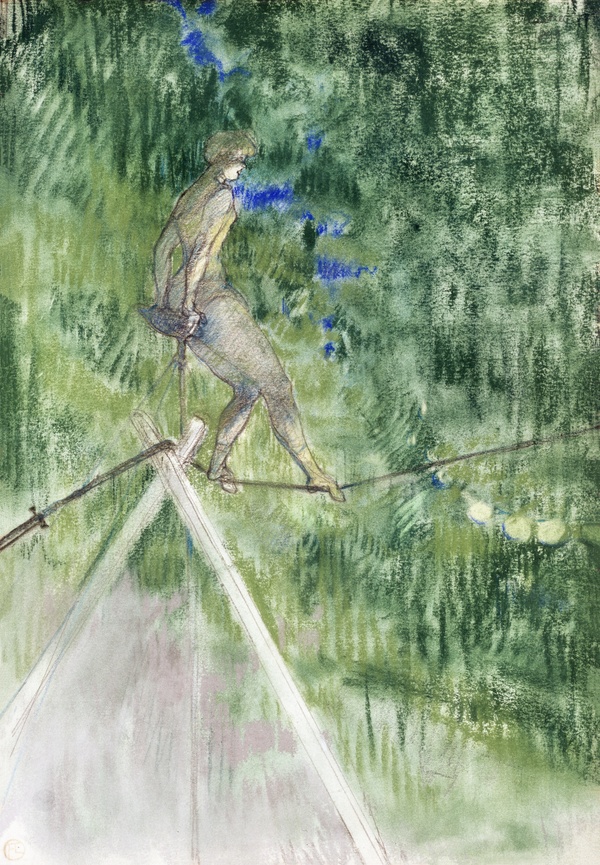
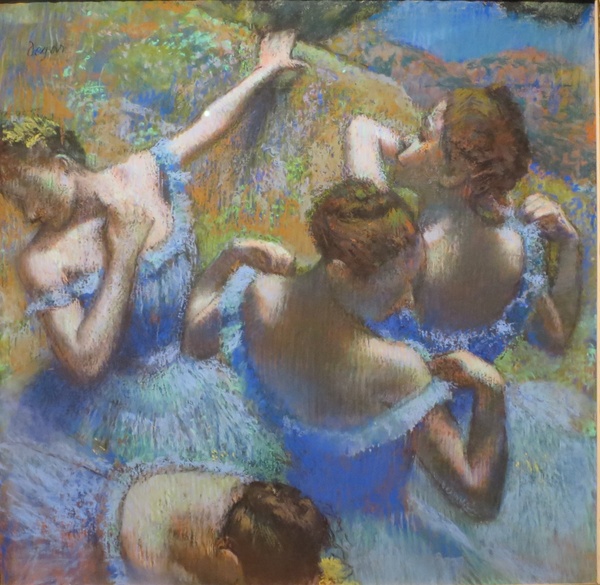
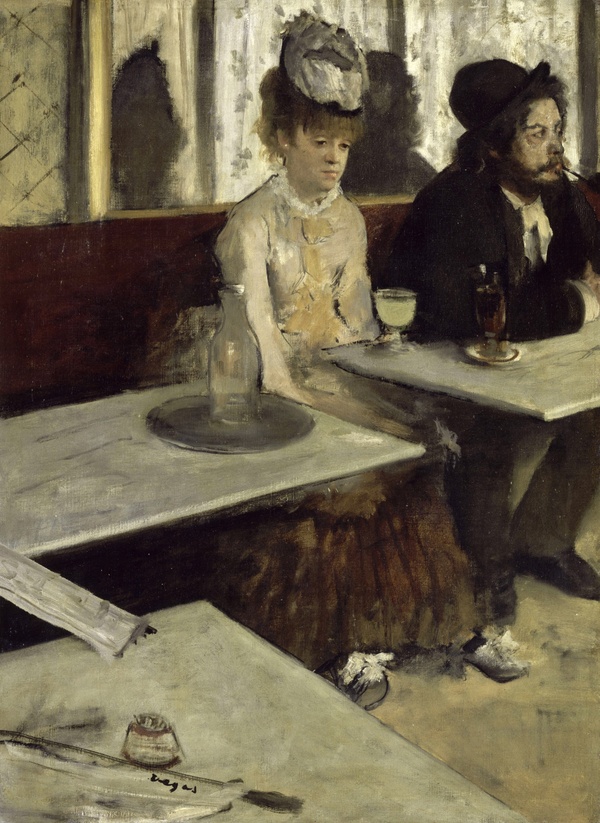
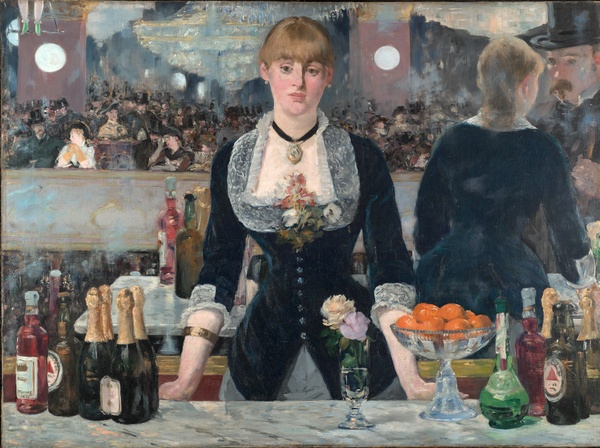
The heart of the urban night often beats loudest in its entertainment venues. Edgar Degas’s L'Absinthe (In a Café) (1876) lays bare the isolation possible even amidst company, a stark observation of urban anomie. Yet, the same city offered vibrant spectacle. Manet’s A Bar at the Folies-Bergère (1882) dazzles with its glittering reflections and the enigmatic gaze of its barmaid, an icon of Parisian nightlife. Degas's Café Singer (1879) and Miss La La at the Cirque Fernando (1879), alongside Henri de Toulouse-Lautrec’s At the Moulin Rouge (1892–1895) and The Rope Dancer (1899), plunge us into the dazzling, sometimes gritty, world of performers and patrons. Degas's Blue Dancers (Danseuses bleues) (1897) offers a more intimate, backstage glimpse.
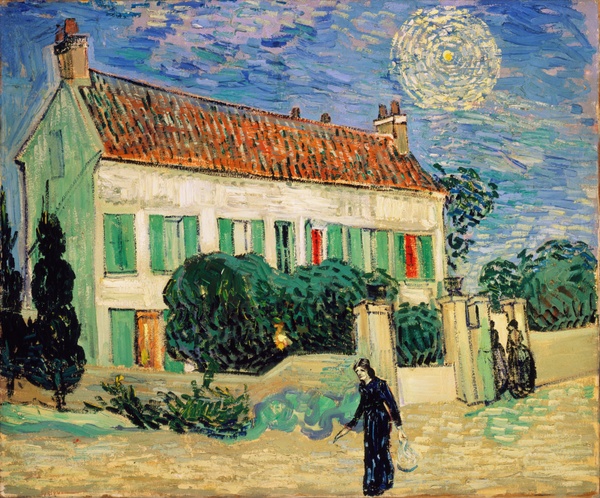
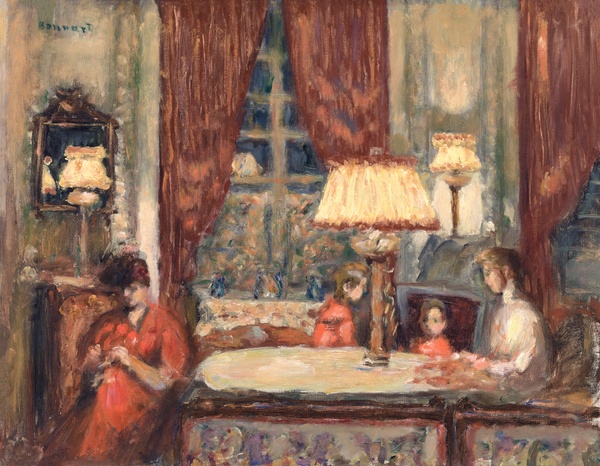
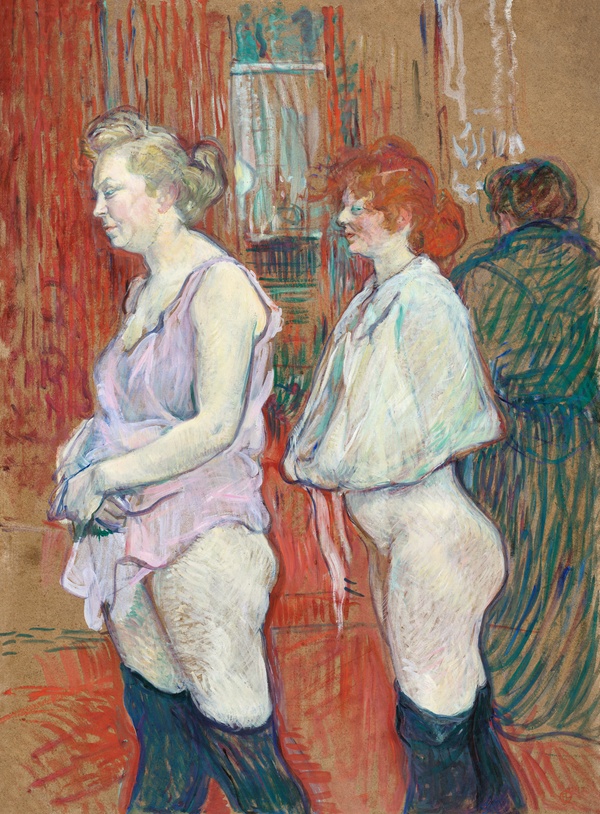
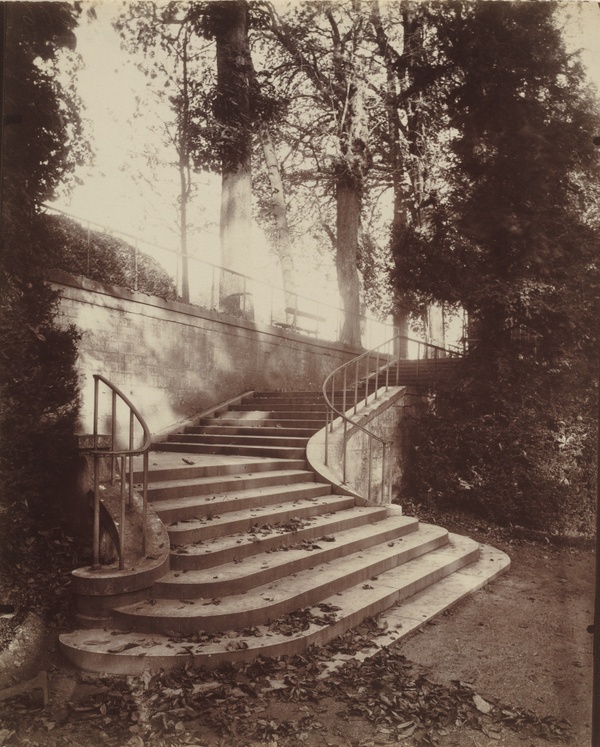
But the urban night also holds its shadows. Toulouse-Lautrec’s unflinching Rue des Moulins, 1894 (1894) brings us into a more clandestine realm, revealing the city’s unvarnished truths. Eugène Atget’s The Steps at Saint-Cloud (1906) provides a moment of monumental stillness, a grand staircase leading perhaps to contemplation, away from the city’s immediate clamor. Van Gogh’s The White House at Night (1890) offers a quiet, almost domestic reflection of night, a pause in the grand narrative. And Pierre Bonnard’s Evening Under the Lamps (La Soirée sous les lampes) (1903) ushers us into the warmth of a private interior, a counterpoint to the public spectacle.
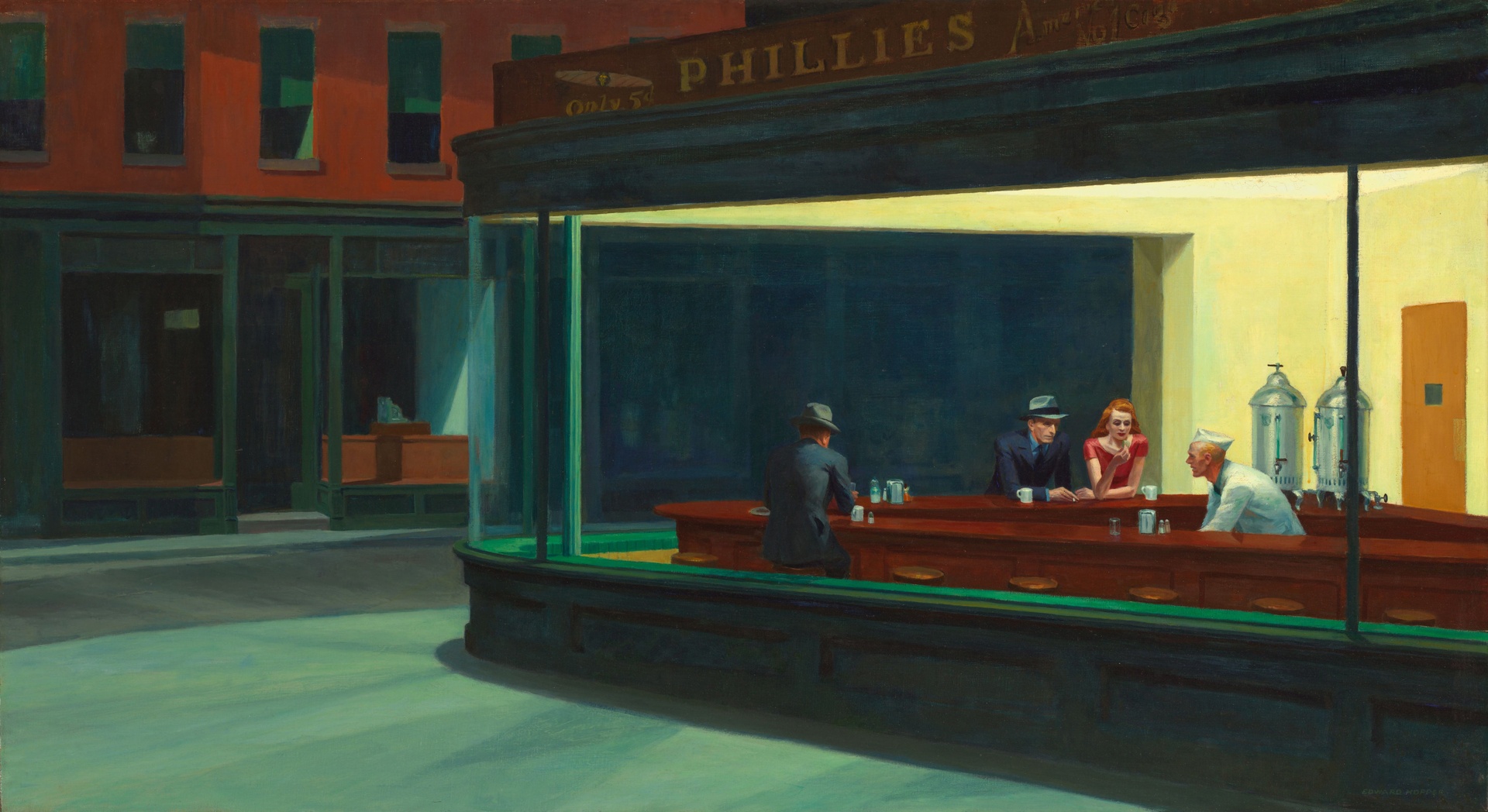
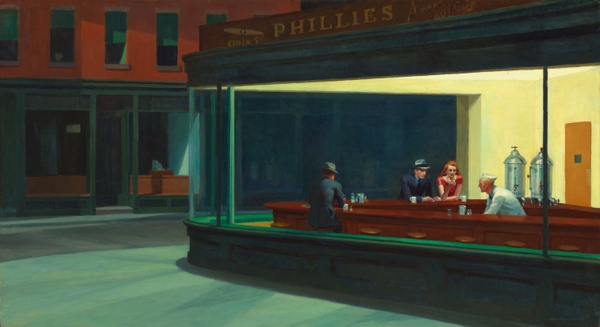
Our journey culminates with Edward Hopper’s seminal Nighthawks (1942). Here, under the stark, almost alien glow of a late-night diner, figures are suspended in a timeless tableau of urban solitude. The light spills onto the darkened street, painting a silent narrative of connection and detachment, a poignant echo of all the whispers we've heard throughout the urban night. These artworks, spanning centuries and styles, collectively render the city not just as a backdrop, but as a living entity, a complex character whose nocturnal emanations continue to resonate, inviting us to listen closely to its enduring, silent tales.
Artworks in this collection

30 artworks
Landscape with Drawbridge and Ruin in Moonlight - Caspar David Friedrich (c. early 19th century)

Landscape with Drawbridge and Ruin in Moonlight - Caspar David Friedrich (c. early 19th century)

Caspar David Friedrich

Germany

Though a landscape, the 'moonlight' and 'melancholic' mood align with 'whispers of the night' and 'atmospheric fog', suggesting a more remote, mysterious urban edge.

Portico with a Lantern - Follower of Canaletto (1741–1745)
Premium

Portico with a Lantern - Follower of Canaletto (1741–1745)

Follower of Canaletto

Italy, 1743

The inclusion of a 'lantern' as a primary light source points to artificial illumination at night, highlighting architectural details in the dark.

Street at Saverne - James McNeill Whistler (1858)

Street at Saverne - James McNeill Whistler (1858)

James McNeill Whistler

United States, 1858

An explicit 'nocturnal' cityscape, capturing the quiet and observational aspect of streets after dark.

Passage des Deux-Soeurs de la rue Lafayette - Charles Marville (1867)
Premium

Passage des Deux-Soeurs de la rue Lafayette - Charles Marville (1867)

Charles Marville

France, 1867

A melancholic and atmospheric early photograph of an empty Parisian street, embodying 'architectural silhouettes' and the quietude of the 'sleeping metropolis'.

Young Man at His Window - Gustave Caillebotte (1876)
Premium

Young Man at His Window - Gustave Caillebotte (1876)

Gustave Caillebotte

France, 1876

A 'contemplative' figure gazing from a window at a 'cityscape', perfectly representing the 'silent stories' and personal reflections within the urban night.

View from Theo's Apartment - Vincent van Gogh (1887)
Premium

View from Theo's Apartment - Vincent van Gogh (1887)

Vincent van Gogh

Netherlands, 1887

Offers a unique perspective of a 'cityscape' from a window, conveying a 'contemplative' and distant view of the 'sleeping metropolis'.

Starry Night Over the Rhône - Vincent van Gogh (1888)

Starry Night Over the Rhône - Vincent van Gogh (1888)

Vincent van Gogh

Netherlands, 1888

A beautiful nocturne cityscape, capturing the tranquil majesty of the night sky over the city and the 'poetry of artificial light' from the riverbanks.

Café Terrace at Night - Vincent van Gogh (1888)

Café Terrace at Night - Vincent van Gogh (1888)

Vincent van Gogh

Netherlands, 1888

Vibrant and atmospheric, this piece explicitly showcases the 'nocturnal cityscapes' and the 'glow of streetlights and neon' that define the theme.

Grand Canal, Amsterdam; Nocturne - James McNeill Whistler (1883–1884)
Premium

Grand Canal, Amsterdam; Nocturne - James McNeill Whistler (1883–1884)

James McNeill Whistler

United States, 1883

A quintessential Whistler 'nocturne cityscape', emphasizing subtle light, mood, and the 'whispers' of a sleeping metropolis.

Paris Street; Rainy Day - Gustave Caillebotte (1877)
Premium

Paris Street; Rainy Day - Gustave Caillebotte (1877)

Gustave Caillebotte

France, 1877

The 'rainy day' and 'cityscape' evoke reflections on wet surfaces and the unique ambiance of urban streets in dim, atmospheric light.

Rainy Night, Charing Cross Shops - Joseph Pennell (1903)
Premium

Rainy Night, Charing Cross Shops - Joseph Pennell (1903)

Joseph Pennell

USA, 1903

Explicitly depicts a 'rainy night' with 'Charing Cross Shops' illuminated, capturing the 'glow of streetlights and neon' and shimmering reflections.

Place du Théâtre Français: Fog Effect - Camille Pissarro (1897)
Premium

Place du Théâtre Français: Fog Effect - Camille Pissarro (1897)

Camille Pissarro

France, 1897

An 'atmospheric' 'cityscape' with a 'fog effect', perfectly matching the theme's mention of 'atmospheric fog' and light play in the urban environment.

Waterloo Bridge, Gray Weather - Claude Monet (1900)
Premium

Waterloo Bridge, Gray Weather - Claude Monet (1900)

Claude Monet

France, 1900

The 'gray weather' and 'cityscape' combination suggests a moody, atmospheric urban scene, easily interpretable as twilight or early night with subtle streetlights.

Houses of Parliament, London - Claude Monet (1900–1904)
Premium

Houses of Parliament, London - Claude Monet (1900–1904)

Claude Monet

France, 1904

Monet's Houses of Parliament series, especially with its atmospheric fog, perfectly illustrates the interplay of light and shadow in an urban 'atmospheric' setting.

Some Aspects of Life in Paris, 11: A Street on a Rainy Evening (Rue le soir sous la pluie) - Pierre Bonnard (1899)
Premium

Some Aspects of Life in Paris, 11: A Street on a Rainy Evening (Rue le soir sous la pluie) - Pierre Bonnard (1899)

Pierre Bonnard

France, 1899

Directly matches the 'reflections shimmer on wet asphalt' and 'rainy evening' elements, evoking a melancholic and atmospheric urban mood.

Place Pigalle at Night - Pierre Bonnard (c. 1905–1908)

Place Pigalle at Night - Pierre Bonnard (c. 1905–1908)

Pierre Bonnard

France, 1905

An explicit 'nocturnal' 'cityscape', ideal for showcasing the bustling yet mysterious nature of the urban night.

L'Absinthe (In a Café) - Edgar Degas (1876)

L'Absinthe (In a Café) - Edgar Degas (1876)

Edgar Degas

France, 1876

A classic depiction of urban interior life, with 'solitary figures' in a café, reflecting the 'silent stories' and melancholic mood of the city after dusk.

A Bar at the Folies-Bergère - Édouard Manet (1882)
Premium

A Bar at the Folies-Bergère - Édouard Manet (1882)

Édouard Manet

France, 1882

An iconic urban night scene, featuring a solitary figure under the 'glow of artificial light' at a bar, conveying 'silent stories' and a sense of detachment.

Café Singer - Edgar Degas (1879)
Premium

Café Singer - Edgar Degas (1879)

Edgar Degas

France, 1879

Captures the lively yet intimate atmosphere of a 'café' at night, with dramatic lighting on urban figures, fitting the theme's 'whispers' of urban life.

At the Moulin Rouge - Henri de Toulouse-Lautrec (1892–1895)

At the Moulin Rouge - Henri de Toulouse-Lautrec (1892–1895)

Henri de Toulouse-Lautrec

France, 1892

A vibrant and crowded 'nightlife' scene, highlighting the energy and artificial illumination of the urban heart after dusk.

Miss La La at the Cirque Fernando - Edgar Degas (1879)
Premium

Miss La La at the Cirque Fernando - Edgar Degas (1879)

Edgar Degas

France, 1879

A vibrant and 'dramatic' scene of an urban performance, capturing the 'fleeting moments of beauty' and the artificial glow of the circus at night.

The Rope Dancer - Henri de Toulouse-Lautrec (1899)

The Rope Dancer - Henri de Toulouse-Lautrec (1899)

Henri de Toulouse-Lautrec

France, 1899

Depicts a 'dramatic' performance in an urban entertainment venue, showcasing 'fleeting moments of beauty' and the allure of 'artificial light' in the night.

Blue Dancers (Danseuses bleues) - Edgar Degas (1897)
Premium

Blue Dancers (Danseuses bleues) - Edgar Degas (1897)

Edgar Degas

France, 1897

The 'blue-tones' and 'figures' of dancers evoke the late-night, dreamlike quality of urban entertainment and performance spaces.

Rue des Moulins, 1894 - Henri de Toulouse-Lautrec (1894)
Premium

Rue des Moulins, 1894 - Henri de Toulouse-Lautrec (1894)

Henri de Toulouse-Lautrec

France, 1894

An intimate street scene focusing on figures and interior life, suggesting the 'silent stories' unfolding in the 'urban heart' at night.

The Steps at Saint-Cloud - Eugène Atget (1906)
Premium

The Steps at Saint-Cloud - Eugène Atget (1906)

Eugène Atget

France, 1906

Atget's work often captures the desolate beauty of Parisian architecture, evoking a sense of timeless quiet in the urban landscape, even if not explicitly night, it holds a nocturnal mood.

The White House at Night - Vincent van Gogh (1890)
Premium

The White House at Night - Vincent van Gogh (1890)

Vincent van Gogh

Netherlands, 1890

Explicitly a 'nocturnal' architectural scene, capturing the 'quiet majesty of architectural silhouettes against the night sky'.

Evening Under the Lamps (La Soirée sous les lampes) - Pierre Bonnard (1903)
Premium

Evening Under the Lamps (La Soirée sous les lampes) - Pierre Bonnard (1903)

Pierre Bonnard

France, 1903

An 'intimate interior' scene set 'under the lamps', directly illustrating the 'poetry of artificial light' and 'silent stories unfolding in the urban heart'.

Nighthawks - Edward Hopper (1942)
Premium

Nighthawks - Edward Hopper (1942)

Edward Hopper

USA, 1942

An iconic depiction of urban isolation and the melancholic glow of artificial light in the late city night, perfectly embodying 'solitary figures' and 'silent stories'.

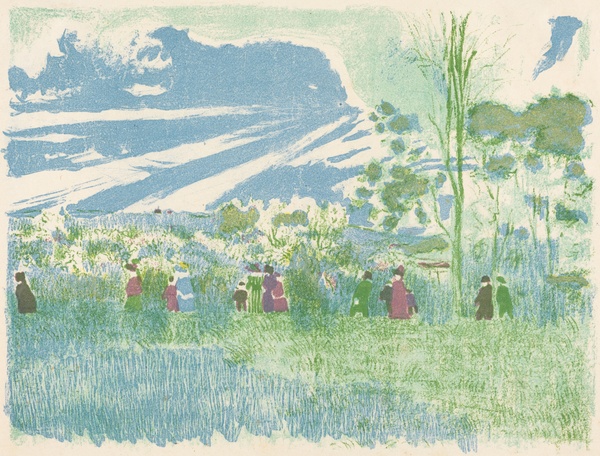
Across Country (A travers champs) - Édouard Vuillard (1897/1898, published 1899)
Premium

Across Country (A travers champs) - Édouard Vuillard (1897/1898, published 1899)

Édouard Vuillard

France, 1897

Captures a bustling urban transport hub at what appears to be dusk or night, highlighting movement and 'fleeting moments' under artificial light.

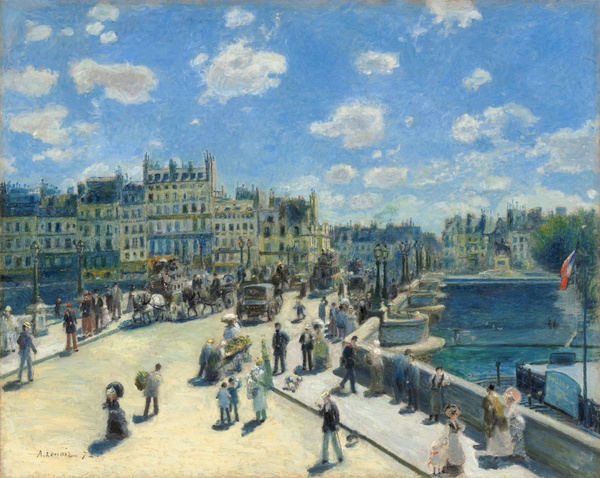
Pont Neuf, Paris - Pierre-Auguste Renoir (1872)

Pont Neuf, Paris - Pierre-Auguste Renoir (1872)

Pierre-Auguste Renoir

France, 1872

A 'vibrant-colors' 'cityscape' that, while not explicitly night, suggests the energetic and illuminated atmosphere of Parisian evenings.

Discover more curated collections

View all collections