
Curated Collections · 30 artworks · Created April 11, 2026

Celestial Cartography

Navigating the Celestial Void: Where Human Geometry Meets the Ancient Light of the Cosmos

Read it as a book

Download the set in 4K — or open it in the MP Art app to send straight to your Frame

Celestial Cartography

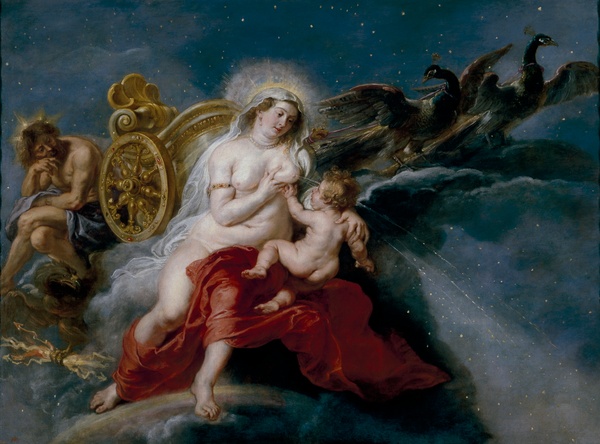
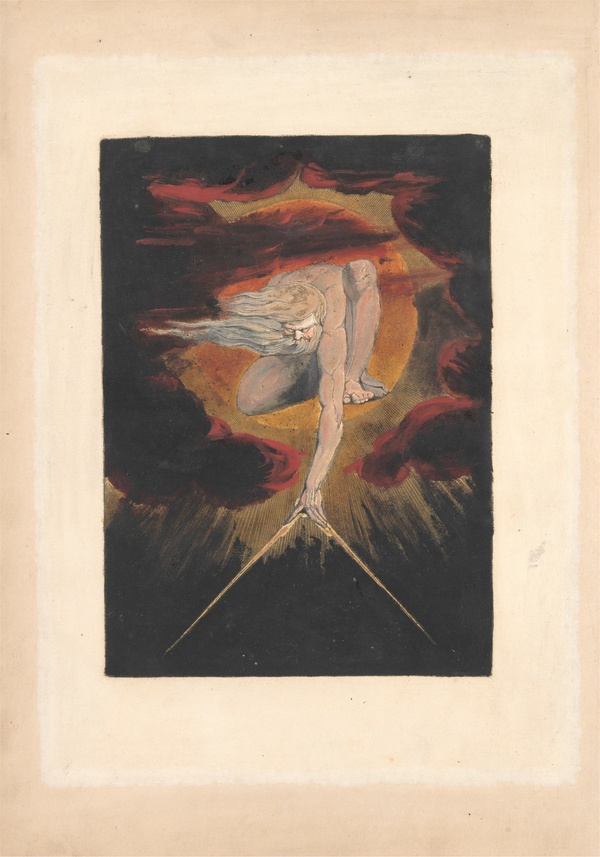
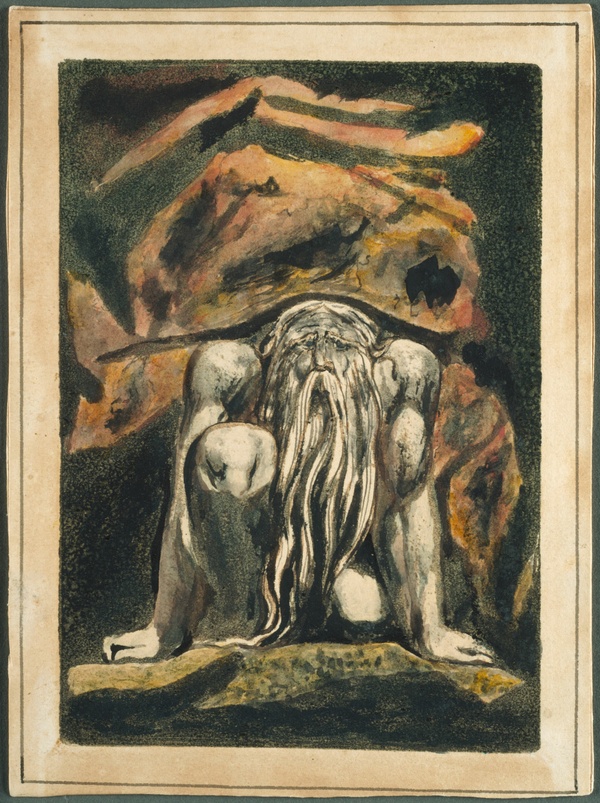
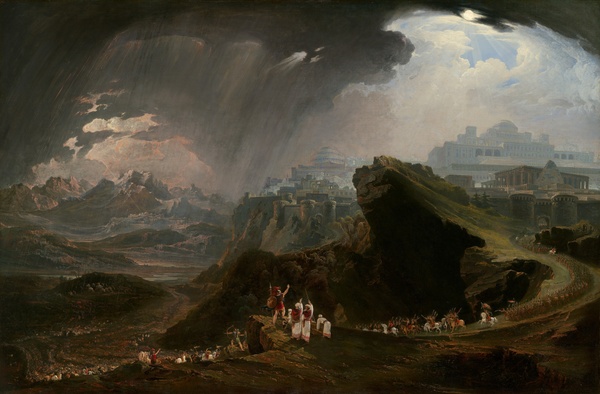
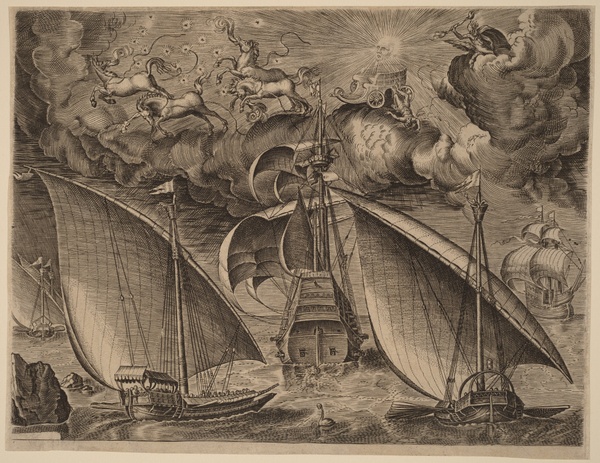
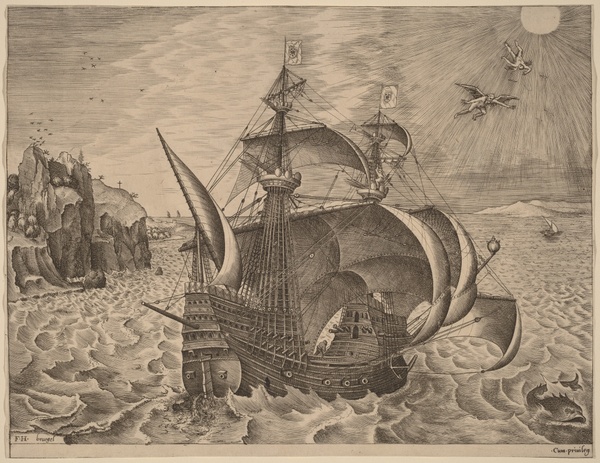
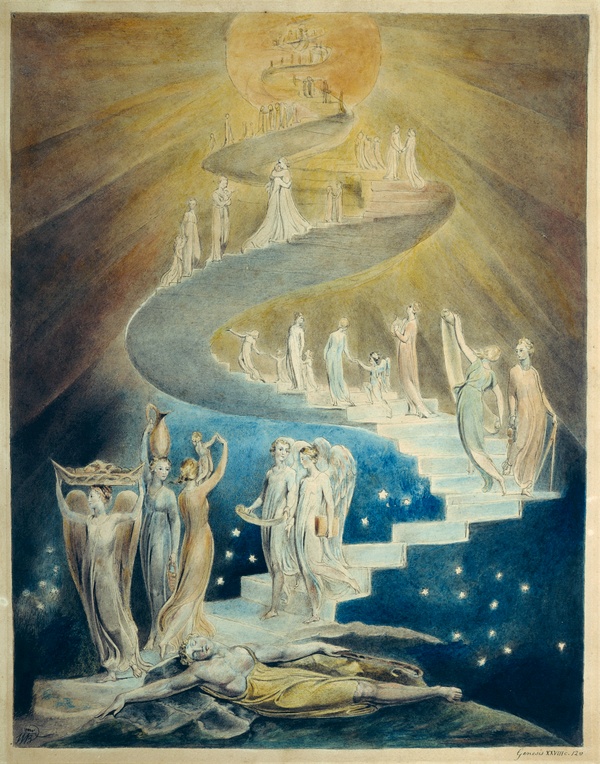
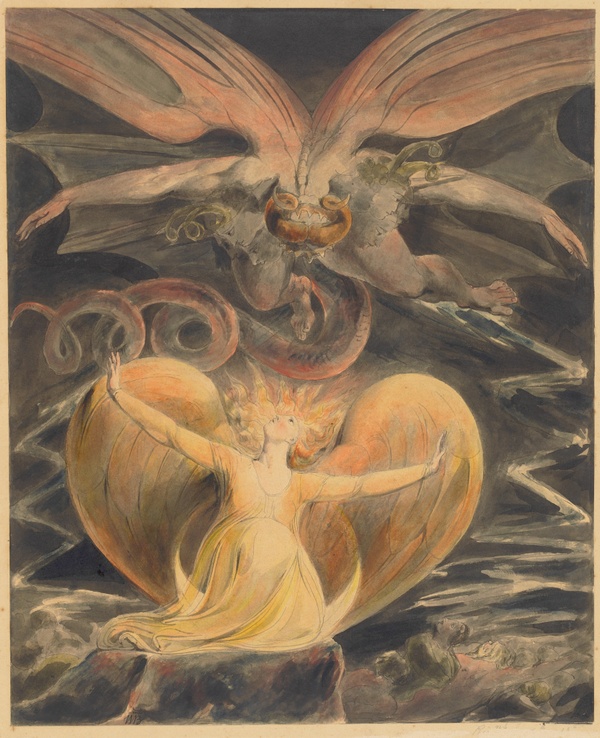
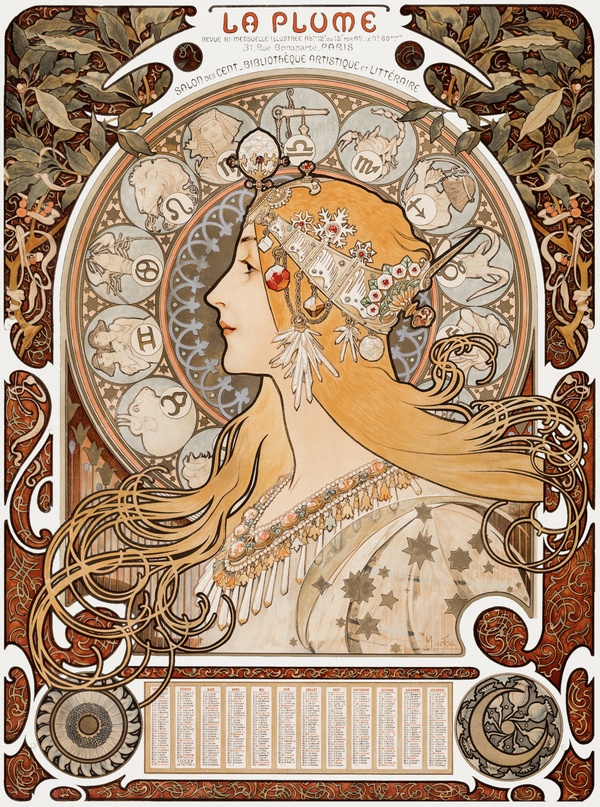
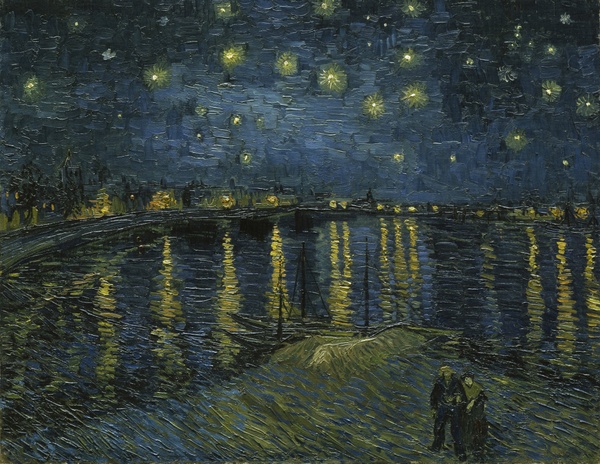
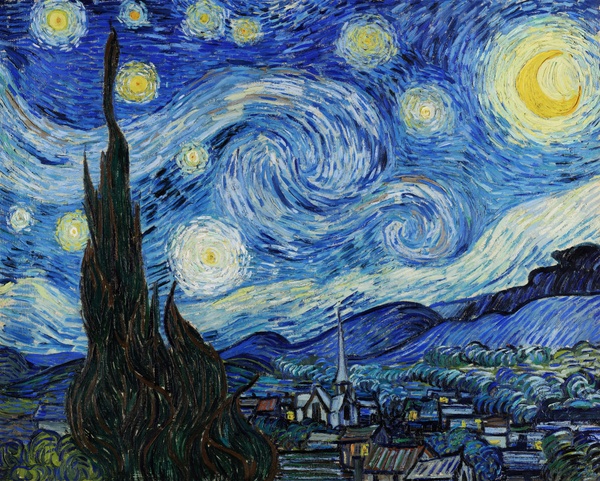
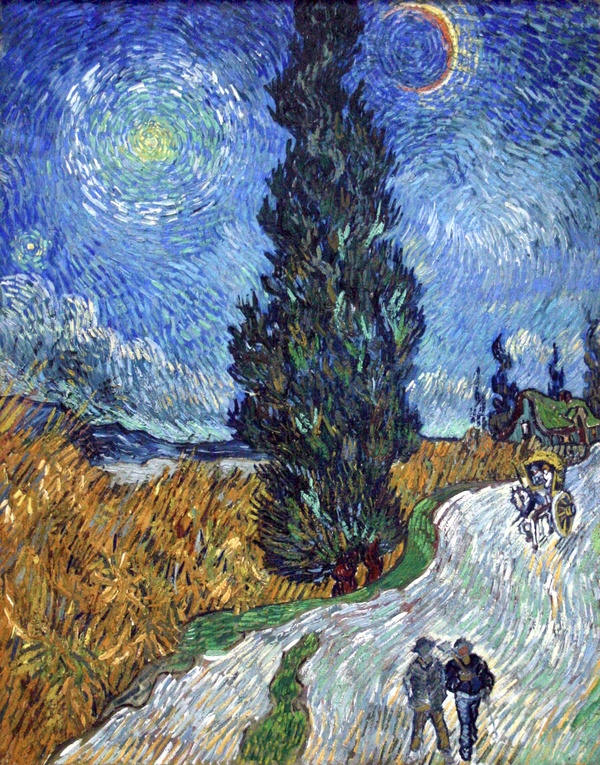
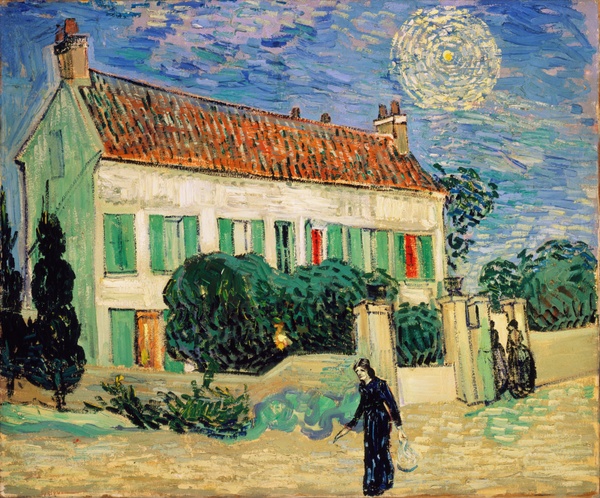
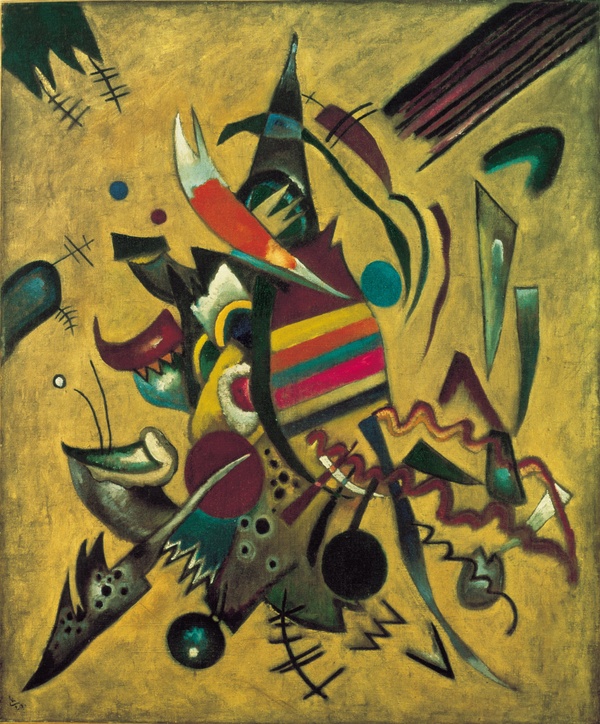
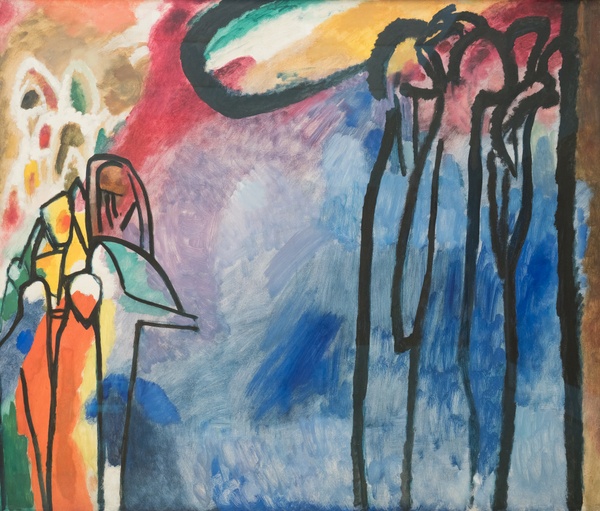
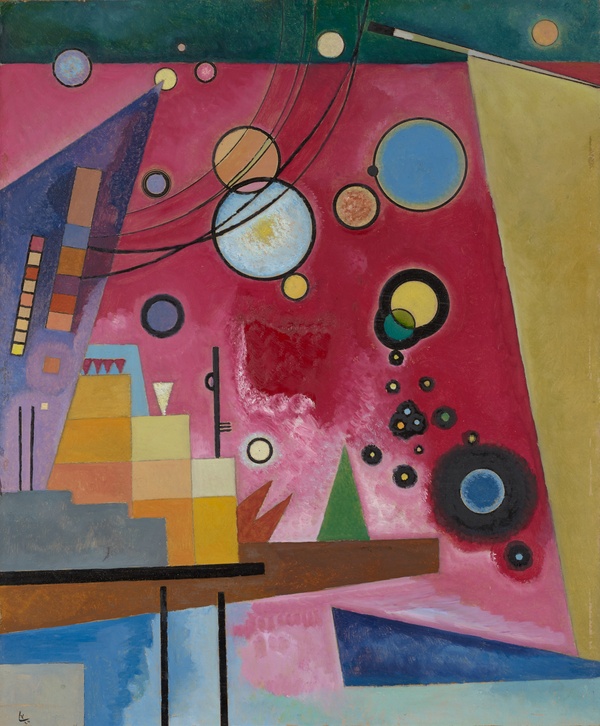
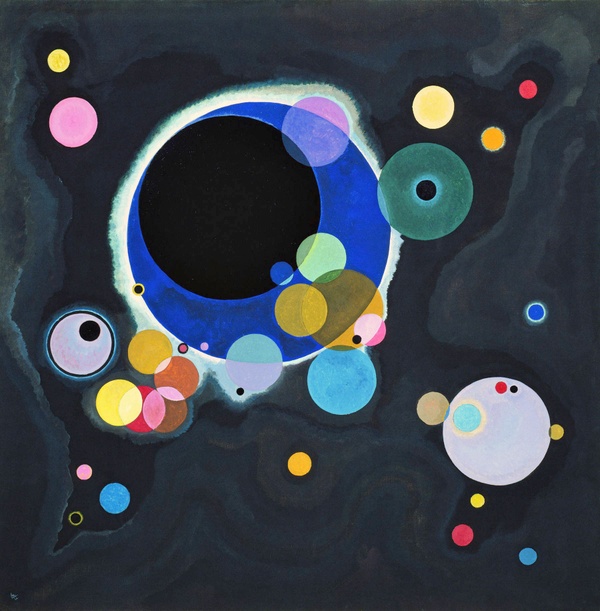
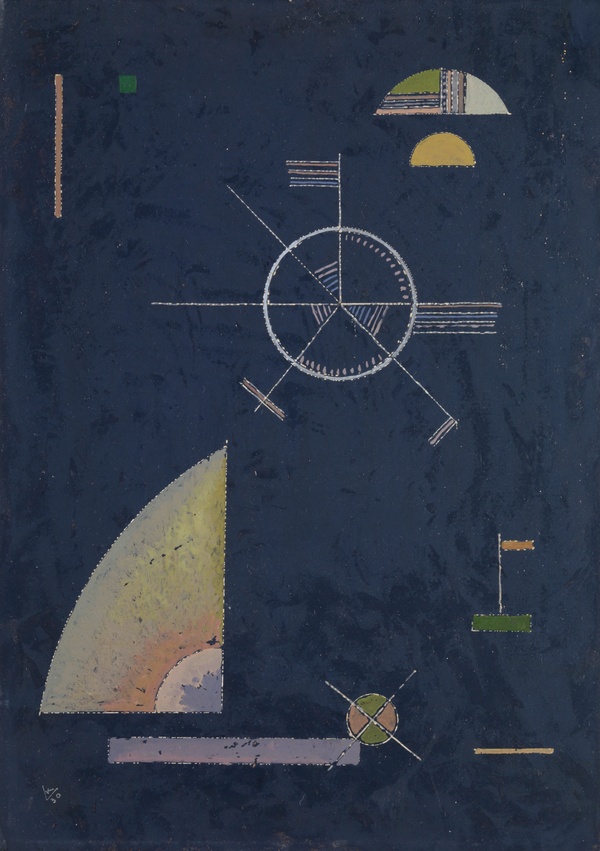
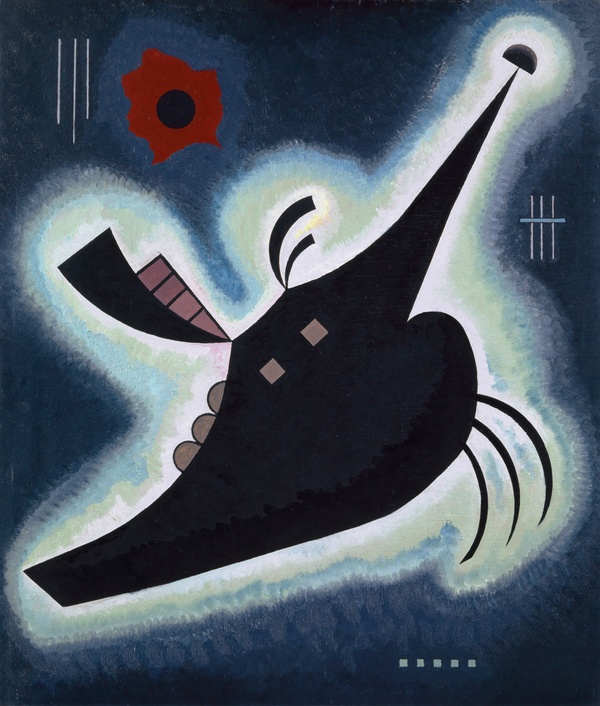
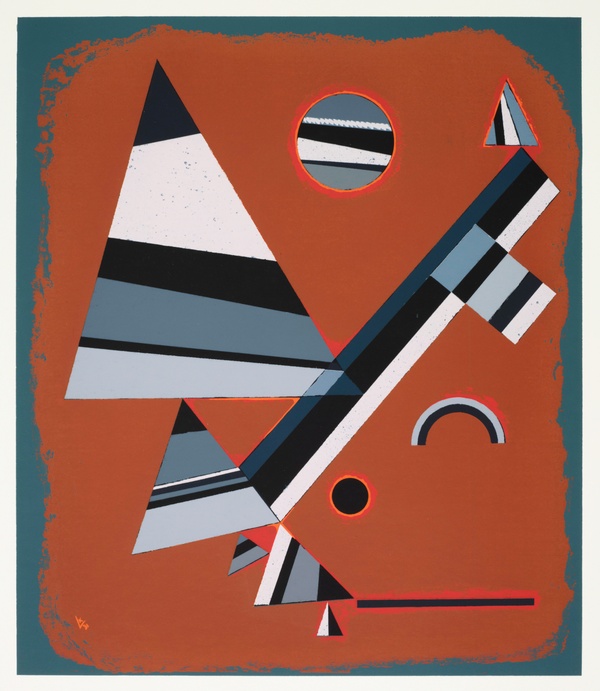
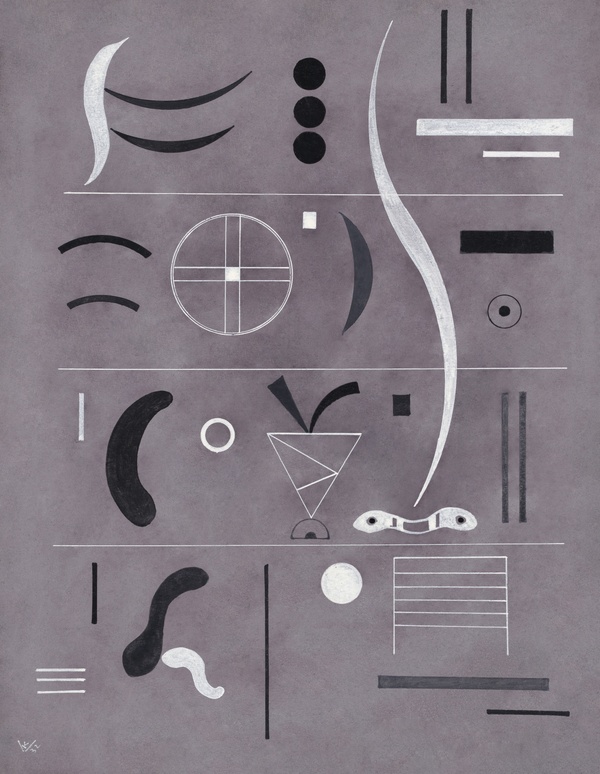
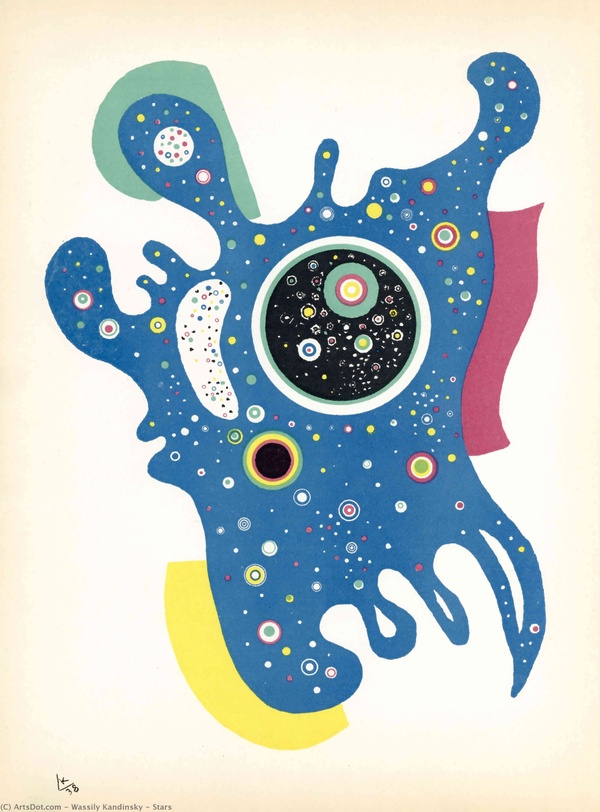
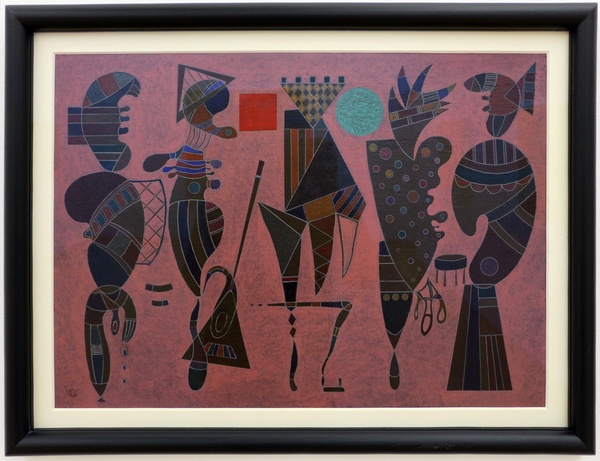
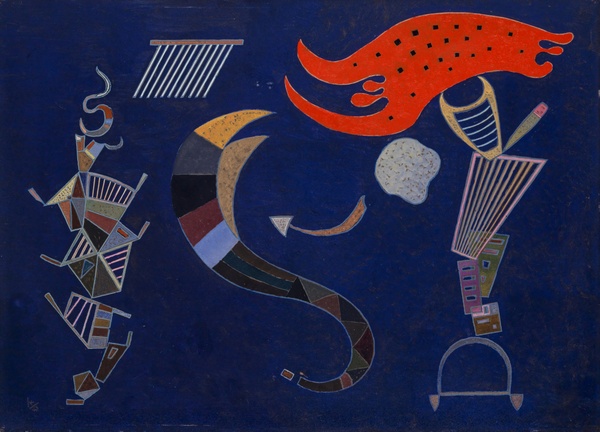
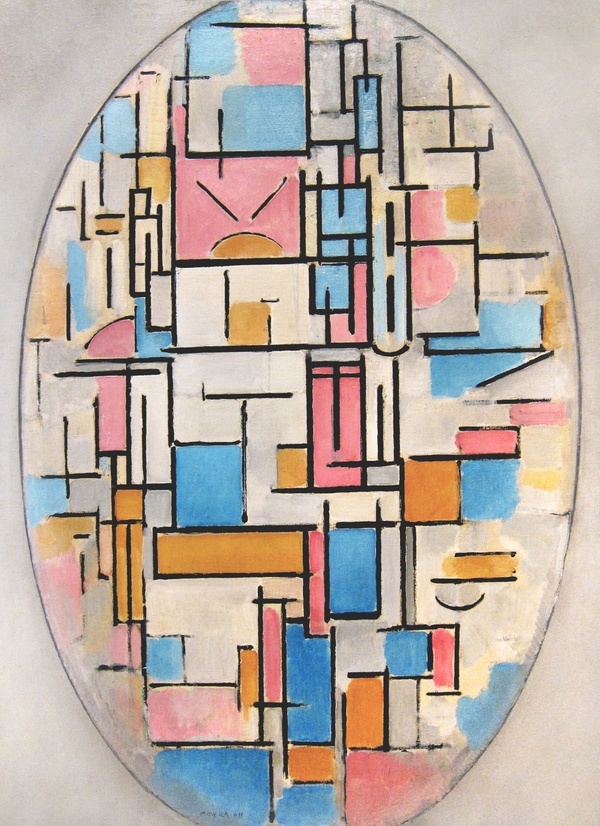
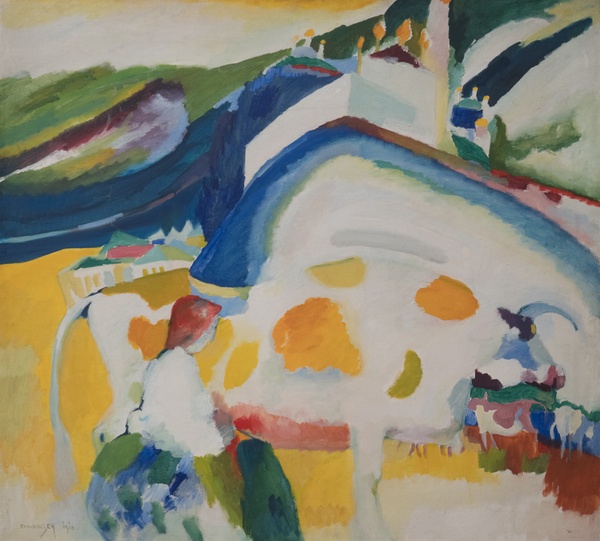
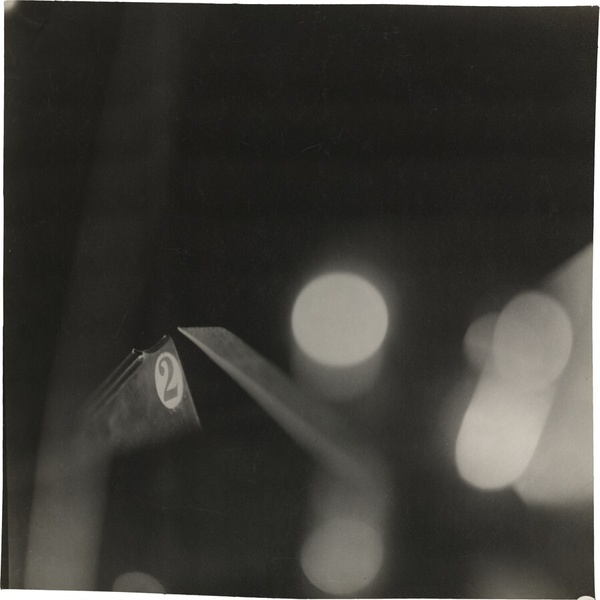
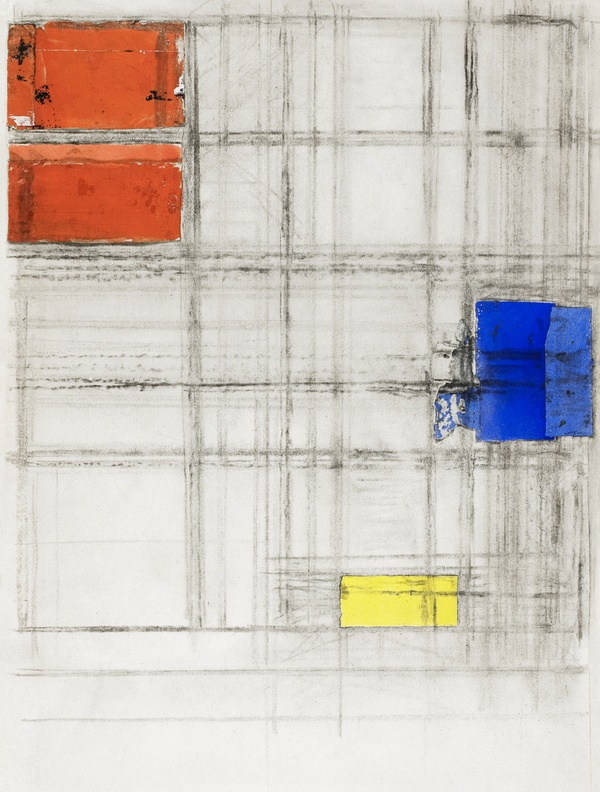
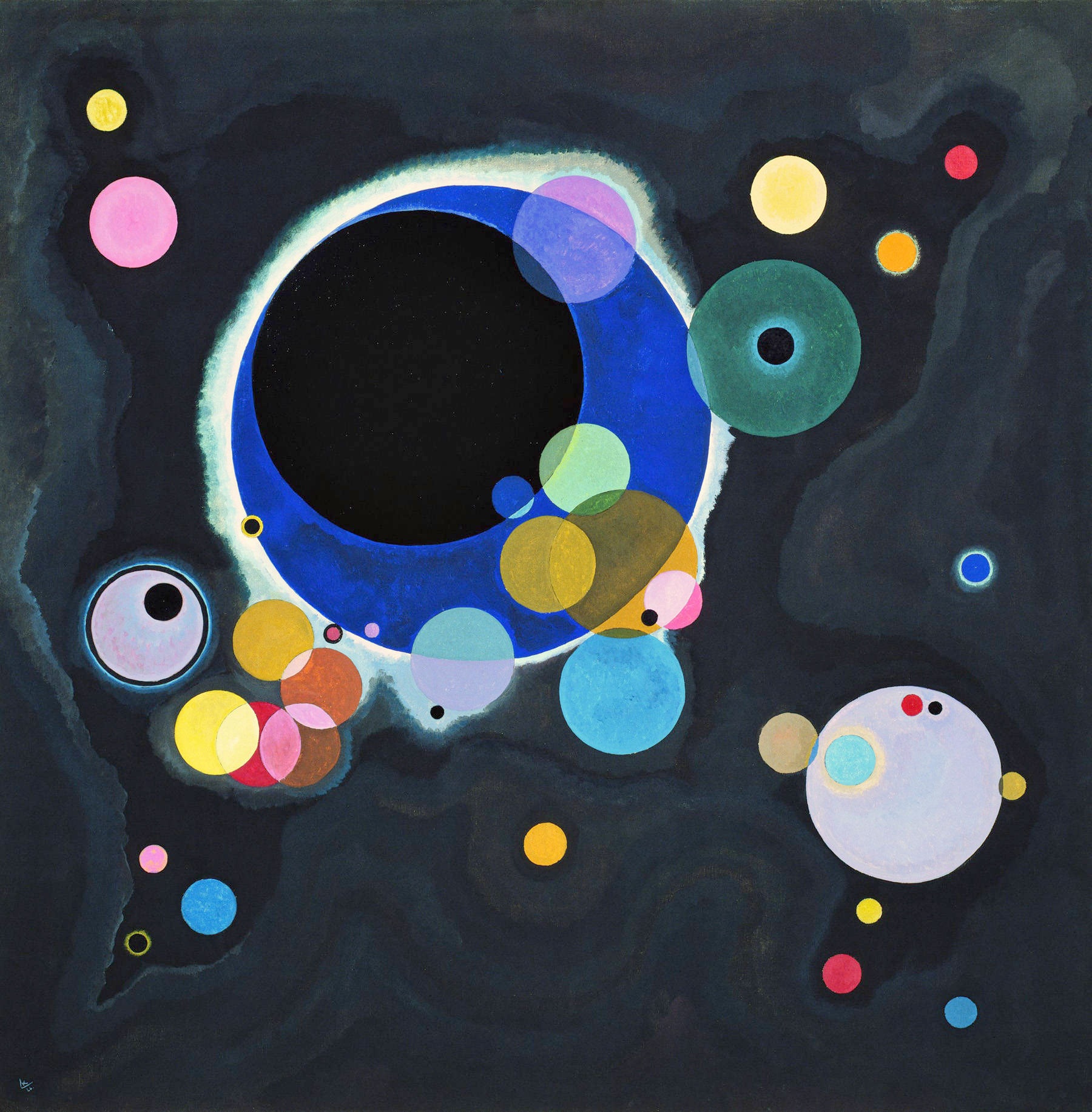
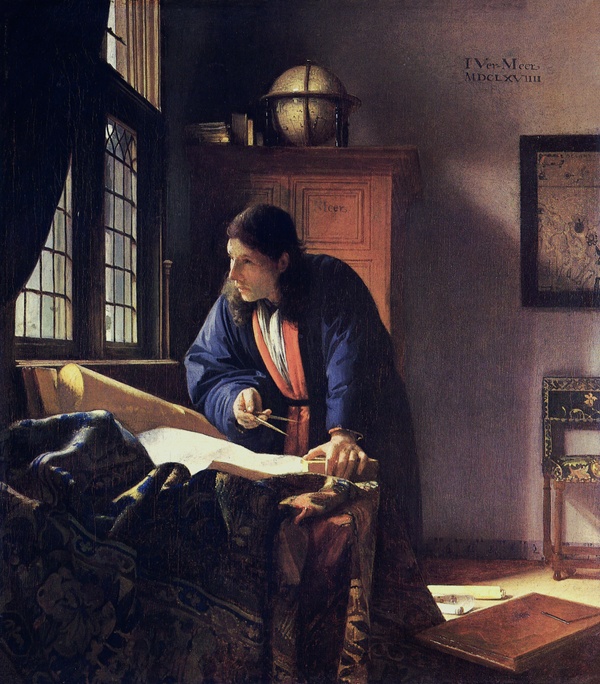
In the quietude of a 17th-century study, we find The Astronomer peering into the infinite, his hands measuring the unknown. Beside him, The Geographer maps the tangible world, yet both are anchored by the same curiosity. This search for order begins with the divine, as seen in the violent grace of The Birth of the Milky Way. We witness the architect of reason in Europe. A Prophecy, Plate 1, Frontispiece ("The Ancient of Days"), where Blake’s Urizen imposes his compass upon the abyss. Human history and myth collide beneath these skies. We see Joshua Commanding the Sun to Stand Still upon Gibeon, a moment of impossible stillness. Above the sea, Bruegel captures the hubris of the ancients in Two Galleys Sailing Behind an Armed Three-Master with Phaeton and Jupiter in the Sky and Armed Three-Master with Daedalus and Icarus in the Sky. Our ascent continues through the spiritual rungs of Jacob's Ladder (Jacob's Dream), while the apocalyptic terror of The Great Red Dragon and the Woman Clothed with the Sun reminds us of the cosmos's darker mysteries. The stars become a rhythm in Mucha’s Zodiaque, a cycle of time and beauty. This rhythm finds a pulse in the works of Van Gogh. From the shimmering reflections of Starry Night Over the Rhône to the turbulent energy of The Starry Night, the sky is no longer a map but an emotion. We walk the Road with Cypress and Star and pass by The White House at Night, feeling the weight of the cosmic void. As we move into the 20th century, the light shatters into Points. Kandinsky leads us through a spiritual awakening in Improvisation 19 and the tectonic weight of Heavy Red (Schweres Rot). The heavens are reduced to their essence in Several Circles (Einige Kreise). We navigate through the muted tones of Dull Gray and the sharp clarity of Pointed Black and Gris (Gray). The universe is divided into Four Parts, where we find new Stars and a Complexité simple (Simple Complexity) that defies easy explanation. Like La flèche (The Arrow), our gaze is directed forward. Finally, we reach the purity of line. Mondrian offers a Composition in Oval with Color Planes 1, a distillation of the horizon. Van Doesburg transforms the organic into the geometric in Composition VIII (The Cow), much as Rössler finds light in the Untitled (Composition with Magic Two). We end our journey with Study Composition (1940–1941), a final testament to the human effort to map the light that has traveled eons to reach us.
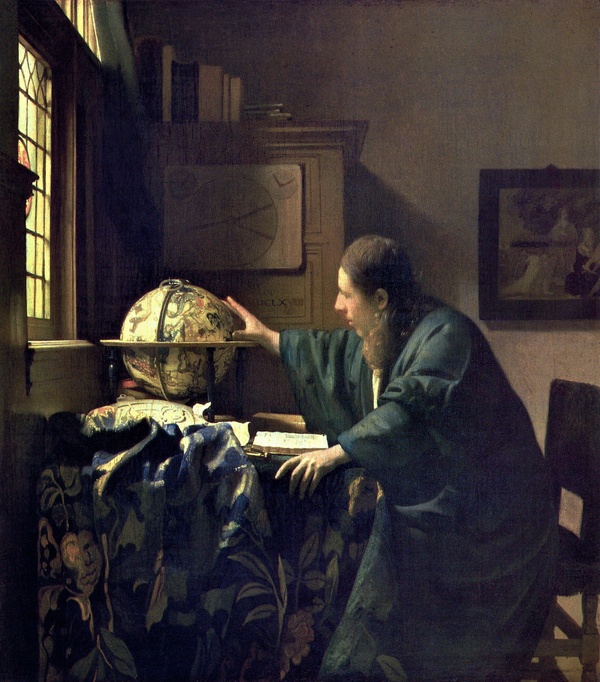
The Astronomer - Johannes Vermeer (1668)
The Astronomer - Johannes Vermeer (1668) Johannes Vermeer
The Geographer - Johannes Vermeer (1669)
The Geographer - Johannes Vermeer (1669) Johannes Vermeer
The Birth of the Milky Way - Peter Paul Rubens (1636)
The Birth of the Milky Way - Peter Paul Rubens (1636) Peter Paul Rubens
Europe. A Prophecy, Plate 1, Frontispiece ("The Ancient of Days") - William Blake (1794)
Europe. A Prophecy, Plate 1, Frontispiece ("The Ancient of Days") - William Blake (1794) William Blake
Urizen - William Blake (1794)
Urizen - William Blake (1794) William Blake
Joshua Commanding the Sun to Stand Still upon Gibeon - John Martin (1816)
Joshua Commanding the Sun to Stand Still upon Gibeon - John Martin (1816) John Martin
Two Galleys Sailing Behind an Armed Three-Master with Phaeton and Jupiter in the Sky - Pieter Bruegel the Elder (1561–1565)
Two Galleys Sailing Behind an Armed Three-Master with Phaeton and Jupiter in the Sky - Pieter Bruegel the Elder (1561–1565) Pieter Bruegel the Elder
Armed Three-Master with Daedalus and Icarus in the Sky - Pieter Bruegel the Elder (1561–1565)
Armed Three-Master with Daedalus and Icarus in the Sky - Pieter Bruegel the Elder (1561–1565) Pieter Bruegel the Elder
Jacob's Ladder (Jacob's Dream) - William Blake (1805)
Jacob's Ladder (Jacob's Dream) - William Blake (1805) William Blake
The Great Red Dragon and the Woman Clothed with the Sun - William Blake (c. 1805)
The Great Red Dragon and the Woman Clothed with the Sun - William Blake (c. 1805) William Blake
Zodiaque - Alphonse Mucha (1896)
Zodiaque - Alphonse Mucha (1896) Alphonse Mucha
Starry Night Over the Rhône - Vincent van Gogh (1888)
Starry Night Over the Rhône - Vincent van Gogh (1888) Vincent van Gogh
The Starry Night - Vincent van Gogh (1889)
The Starry Night - Vincent van Gogh (1889) Vincent van Gogh
Road with Cypress and Star - Vincent van Gogh (1890)
Road with Cypress and Star - Vincent van Gogh (1890) Vincent van Gogh
The White House at Night - Vincent van Gogh (1890)
The White House at Night - Vincent van Gogh (1890) Vincent van Gogh
Points - Wassily Kandinsky (1920)
Points - Wassily Kandinsky (1920) Wassily Kandinsky
Improvisation 19 - Wassily Kandinsky (1911)
Improvisation 19 - Wassily Kandinsky (1911) Wassily Kandinsky
Heavy Red (Schweres Rot) - Wassily Kandinsky (1924)
Heavy Red (Schweres Rot) - Wassily Kandinsky (1924) Wassily Kandinsky
Several Circles (Einige Kreise) - Wassily Kandinsky (1926)
Several Circles (Einige Kreise) - Wassily Kandinsky (1926) Wassily Kandinsky
Dull Gray - Wassily Kandinsky (1930)
Dull Gray - Wassily Kandinsky (1930) Wassily Kandinsky
Pointed Black - Wassily Kandinsky (1931)
Pointed Black - Wassily Kandinsky (1931) Wassily Kandinsky
Gris (Gray) - Wassily Kandinsky (1931)
Gris (Gray) - Wassily Kandinsky (1931) Wassily Kandinsky
Four Parts - Wassily Kandinsky (1932)
Four Parts - Wassily Kandinsky (1932) Wassily Kandinsky
Stars - Wassily Kandinsky (1938)
Stars - Wassily Kandinsky (1938) Wassily Kandinsky
Complexité simple (Simple Complexity) - Wassily Kandinsky (1939)
Complexité simple (Simple Complexity) - Wassily Kandinsky (1939) Wassily Kandinsky
La flèche (The Arrow) - Wassily Kandinsky (1943)
La flèche (The Arrow) - Wassily Kandinsky (1943) Wassily Kandinsky
Composition in Oval with Color Planes 1 - Piet Mondrian (1914)
Composition in Oval with Color Planes 1 - Piet Mondrian (1914) Piet Mondrian
Composition VIII (The Cow) - Theo van Doesburg (c. 1918)
Composition VIII (The Cow) - Theo van Doesburg (c. 1918) Theo van Doesburg
Untitled (Composition with Magic Two) - Jaroslav Rössler (1923)
Untitled (Composition with Magic Two) - Jaroslav Rössler (1923) Jaroslav Rössler
Study Composition (1940–1941) - Piet Mondrian (1940)
Study Composition (1940–1941) - Piet Mondrian (1940) Piet Mondrian

Artworks in this collection

30 artworks
The Astronomer - Johannes Vermeer (1668)
Premium

The Astronomer - Johannes Vermeer (1668)

Johannes Vermeer

Netherlands, 1668

Directly captures the human endeavor of celestial study, showing an astronomer surrounded by the tools of his trade, including a celestial globe.

The Geographer - Johannes Vermeer (1669)
Premium

The Geographer - Johannes Vermeer (1669)

Johannes Vermeer

Netherlands, 1669

While focused on earth, the geographer's work is the terrestrial twin to celestial cartography, using identical tools to map the unknown.

The Birth of the Milky Way - Peter Paul Rubens (1636)
Premium

The Birth of the Milky Way - Peter Paul Rubens (1636)

Peter Paul Rubens

Flanders (Belgium), 1636

A baroque mythological explanation for the formation of our galaxy, mapping the origin of the 'Milky Way' through divine narrative.

Europe. A Prophecy, Plate 1, Frontispiece ("The Ancient of Days") - William Blake (1794)
Premium

Europe. A Prophecy, Plate 1, Frontispiece ("The Ancient of Days") - William Blake (1794)

William Blake

United Kingdom, 1794

A primal image of celestial measurement, depicting the 'Ancient of Days' applying a compass to the void to map the architecture of the universe.

Urizen - William Blake (1794)
Premium

Urizen - William Blake (1794)

William Blake

England, 1794

Another iteration of Blake's divine geometer, illustrating the intersection of mystical creation and the rigid laws of cosmic architecture.

Joshua Commanding the Sun to Stand Still upon Gibeon - John Martin (1816)

Joshua Commanding the Sun to Stand Still upon Gibeon - John Martin (1816)

John Martin

England, 1816

A dramatic romanticist vision of celestial bodies being manipulated through divine will, emphasizing their overwhelming scale.

Two Galleys Sailing Behind an Armed Three-Master with Phaeton and Jupiter in the Sky - Pieter Bruegel the Elder (1561–1565)
Premium

Two Galleys Sailing Behind an Armed Three-Master with Phaeton and Jupiter in the Sky - Pieter Bruegel the Elder (1561–1565)

Pieter Bruegel the Elder

Netherlands, 1561

Combines earthly navigation with celestial mythology, placing the sun-chariot of Phaethon and Jupiter within the same mapped sky as human vessels.

Armed Three-Master with Daedalus and Icarus in the Sky - Pieter Bruegel the Elder (1561–1565)

Armed Three-Master with Daedalus and Icarus in the Sky - Pieter Bruegel the Elder (1561–1565)

Pieter Bruegel the Elder

Netherlandish (present-day Belgium/Netherlands), 1565

By placing Daedalus and Icarus in the sky, Bruegel maps the human ambition to navigate the heavens alongside maritime exploration.

Jacob's Ladder (Jacob's Dream) - William Blake (1805)
Premium

Jacob's Ladder (Jacob's Dream) - William Blake (1805)

William Blake

England, 1805

A mystical map showing the vertical axis between the terrestrial and the celestial, complete with an angelic hierarchy.

The Great Red Dragon and the Woman Clothed with the Sun - William Blake (c. 1805)
Premium

The Great Red Dragon and the Woman Clothed with the Sun - William Blake (c. 1805)

William Blake

United Kingdom, 1805

A visionary mapping of the heavens where celestial phenomena take on monstrous and divine proportions, charting the mystical side of the sky.

Zodiaque - Alphonse Mucha (1896)

Zodiaque - Alphonse Mucha (1896)

Alphonse Mucha

Czech Republic, 1896

A decorative yet functional representation of the zodiac, mapping the human interpretation of stellar patterns into a seasonal cycle.

Starry Night Over the Rhône - Vincent van Gogh (1888)

Starry Night Over the Rhône - Vincent van Gogh (1888)

Vincent van Gogh

Netherlands, 1888

A literal mapping of the night sky, where the stars of the Big Dipper are precisely placed and reflected in the dark waters below.

The Starry Night - Vincent van Gogh (1889)
Premium

The Starry Night - Vincent van Gogh (1889)

Vincent van Gogh

Netherlands, 1889

The definitive vision of the cosmos as a swirling, kinetic map of nebulae and binary star systems, blending observation with intense emotion.

Road with Cypress and Star - Vincent van Gogh (1890)
Premium

Road with Cypress and Star - Vincent van Gogh (1890)

Vincent van Gogh

Netherlands, 1890

Van Gogh's depiction of a singular, brilliant star amidst swirling cosmic winds exemplifies the majesty of starlight in the deep night.

The White House at Night - Vincent van Gogh (1890)
Premium

The White House at Night - Vincent van Gogh (1890)

Vincent van Gogh

Netherlands, 1890

Van Gogh captures a single, brilliant planetary body (likely Venus) in the twilight sky, precisely positioned over a human habitation.

Points - Wassily Kandinsky (1920)
Premium

Points - Wassily Kandinsky (1920)

Wassily Kandinsky

Russia, 1920

Small points of light scattered across a geometric grid act as a minimal shorthand for a star chart or a coordinate system in the void.

Improvisation 19 - Wassily Kandinsky (1911)

Improvisation 19 - Wassily Kandinsky (1911)

Wassily Kandinsky

Russia, 1911

Figures emerging from a landscape of abstract colors suggest a spiritual ascension or a mapping of the journey between worlds.

Heavy Red (Schweres Rot) - Wassily Kandinsky (1924)
Premium

Heavy Red (Schweres Rot) - Wassily Kandinsky (1924)

Wassily Kandinsky

Russia, 1924

Concentrated geometric forms and vibrant colors represent a condensation of matter and energy, much like the formation of a star.

Several Circles (Einige Kreise) - Wassily Kandinsky (1926)
Premium

Several Circles (Einige Kreise) - Wassily Kandinsky (1926)

Wassily Kandinsky

Russia, 1926

The overlapping circles against an obsidian background perfectly encapsulate the theme of planetary bodies floating in the vastness of space.

Dull Gray - Wassily Kandinsky (1930)
Premium

Dull Gray - Wassily Kandinsky (1930)

Wassily Kandinsky

Russia, 1930

The interaction of geometric shapes in a muted, gray field evokes the feeling of distant, observable structures in deep space.

Pointed Black - Wassily Kandinsky (1931)
Premium

Pointed Black - Wassily Kandinsky (1931)

Wassily Kandinsky

Russia, 1931

Kandinsky's Bauhaus-era geometry uses precise lines and dark space to evoke the cold, calculated beauty of a stellar map.

Gris (Gray) - Wassily Kandinsky (1931)

Gris (Gray) - Wassily Kandinsky (1931)

Wassily Kandinsky

Russia, 1931

An abstract exploration of the void, where minimal shapes and tones chart a path through an seemingly infinite, dark expanse.

Four Parts - Wassily Kandinsky (1932)
Premium

Four Parts - Wassily Kandinsky (1932)

Wassily Kandinsky

Russia, 1932

A later Kandinsky drawing that compartmentalizes the void into distinct geometric zones, akin to quadrants on a stellar map.

Stars - Wassily Kandinsky (1938)
Premium

Stars - Wassily Kandinsky (1938)

Wassily Kandinsky

Russia, 1938

Explicitly titled 'Stars,' this work utilizes Kandinsky's later abstract language to represent the vibrancy and energy of a stellar field.

Complexité simple (Simple Complexity) - Wassily Kandinsky (1939)
Premium

Complexité simple (Simple Complexity) - Wassily Kandinsky (1939)

Wassily Kandinsky

Russia, 1939

Geometric and biomorphic shapes interact in a way that mimics the organic yet structured growth of a nebula or cosmic system.

La flèche (The Arrow) - Wassily Kandinsky (1943)
Premium

La flèche (The Arrow) - Wassily Kandinsky (1943)

Wassily Kandinsky

Russia, 1943

The use of vectors and biomorphic 'arrows' suggests directionality and flow within a non-objective, cosmic space.

Composition in Oval with Color Planes 1 - Piet Mondrian (1914)
Premium

Composition in Oval with Color Planes 1 - Piet Mondrian (1914)

Piet Mondrian

Netherlands, 1914

The oval composition and abstract planes suggest an early modernist attempt to find structural logic and order within a fragmented visual field.

Composition VIII (The Cow) - Theo van Doesburg (c. 1918)
Premium

Composition VIII (The Cow) - Theo van Doesburg (c. 1918)

Theo van Doesburg

Netherlands, 1918

Theo van Doesburg's De Stijl approach breaks down reality into the fundamental geometric building blocks common to cosmic laws.

Untitled (Composition with Magic Two) - Jaroslav Rössler (1923)
Premium

Untitled (Composition with Magic Two) - Jaroslav Rössler (1923)

Jaroslav Rössler

Czech Republic, 1923

Avant-garde photography that uses light and geometry to create a sense of abstract, structural mapping of space.

Study Composition (1940–1941) - Piet Mondrian (1940)
Premium

Study Composition (1940–1941) - Piet Mondrian (1940)

Piet Mondrian

Netherlands, 1940

Mondrian’s precise grid represents the ultimate 'cartography' of space—stripping away the visible to reveal the underlying cosmic geometry.

Discover more curated collections

View all collections