
Curated Collections · 30 artworks · Created March 8, 2026

Mirrored Worlds

Echoes and Visions: Art Across the Reflective Veil

Read it as a book

Download the set in 4K — or open it in the MP Art app to send straight to your Frame

Mirrored Worlds

In the hallowed halls of art, where light dances upon canvas and imagination takes flight, we embark on a profound journey through "Mirrored Worlds: Echoes and Visions: Art Across the Reflective Veil." This exhibition delves into art’s timeless fascination with reflection—not merely as a physical phenomenon, but as a metaphor for perception, identity, and the elusive nature of reality itself.

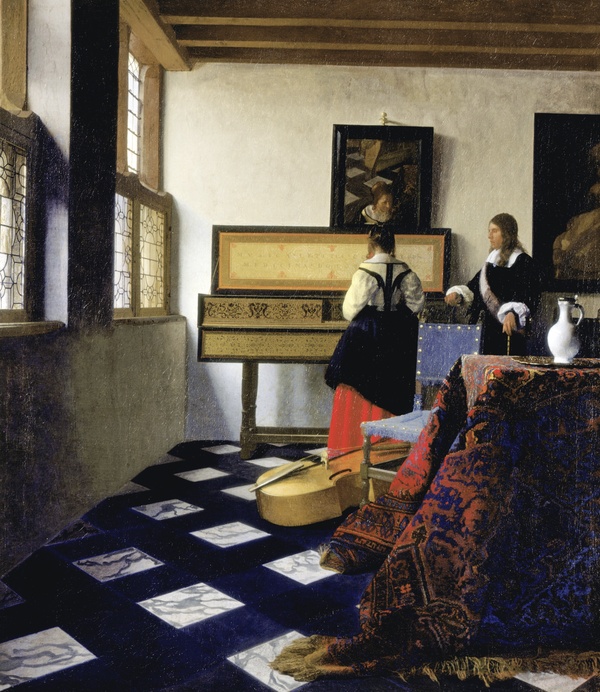
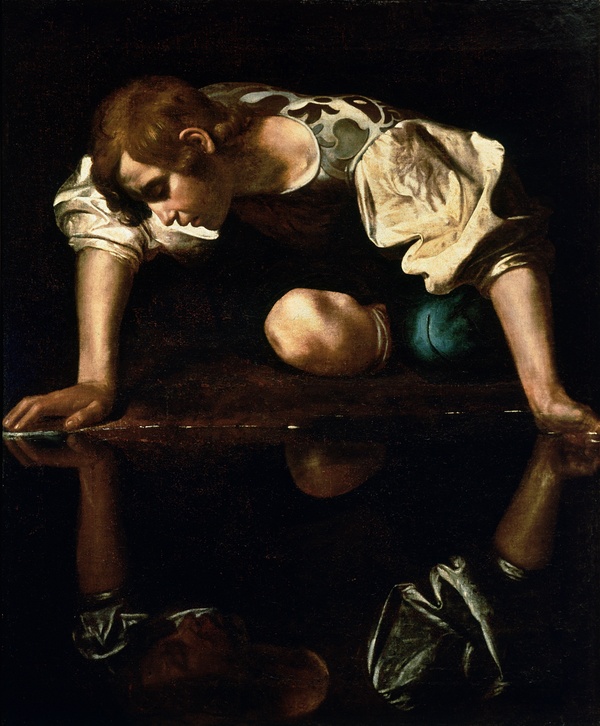
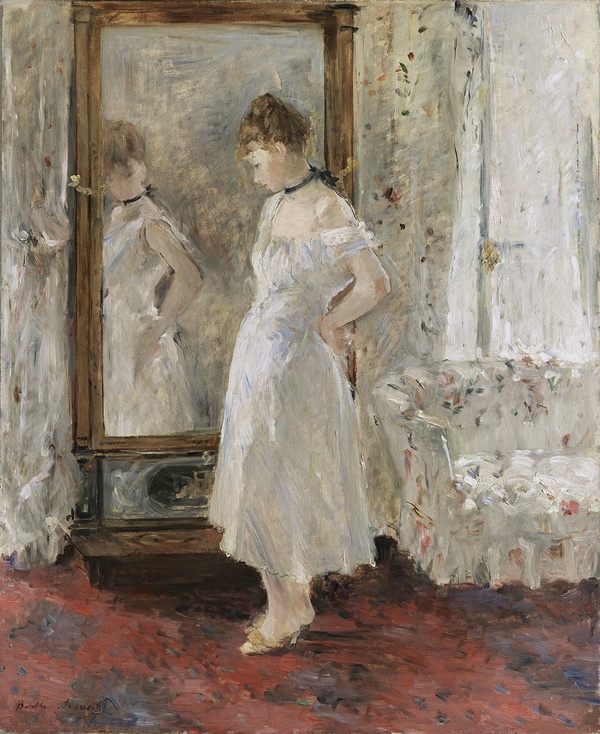
Our exploration begins at the fabled pool where *Caravaggio’s Narcissus** (ca. 1597–1599) gazes, forever entranced by his own image. Here, the mirror is primordial water, the reflection an inescapable self. From this mythic origin of self-absorption, we turn to the intimate, interior world of Berthe Morisot’s El espejo psiqué (The Psyche Mirror)** (1876), where a woman in partial undress confronts her own image, a private moment of introspection captured with impressionistic sensitivity. This delicate introspection leads us to the subtle domesticity of Johannes Vermeer’s The Music Lesson*** (c. 1662–1665), where a mirror discreetly reveals the artist’s own presence and the carefully constructed interior space, blurring the line between observer and observed.

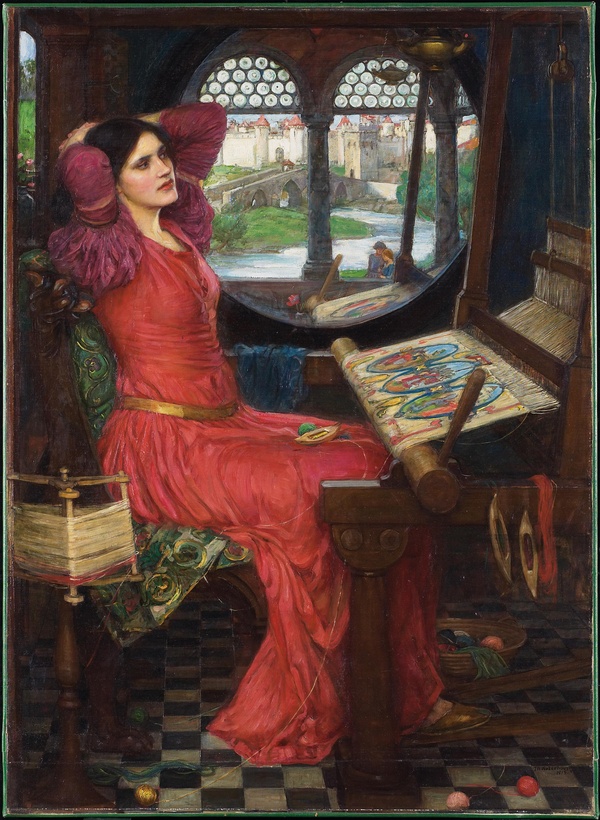
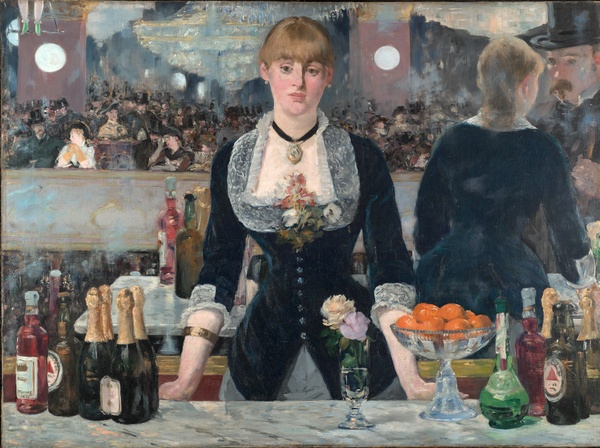
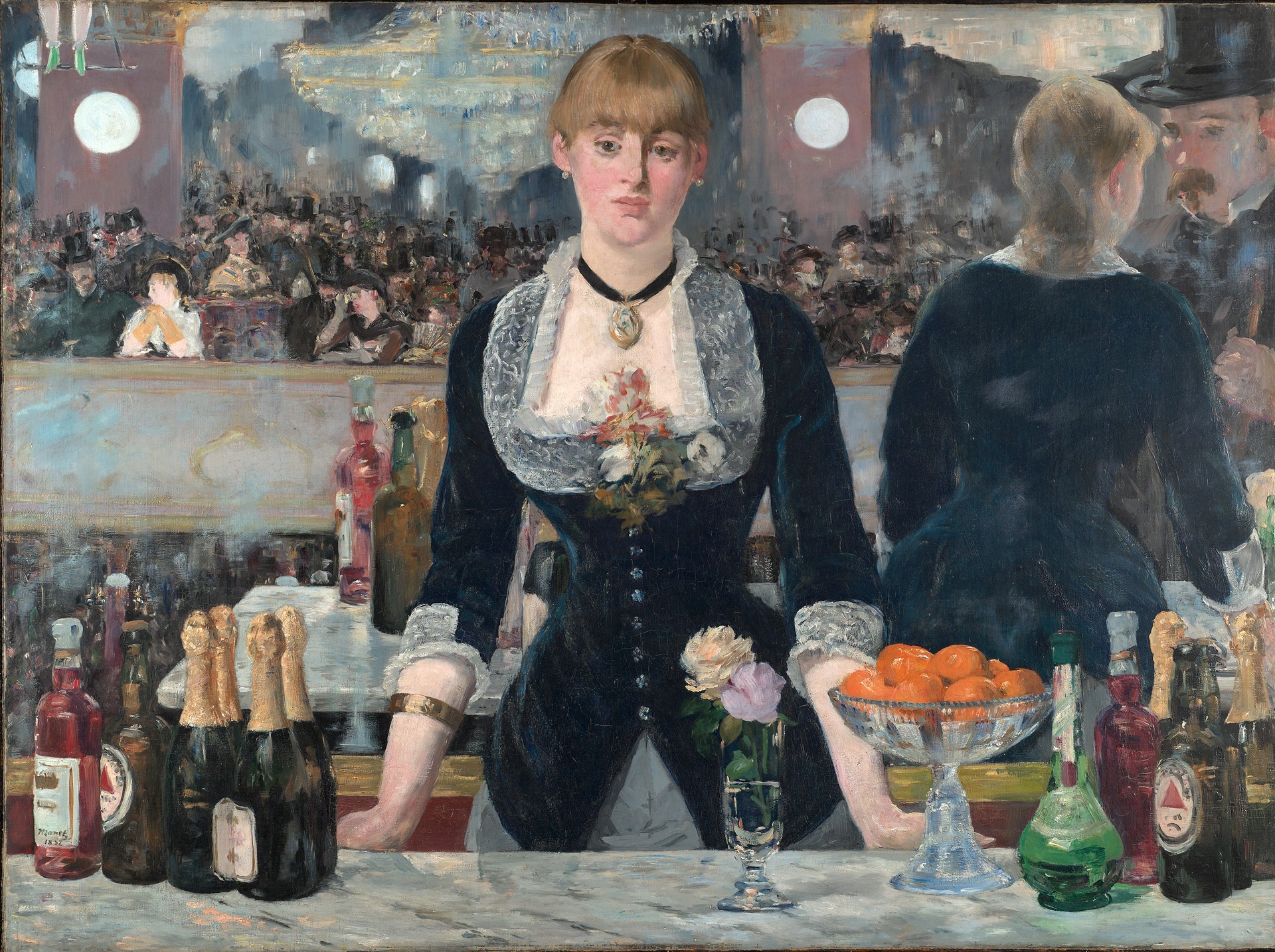
Yet, reflection can also be a curse, a mediated reality. We witness this poignantly in *John William Waterhouse’s "I am half sick of shadows," said the Lady of Shalott** (1915). Trapped by a magical loom, her only glimpse of the outside world comes through a mirror, reducing life to "shadows" and portending her tragic fate. This poignant narrative of mediated vision sets the stage for the dazzling complexity of Édouard Manet’s A Bar at the Folies-Bergère*** (1882), our cover artwork. Here, the opulent mirror behind the barmaid, Suzon, reflects a bustling, distorted world, challenging our perception of space and gaze. Is the reflection truly accurate, or does it reveal a psychological projection, a second, illusory world behind the surface of interaction? Manet’s masterwork forces us to question what is real and what is merely an echo.

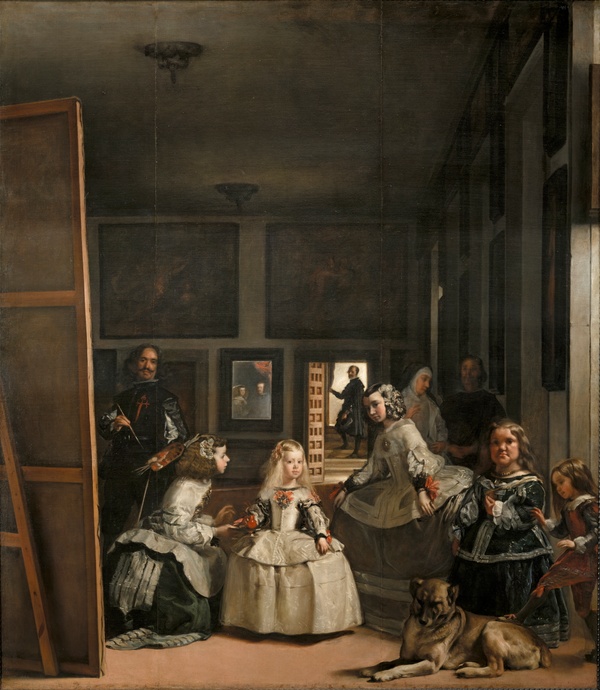
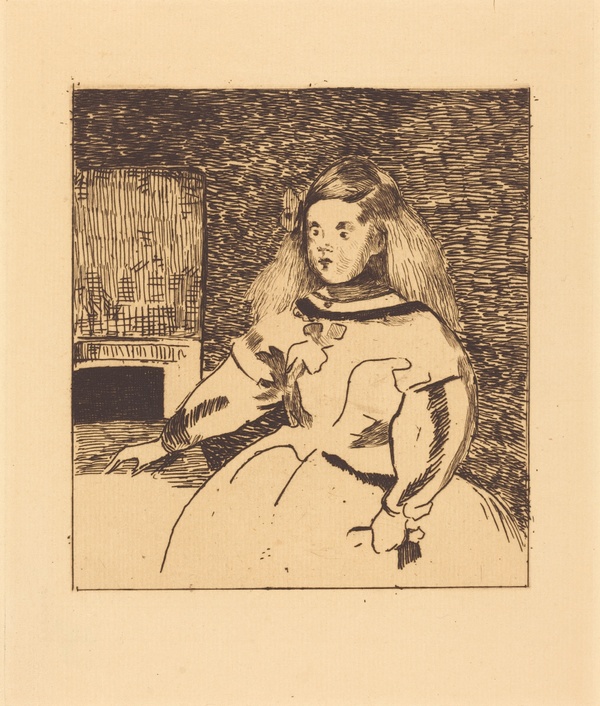
This interrogation of perception deepens with *Diego Velázquez’s Las Meninas** (1656), a painting that arguably contains the most sophisticated use of mirrors in art history. The reflection of the King and Queen in the background draws us into a recursive dialogue about representation, power, and the act of seeing. Its legacy is echoed in Édouard Manet’s The Infanta Marguerita (Infante Marguerite)*** (1861), a copy of Velázquez’s original, a reflection of an artistic lineage that extends across centuries, each artist mirroring and reinterpreting the past.

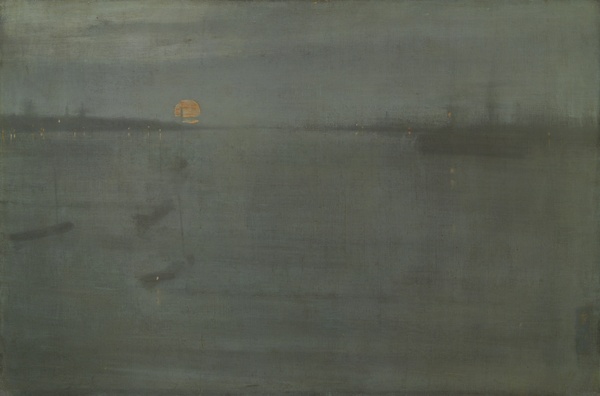
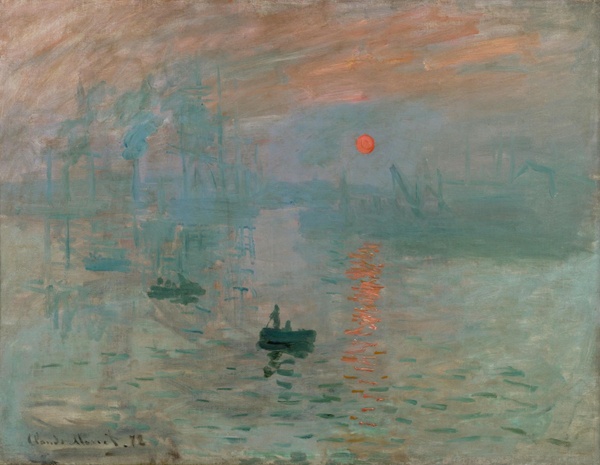
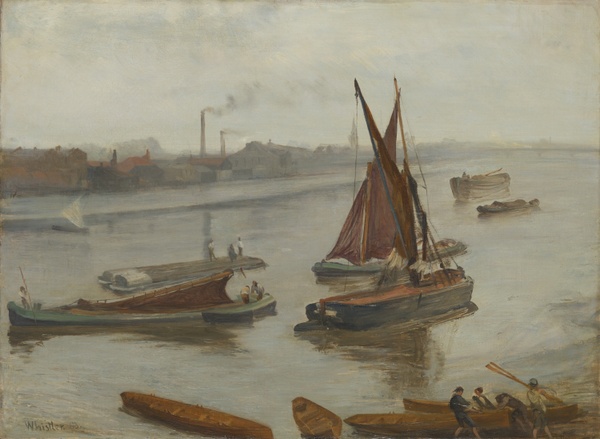
From constructed interiors, our gaze turns outward to the vast, mutable mirrors of nature. *Claude Monet’s Impression, Sunrise** (1872) captures the ephemeral dance of light on water, a hazy reflection that not only birthed a movement but revealed the world as a fleeting impression. This atmospheric quality resonates through James McNeill Whistler’s nocturnes, from the muted tones of *Grey and Silver: Old Battersea Reach* (1863) to the frozen stillness of *The Thames in Ice* (1860) and the poetic haze of *Nocturne: Blue and Gold—Southampton Water** (1872). Whistler transforms water into a reflective canvas for mood and emotion, where reality dissolves into abstract harmonies.
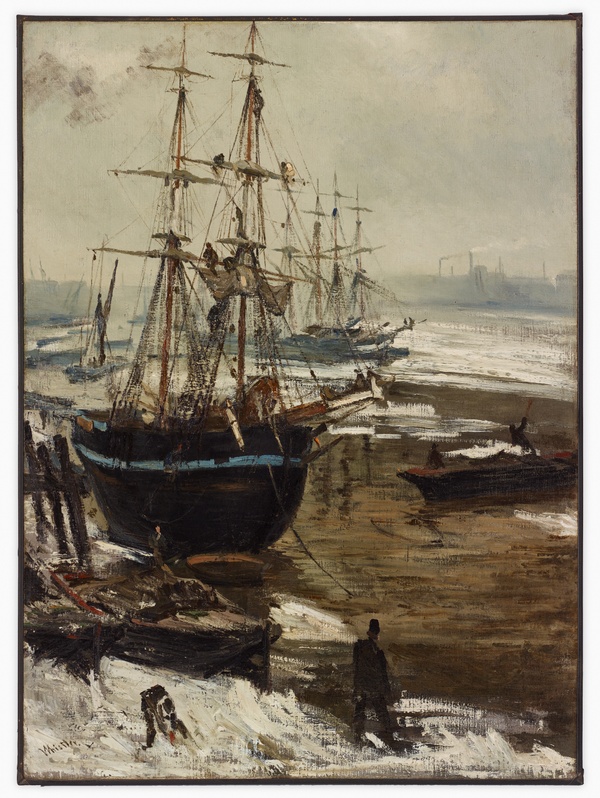
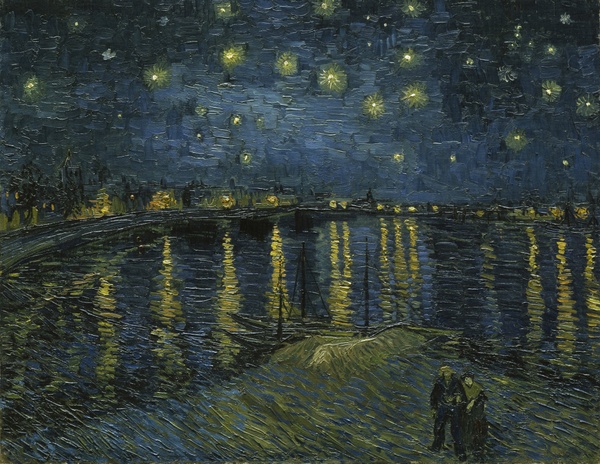
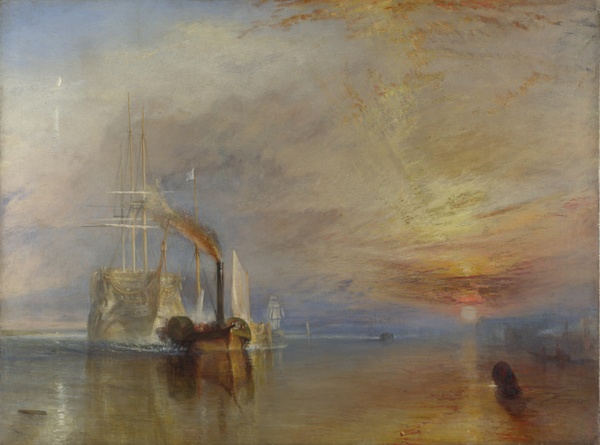
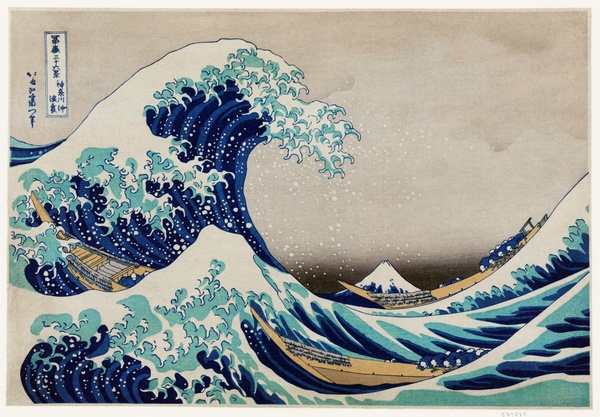
The emotional intensity of reflection deepens with *Vincent van Gogh’s Starry Night Over the Rhône** (1888), where gas lamps cast golden reflections onto shimmering waters beneath a sparkling celestial mirror. Even the vibrant street scene of his *Café Terrace at Night* (1888) plays with reflected light, illuminating human connections in an energetic social mirror. Joseph Mallord William Turner’s The Fighting Temeraire** (1839) imbues a sunset reflection on the Thames with profound elegy, mirroring the passing of an old era into a new. And the raw power of nature's mirror is unleashed in Katsushika Hokusai’s Under the Wave off Kanagawa (The Great Wave)*** (c. 1831), where the colossal wave itself becomes a terrifying, dynamic reflection of elemental force.
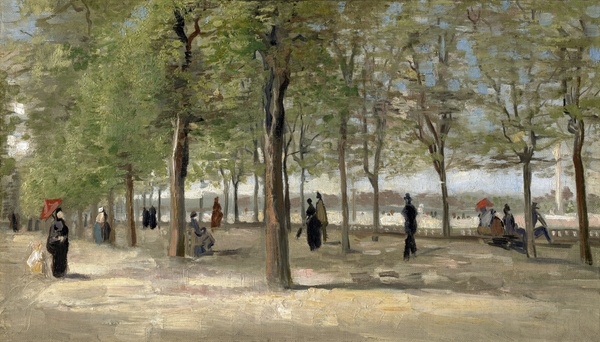
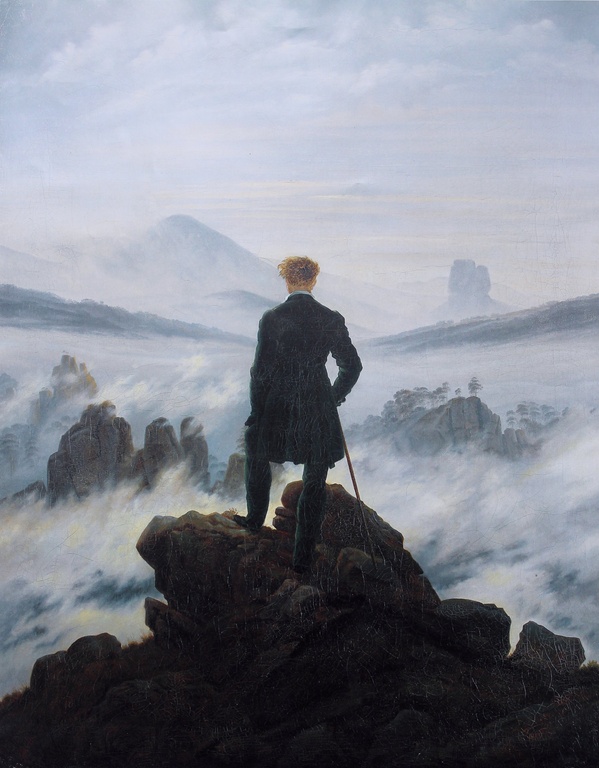
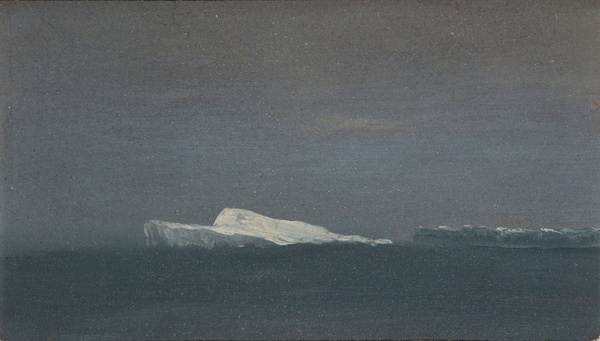
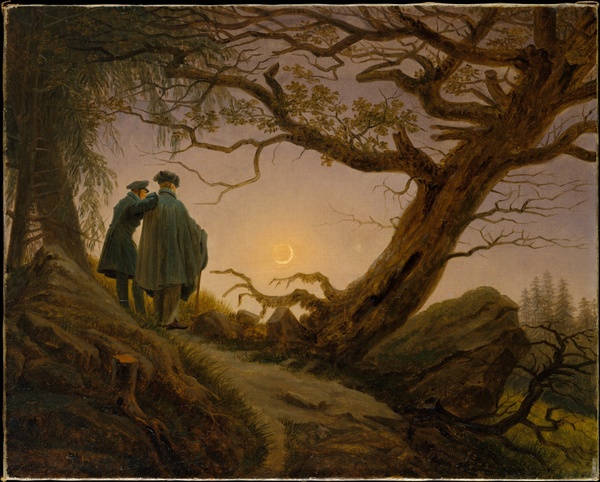
The contemplative spirit of the Romantics then invites us into landscapes that mirror the soul. *Caspar David Friedrich’s Wanderer above the Sea of Fog** (1818) depicts a lone figure gazing into a vast, misty expanse—a landscape that functions as a profound mirror to inner thoughts, existential contemplation, and the sublime. His *Two Men Contemplating the Moon* (ca. 1825–1830) offers a shared moment of quiet introspection, the moon a distant, reflective beacon. The stark, imposing beauty of Albert Bierstadt’s Iceberg*** (c. 1884) reflects a cold, indifferent grandeur, a world apart.
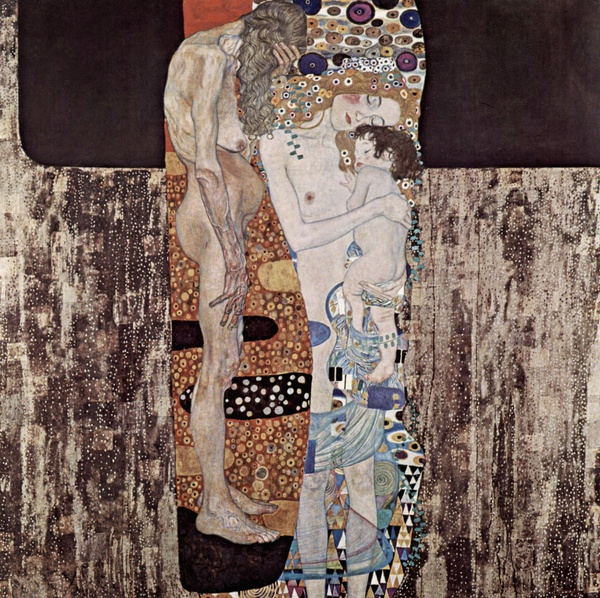
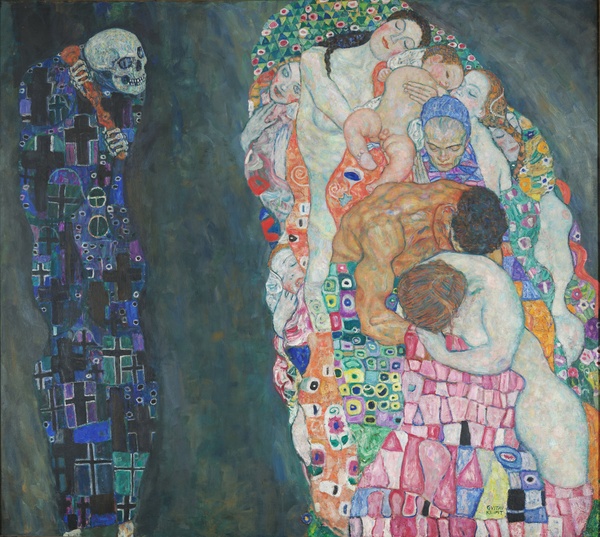
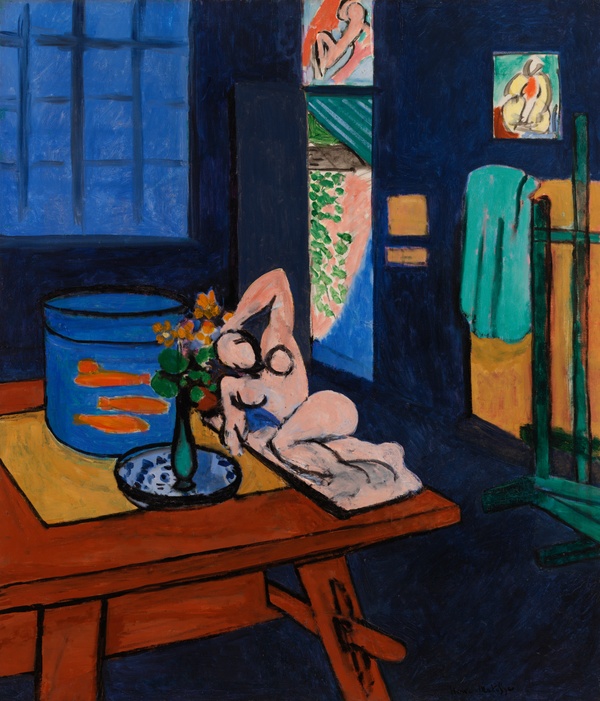
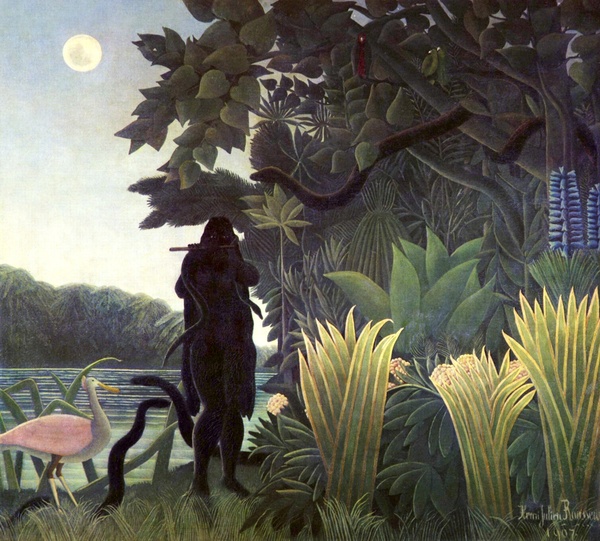
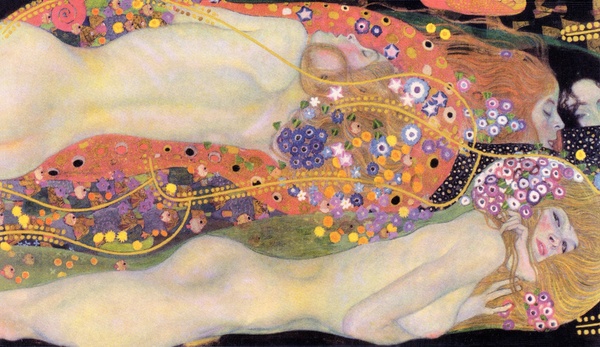
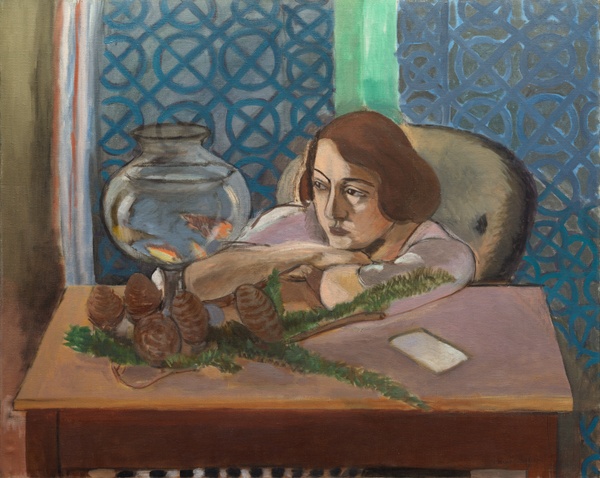
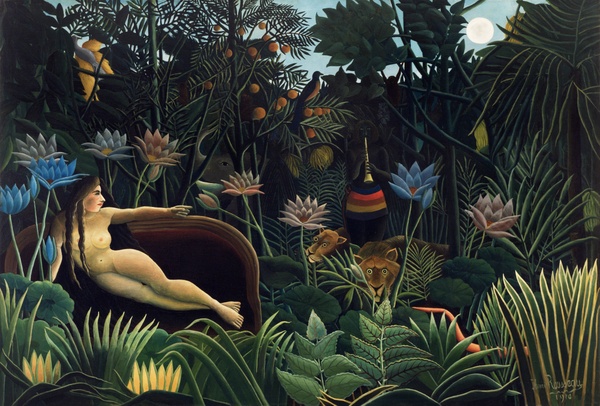
Finally, we delve into the most enigmatic mirrored worlds: those of dreams, allegories, and the subconscious. *Henri Matisse’s Studio with Goldfish (L'Atelier aux poissons rouges)** (1912) and *Woman before an Aquarium* (1921–1923) present contained reflections, observing other realities through glass, symbols of the artistic process itself. Henri Rousseau’s The Snake Charmer** (1907) and *The Dream* (1910) plunge us into lush, moonlit jungles, explicit dreamscapes where the subconscious is projected onto the canvas, revealing a primitive, mirrored reality. Gustav Klimt’s Water Serpents I (Wasserschlangen I)** (1904–1907) evokes an ethereal, fluid realm of myth and desire, while his allegorical masterpieces, *The Three Ages of Woman* (1905) and *Death and Life** (1910–1915), reflect the universal dualities and transitions of human existence.
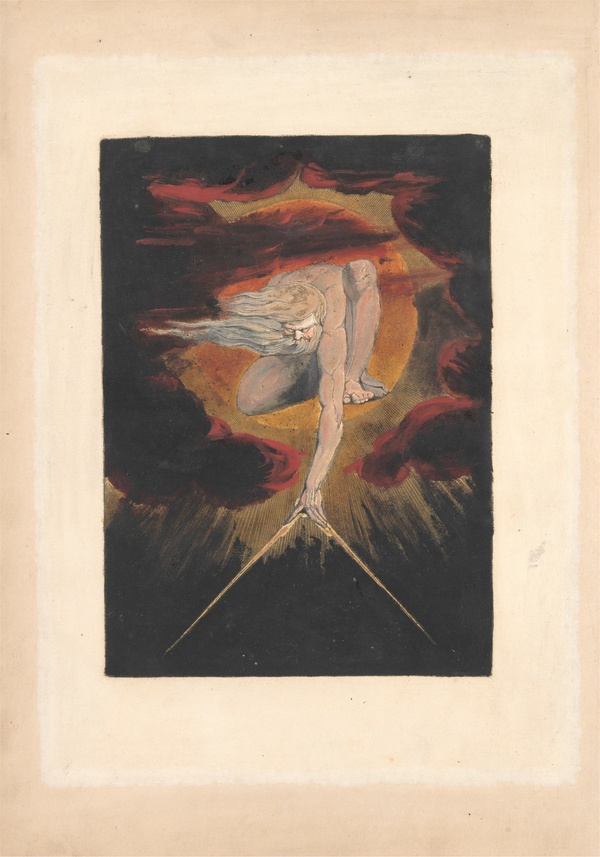
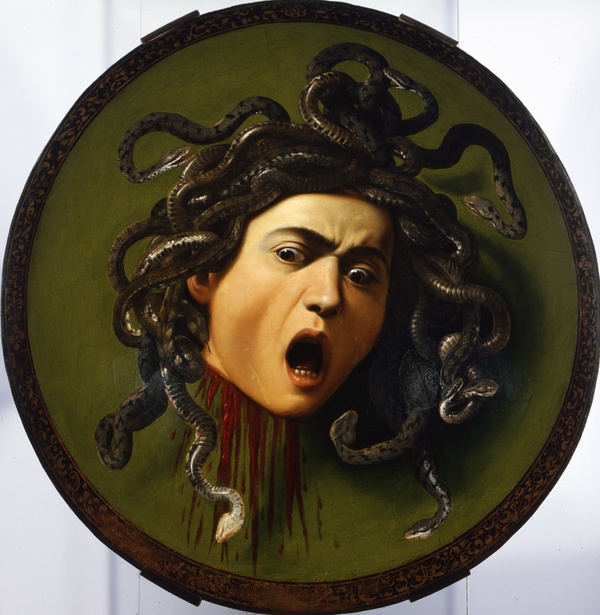
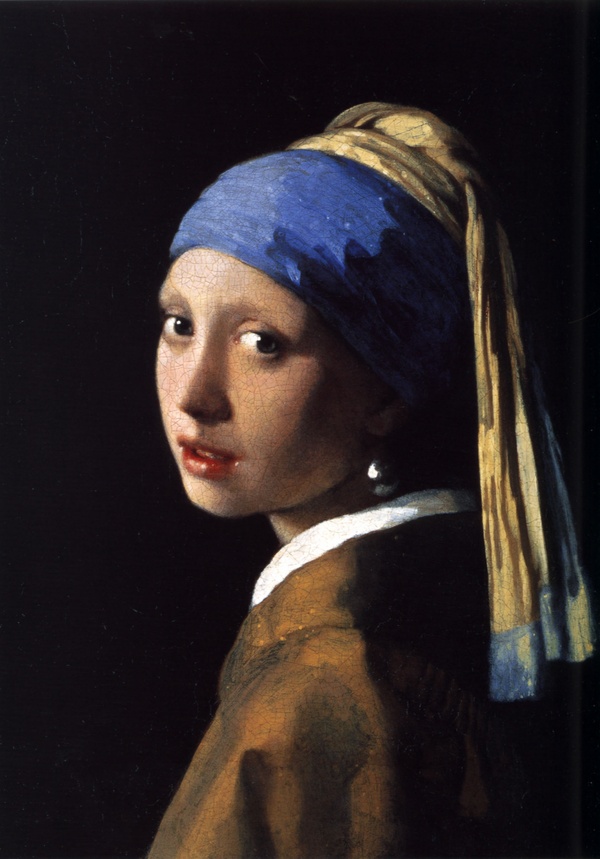
From the grand, cosmic reflections of creation in *William Blake’s Europe. A Prophecy, Plate 1, Frontispiece ("The Ancient of Days")** (1794), where Urizen imposes order on chaos, we confront the raw, terrifying mirror of myth in Caravaggio’s Medusa** (1597-1598), her decapitated head a grotesque reflection of horror and power. Our journey concludes with the captivating enigma of Johannes Vermeer’s Girl with a Pearl Earring*** (c. 1665). Her direct gaze, her luminous presence, reflects not a literal mirror, but the profound human desire to connect, to understand, and to see ourselves reflected in the eyes of another, a timeless echo across the reflective veil.
Artworks in this collection

30 artworks
Narcissus - Caravaggio (ca. 1597–1599)
Premium

Narcissus - Caravaggio (ca. 1597–1599)

Caravaggio

Italy, 1599

Depicts the mythological figure Narcissus gazing at his own reflection in the water, embodying the theme of self-obsession and the mesmerizing, yet deceptive, power of a mirrored image.

El espejo psiqué (The Psyche Mirror) - Berthe Morisot (1876)
Premium

El espejo psiqué (The Psyche Mirror) - Berthe Morisot (1876)

Berthe Morisot

France, 1876

Explicitly titled 'El espejo psiqué' (The Psyche Mirror), this work directly addresses themes of self-reflection, identity, and the inner world of the subject through a literal reflective surface.

The Music Lesson - Johannes Vermeer (c. 1662–1665)
Premium

The Music Lesson - Johannes Vermeer (c. 1662–1665)

Johannes Vermeer

Netherlands, 1662

A mirror on the back wall subtly reflects the room's interior and a portion of the figures, adding depth and an implied alternate perspective to the intimate scene.

"I am half sick of shadows," said the Lady of Shalott - John William Waterhouse (1915)
Premium

"I am half sick of shadows," said the Lady of Shalott - John William Waterhouse (1915)

John William Waterhouse

United Kingdom, 1915

Directly illustrates a woman observing the world through a mirror's reflection, highlighting themes of indirect perception and a cursed duality of existence, where reality is seen as 'shadows'.

A Bar at the Folies-Bergère - Édouard Manet (1882)
Premium

A Bar at the Folies-Bergère - Édouard Manet (1882)

Édouard Manet

France, 1882

Features a large mirror behind the barmaid, reflecting the bustling scene of the Folies-Bergère. This creates a complex, somewhat distorted 'mirrored world' of societal observation and psychological depth.

Las Meninas - Diego Velázquez (1656)
Premium

Las Meninas - Diego Velázquez (1656)

Diego Velázquez

Spain, 1656

Employs a complex mirror reflection of the King and Queen, challenging the viewer's perception of reality, space, and the act of viewing itself, creating multiple 'mirrored worlds' within one scene.

The Infanta Marguerita (Infante Marguerite) - Édouard Manet after Diego Velázquez (1861)
Premium

The Infanta Marguerita (Infante Marguerite) - Édouard Manet after Diego Velázquez (1861)

Édouard Manet after Diego Velázquez

France, 1861

Manet's copy of Velázquez's Infanta is a direct artistic 'mirroring,' reflecting on art history, interpretation, and the enduring power of iconic imagery through replication.

Impression, Sunrise - Claude Monet (1872)
Premium

Impression, Sunrise - Claude Monet (1872)

Claude Monet

France, 1872

A seminal work of Impressionism, capturing the atmospheric and fleeting reflections of light on the water's surface at dawn, blurring tangible forms and creating an illusory realm.

Grey and Silver: Old Battersea Reach - James McNeill Whistler (1863)

Grey and Silver: Old Battersea Reach - James McNeill Whistler (1863)

James McNeill Whistler

United States, 1863

Whistler's atmospheric portrayal of the Thames features shimmering water and indistinct forms, masterfully capturing the ethereal beauty of reflections and blurring the tangible cityscape.

The Thames in Ice - James McNeill Whistler (1860)
Premium

The Thames in Ice - James McNeill Whistler (1860)

James McNeill Whistler

United States, 1860

The frozen Thames provides a unique, fragmented reflective surface, transforming the familiar river and its surroundings into a crystalline 'mirrored world' of winter.

Nocturne: Blue and Gold—Southampton Water - James McNeill Whistler (1872)
Premium

Nocturne: Blue and Gold—Southampton Water - James McNeill Whistler (1872)

James McNeill Whistler

United States, 1872

A serene night scene on water, characterized by subtle colors and blurred forms, where the light of the moon and distant shore create soft, atmospheric reflections, evoking a sense of tranquil duality.

Starry Night Over the Rhône - Vincent van Gogh (1888)

Starry Night Over the Rhône - Vincent van Gogh (1888)

Vincent van Gogh

Netherlands, 1888

The iconic reflections of the vibrant night sky and city lights shimmer on the water of the Rhône, creating a mirrored and emotionally charged nocturnal world where reality and inner vision converge.

Café Terrace at Night - Vincent van Gogh (1888)

Café Terrace at Night - Vincent van Gogh (1888)

Vincent van Gogh

Netherlands, 1888

The luminous café lights brightly reflect on the wet cobblestones, creating a vivid 'mirrored world' of urban nocturnal life that is both tangible and dreamlike.

The Fighting Temeraire - Joseph Mallord William Turner (1839)
Premium

The Fighting Temeraire - Joseph Mallord William Turner (1839)

Joseph Mallord William Turner

United Kingdom, 1839

Turner's masterpiece depicts the majestic old warship being towed to its final berth, with the golden sunset reflecting dramatically on the water, a poignant reflection on glory fading into history.

Under the Wave off Kanagawa (The Great Wave) - Katsushika Hokusai (c. 1831)
Premium

Under the Wave off Kanagawa (The Great Wave) - Katsushika Hokusai (c. 1831)

Katsushika Hokusai

Japan, 1831

While depicting a powerful wave, the water's dynamic forms and implied destructive/creative duality resonate with the theme of a reality that can bend and transform dramatically.

Wanderer above the Sea of Fog - Caspar David Friedrich (1818)
Premium

Wanderer above the Sea of Fog - Caspar David Friedrich (1818)

Caspar David Friedrich

Germany, 1818

An emblematic Romantic work where a lone figure gazes upon a sublime, mist-shrouded landscape, inviting the viewer to partake in the profound inner reflection evoked by the vast, ethereal vista.

Two Men Contemplating the Moon - Caspar David Friedrich (ca. 1825–1830)
Premium

Two Men Contemplating the Moon - Caspar David Friedrich (ca. 1825–1830)

Caspar David Friedrich

Germany, 1825

Features figures lost in deep thought while observing a moonlit landscape, symbolizing introspection and the contemplation of humanity's place in the vast, reflective natural world.

Iceberg - Albert Bierstadt (c. 1884)
Premium

Iceberg - Albert Bierstadt (c. 1884)

Albert Bierstadt

United States, 1884

The vast iceberg floating in serene waters creates striking reflections, presenting a majestic, stark, and almost alien 'mirrored world' of nature's grandeur and mystery.

Studio with Goldfish (L'Atelier aux poissons rouges) - Henri Matisse (1912)
Premium

Studio with Goldfish (L'Atelier aux poissons rouges) - Henri Matisse (1912)

Henri Matisse

France, 1912

The aquarium functions as a contained 'mirrored world,' offering a glimpse into an aquatic realm that reflects light and color, creating a dialogue with the surrounding studio space.

Woman before an Aquarium - Henri Matisse (1921–1923)
Premium

Woman before an Aquarium - Henri Matisse (1921–1923)

Henri Matisse

France, 1923

The woman's contemplative gaze at the aquarium, a transparent 'window' into another world, suggests a moment of introspection and reflection on contained realities.

The Snake Charmer - Henri Rousseau (1907)
Premium

The Snake Charmer - Henri Rousseau (1907)

Henri Rousseau

France, 1907

Creates a mysterious and enchanting jungle scene, evoking a primeval 'otherworld' where the natural and the fantastical converge, led by a mystical figure, blurring realism with dreamlike elements.

The Dream - Henri Rousseau (1910)
Premium

The Dream - Henri Rousseau (1910)

Henri Rousseau

France, 1910

Transports the viewer into a lush, surreal 'dream world' where exotic animals and a reclining figure blur the lines between reality and vivid imagination.

Water Serpents I (Wasserschlangen I) - Gustav Klimt (1904–1907)
Premium

Water Serpents I (Wasserschlangen I) - Gustav Klimt (1904–1907)

Gustav Klimt

Austria, 1904

Mythological figures entwined in water, creating an ethereal, fluid, and reflective 'underwater' world that blends sensuality with symbolism.

The Three Ages of Woman - Gustav Klimt (1905)
Premium

The Three Ages of Woman - Gustav Klimt (1905)

Gustav Klimt

Austria, 1905

Represents the cyclical nature of life through the ages of woman, depicting distinct 'worlds' of youth, maturity, and old age, inviting reflection on time and transformation.

Death and Life - Gustav Klimt (1910–1915)
Premium

Death and Life - Gustav Klimt (1910–1915)

Gustav Klimt

Austria, 1910

An allegorical masterpiece that directly confronts the universal duality of existence—the vibrant tapestry of life contrasted with the somber realm of death.

Europe. A Prophecy, Plate 1, Frontispiece ("The Ancient of Days") - William Blake (1794)
Premium

Europe. A Prophecy, Plate 1, Frontispiece ("The Ancient of Days") - William Blake (1794)

William Blake

United Kingdom, 1794

Blake's mythical Urizen figure, creating the world with a compass, symbolizes the imposition of order and the formation of a distinct, almost 'mirrored' reality within his complex cosmology.

Medusa - Caravaggio (1597-1598)
Premium

Medusa - Caravaggio (1597-1598)

Caravaggio

Italy, 1597

Medusa's terrifying head is depicted on a shield, a distorted, 'mirrored world' of horror that weaponizes reflection and the power of a cursed gaze.

Girl with a Pearl Earring - Johannes Vermeer (c. 1665)

Girl with a Pearl Earring - Johannes Vermeer (c. 1665)

Johannes Vermeer

Netherlands, 1665

The subject's captivating gaze and the luminous pearl suggest an enigmatic inner world, while the painting itself is a masterclass in capturing subtle light and implied reflections within an intimate interior.

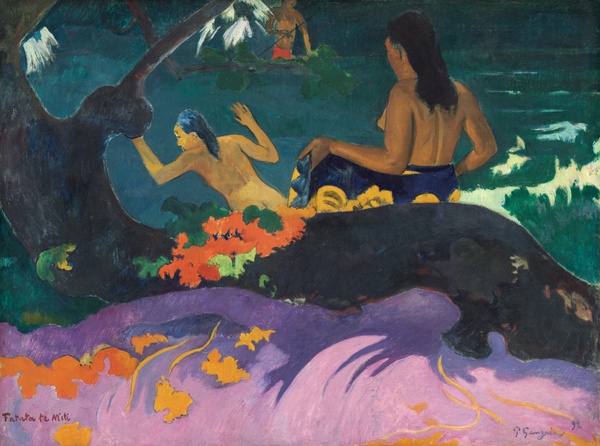
Sea (Fatata te Miti) - Piet Mondrian (1892)
Premium

Sea (Fatata te Miti) - Piet Mondrian (1892)

Piet Mondrian

Netherlands, 1892

An early Mondrian seascape that, despite its relatively realistic style, captures the rhythmic movement and light play on the water, hinting at patterns and reflections that later informed his abstract 'mirrored' grids.

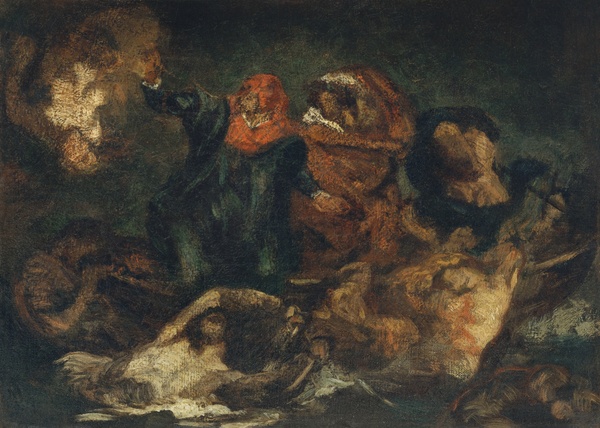
Copy after Delacroix's "Bark of Dante" - Édouard Manet (ca. 1859)

Copy after Delacroix's "Bark of Dante" - Édouard Manet (ca. 1859)

Édouard Manet

France, 1859

Another instance of Manet engaging with art history by 'mirroring' Delacroix's dramatic scene of the underworld, exploring artistic reinterpretation across different eras.

Discover more curated collections

View all collections