
Curated Collections · 30 artworks · Created March 22, 2026

Resonance of Absence

Echoes in the Emptiness: The Unseen Weight of What Remains.

Read it as a book

Download the set in 4K — or open it in the MP Art app to send straight to your Frame

Resonance of Absence

The hushed galleries of human experience often resonate not with presence, but with the profound weight of what is no longer, what never was, or what remains just beyond our grasp. Our exploration, "Resonance of Absence," delves into this unseen force, charting its echoes across disparate canvases and through the lens of time itself.

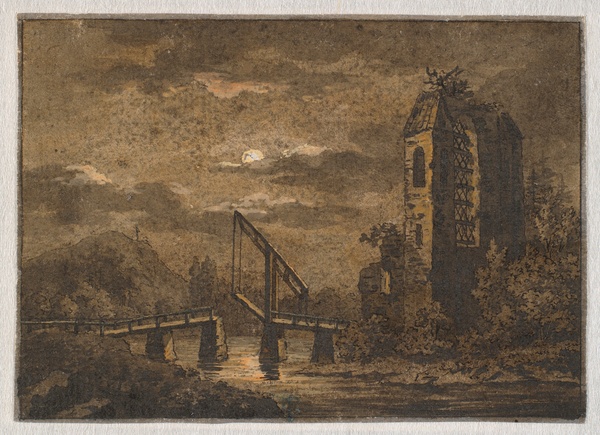
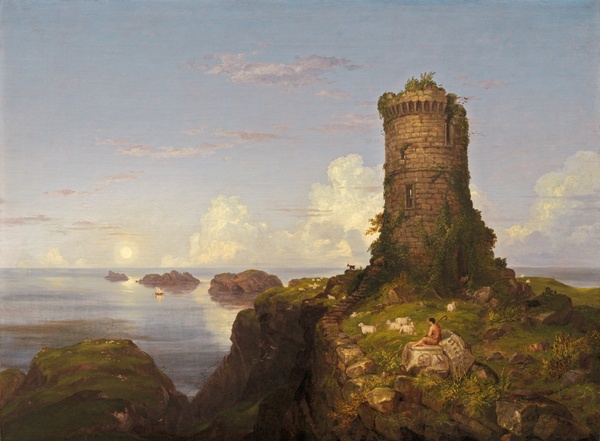
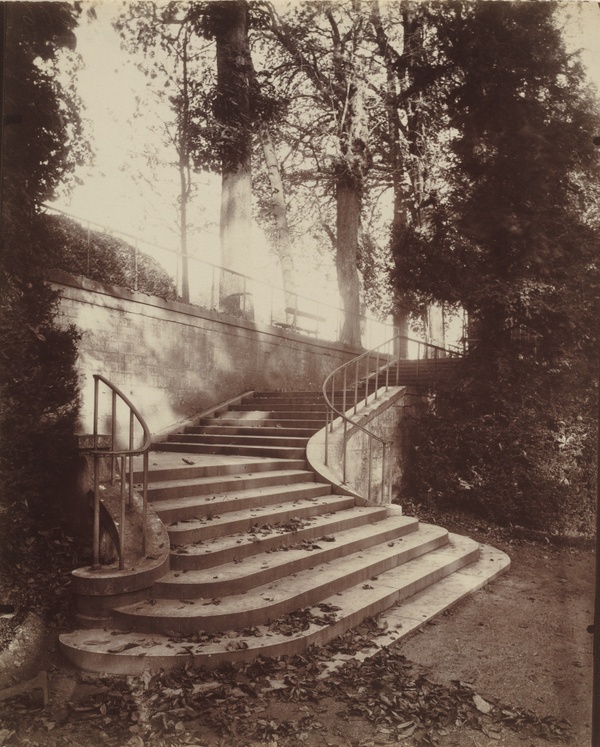
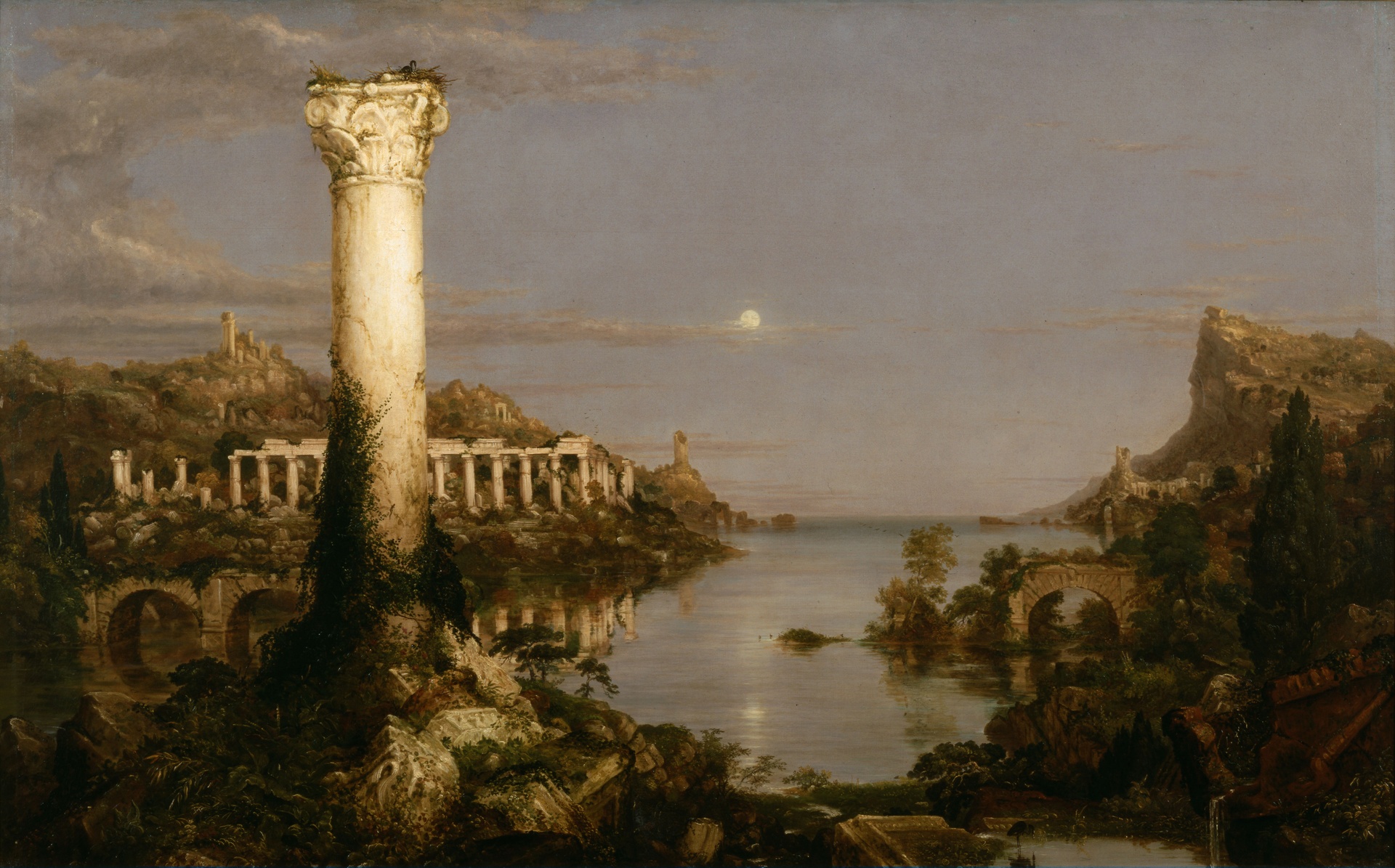
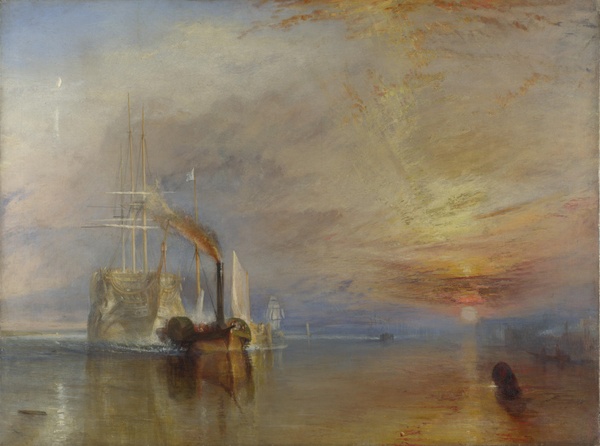
We begin with the colossal and inevitable march of decay. Thomas Cole’s The Course of Empire: Desolation presents a stark tableau: a civilization reduced to broken columns, a powerful testament to transient grandeur. This grand narrative finds a poignant counterpoint in J.M.W. Turner’s The Fighting Temeraire tugged to her last Berth to be broken up, where the spectral form of a heroic warship is silently drawn to its demise. It is a haunting elegy to obsolescence. Caspar David Friedrich offers Landscape with Drawbridge and Ruin in Moonlight, where broken architecture and a silent drawbridge evoke a forgotten narrative. Cole’s Italian Coast Scene with Ruined Tower similarly meditates on time’s passage, the tower a firm but hollowed sentinel. Eugène Atget’s The Steps at Saint-Cloud captures a grand staircase leading to nowhere, its emptiness an echo of former revelry.
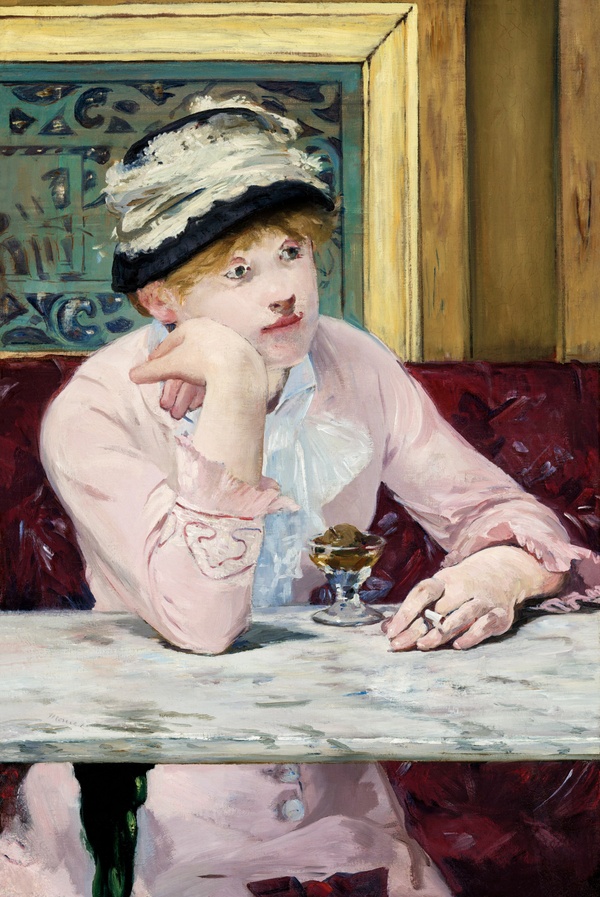
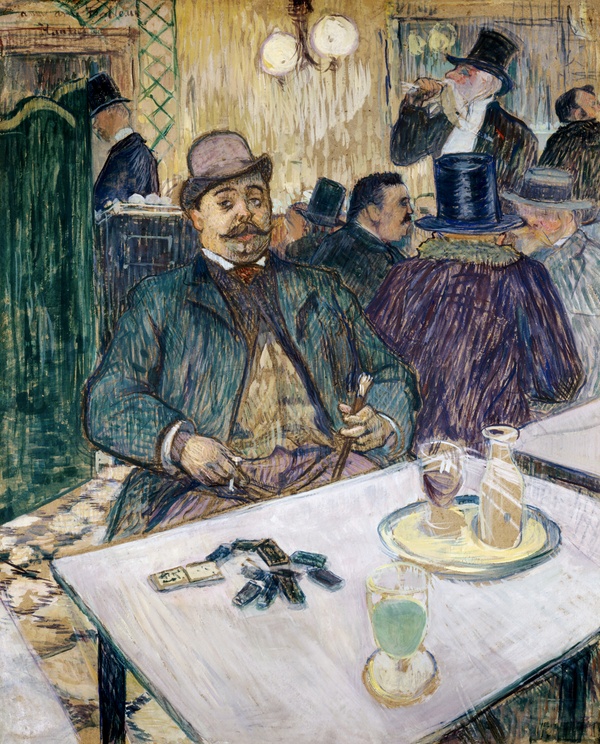
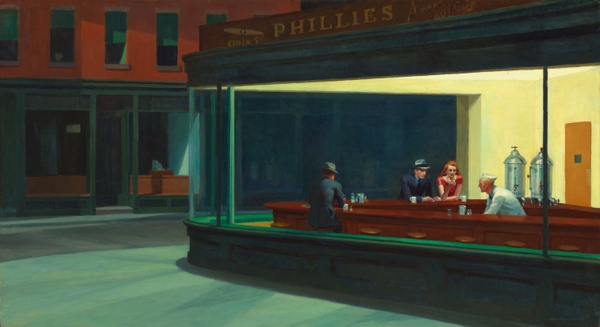
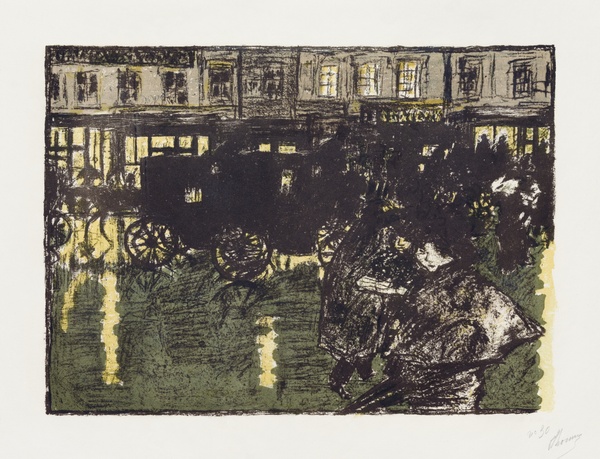
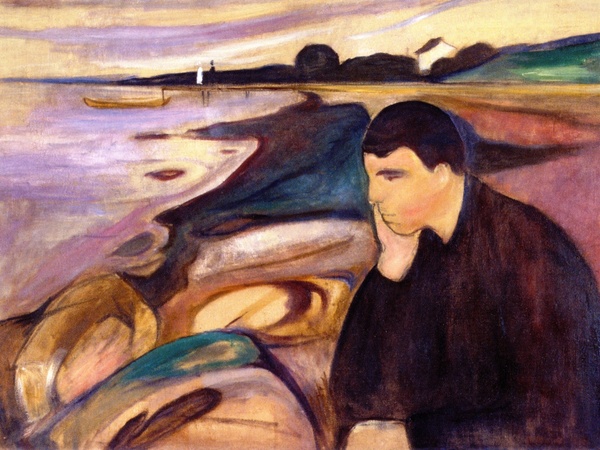
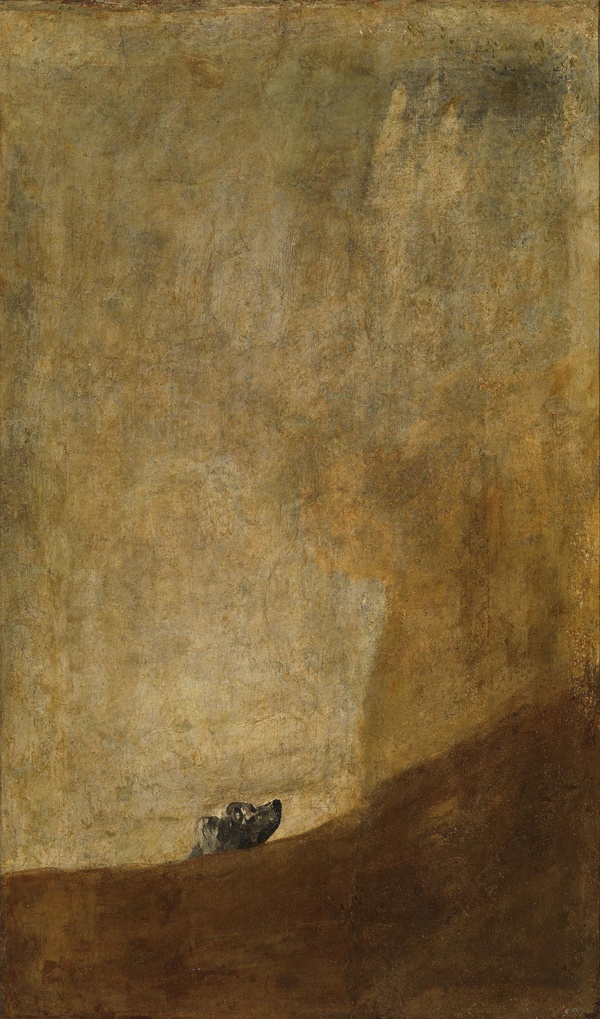
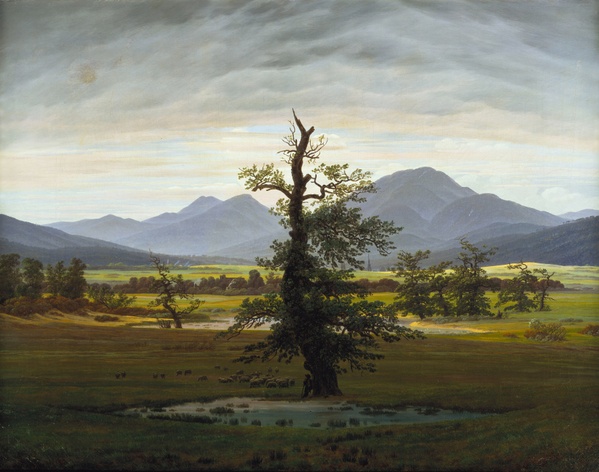
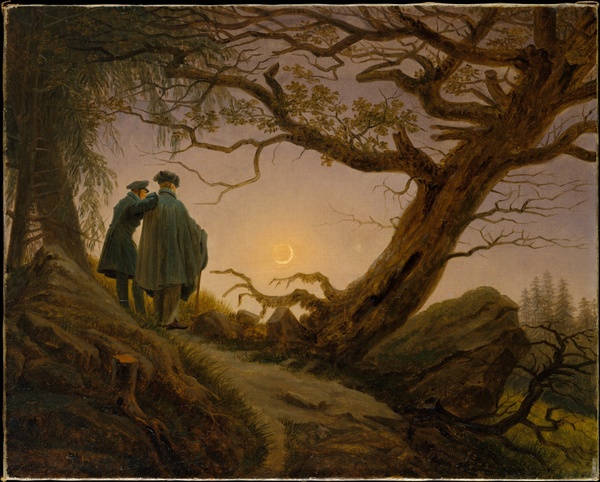
From these grander vistas, we narrow our focus to individual solitude. Friedrich’s The Lonely Tree stands as a stoic monument, mirroring the isolation of the spirit. His Two Men Contemplating the Moon captures a shared gaze yet separate inner worlds. The urban landscape, too, becomes a crucible for this solitude. Édouard Manet’s Plum Brandy portrays a woman lost in pensive thought. Henri de Toulouse-Lautrec’s Monsieur Boileau at the Café similarly traps a figure in private reverie. Edward Hopper, chronicler of alienation, encapsulates this in Nighthawks, where figures remain utterly separate, their proximity emphasizing profound solitude. Pierre Bonnard’s Some Aspects of Life in Paris, 11: A Street on a Rainy Evening renders urban life as fleeting, dissolving figures. Edvard Munch's Melancholy presents a figure consumed by inner sorrow, a longing for something absent. Perhaps no image captures existential abandonment quite like Francisco Goya’s The Dog (El Perro), a desperate head emerging from a void, its gaze directed upward into an unseen immensity.
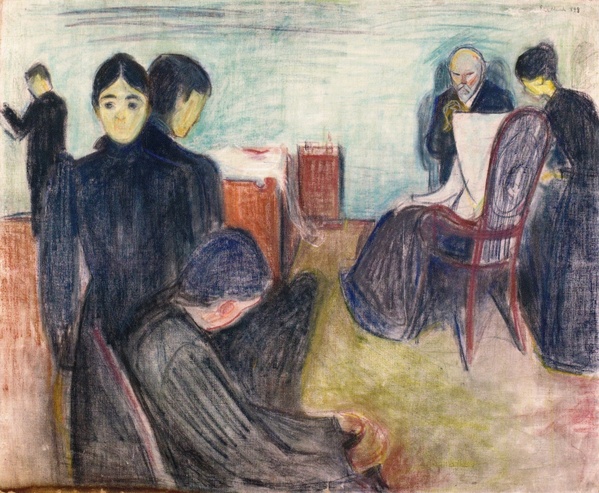
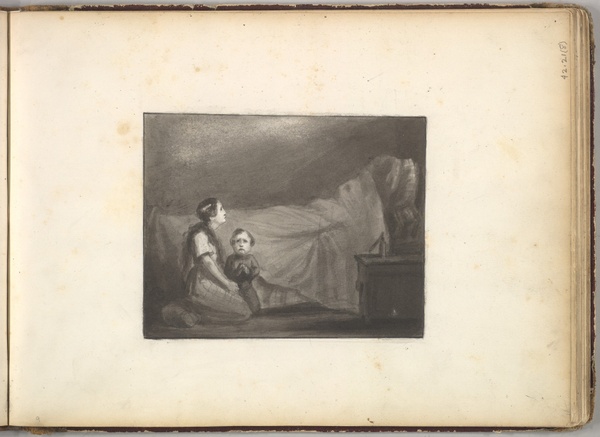
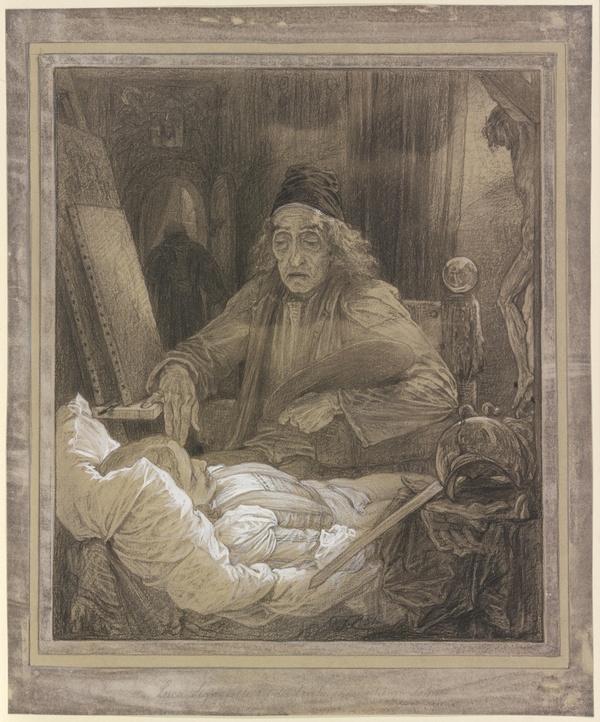
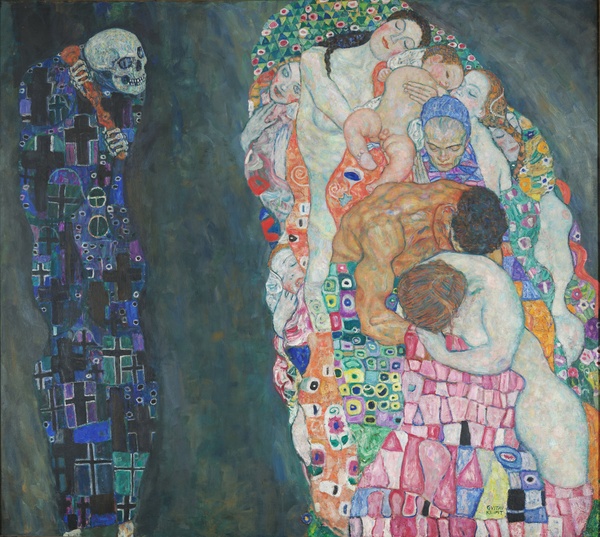
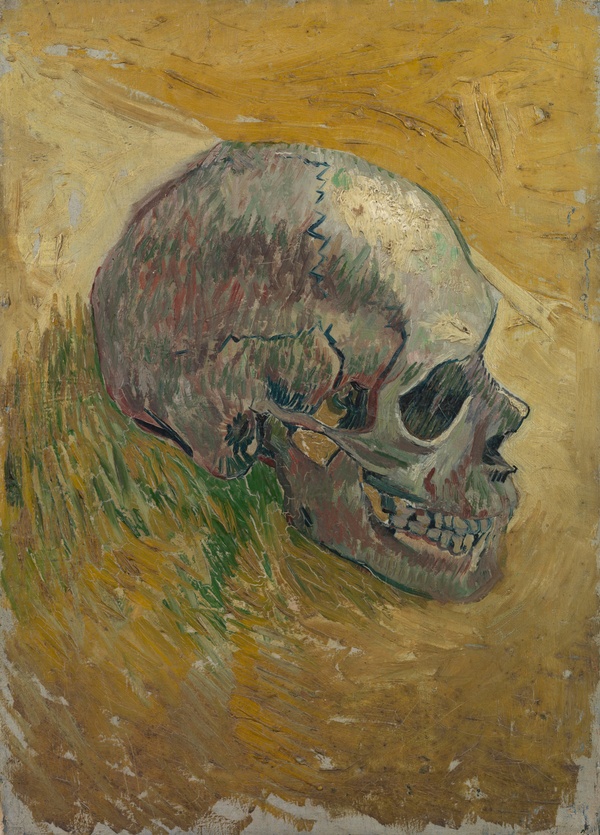
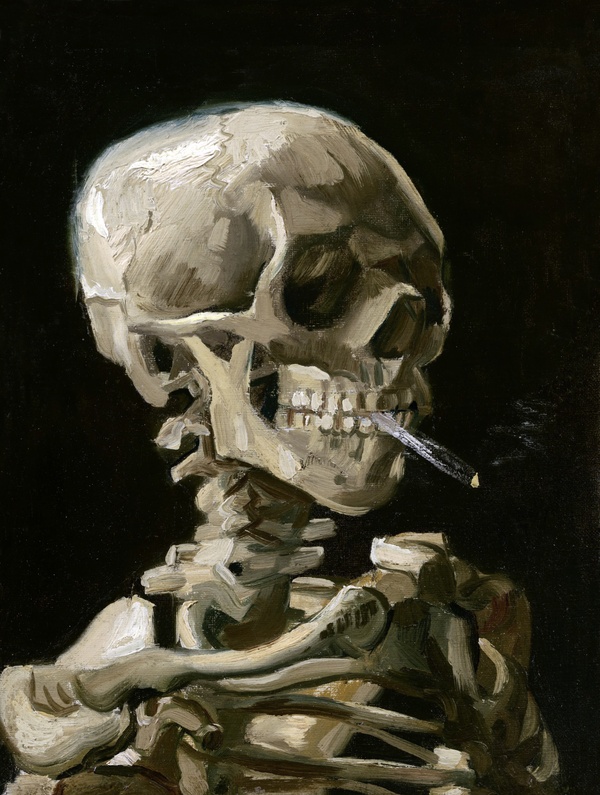
The ultimate absence, of course, is death. Vincent van Gogh’s unsettling Skull and Head of a Skeleton with a Burning Cigarette are stark memento mori, playful defiance juxtaposed with skeletal reality. Edvard Munch’s Death in the Sickroom is a chillingly personal depiction of grief, silent figures embodying the void left by a loved one. Frederic Leighton’s raw A Deathbed Scene and his poignant Luca Signorelli Painting his Dead Son reveal the intimacy of loss, the artistic impulse to capture what slips away. Gustav Klimt’s Death and Life contrasts life's vibrant forms with Death’s skeletal shadow, an ever-present force creating ultimate absence.
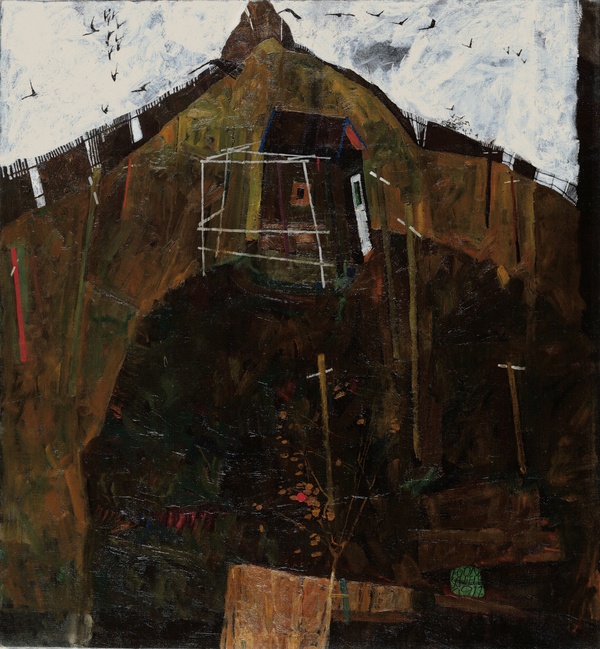
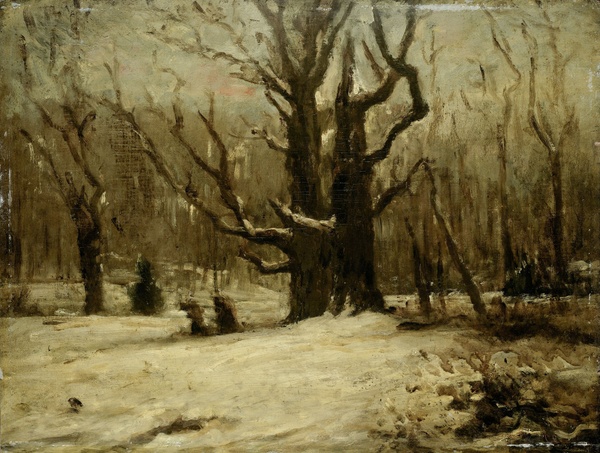
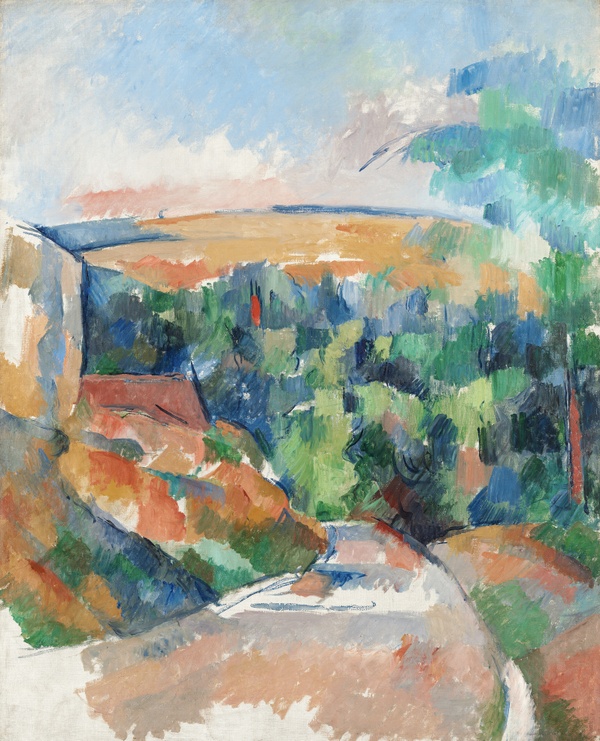
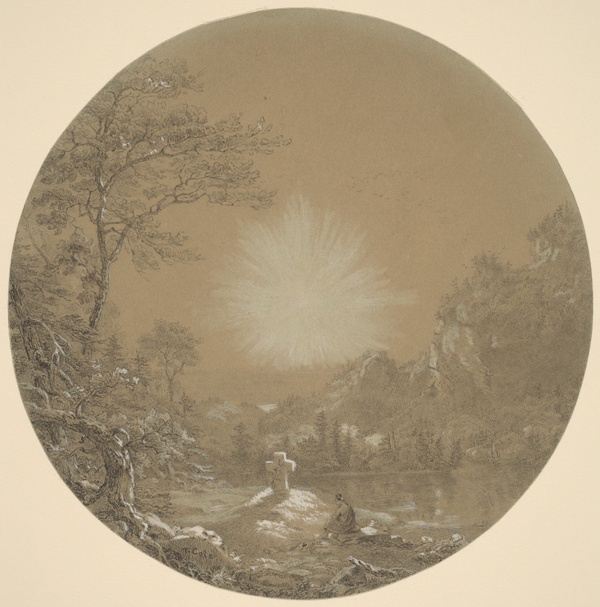
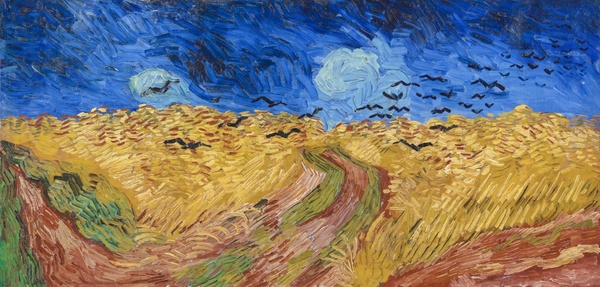
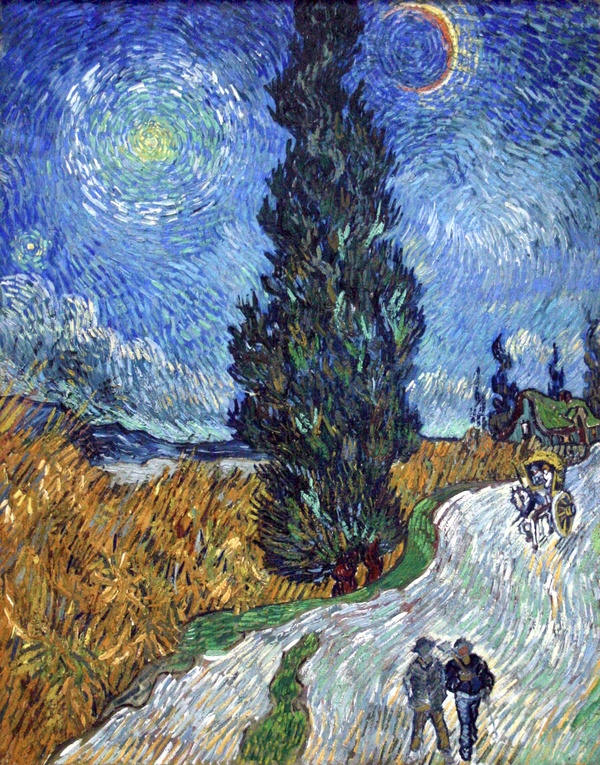
Nature, too, holds its profound silences and forebodings. Van Gogh’s Wheatfield with Crows is a vortex of turbulent skies and agitated fields, heavy with impending doom. His Road with Cypress and Star spirals with hallucinatory energy, yet the path leads into an uncertain future. Egon Schiele’s Landscape with Ravens presents a desolate, skeletal natural world. Attributed to Gustave Courbet, Winter Landscape depicts a frozen, hushed forest, life suspended. Paul Cézanne’s The Bend in the Road offers an enigmatic path, the unseen beyond the curve hinting at possibilities or further emptiness. Thomas Cole’s The Cross in the Wilderness places a fragile symbol of faith against an overwhelming, untamed landscape, highlighting the insignificance of human imprint.
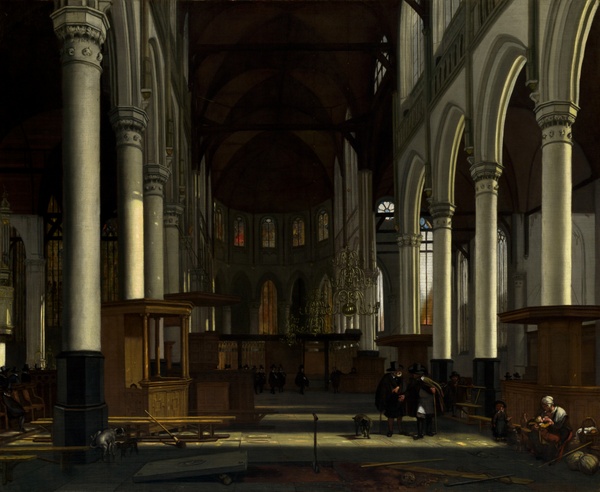
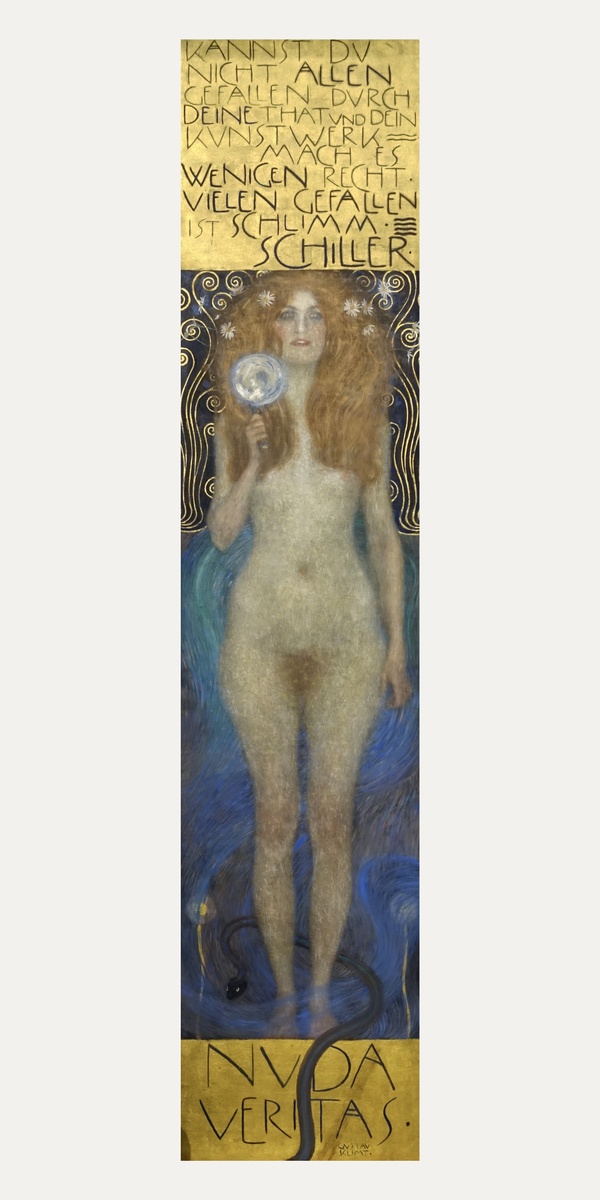
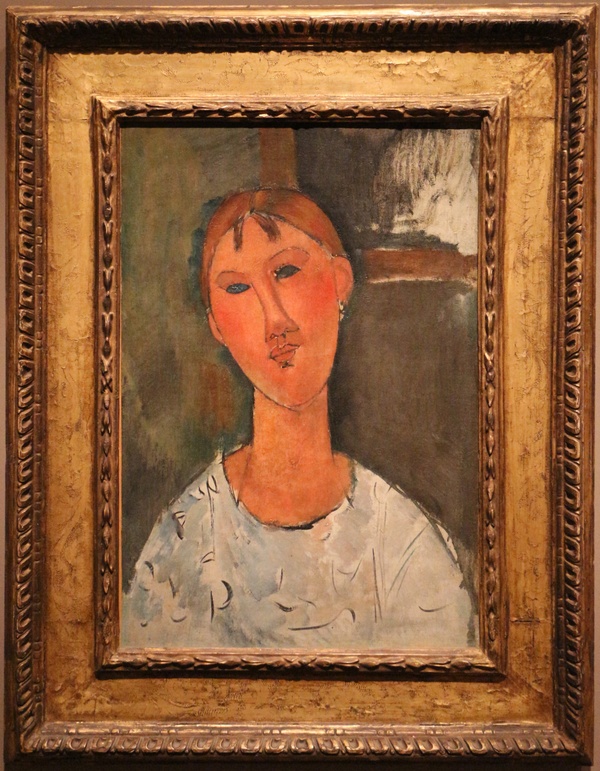
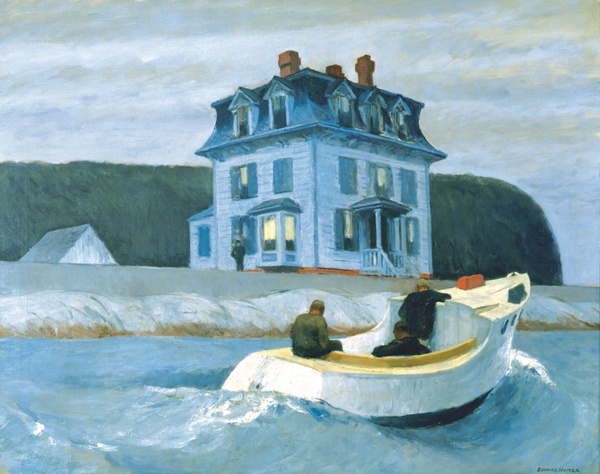
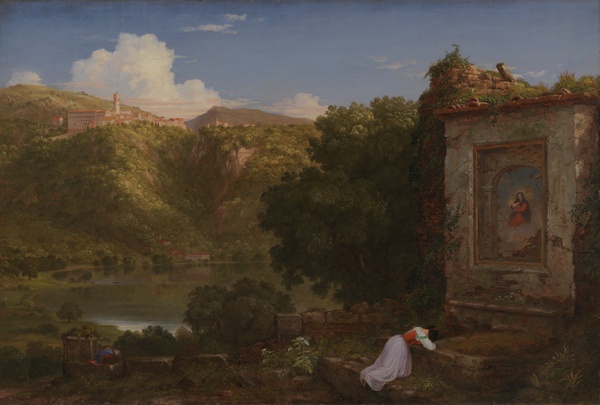
Finally, we encounter absences shrouded in mystery. Edward Hopper’s The Bootleggers shows figures in unspoken tension, hidden narratives present but unseen. Thomas Cole’s Il Penseroso depicts a solitary figure seeking meaning in a twilight landscape. Emanuel de Witte’s The Interior of the Oude Kerk, Amsterdam captures a soaring space devoid of people, yet filled with light and history. Gustav Klimt’s Nuda Veritas dares the viewer to confront truth directly, the mirror reflecting unvarnished reality. Amedeo Modigliani’s Girl in a White Blouse, with her elongated features, embodies an inner world deliberately withheld, a profound psychological absence that invites contemplation.
These artworks collectively articulate the paradox of absence: that what is missing often defines what remains, its echoes shaping our perception, memory, and sense of self. They invite us to listen to the silence, to see the voids, and to feel the unseen weight of what isn't there, recognizing that absence is not merely an emptiness, but a potent, resonant force.

Artworks in this collection

30 artworks
The Course of Empire: Desolation - Thomas Cole (1836)
Premium

The Course of Empire: Desolation - Thomas Cole (1836)

Thomas Cole

USA, 1836

A literal depiction of 'what is no longer there,' showing the ruins of a collapsed civilization, making the void left behind overtly clear and resonating with lingering echoes of past glory.

The Fighting Temeraire tugged to her last Berth to be broken up - J.M.W. Turner (1839)
Premium

The Fighting Temeraire tugged to her last Berth to be broken up - J.M.W. Turner (1839)

J.M.W. Turner

England, 1839

This powerful elegy to a vanishing era symbolizes the transformation of a grand presence into a future absence, evoking a profound melancholic echo of lost glory.

Landscape with Drawbridge and Ruin in Moonlight - Caspar David Friedrich (c. early 19th century)

Landscape with Drawbridge and Ruin in Moonlight - Caspar David Friedrich (c. early 19th century)

Caspar David Friedrich

Germany

Friedrich's ruins evoke 'what is no longer there,' and the moonlight enhances the 'resonance of absence' and melancholic atmosphere, embodying the theme perfectly.

Italian Coast Scene with Ruined Tower - Thomas Cole (1838)
Premium

Italian Coast Scene with Ruined Tower - Thomas Cole (1838)

Thomas Cole

United States, 1838

The ruined tower stands as a testament to former grandeur, its decay signifying 'what is no longer there' and adding a melancholic echo to the landscape.

The Steps at Saint-Cloud - Eugène Atget (1906)
Premium

The Steps at Saint-Cloud - Eugène Atget (1906)

Eugène Atget

France, 1906

Atget's deserted urban scenes capture the essence of absence; the empty steps and melancholic tone speak volumes of countless unseen lives and the transient nature of human presence.

The Lonely Tree (Der einsame Baum) - Caspar David Friedrich (1822)
Premium

The Lonely Tree (Der einsame Baum) - Caspar David Friedrich (1822)

Caspar David Friedrich

Germany, 1822

A singular, isolated tree in a vast landscape powerfully embodies solitude, implying the absence of companionship and the enduring presence of nature.

Two Men Contemplating the Moon - Caspar David Friedrich (ca. 1825–1830)
Premium

Two Men Contemplating the Moon - Caspar David Friedrich (ca. 1825–1830)

Caspar David Friedrich

Germany, 1825

Two figures gazing into a vast, mysterious night contemplate existence, the unknown, and the immensity beyond human presence, representing 'what has yet to arrive' or the 'unseen weight'.

Plum Brandy - Édouard Manet (c. 1877)
Premium

Plum Brandy - Édouard Manet (c. 1877)

Édouard Manet

France, 1877

A solitary figure lost in thought, the melancholic mood and the drink suggest an attempt to fill an internal void or a quiet resignation to a deeper absence.

Monsieur Boileau at the Café - Henri de Toulouse-Lautrec (1893)
Premium

Monsieur Boileau at the Café - Henri de Toulouse-Lautrec (1893)

Henri de Toulouse-Lautrec

France, 1893

Despite the bustling café setting, the figure appears isolated and melancholic, highlighting a poignant emotional or social absence amidst a crowd.

Nighthawks - Edward Hopper (1942)
Premium

Nighthawks - Edward Hopper (1942)

Edward Hopper

USA, 1942

An iconic image of urban alienation, loneliness, and unspoken narratives, where figures are present but a sense of connection and warmth is profoundly absent, embodying 'atmospheres charged with the quiet power of the unsaid.'

Some Aspects of Life in Paris, 11: A Street on a Rainy Evening (Rue le soir sous la pluie) - Pierre Bonnard (1899)
Premium

Some Aspects of Life in Paris, 11: A Street on a Rainy Evening (Rue le soir sous la pluie) - Pierre Bonnard (1899)

Pierre Bonnard

France, 1899

Rainy city streets often appear hushed and deserted, amplifying a sense of solitude and the quiet power of unspoken stories within the urban fabric, embodying 'empty spaces' filled with 'untold stories'.

Melancholy - Edvard Munch (1894)
Premium

Melancholy - Edvard Munch (1894)

Edvard Munch

Norway, 1894

The title perfectly captures the theme's emotional core, depicting a solitary figure immersed in deep sorrow, a profound internal absence of joy or peace.

The Dog (El Perro) - Francisco Goya (c. 1820–1823)
Premium

The Dog (El Perro) - Francisco Goya (c. 1820–1823)

Francisco Goya

Spain, 1820

A haunting image of a dog almost swallowed by emptiness, expressing profound isolation, despair, and an existential sense of absence.

Skull - Vincent van Gogh (1887)
Premium

Skull - Vincent van Gogh (1887)

Vincent van Gogh

Netherlands, 1887

A skull is a classic vanitas motif, serving as a stark reminder of human mortality and the ultimate 'absence' of life, inviting deep contemplation.

Head of a Skeleton with a Burning Cigarette - Vincent van Gogh (1886)

Head of a Skeleton with a Burning Cigarette - Vincent van Gogh (1886)

Vincent van Gogh

Netherlands, 1886

A direct, visceral representation of mortality and the ultimate absence of life, challenging the viewer to confront ephemeral existence and the void.

Death in the Sickroom - Edvard Munch (1893)
Premium

Death in the Sickroom - Edvard Munch (1893)

Edvard Munch

Norway, 1893

Directly depicting a 'Death in the Sickroom,' this artwork powerfully conveys the immediate and profound absence of life, and the lingering echo it leaves behind.

A Deathbed Scene (in Sketch Book With Drawings on Twenty-six Leaves) - Frederic Leighton (c. 1849)
Premium

A Deathbed Scene (in Sketch Book With Drawings on Twenty-six Leaves) - Frederic Leighton (c. 1849)

Frederic Leighton

United Kingdom, 1849

A raw depiction of the moment of final departure, the imminent 'absence' of a loved one, filled with quiet sorrow and profound memory.

Luca Signorelli Painting his Dead Son - Frederic Leighton (1851)

Luca Signorelli Painting his Dead Son - Frederic Leighton (1851)

Frederic Leighton

United Kingdom, 1851

A poignant depiction of a father confronting the profound, irreversible absence of his child, capturing grief and enduring memory.

Death and Life - Gustav Klimt (1910–1915)
Premium

Death and Life - Gustav Klimt (1910–1915)

Gustav Klimt

Austria, 1910

This allegorical work explicitly juxtaposes 'Death' and 'Life,' making the inevitable 'absence' of life a central and powerful theme.

Wheatfield with Crows - Vincent van Gogh (1890)
Premium

Wheatfield with Crows - Vincent van Gogh (1890)

Vincent van Gogh

Netherlands, 1890

Often interpreted as one of Van Gogh's last paintings, the dramatic 'Wheatfield with Crows' is imbued with a sense of foreboding and the artist's impending absence.

Road with Cypress and Star - Vincent van Gogh (1890)
Premium

Road with Cypress and Star - Vincent van Gogh (1890)

Vincent van Gogh

Netherlands, 1890

The cypress, often associated with death and mourning, and the road leading into the mysterious night, evoke both past absence and the unknown future.

Landscape with Ravens - Egon Schiele (1911)

Landscape with Ravens - Egon Schiele (1911)

Egon Schiele

Austria, 1911

Schiele's stark, expressionistic landscape, combined with ravens (symbols of death or foreboding), creates an atmosphere charged with a sense of impending or lingering absence.

Winter Landscape (1850–1877) - Attributed to Gustave Courbet
Premium

Winter Landscape (1850–1877) - Attributed to Gustave Courbet

Attributed to Gustave Courbet

France, 1850

A winter landscape inherently conveys a temporary absence of life and vibrancy, resonating with a quiet, profound emptiness and melancholic mood.

The Bend in the Road - Paul Cézanne (ca. 1900–1906)
Premium

The Bend in the Road - Paul Cézanne (ca. 1900–1906)

Paul Cézanne

France, 1906

The 'Bend in the Road' suggests an unseen future or a recent departure, evoking 'what has yet to arrive' or the 'palpable void left behind' a traveler.

The Cross in the Wilderness - Thomas Cole (c. 1844)
Premium

The Cross in the Wilderness - Thomas Cole (c. 1844)

Thomas Cole

United States, 1844

A lone cross in a vast, untamed wilderness symbolizes sacrifice, absence, and spiritual contemplation, resonating with a quiet, powerful significance.

The Bootleggers - Edward Hopper (1925)
Premium

The Bootleggers - Edward Hopper (1925)

Edward Hopper

USA, 1925

Hopper masterfully creates narratives of isolation and the unseen; the illicit 'Bootleggers' activity implies hidden lives and the absence of overt human interaction.

Il Penseroso - Thomas Cole (1845)

Il Penseroso - Thomas Cole (1845)

Thomas Cole

United Kingdom, 1845

The title 'Il Penseroso' (The Pensive Man) directly points to deep contemplation, often on themes of mortality, loss, and the ephemeral nature of life and its inevitable absence.

The Interior of the Oude Kerk, Amsterdam - Emanuel de Witte (c. 1660)
Premium

The Interior of the Oude Kerk, Amsterdam - Emanuel de Witte (c. 1660)

Emanuel de Witte

Netherlands, 1660

The empty church interior resonates with the echoes of past sermons and congregants, a powerful 'silent space' filled with implied history and spiritual absence.

Nuda Veritas - Gustav Klimt (1899)
Premium

Nuda Veritas - Gustav Klimt (1899)

Gustav Klimt

Austria, 1899

'Nuda Veritas' (Naked Truth) suggests the unvarnished reality that might be absent from superficial understanding, or the starkness of a revealed truth, reflecting the 'quiet power of the unsaid.'

Girl in a White Blouse - Amedeo Modigliani (1915)
Premium

Girl in a White Blouse - Amedeo Modigliani (1915)

Amedeo Modigliani

Italy, 1915

Modigliani's portraits, with their elongated features and often blank eyes, create a sense of detachment, an internal absence, or an elusive presence.

Discover more curated collections

View all collections