
Curated Collections · 29 artworks · Created April 3, 2026

Skeletal Silhouettes

Echoes of Form: Unveiling the Enduring Framework

Read it as a book

Download the set in 4K — or open it in the MP Art app to send straight to your Frame

Skeletal Silhouettes

In the solemn halls of art, where pigments whisper tales across centuries, we embark on an exploration of form stripped bare, a meditation on the enduring architecture beneath the ephemeral. Our theme, "Skeletal Silhouettes," guides us through a profound visual journey, a testament to the persistent framework of existence.

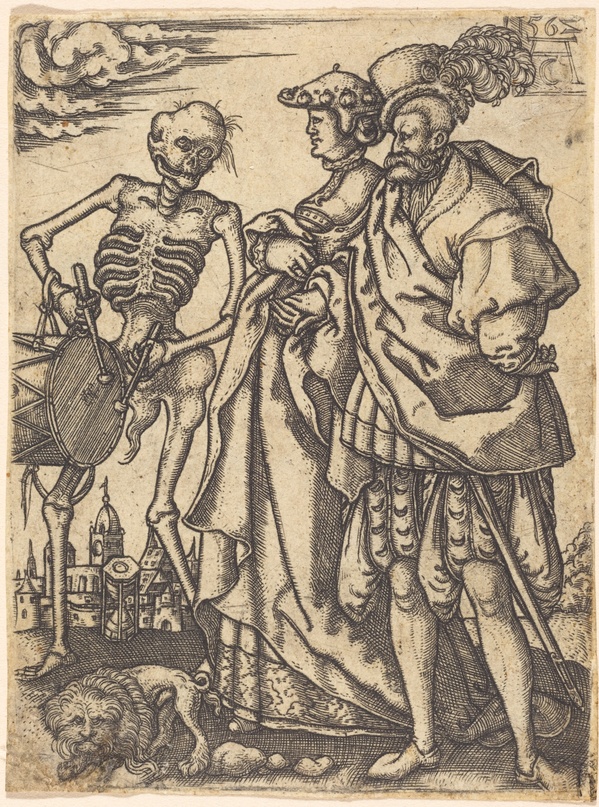
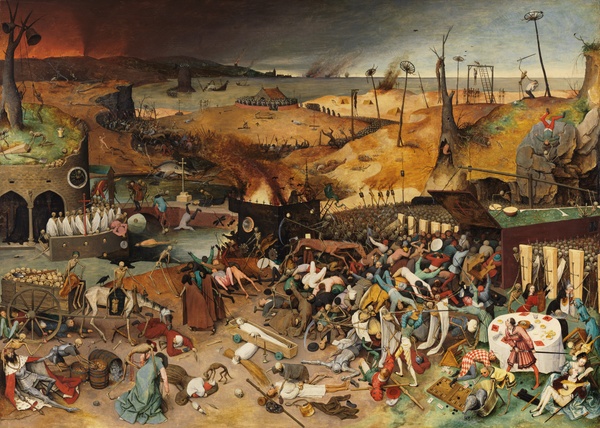
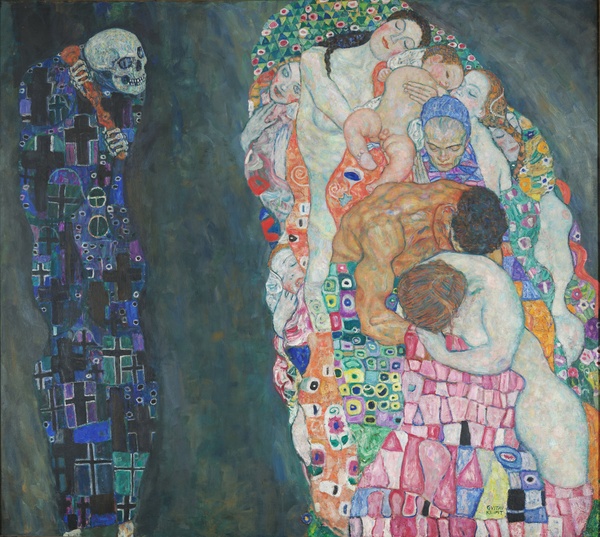
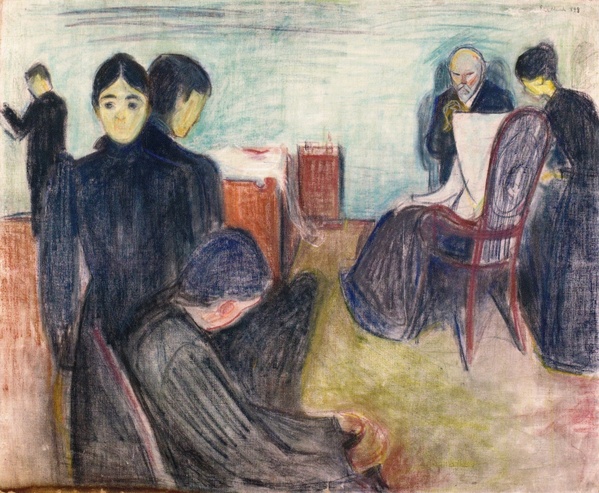
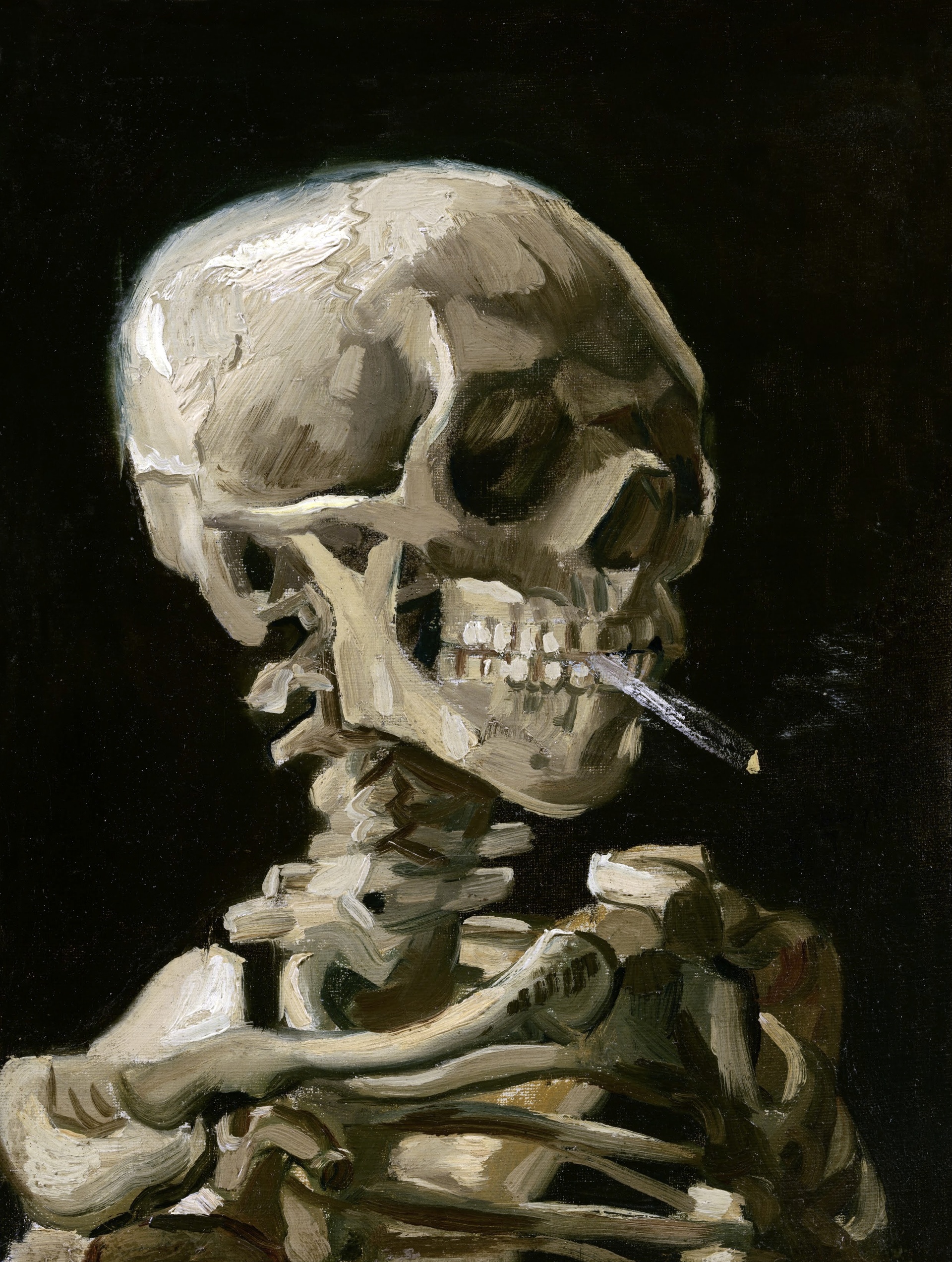
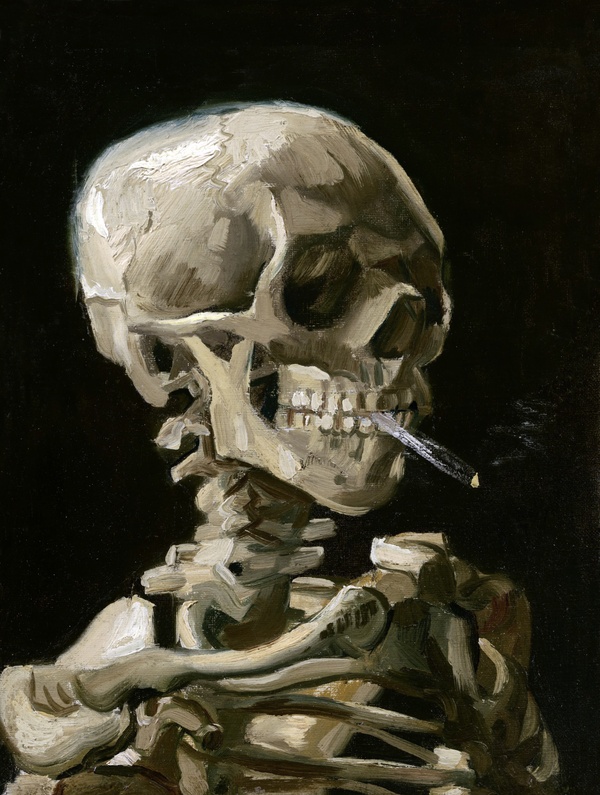
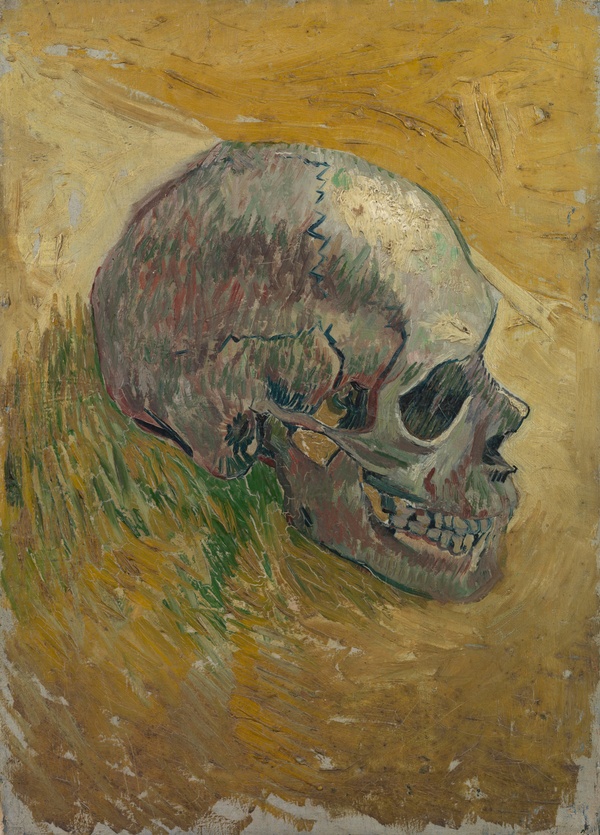
We begin with the stark, unsettling presence of mortality itself. Vincent van Gogh’s Head of a Skeleton with a Burning Cigarette immediately confronts us, a macabre memento mori that is both academic study and defiant statement. Adjacent, his earlier Skull offers a more stark, yet equally poignant, reflection on the fragility of life. This visceral encounter with the ultimate frame continues with Allaert Claesz’s chilling engraving, Dance of Death I, where skeletal figures mockingly lead mortals in a grim procession. Pieter Bruegel the Elder expands this allegory to an apocalyptic scale in The Triumph of Death, a panoramic devastation where an army of skeletons reaps humanity, reminding us of the universal equalizer. Gustav Klimt’s Death and Life offers a softer, yet profound, contrast – a single, richly patterned skeletal figure contemplating a vibrant cluster of humanity, a poignant juxtaposition of the temporary and the ultimate. The psychological weight of loss resonates deeply in Edvard Munch’s Death in the Sickroom, where the unseen skeleton of his sister’s illness permeates the silent, grieving family, an empty chair eloquently marking absence.
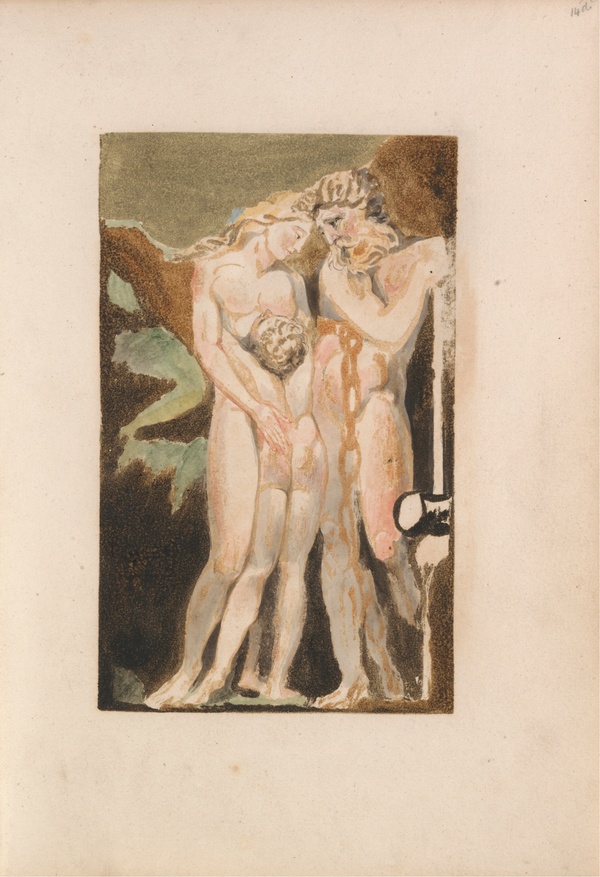
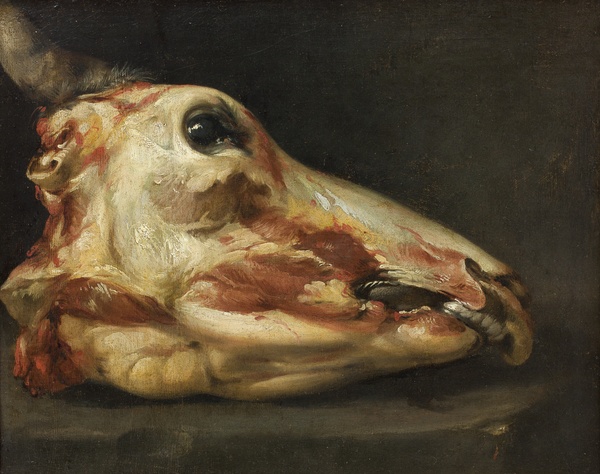
The existential dread intensifies with William Blake’s First Book of Urizen, Plate 18, where the contorted, almost skeletal figure of Urizen embodies primal fear and suffering, stripped to the bare bone of emotion. Francisco Goya’s unflinching Still Life of a Lamb's Head and Flanks (A Butcher's Counter) reveals the stark reality of flesh and bone, a visceral reminder of life’s foundational biology laid bare.
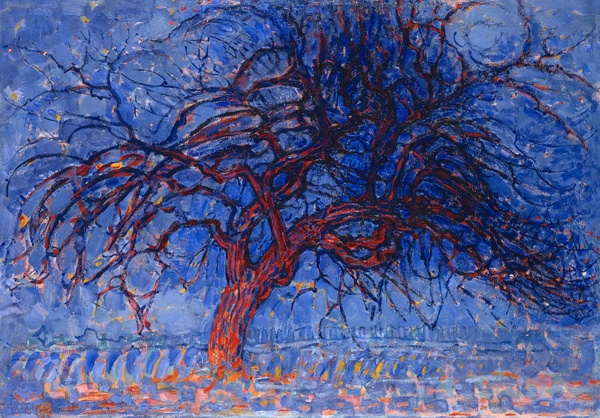
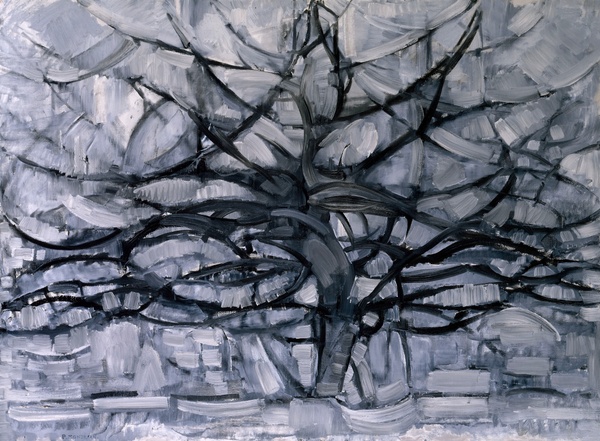
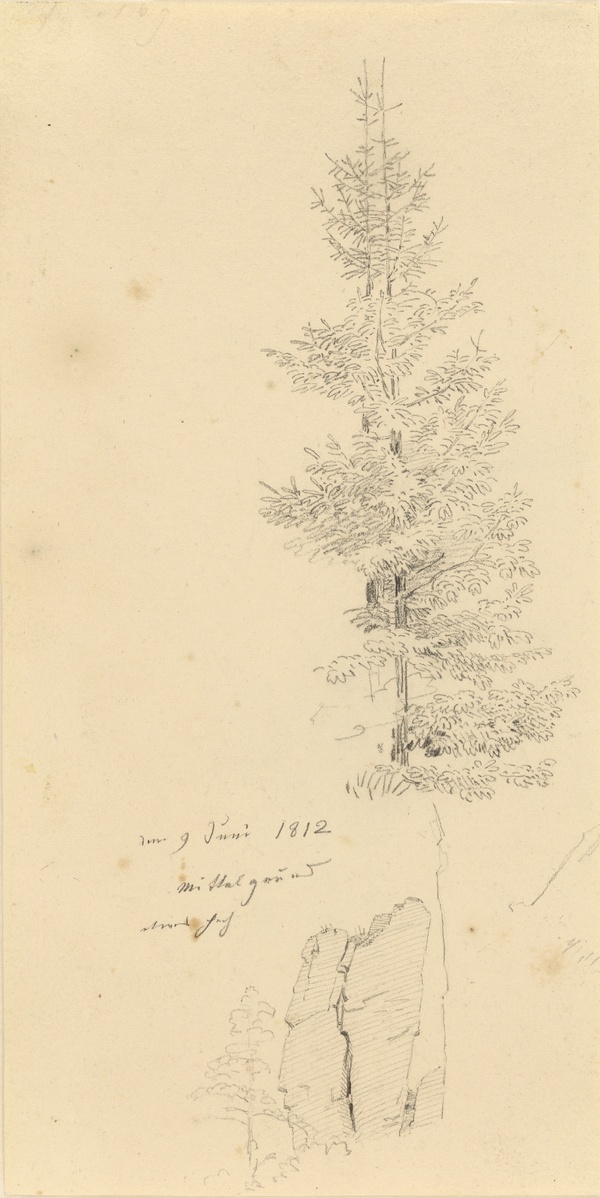
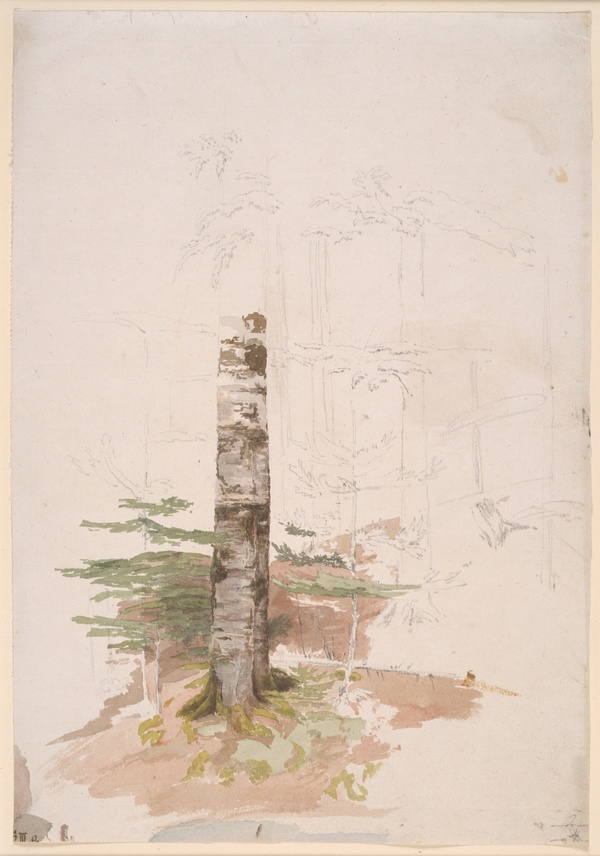
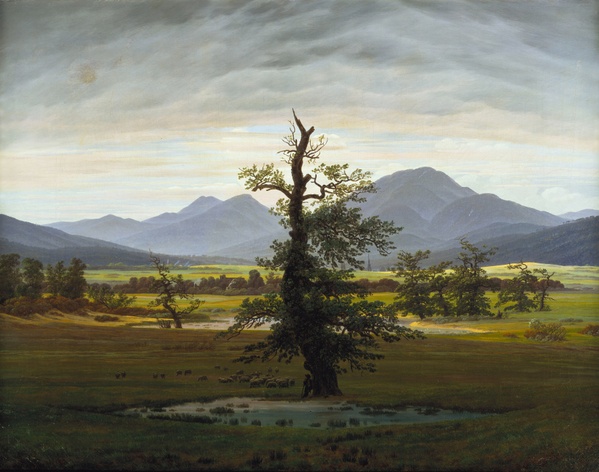
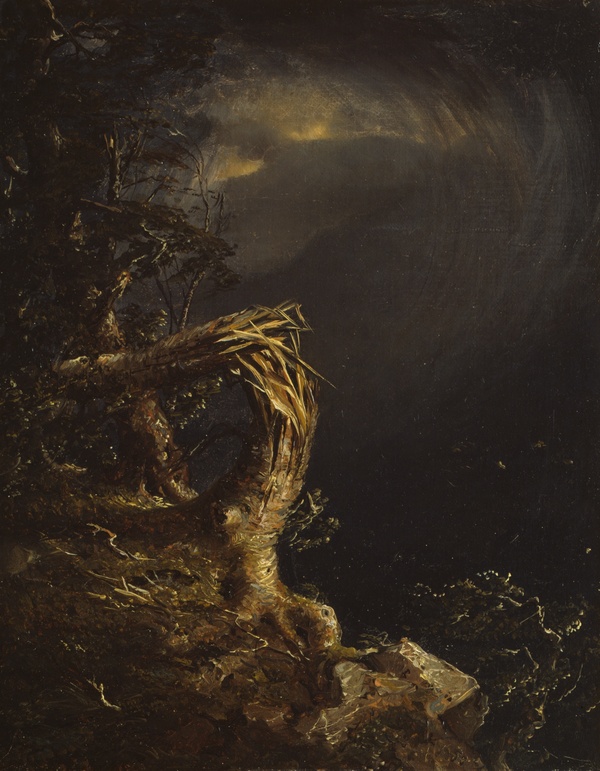
Our gaze then shifts to nature’s own enduring frameworks. Caspar David Friedrich’s majestic The Lonely Tree (Der einsame Baum) stands as a gnarled sentinel, its stark, leafless branches a testament to resilience against the ravages of time. Jasper Francis Cropsey’s Blasted Tree presents a more violent skeletal form, shattered yet defiant. Piet Mondrian, in Avond (Evening): The Red Tree and later Gray Tree, progressively abstracts these arboreal skeletons, reducing them to their essential lines and forms, searching for universal structures. Friedrich’s detailed observational studies, such as Study of Pine Trees and a Rock (recto) and Study from the Interior of a Conifer Forest, reveal the intricate, skeletal patterns of the natural world, a rigorous exploration of structure.
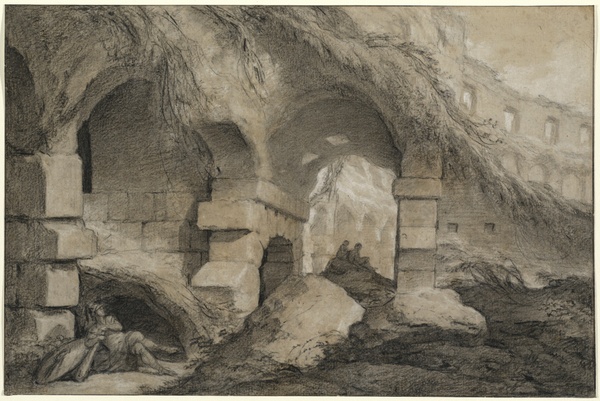
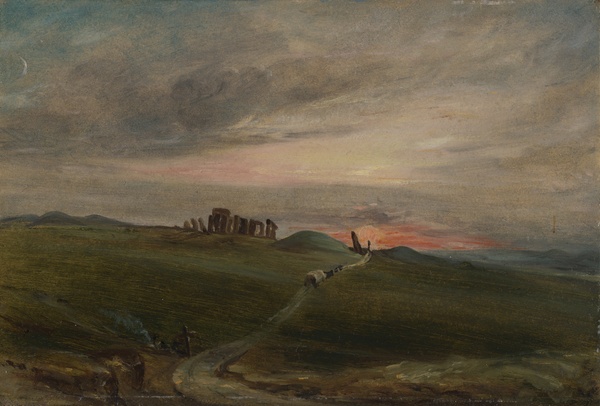
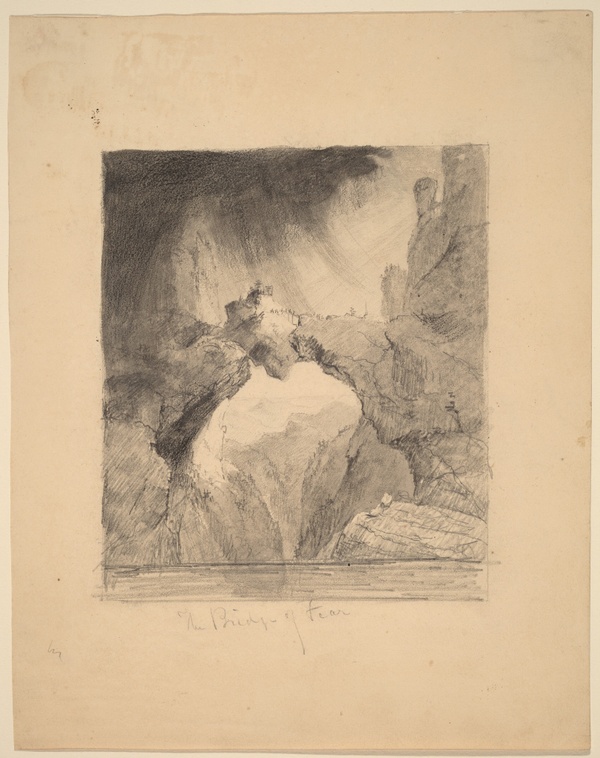
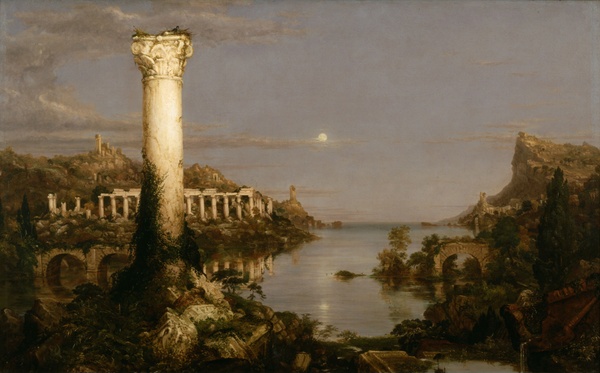
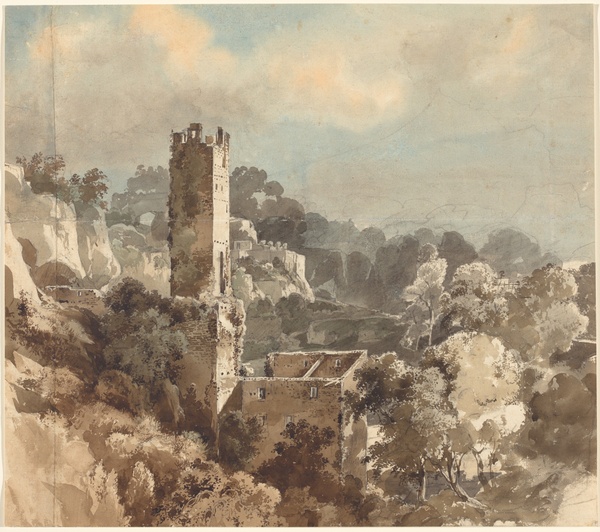
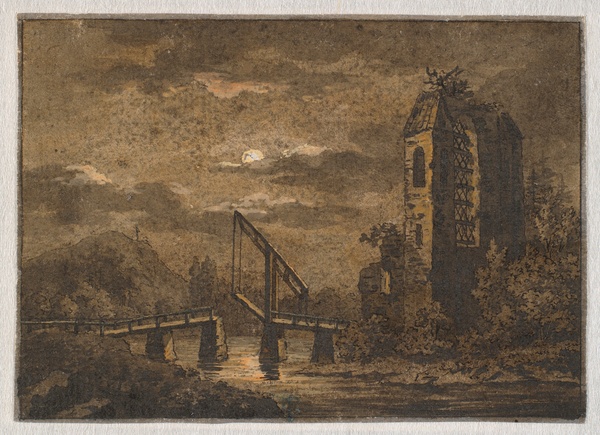
Civilization, too, leaves its skeletal imprints. Friedrich Salathé’s Ruins of a Fortified Tower among Wooded Hills and Friedrich’s own Landscape with Drawbridge and Ruin in Moonlight evoke the romantic decay of human endeavors, where crumbling stone echoes former glory. Charles Michel-Ange Challe’s The Interior of the Colosseum presents the magnificent, cavernous skeleton of an empire’s ambition. Ancient megaliths like those in John Constable’s Stonehenge at Sunset stand as timeless, stony skeletons on the landscape, enduring mysteries. Thomas Cole explores geological and civilizational skeletons, from the natural arch of The Bridge of Fear to the desolate, ruined city in The Course of Empire: Desolation, a poignant narrative of entropy.
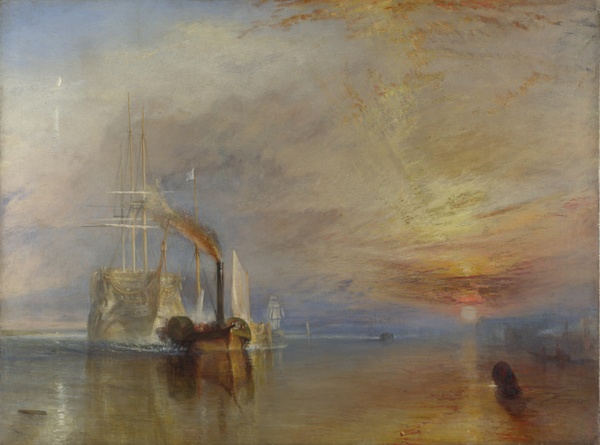
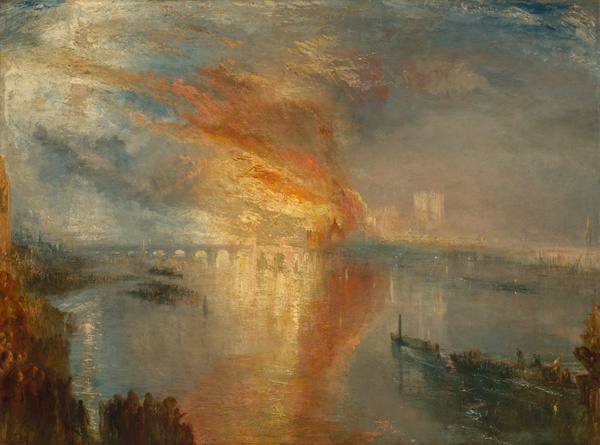
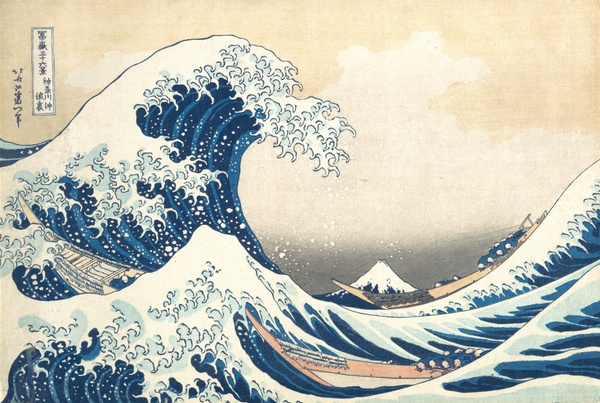
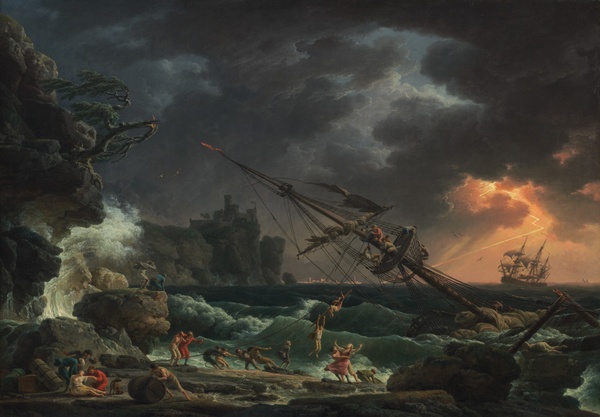
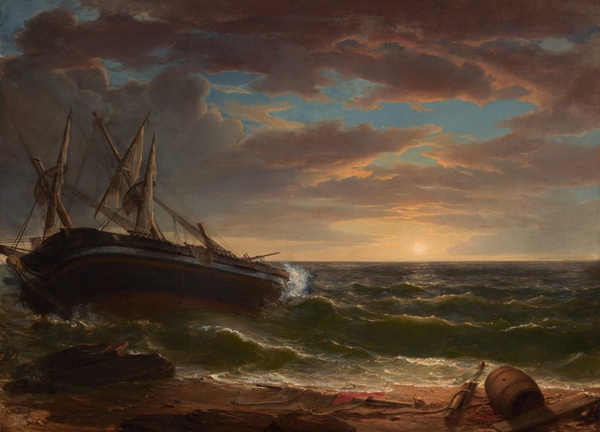
The sea, a great devourer, also creates skeletal remains. Claude-Joseph Vernet’s The Shipwreck and Asher Brown Durand’s The Stranded Ship depict vessels reduced to broken, skeletal hulls against unforgiving shores. J.M.W. Turner’s evocative The Fighting Temeraire captures the spectral, skeletal beauty of a warship’s final journey, its masts bare against the sunset, towed by a modern, utilitarian tug. Turner also portrays urban devastation in The Burning of the Houses of Lords and Commons, 16 October 1834, where the fiery inferno reveals the skeletal framework of burning buildings. Even nature's raw power, as seen in Katsushika Hokusai's iconic The Great Wave off Kanagawa, manifests in forms that are almost skeletal, with claw-like crests revealing the underlying, formidable mechanics of the ocean.
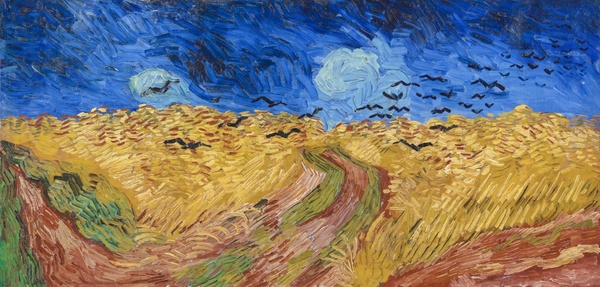
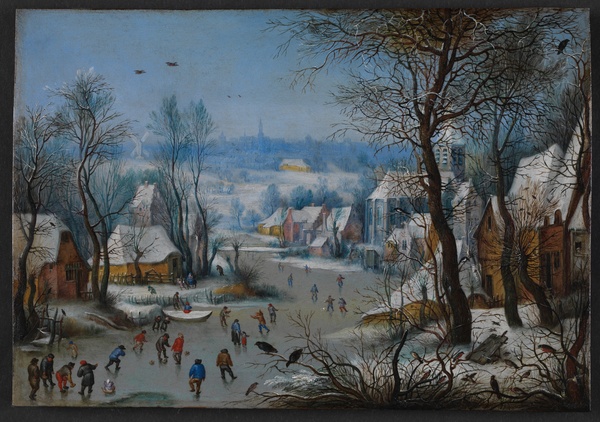
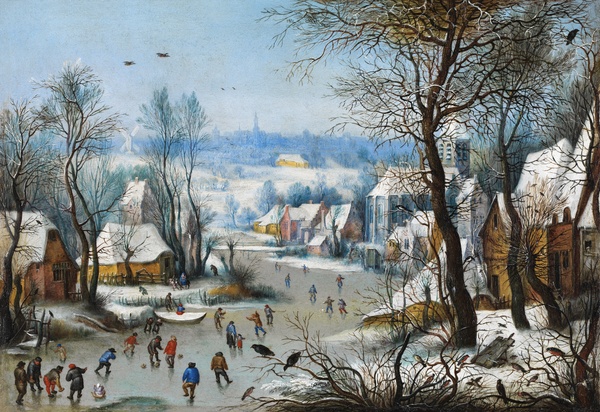
Finally, we witness the stark beauty of winter, a season that lays the landscape bare. Pieter Bruegel the Elder’s Winter Landscape with Skaters and Bird Trap and Pieter Brueghel the Younger’s copy, Winter Landscape with a Bird Trap (after Pieter Bruegel the Elder), capture villages encased in ice and snow, trees stripped to their bony branches, life continuing amidst a stark, frozen world. Van Gogh’s turbulent Wheatfield with Crows provides a final, ominous landscape, the fields stretched bare under a foreboding sky, a landscape reduced to its essential, unsettling elements.
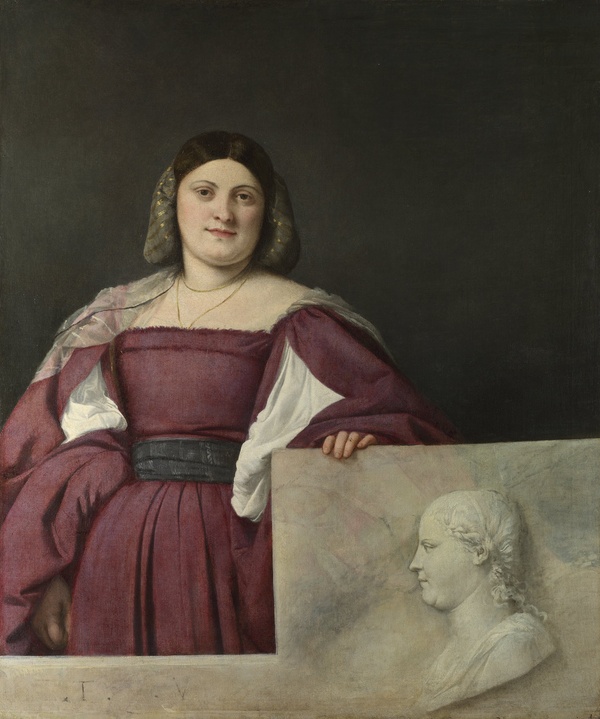
In closing, we turn to Titian’s La Schiavona (Portrait of a Lady). While not overtly skeletal, it exemplifies the enduring framework of identity and artistic mastery. Her timeless gaze, the enduring structure of her features, and the painting's very survival through centuries speak to a different kind of persistence—the immortal essence that art endeavors to capture and preserve, an echo of form that transcends even the decay of the corporeal. These "Skeletal Silhouettes" are not merely depictions of death or ruin, but profound revelations of the essential structures, the echoes of form that define existence, beauty, and decay across time.
Artworks in this collection

29 artworks
Head of a Skeleton with a Burning Cigarette - Vincent van Gogh (1886)

Head of a Skeleton with a Burning Cigarette - Vincent van Gogh (1886)

Vincent van Gogh

Netherlands, 1886

A literal and powerful representation of a skeletal head, directly aligning with the theme's core imagery.

Skull - Vincent van Gogh (1887)
Premium

Skull - Vincent van Gogh (1887)

Vincent van Gogh

Netherlands, 1887

A clear, focused depiction of a skull, serving as a direct symbol of the skeletal and transient nature of life.

Dance of Death I - Allaert Claesz (1562)
Premium

Dance of Death I - Allaert Claesz (1562)

Allaert Claesz

Netherlands, 1562

Depicts a classic 'Dance of Death' scene featuring prominent skeletal figures, emphasizing the fragility and starkness of existence.

The Triumph of Death - Pieter Bruegel the Elder (c. 1562)

The Triumph of Death - Pieter Bruegel the Elder (c. 1562)

Pieter Bruegel the Elder

Netherlands, 1562

A vast allegorical landscape dominated by skeletal figures of death, showcasing the framework of mortality and devastation.

Death and Life - Gustav Klimt (1910–1915)
Premium

Death and Life - Gustav Klimt (1910–1915)

Gustav Klimt

Austria, 1910

Features an explicit, powerful skeletal figure of Death, embodying the theme through a direct personification of mortality.

Death in the Sickroom - Edvard Munch (1893)
Premium

Death in the Sickroom - Edvard Munch (1893)

Edvard Munch

Norway, 1893

While not literally skeletal, the gaunt figures and stark interior convey a profound sense of fragility and the essence of human suffering, revealing the 'framework of existence'.

First Book of Urizen, Plate 18 - William Blake (1794)
Premium

First Book of Urizen, Plate 18 - William Blake (1794)

William Blake

United Kingdom, 1794

Blake's mythological figures, particularly Urizen, are often depicted with stark, sinewy, almost skeletal forms, representing fundamental, primal structures.

Still Life of a Lamb's Head and Flanks (A Butcher's Counter) - Francisco Goya (c. 1808–1812)
Premium

Still Life of a Lamb's Head and Flanks (A Butcher's Counter) - Francisco Goya (c. 1808–1812)

Francisco Goya

Spain, 1810

A stark still life depicting raw animal remains, revealing the skeletal structure beneath the surface.

The Lonely Tree (Der einsame Baum) - Caspar David Friedrich (1822)
Premium

The Lonely Tree (Der einsame Baum) - Caspar David Friedrich (1822)

Caspar David Friedrich

Germany, 1822

An iconic painting of a solitary tree, likely bare, standing as a stark and elegant silhouette against a dramatic sky.

Blasted Tree - Jasper Francis Cropsey (1850)

Blasted Tree - Jasper Francis Cropsey (1850)

Jasper Francis Cropsey

United States, 1850

The image of a 'blasted tree' directly matches the theme of a natural element stripped to its essence, often silhouetted dramatically.

Avond (Evening): The Red Tree - Piet Mondrian (1908)
Premium

Avond (Evening): The Red Tree - Piet Mondrian (1908)

Piet Mondrian

Netherlands, 1908

An early abstract work by Mondrian, the tree's branches are reduced to stark, almost anatomical lines, fitting the 'skeletal silhouette' concept.

Gray Tree - Piet Mondrian (1911)
Premium

Gray Tree - Piet Mondrian (1911)

Piet Mondrian

Netherlands, 1911

This cubist-influenced depiction of a tree emphasizes its fundamental, skeletal structure through geometric abstraction.

Study of Pine Trees and a Rock (recto) - Caspar David Friedrich (1812)

Study of Pine Trees and a Rock (recto) - Caspar David Friedrich (1812)

Caspar David Friedrich

Germany, 1812

Focuses on the bare, structural elements of pine trees and a prominent rock, emphasizing natural 'skeletal' forms.

Study from the Interior of a Conifer Forest - Caspar David Friedrich (date unknown)

Study from the Interior of a Conifer Forest - Caspar David Friedrich (date unknown)

Caspar David Friedrich

Germany

A detailed study of a forest interior, highlighting the stark, vertical lines and branch structures of conifer trees as natural frameworks.

Ruins of a Fortified Tower among Wooded Hills - Friedrich Salathé (1818)
Premium

Ruins of a Fortified Tower among Wooded Hills - Friedrich Salathé (1818)

Friedrich Salathé

Switzerland, 1818

Presents ruined architecture amidst nature, offering clear examples of 'skeletal' structures and outlines.

Landscape with Drawbridge and Ruin in Moonlight - Caspar David Friedrich (c. early 19th century)

Landscape with Drawbridge and Ruin in Moonlight - Caspar David Friedrich (c. early 19th century)

Caspar David Friedrich

Germany

Features architectural ruins beautifully silhouetted by moonlight, embodying the stark elegance of forms stripped to their essence.

The Interior of the Colosseum - Charles Michel-Ange Challe (1745)
Premium

The Interior of the Colosseum - Charles Michel-Ange Challe (1745)

Charles Michel-Ange Challe

France, 1745

The interior of the ruined Colosseum showcases magnificent architectural outlines and structural elements stripped to their essence.

Stonehenge at Sunset - John Constable (1836)

Stonehenge at Sunset - John Constable (1836)

John Constable

United Kingdom, 1836

Ancient megalithic structures of Stonehenge stand as powerful, timeless silhouettes against a dramatic sunset, embodying raw, enduring forms.

The Bridge of Fear - Thomas Cole (1827)
Premium

The Bridge of Fear - Thomas Cole (1827)

Thomas Cole

United States, 1827

A bridge's construction, possibly ruined or starkly presented, emphasizes its structural framework and silhouette against the natural world.

The Course of Empire: Desolation - Thomas Cole (1836)
Premium

The Course of Empire: Desolation - Thomas Cole (1836)

Thomas Cole

USA, 1836

Illustrates a landscape of ruins, where grand structures have been reduced to their skeletal outlines, conveying desolation and fragility.

The Shipwreck - Claude-Joseph Vernet (1772)
Premium

The Shipwreck - Claude-Joseph Vernet (1772)

Claude-Joseph Vernet

France, 1772

Depicts the dramatic scene of a shipwreck, focusing on the fractured and exposed 'skeletal' forms of the vessel.

The Stranded Ship - Asher Brown Durand (1844)

The Stranded Ship - Asher Brown Durand (1844)

Asher Brown Durand

USA, 1844

A powerful image of a shipwreck, where the vessel's broken form resembles a skeletal remains, exposed to the elements.

The Fighting Temeraire - Joseph Mallord William Turner (1839)
Premium

The Fighting Temeraire - Joseph Mallord William Turner (1839)

Joseph Mallord William Turner

United Kingdom, 1839

The majestic ship, stripped of its sails and being towed for breaking, becomes a powerful, poignant skeletal silhouette of its former glory.

The Burning of the Houses of Lords and Commons, 16 October 1834 - J.M.W. Turner (1835)
Premium

The Burning of the Houses of Lords and Commons, 16 October 1834 - J.M.W. Turner (1835)

J.M.W. Turner

England, 1835

Depicts buildings consumed by fire, revealing their skeletal frameworks and emphasizing destruction and the transience of structures.

The Great Wave off Kanagawa - Katsushika Hokusai (1831)
Premium

The Great Wave off Kanagawa - Katsushika Hokusai (1831)

Katsushika Hokusai

Japan, 1831

The iconic wave's powerful crest forms a dynamic, almost skeletal outline, defining its immense force against a stark background.

Winter Landscape with Skaters and Bird Trap - Pieter Bruegel the Elder (1565)

Winter Landscape with Skaters and Bird Trap - Pieter Bruegel the Elder (1565)

Pieter Bruegel the Elder

Flemish (present-day Belgium), 1565

Depicts a winter scene with bare trees, figures reduced to silhouettes, and an overall starkness that fits the theme.

Winter Landscape with a Bird Trap (after Pieter Bruegel the Elder) - Pieter Brueghel the Younger (c. 1601–1626)
Premium

Winter Landscape with a Bird Trap (after Pieter Bruegel the Elder) - Pieter Brueghel the Younger (c. 1601–1626)

Pieter Brueghel the Younger

Belgium, 1620

A winter landscape with bare trees and stark forms, conveying a sense of essential structure and melancholic beauty.

Wheatfield with Crows - Vincent van Gogh (1890)
Premium

Wheatfield with Crows - Vincent van Gogh (1890)

Vincent van Gogh

Netherlands, 1890

The dramatic, swirling landscape and dark, silhouetted crows create a stark and expressive 'skeletal silhouette' of nature's raw power.

La Schiavona (Portrait of a Lady) - Titian (ca. 1510–1512)
Premium

La Schiavona (Portrait of a Lady) - Titian (ca. 1510–1512)

Titian

Italy, 1510

Focuses on the intricate, exposed network of tree roots, representing the 'skeletal' foundation of nature stripped bare.

Discover more curated collections

View all collections