
Curated Collections · 30 artworks · Created September 7, 2026

The Bismuth Bloom

A journey through nature’s crystalline mazes and the spectral geometry of metallic light.

Read it as a book

Download the set in 4K — or open it in the MP Art app to send straight to your Frame

The Bismuth Bloom

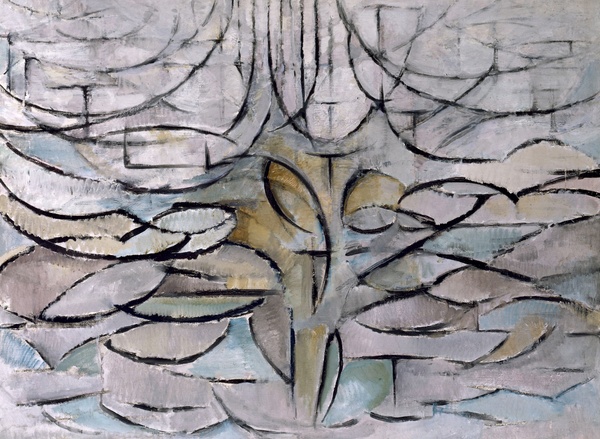
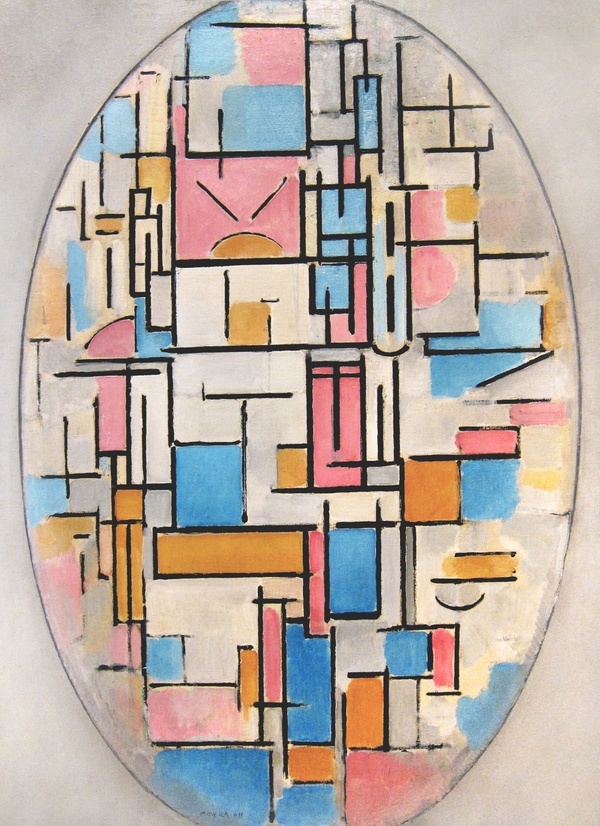
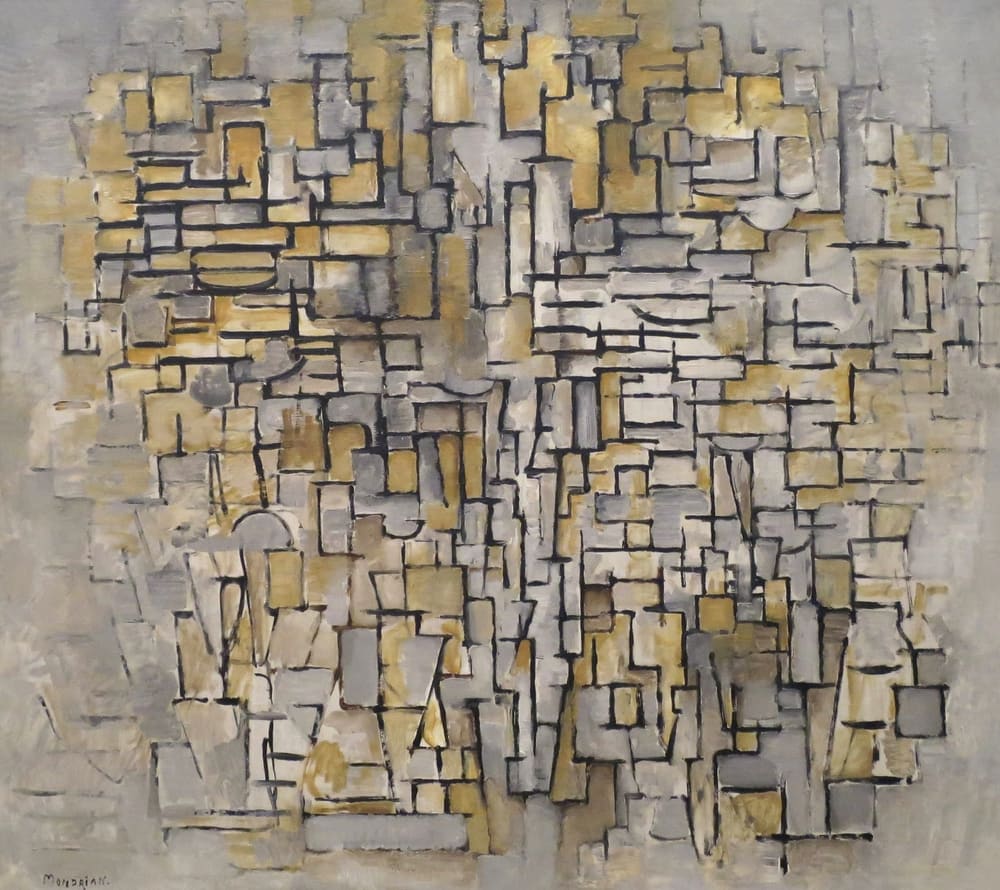
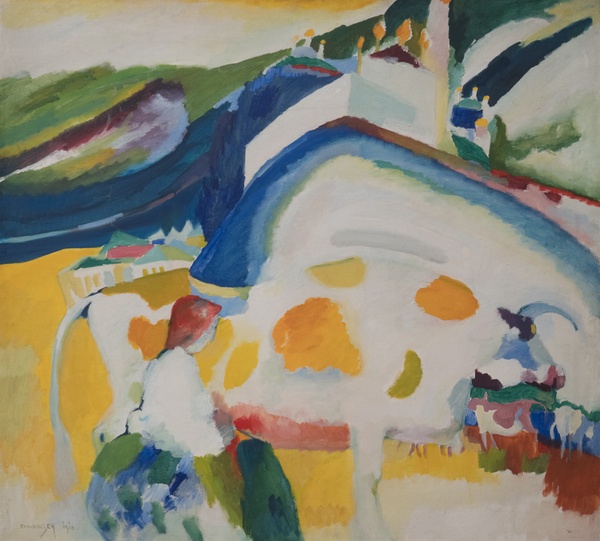
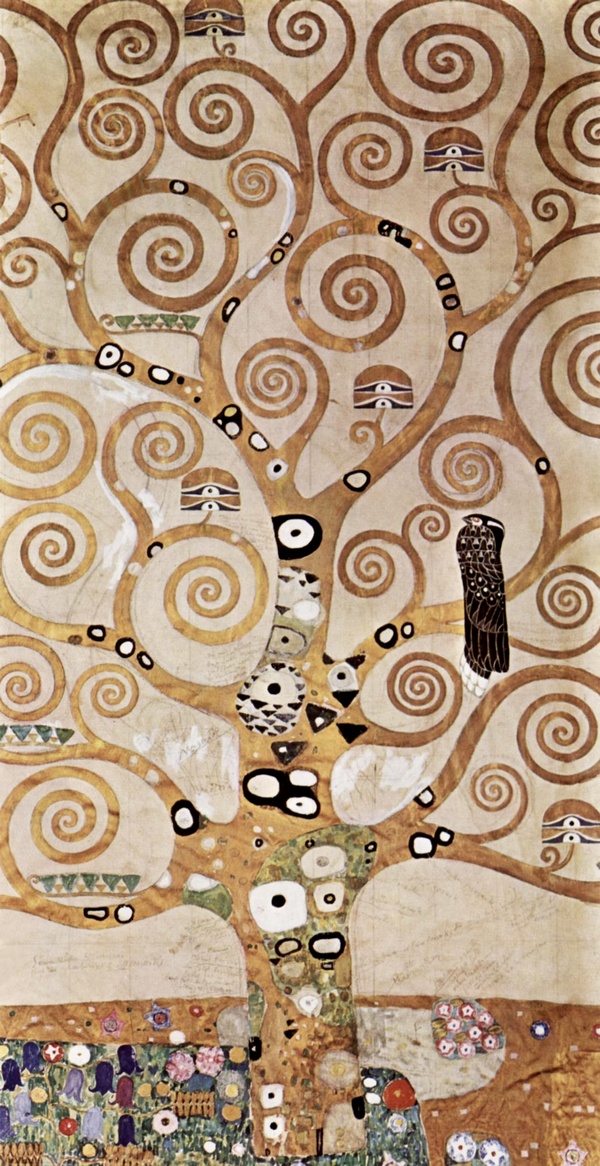
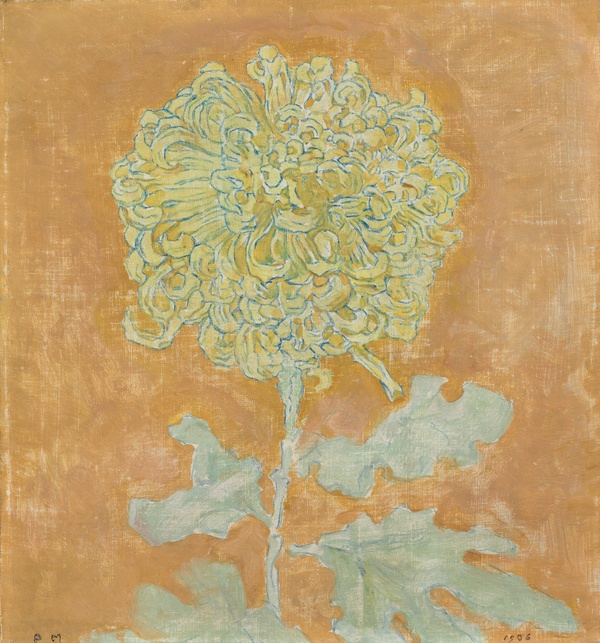
To enter the gallery of the mind is to witness the emergence of 'The Bismuth Bloom.' We begin our ascent at the roots of existence with Gustav Klimt’s The Tree of Life, Stoclet Frieze (L'Arbre de Vie), where gold and spiral drift into the singular focus of Piet Mondrian’s Chrysanthemum. The organic world begins its elegant fracture in the Flowering Apple Tree, where nature starts to yield to the grid. This transition tightens in Composition in Oval with Color Planes 1 and the rigorous Tableau No. 2 / Composition No. VII, as the world is distilled into its essential frequencies. Even the pastoral is not spared, as seen in the radical reduction of Composition VIII (The Cow).
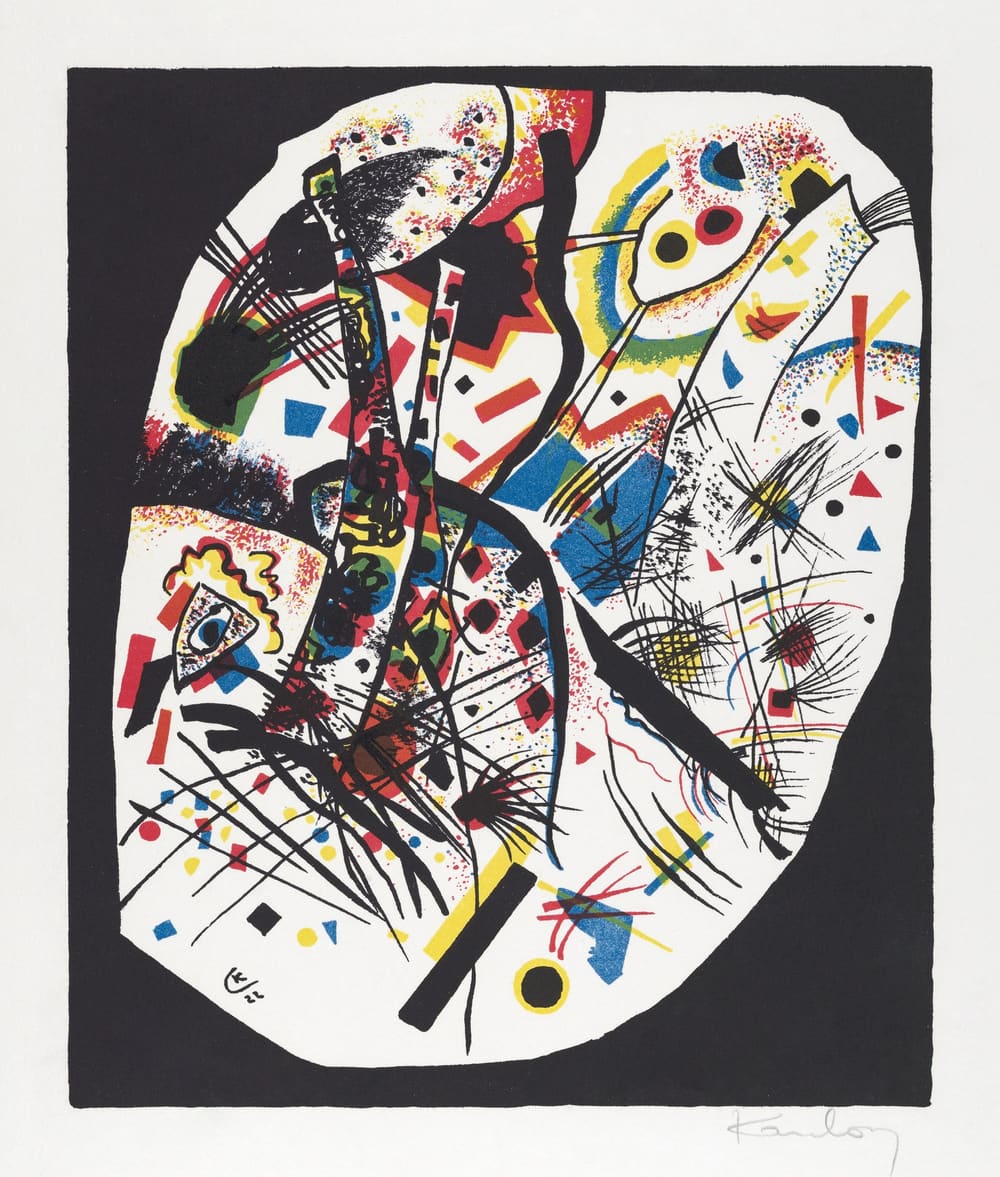
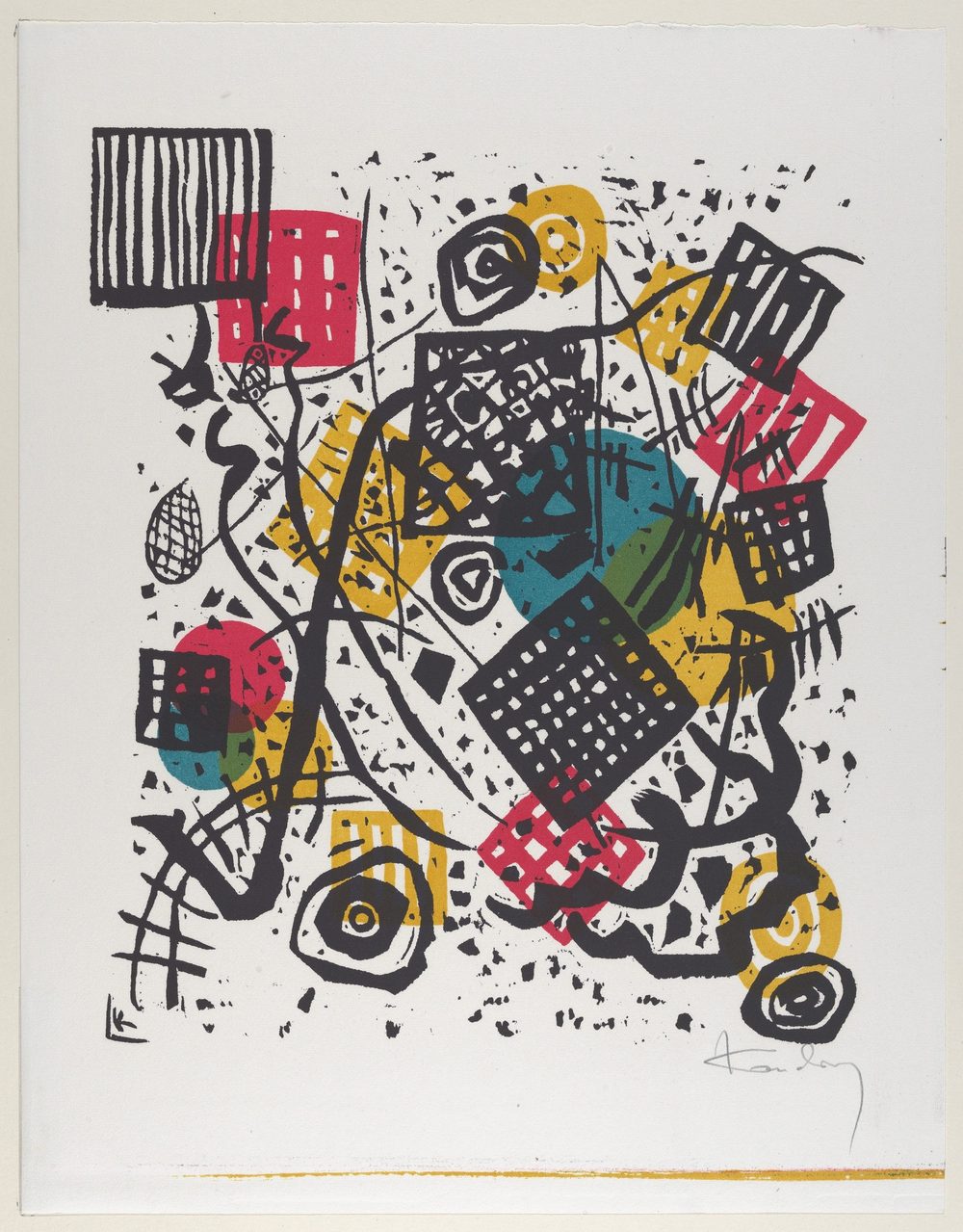
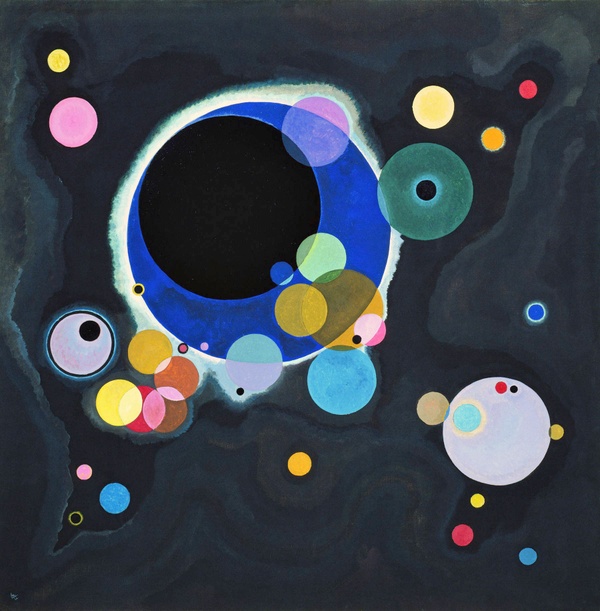
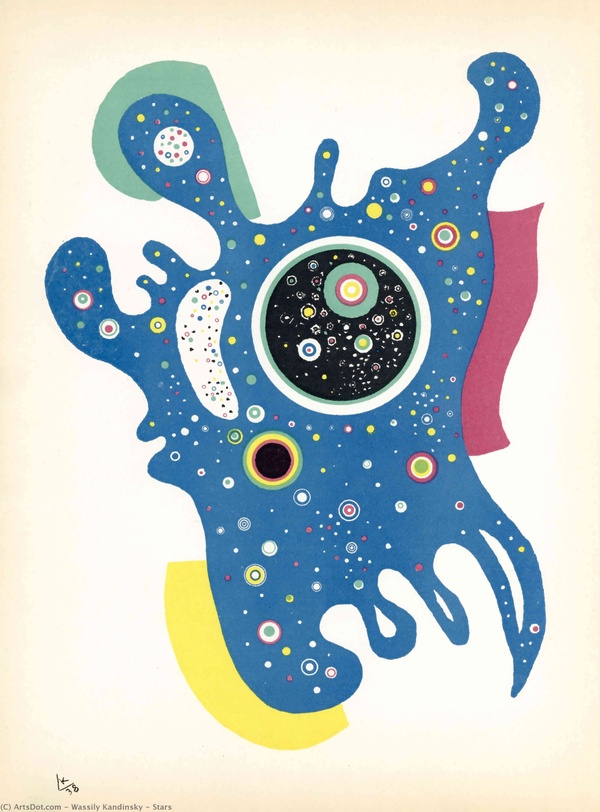
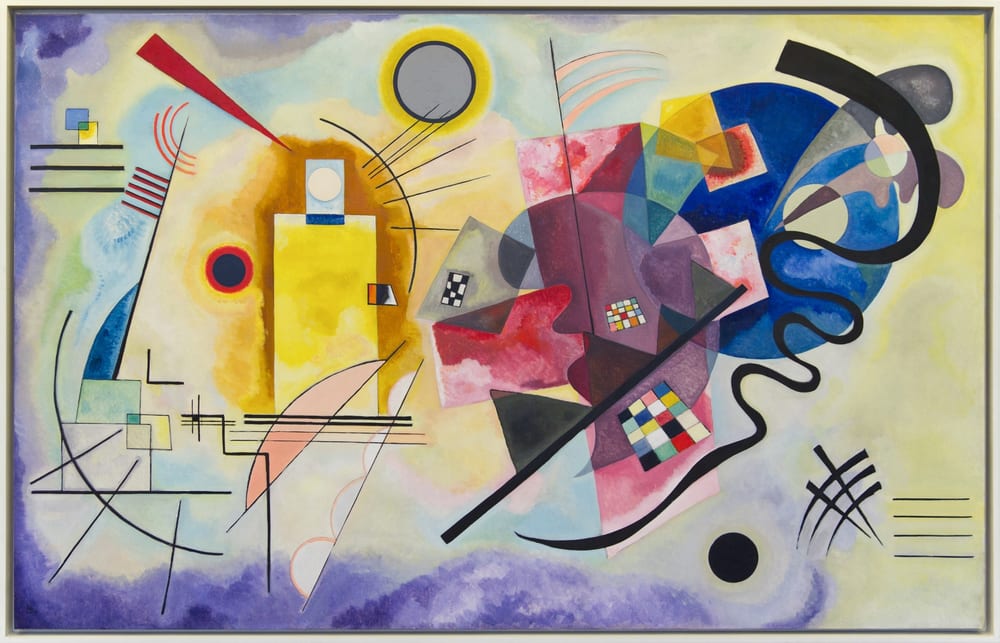
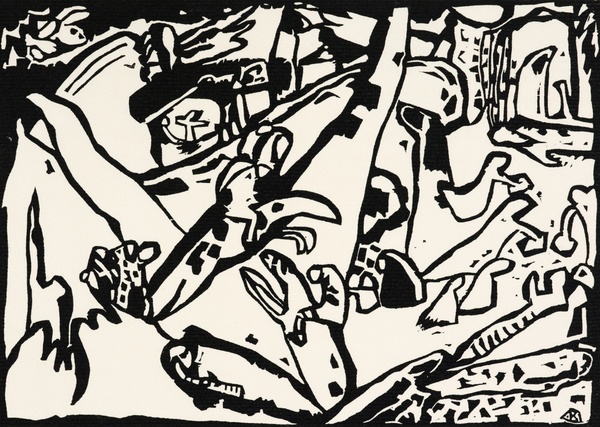
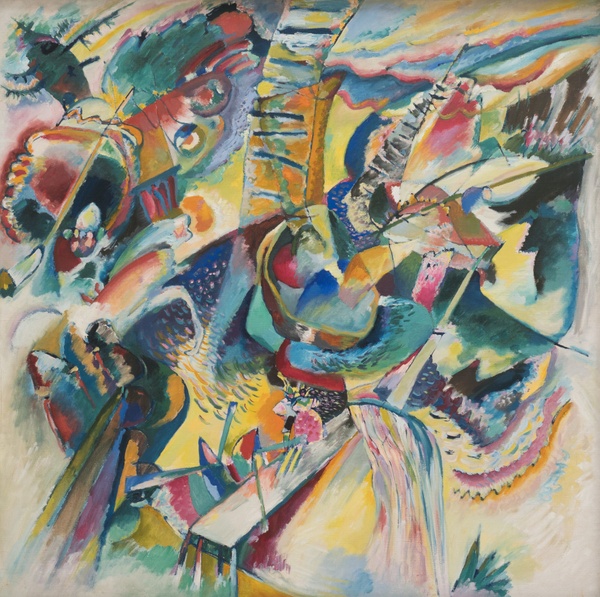
Energy explodes through Wassily Kandinsky’s early visions, from the tumultuous Composition II to the atmospheric depth of Improvisation Gorge. These outbursts find order within the meticulously crafted lithographs of Kleine Welten III (Small Worlds III) and the rhythmic woodcuts of Kleine Welten V (Small Worlds V). The cosmos reveals itself in the floating harmony of Several Circles (Einige Kreise) and the celestial mystery of Stars. This journey through light reaches its zenith in the monumental Jaune Rouge Bleu, a map of the soul’s internal geometry.
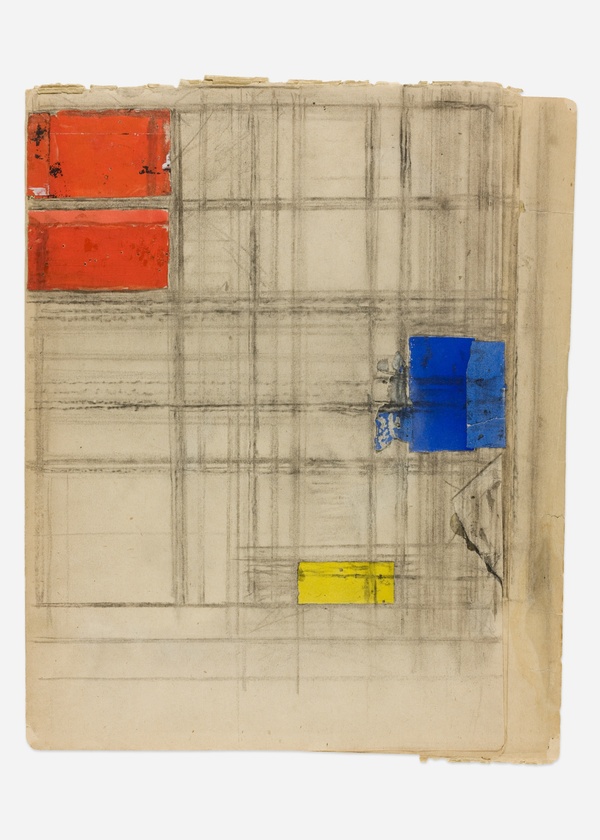
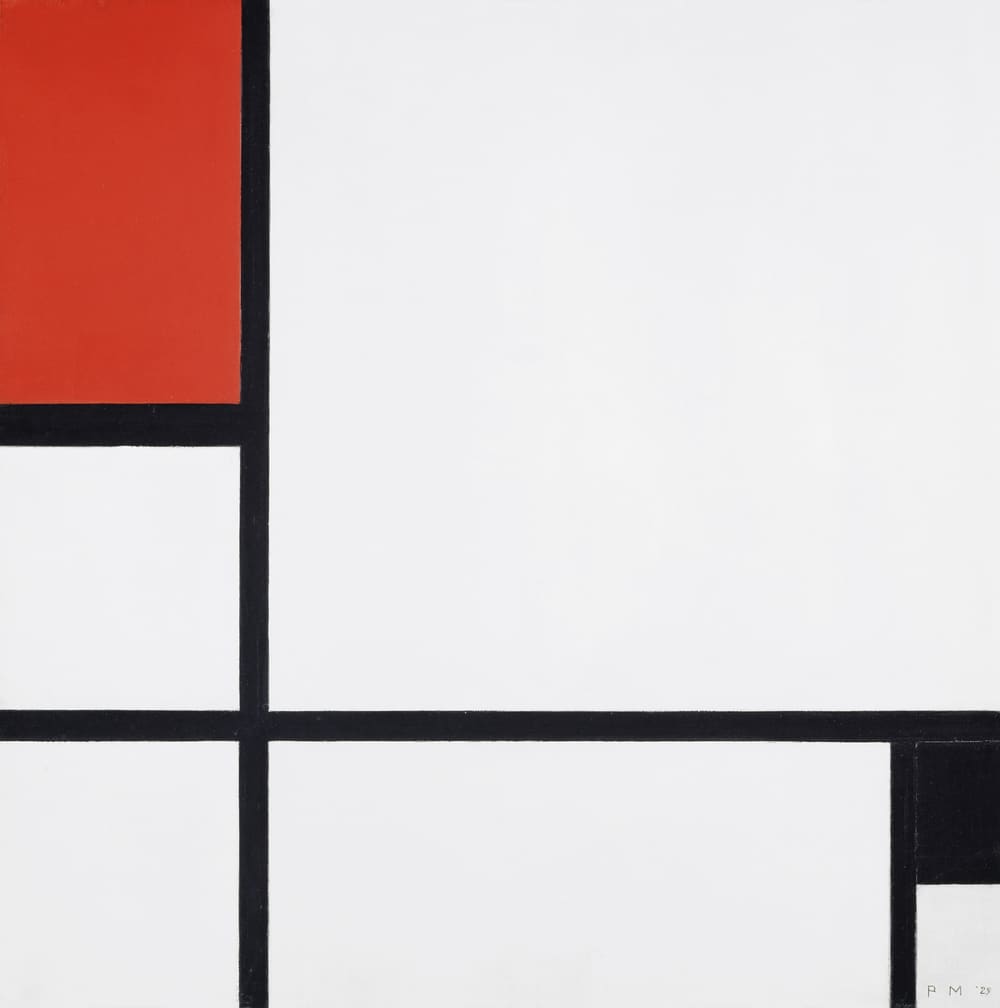
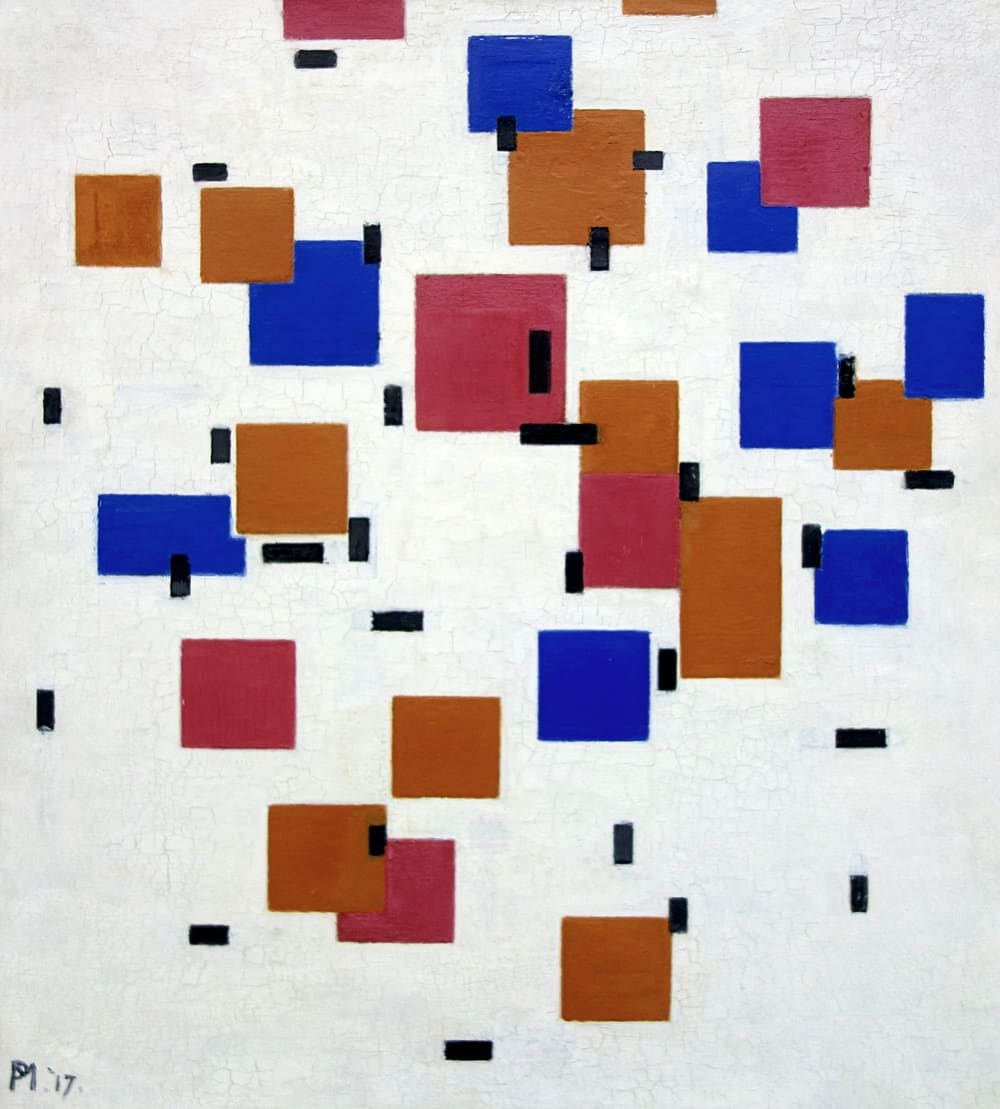
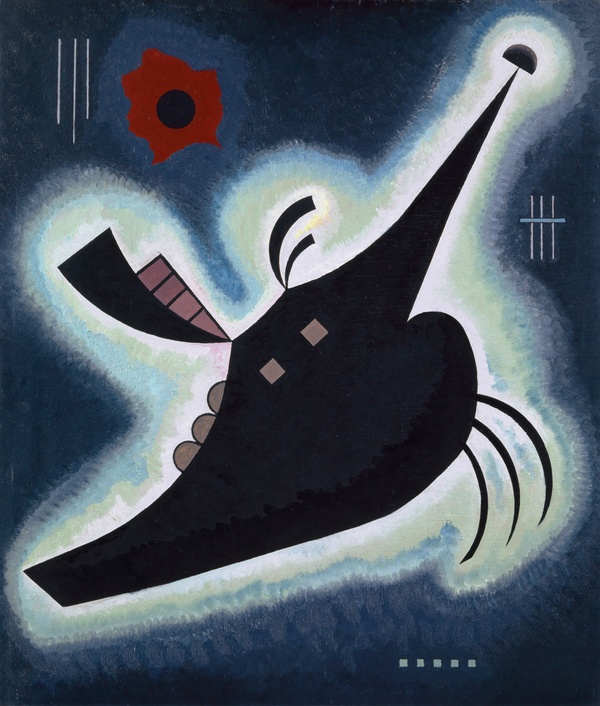
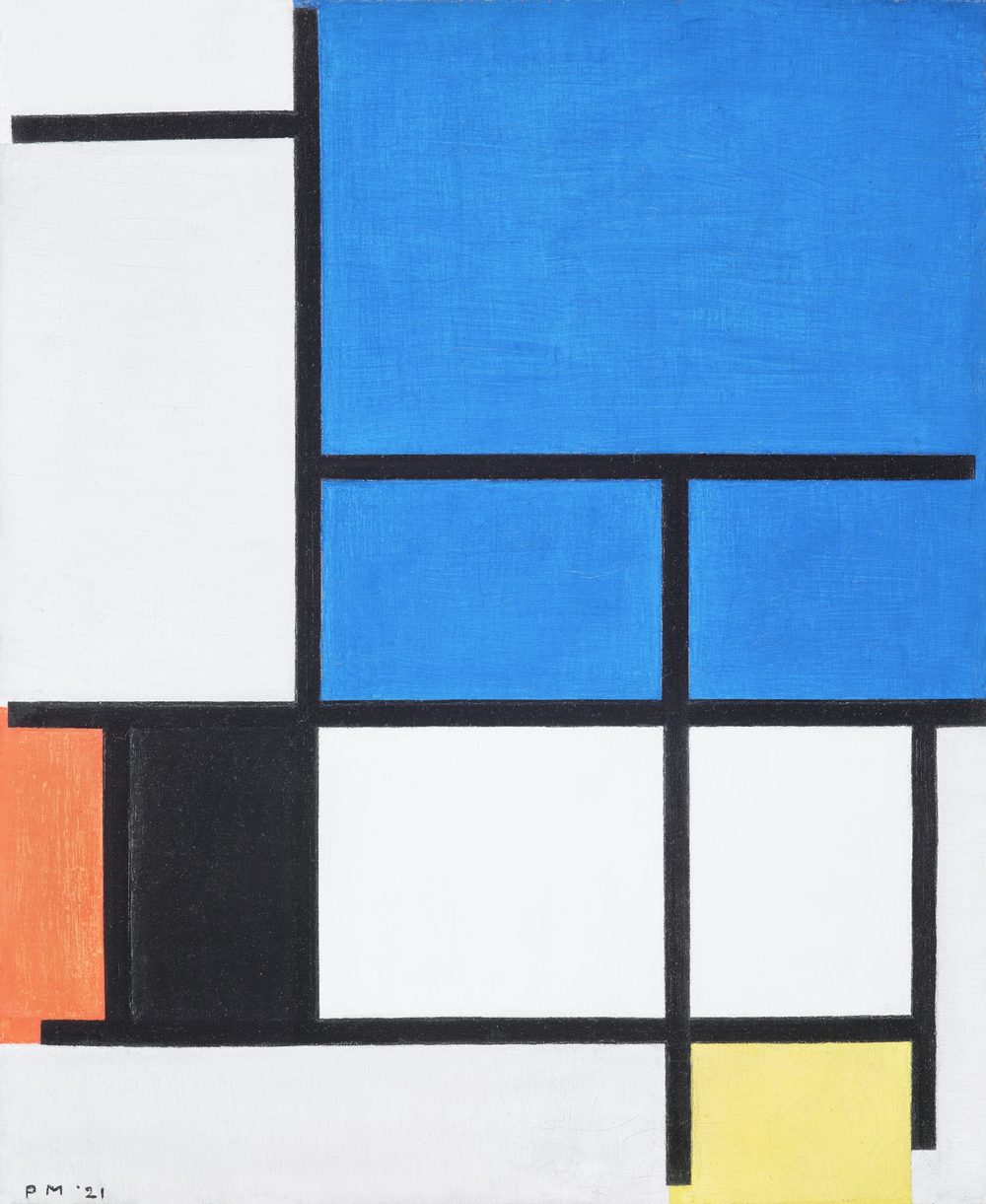
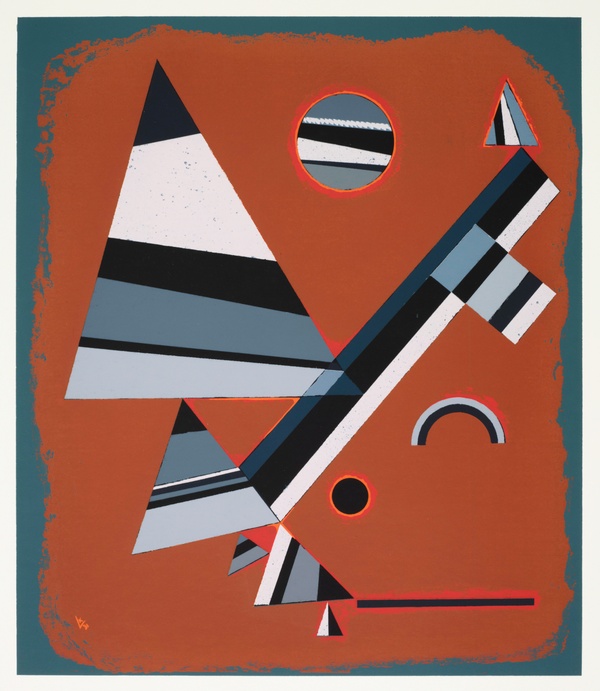
Returning to the discipline of the line, we encounter the balanced Composition with Large Blue Plane, Red, Black, Yellow, and Gray and the somber, intellectual Gris (Gray). We observe the artist's hand in the Study for a Composition, leading to the stark perfection of Composition No. I, with Red and Black and the intricate Composition in Colour A. The tension of the Bauhaus era is felt in Pointed Black and the paradoxical Complexité simple (Simple Complexity).
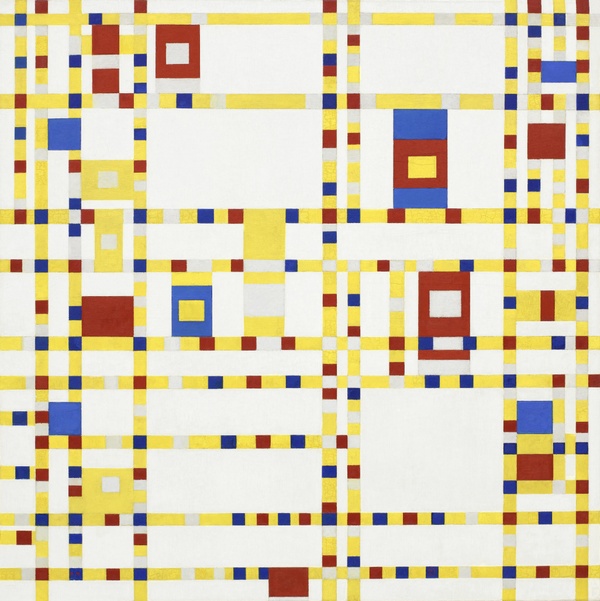
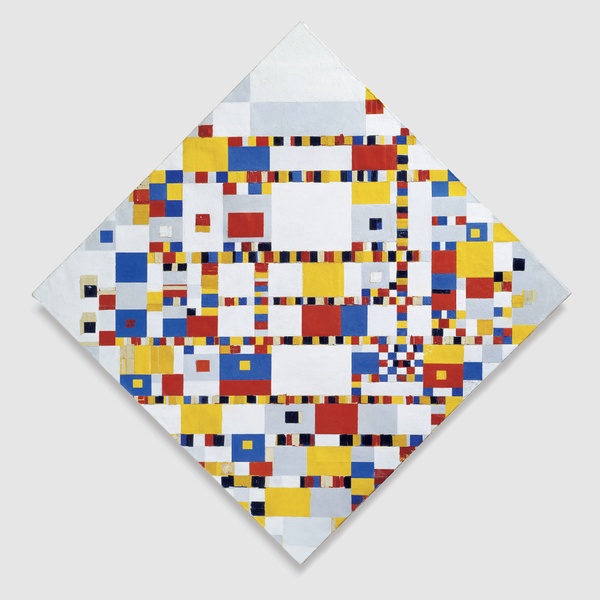
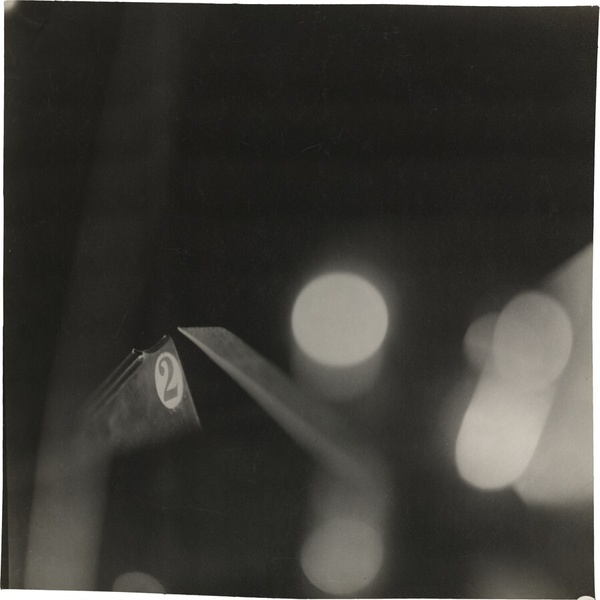
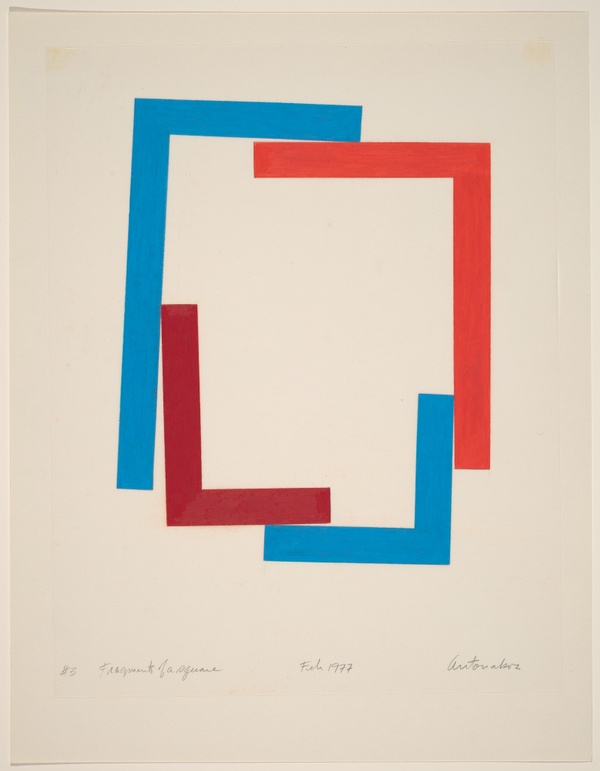
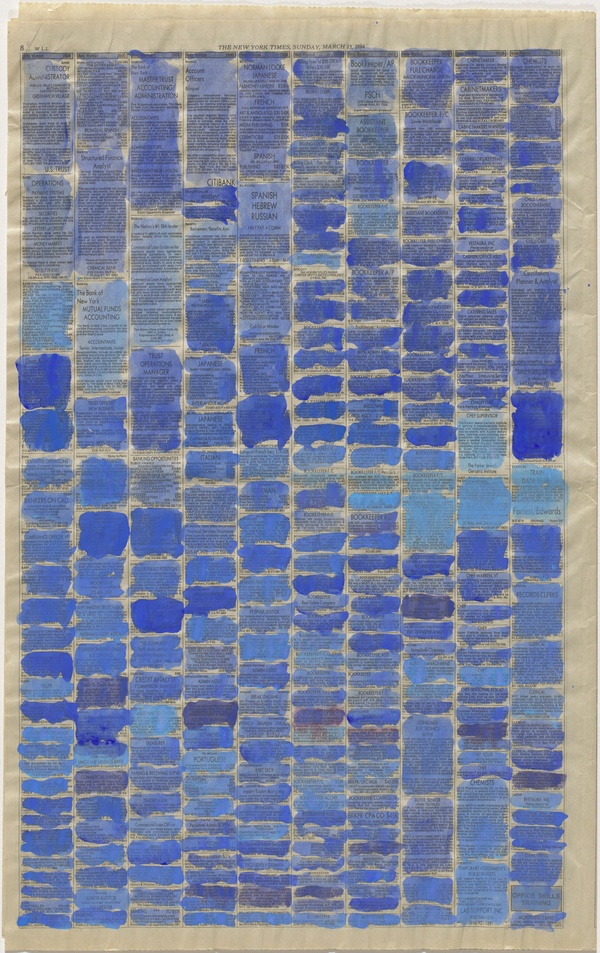
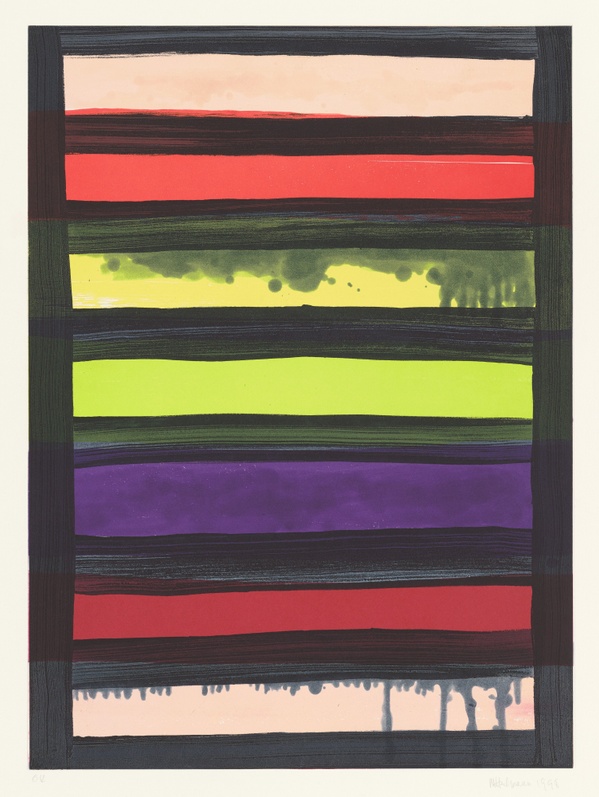
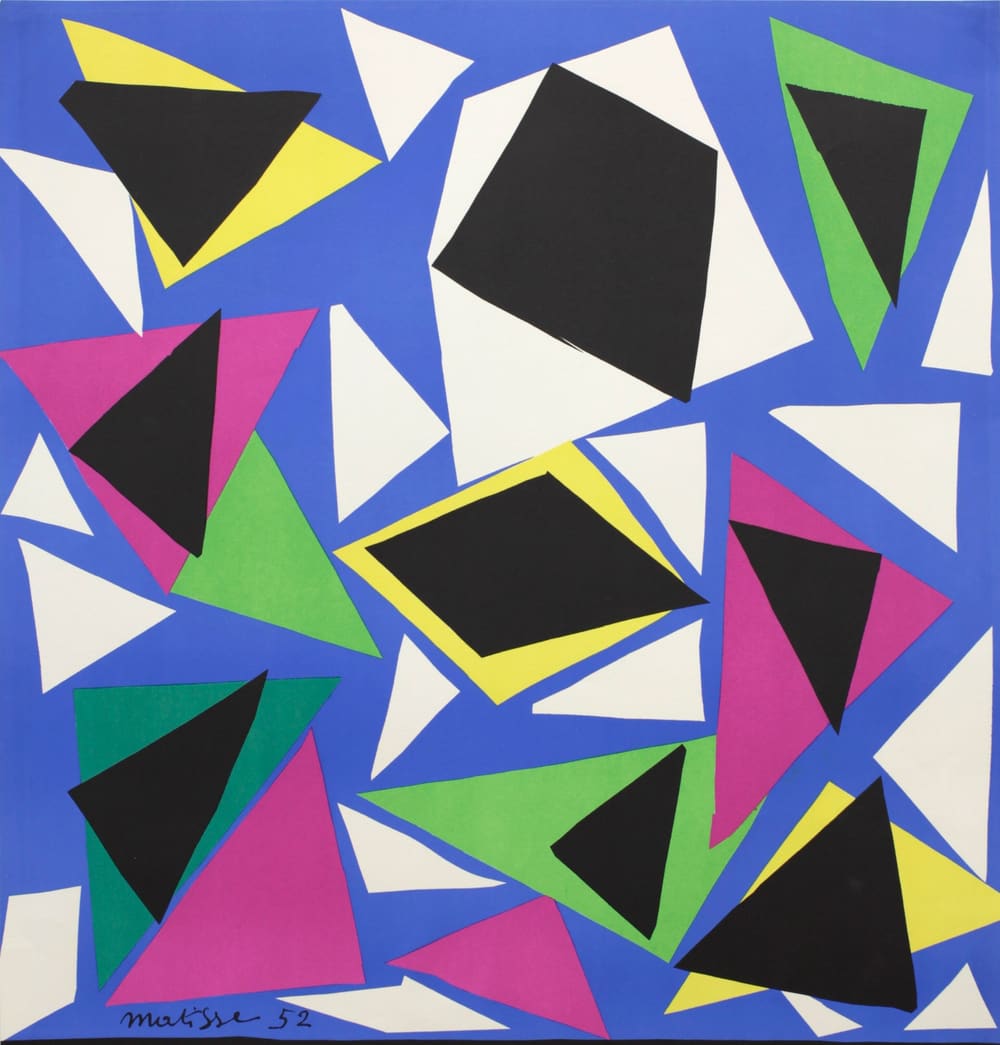
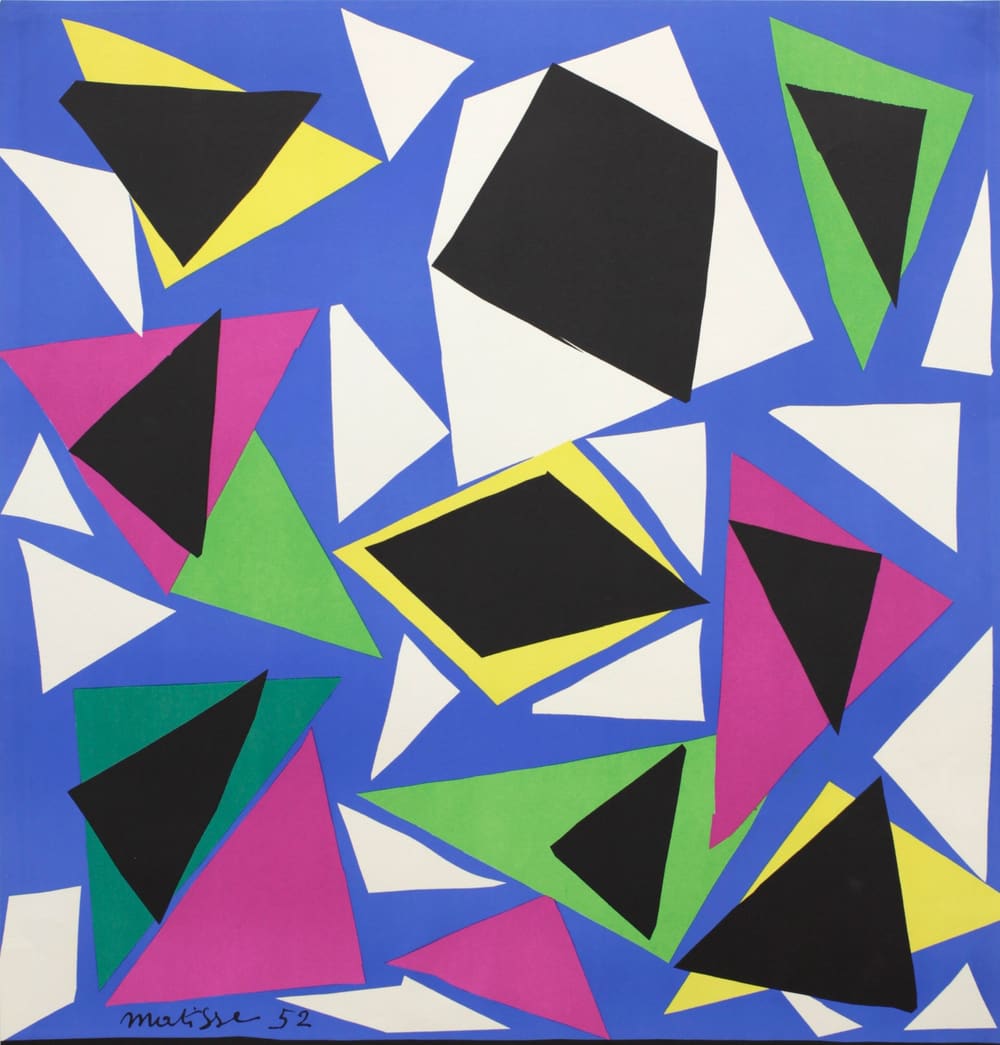
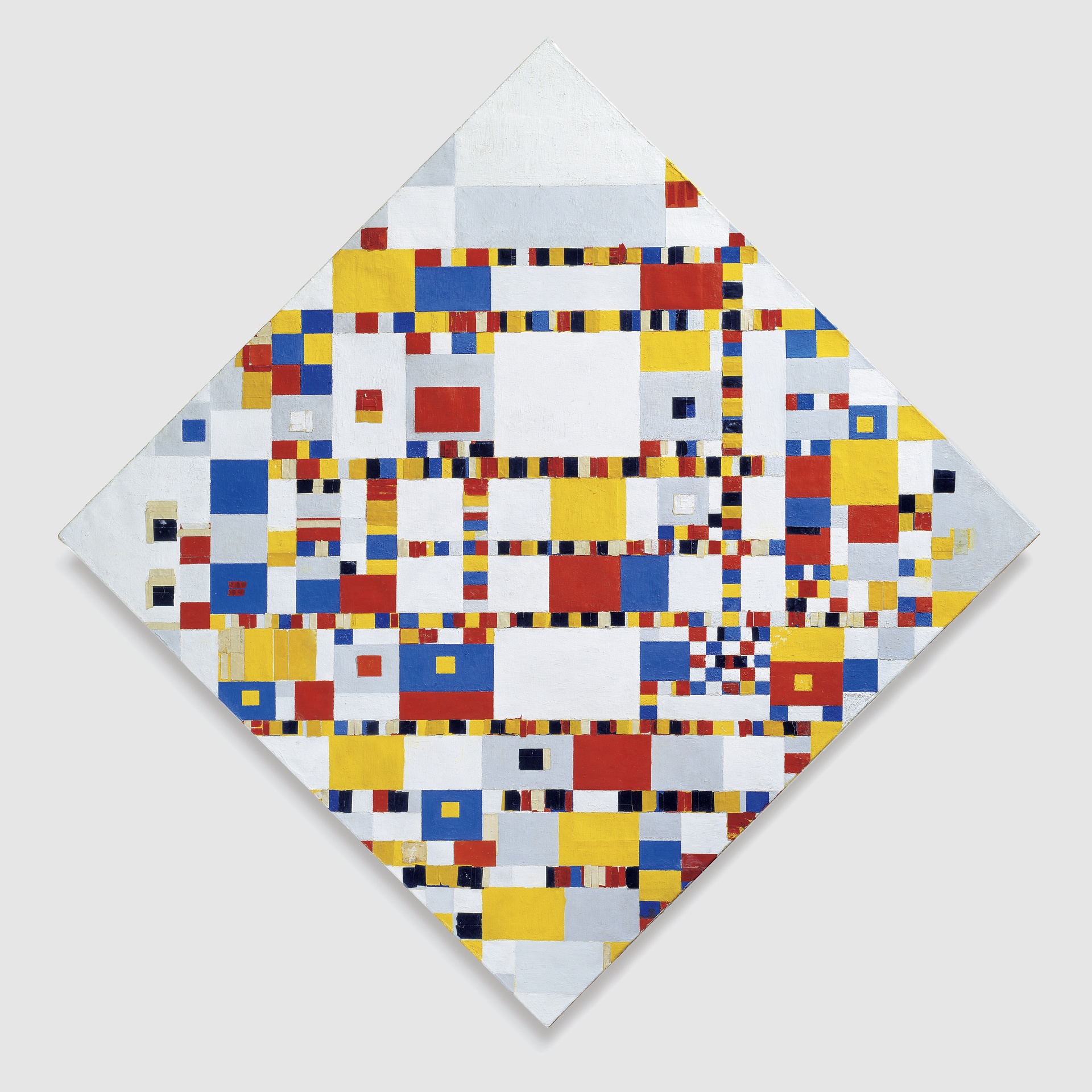
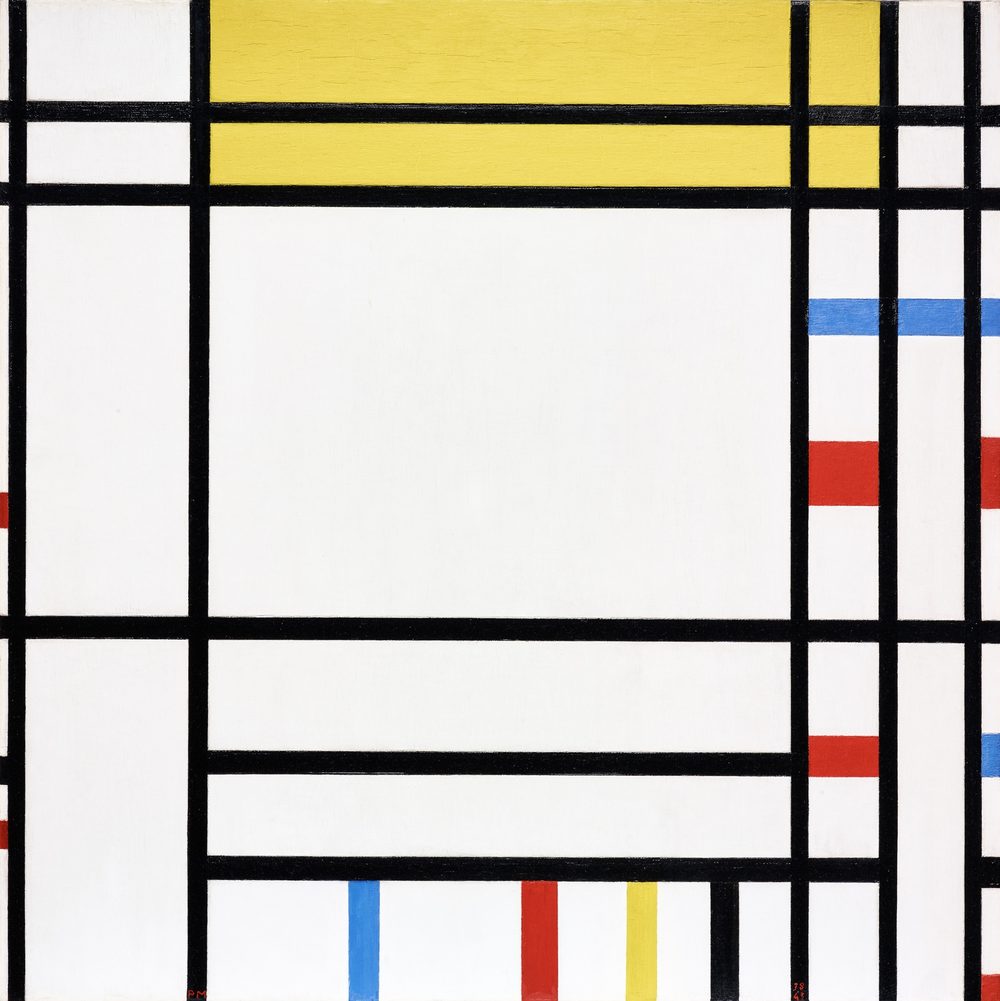
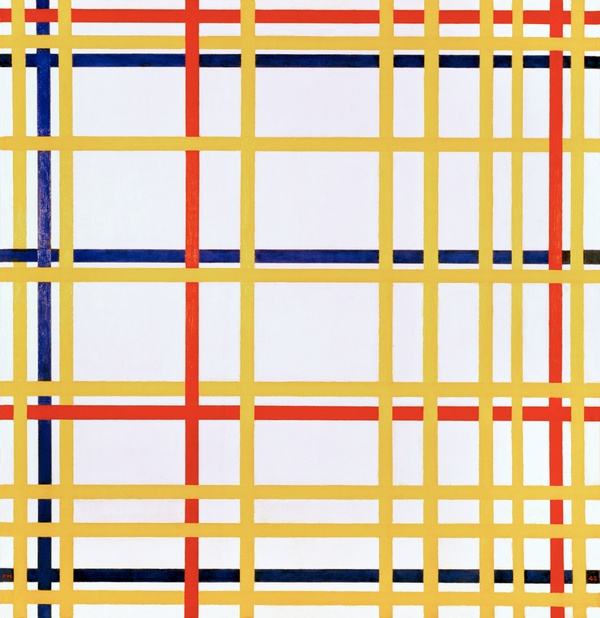
The rhythm of the modern city eventually beckons. We walk through the structural elegance of Place de la Concorde and the frantic energy of New York City. This urban pulse culminates in the vibrant staccato of Broadway Boogie Woogie and the final, shimmering brilliance of Victory Boogie Woogie. The contemporary gaze adds new textures through Jaroslav Rössler’s Untitled (Composition with Magic Two) and Stephen Antonakos’s Fragments of a Square #3. We conclude with the luminous watercolor of Untitled (Help Wanted Full Page) - Stephen Dean (1994), the bold aquatint of Margot, and the joyous spirit of Matisse’s Exhibition Poster: Gouaches Découpées and the second version of the Exhibition Poster: Gouaches Découpées, completing our journey through the crystalline maze.
Artworks in this collection

30 artworks
The Tree of Life, Stoclet Frieze (L'Arbre de Vie) - Gustav Klimt (1905–1909)
Premium

The Tree of Life, Stoclet Frieze (L'Arbre de Vie) - Gustav Klimt (1905–1909)

Gustav Klimt

Austria, 1909

Klimt’s hypnotic spirals and gold-hued complexity evoke the ornamental and maze-like structures found in metallic mineral growth.

Chrysanthemum - Piet Mondrian (1908)
Premium

Chrysanthemum - Piet Mondrian (1908)

Piet Mondrian

Netherlands, 1908

A transition from organic form to symbolic geometry, this botanical study reflects the structured nature of the mineral world.

Flowering Apple Tree - Piet Mondrian (1912)
Premium

Flowering Apple Tree - Piet Mondrian (1912)

Piet Mondrian

Netherlands, 1912

Mondrian’s cubist interpretation of a tree transforms organic 'bloom' into structured, crystalline planes.

Composition in Oval with Color Planes 1 - Piet Mondrian (1914)
Premium

Composition in Oval with Color Planes 1 - Piet Mondrian (1914)

Piet Mondrian

Netherlands, 1914

The cubist fracturing of the oval into color planes mirrors the crystalline facets of minerals grown in nature's laboratories.

Tableau No. 2 / Composition No. VII - Piet Mondrian (1913)
Premium

Tableau No. 2 / Composition No. VII - Piet Mondrian (1913)

Piet Mondrian

Netherlands, 1913

Analytical cubism facets the subject into a rhythmic, geometric maze of lines and planes.

Composition VIII (The Cow) - Theo van Doesburg (c. 1918)
Premium

Composition VIII (The Cow) - Theo van Doesburg (c. 1918)

Theo van Doesburg

Netherlands, 1918

Theo van Doesburg’s de-stijl geometry emphasizes the underlying architectural framework of the natural world.

Composition II - Wassily Kandinsky (1910)
Premium

Composition II - Wassily Kandinsky (1910)

Wassily Kandinsky

Russia, 1910

This expressionist piece utilizes vibrant, dynamic color fields that mimic the 'molten color' described in the curator's vision.

Improvisation Gorge - Wassily Kandinsky (1914)
Premium

Improvisation Gorge - Wassily Kandinsky (1914)

Wassily Kandinsky

Russia, 1914

A vibrant abstract work where molten color and energetic forms simulate the spectral transitions of oxidized mineral surfaces.

Kleine Welten III (Small Worlds III) - Wassily Kandinsky (1922)
Premium

Kleine Welten III (Small Worlds III) - Wassily Kandinsky (1922)

Wassily Kandinsky

Russia, 1922

Kandinsky's 'Small Worlds' explores microscopic geometric structures, reflecting the fractal nature of bismuth crystals.

Kleine Welten V (Small Worlds V) - Wassily Kandinsky (1922)
Premium

Kleine Welten V (Small Worlds V) - Wassily Kandinsky (1922)

Wassily Kandinsky

Russia, 1922

Another entry from the 'Small Worlds' series, focusing on the intricate, maze-like intersections of geometric and expressionist forms.

Several Circles (Einige Kreise) - Wassily Kandinsky (1926)
Premium

Several Circles (Einige Kreise) - Wassily Kandinsky (1926)

Wassily Kandinsky

Russia, 1926

Overlap and spectral color circles create a sense of iridescence and mathematical layering.

Stars - Wassily Kandinsky (1938)
Premium

Stars - Wassily Kandinsky (1938)

Wassily Kandinsky

Russia, 1938

Celestial geometric-abstraction that echoes the cold, mathematical precision and radiant light of crystalline formations.

Jaune Rouge Bleu - Wassily Kandinsky (1925)
Premium

Jaune Rouge Bleu - Wassily Kandinsky (1925)

Wassily Kandinsky

Russia, 1925

This masterwork by Kandinsky displays the full spectral transition and sharp-edged intersections required for a 'Bismuth Bloom'.

Composition with Large Blue Plane, Red, Black, Yellow, and Gray - Piet Mondrian (1921)
Premium

Composition with Large Blue Plane, Red, Black, Yellow, and Gray - Piet Mondrian (1921)

Piet Mondrian

Netherlands, 1921

The precision of primary color planes provides the mathematical beauty required for this crystalline curation.

Gris (Gray) - Wassily Kandinsky (1931)

Gris (Gray) - Wassily Kandinsky (1931)

Wassily Kandinsky

Russia, 1931

The Bauhaus influence provides a sense of industrial, metallic precision and geometric-abstraction.

Study for a Composition - Piet Mondrian (c. 1935–1941)
Premium

Study for a Composition - Piet Mondrian (c. 1935–1941)

Piet Mondrian

Netherlands, 1940

This neoplastic study highlights the mathematical beauty and sharp edges inherent in the Bismuth Bloom theme.

Composition No. I, with Red and Black - Piet Mondrian (c. 1929)

Composition No. I, with Red and Black - Piet Mondrian (c. 1929)

Piet Mondrian

Netherlands, 1929

This abstract geometric work defines the stair-step logic and mathematical balance central to the theme's aesthetic.

Composition in Colour A - Piet Mondrian (1917)
Premium

Composition in Colour A - Piet Mondrian (1917)

Piet Mondrian

Netherlands, 1917

Floating color planes in a geometric field suggest the suspended, crystalline growth of nature's iridescent metals.

Pointed Black - Wassily Kandinsky (1931)
Premium

Pointed Black - Wassily Kandinsky (1931)

Wassily Kandinsky

Russia, 1931

The sharp points and black geometric intersections suggest a sense of architectural growth and crystalline rigidity.

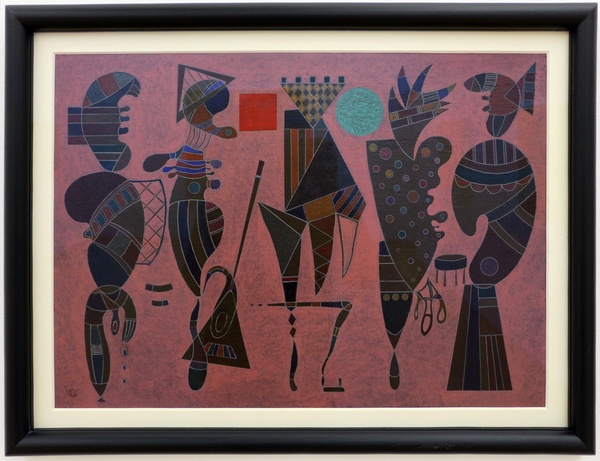
Complexité simple (Simple Complexity) - Wassily Kandinsky (1939)
Premium

Complexité simple (Simple Complexity) - Wassily Kandinsky (1939)

Wassily Kandinsky

Russia, 1939

Kandinsky's 'Simple Complexity' balances geometric precision with biomorphic blooms, echoing the 'mathematical beauty' of nature's crystalline mazes.

Place de la Concorde - Piet Mondrian (1938–1943)

Place de la Concorde - Piet Mondrian (1938–1943)

Piet Mondrian

Netherlands, 1938

The complex, stair-step grid of the city landscape serves as a perfect urban metaphor for the hypnotic geometries of bismuth.

New York City - Piet Mondrian (1942)

New York City - Piet Mondrian (1942)

Piet Mondrian

Netherlands, 1942

A complex, rhythmic maze of lines that mimics the hypnotic crystalline pathways of nature’s most architectural minerals.

Broadway Boogie Woogie - Piet Mondrian (1942–1943)

Broadway Boogie Woogie - Piet Mondrian (1942–1943)

Piet Mondrian

Netherlands, 1943

The quintessential representation of a vibrant, stair-stepped mathematical maze of molten color and light.

Victory Boogie Woogie - Piet Mondrian (1942–1944)
Premium

Victory Boogie Woogie - Piet Mondrian (1942–1944)

Piet Mondrian

Netherlands, 1942

The fragmented, rhythmic blocks of color represent a vibrant crystalline energy in a hypnotic, structured state.

Untitled (Composition with Magic Two) - Jaroslav Rössler (1923)
Premium

Untitled (Composition with Magic Two) - Jaroslav Rössler (1923)

Jaroslav Rössler

Czech Republic, 1923

Rössler’s avant-garde geometric study captures the crystalline essence of the mineral world through sharp contrasts and formal abstraction.

Fragments of a Square #3 - Stephen Antonakos (1977)
Premium

Fragments of a Square #3 - Stephen Antonakos (1977)

Stephen Antonakos

USA, 1977

Antonakos's minimalism focuses on sharp geometric fragments and the purity of the square, essential to the architectural complexity of bismuth crystals.

Untitled (Help Wanted Full Page) - Stephen Dean (1994)

Untitled (Help Wanted Full Page) - Stephen Dean (1994)

Stephen Dean

France, 1994

Stephen Dean's abstract work provides a contemporary take on structural grids and complex layering, mirroring the internal logic of metallic crystals.

Margot - Mary Heilmann (1998)
Premium

Margot - Mary Heilmann (1998)

Mary Heilmann

USA, 1998

A contemporary exploration of geometric and abstract color planes that fits the modern spectral aesthetic of the mineral world.

Exhibition Poster: Gouaches Découpées - Henri Matisse (1961)
Premium

Exhibition Poster: Gouaches Découpées - Henri Matisse (1961)

Henri Matisse

France, 1961

Matisse’s gouaches découpées present bold, structural color blocks that form a joyful, abstract 'bloom' of geometry.

Exhibition Poster: Gouaches Découpées - Henri Matisse (c. 1950s–1980)
Premium

Exhibition Poster: Gouaches Découpées - Henri Matisse (c. 1950s–1980)

Henri Matisse

France, 1961

Abstract, vibrant cut-outs create a structural dance of color that suggests a molten, blooming formation.

Discover more curated collections

View all collections