
Curated Collections · 30 artworks · Created March 9, 2026

The Geometry of Decay

Whispers of Stone: Enduring Geometry in Time's Embrace.

Read it as a book

Download the set in 4K — or open it in the MP Art app to send straight to your Frame

The Geometry of Decay

In the grand theatre of existence, where human ambition carves order from chaos, there lies an undeniable, poetic truth: all forms, whether hewn from granite or woven from light, are destined to contend with the relentless caress of time. Our exhibition, "The Geometry of Decay," accompanied by the resonant subtitle "Whispers of Stone: Enduring Geometry in Time's Embrace," invites contemplation on this profound interaction, tracing the magnificent arc from creation and endurance to inevitable decline and the haunting beauty of what remains.

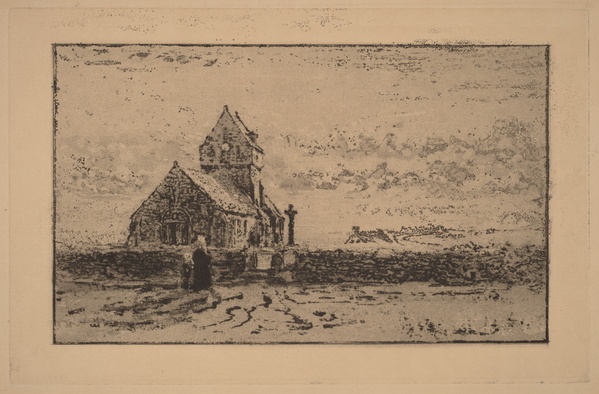
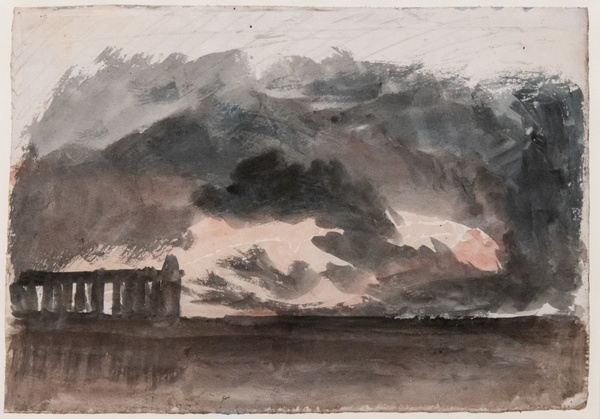
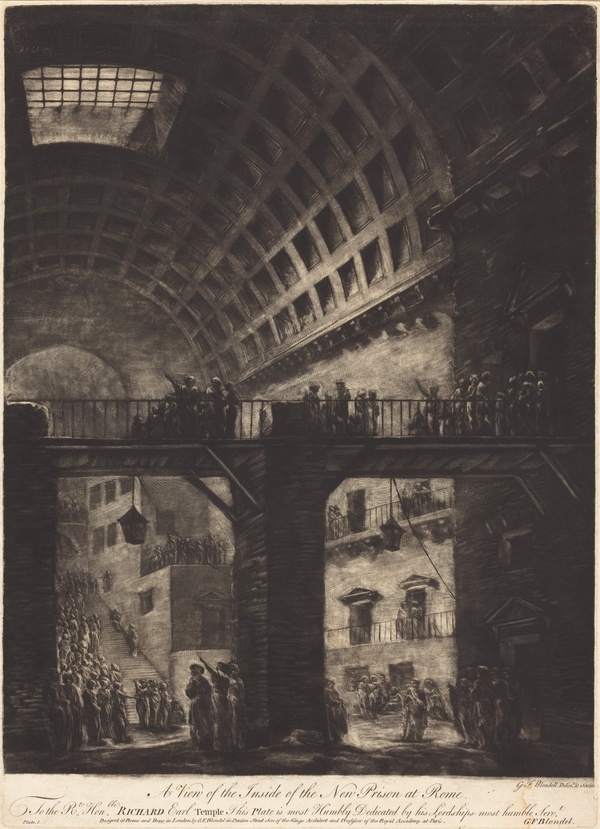
We begin our journey amidst monuments of ancient grandeur, structures that once defied the sky but now stand as eloquent witnesses to millennia. J.M.W. Turner’s Paestum immerses us in the raw power of a thunderstorm engulfing colossal Greek temples, their doric columns enduring the tempest with a silent stoicism. Here, the sublime force of nature tests the very foundations of human design. Similarly, Georges François Blondel’s A View of the Inside of the New Prison at Rome transports us into the architectural belly of an aged Roman edifice. Its soaring vaulted coffered ceilings, though still geometrically perfect, are steeped in shadows, hinting at the countless lives and epochs that have passed through its stone embrace. Félix-Hilaire Buhot’s etching of L'Église de Jobourg further grounds us in this enduring resilience, depicting a venerable church on a rugged coastline, its sturdy geometry a testament to centuries of salt-laced wind and human faith.
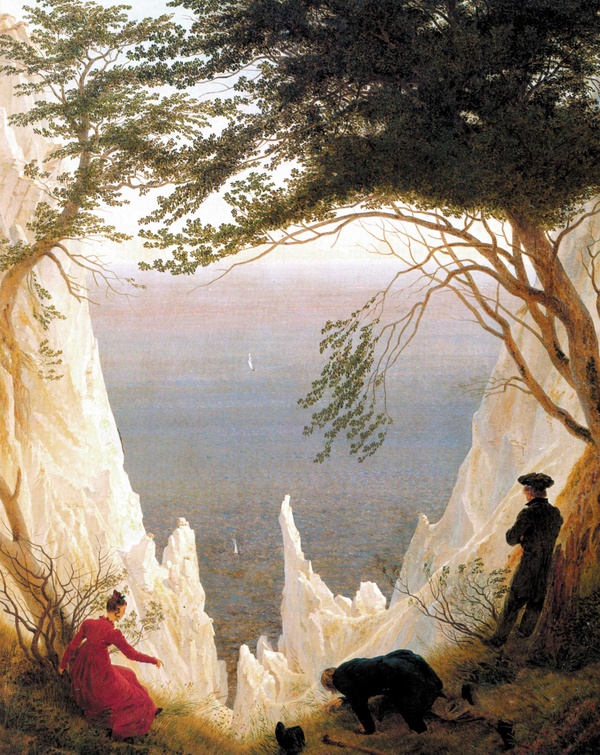
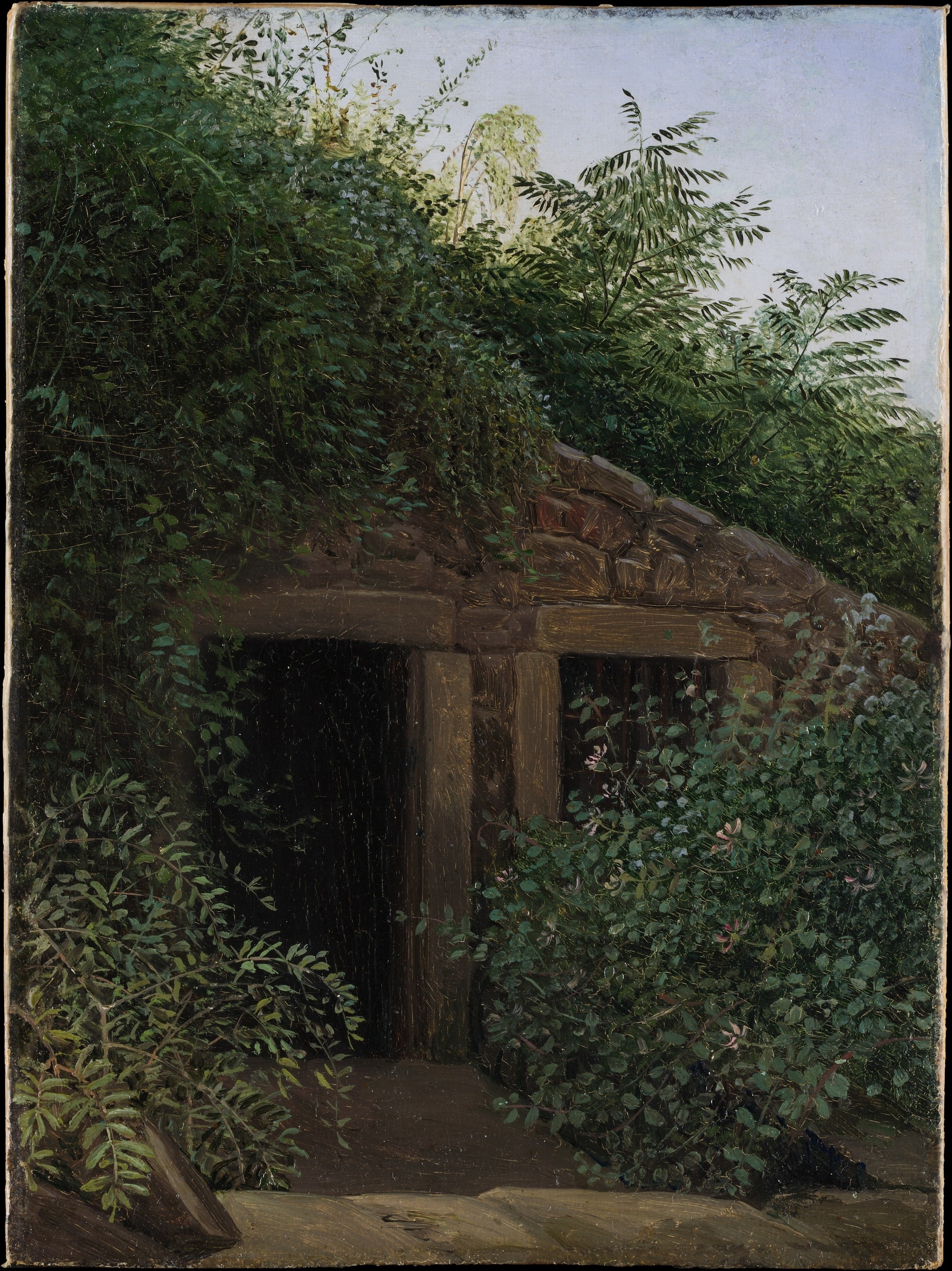
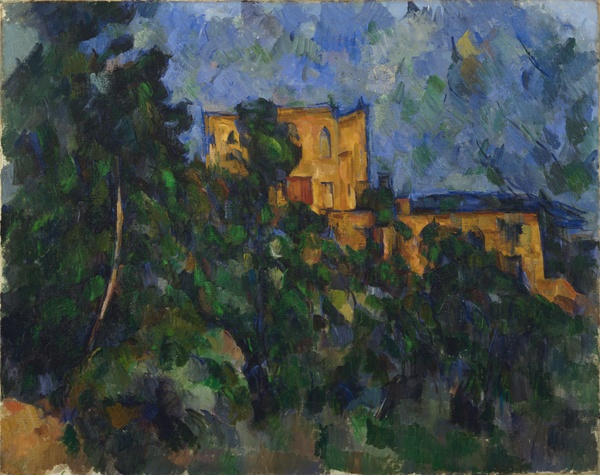
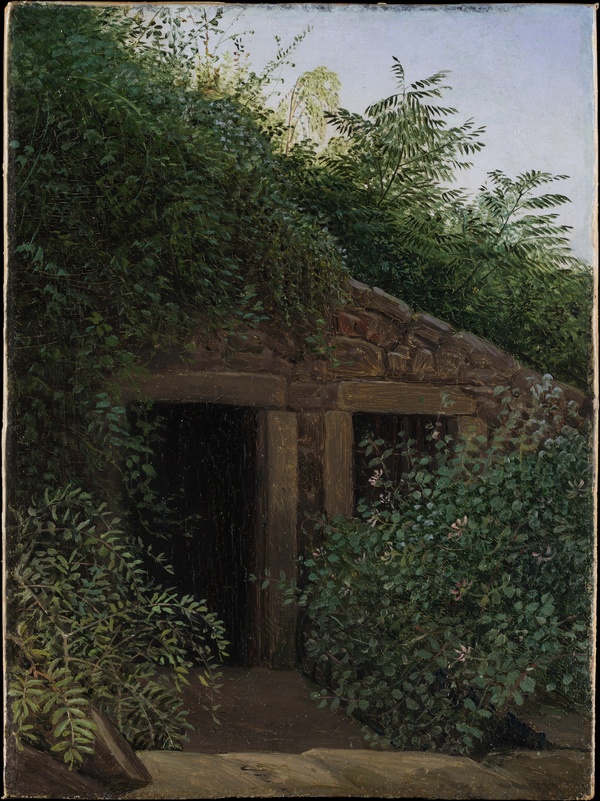
As our gaze shifts, we encounter the subtle, yet powerful, reclamation by the natural world. Paul Cézanne’s Château Noir presents a neo-Gothic estate as if it were an extension of the Provençal landscape itself, its angular forms softened and absorbed by the lush, impasto brushstrokes of nature’s encroaching embrace. Carl Gustav Carus's An Overgrown Mineshaft offers an even more explicit dialogue, where the stark mouth of a man-made cave has been gently, yet firmly, swallowed by dense weeds and wild bushes, a testament to nature's quiet, persistent victory. Caspar David Friedrich’s Chalk Cliffs on Rügen, while a natural formation, underscores this theme of enduring geometry shaped by elemental forces, depicting dramatic white cliffs slowly sculpted by wind and sea, their monumental forms a canvas for the passage of ages.
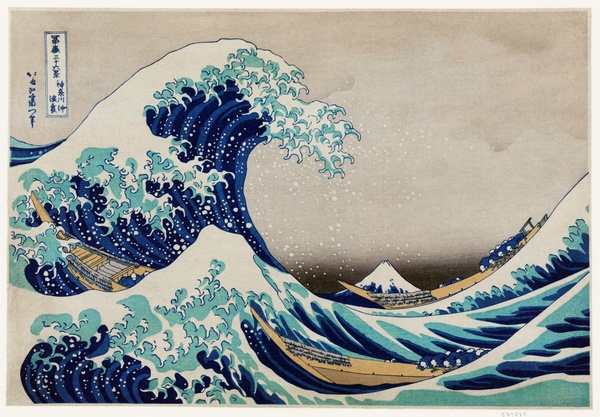
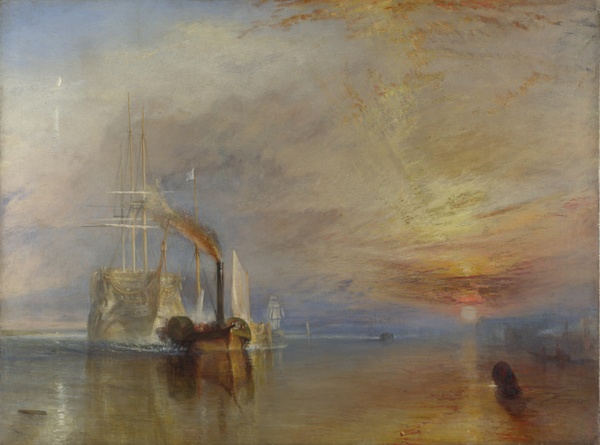
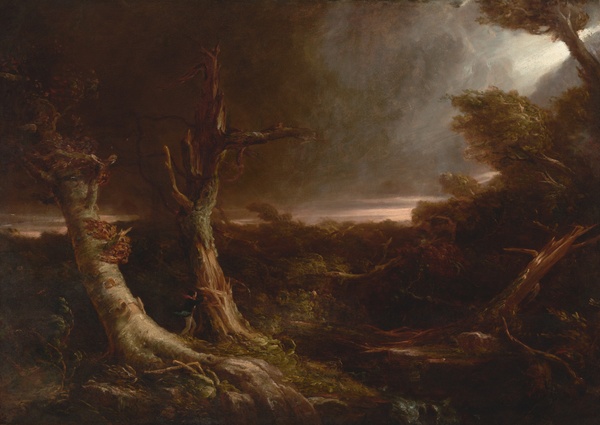
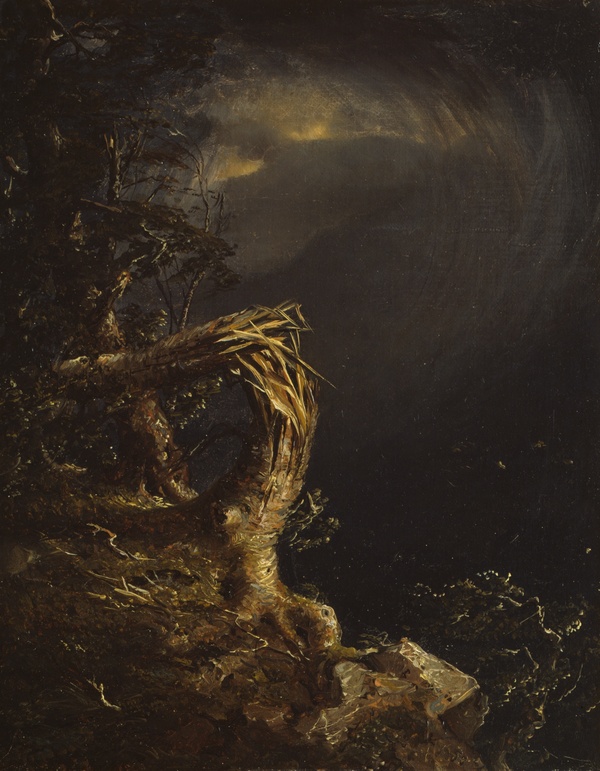
The narrative then intensifies, presenting moments of cataclysmic rupture and the profound sorrow of disintegration. Thomas Cole’s Tornado in an American Forest captures nature’s violent, instantaneous power, reducing mighty trees, with their intricate organic geometry, to splintered wreckage. Jasper Francis Cropsey’s Blasted Tree stands as a stark, skeletal monument to this destructive force, its gnarled branches reaching out like fractured ligaments against the sky. Katsushika Hokusai’s iconic Under the Wave off Kanagawa (The Great Wave) brilliantly captures the terrifying geometry of an immense wave poised to consume human endeavors, underscoring the fragility of even the most skilled craft against the ocean’s might. This theme finds its elegiac crescendo in Joseph Mallord William Turner’s The Fighting Temeraire, where the once-proud warship, a pinnacle of naval engineering, is towed to its final resting place, its heroic geometry fading into the twilight against the stark, modern geometry of the tugboat’s smoke.
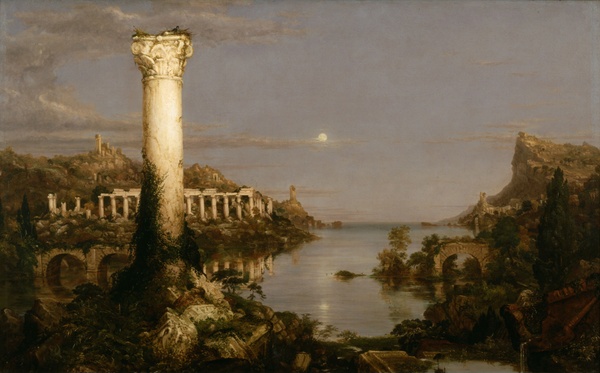
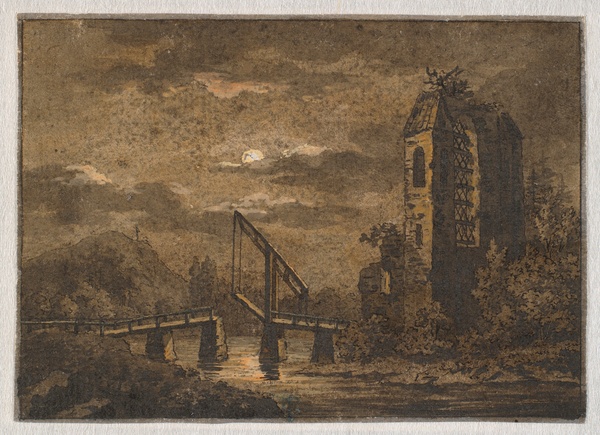
From these dramatic ends, we turn to the poignant aftermath – the enduring beauty of the ruin. Jasper Francis Cropsey’s Ruins at Narni, Italy invites us to linger among the romantic remnants of a past civilization, where broken arches and fragmented walls possess a new, mournful grace. Caspar David Friedrich’s Landscape with Drawbridge and Ruin in Moonlight further bathes these decrepit forms in an ethereal glow, transforming decay into a subject of profound, melancholic beauty and introspective meditation. Thomas Cole’s masterpiece, The Course of Empire: Desolation, serves as the ultimate culmination, depicting a once-thriving civilization reduced to overgrown, shattered fragments, nature having entirely reclaimed its dominion, leaving only spectral geometric echoes of human achievement.
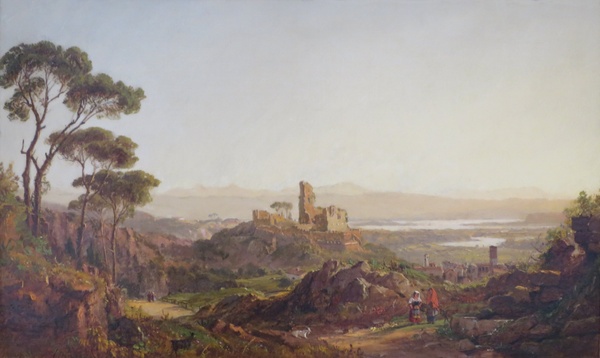
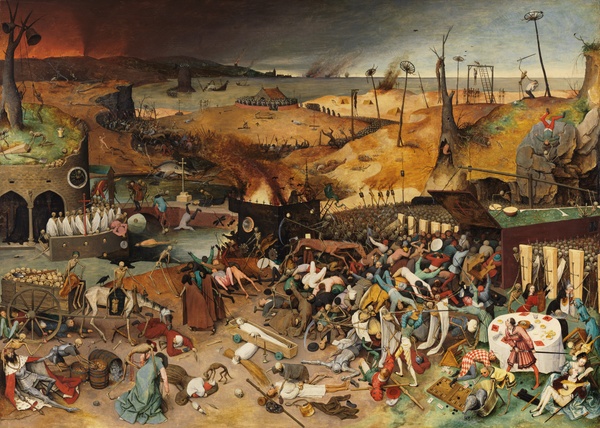
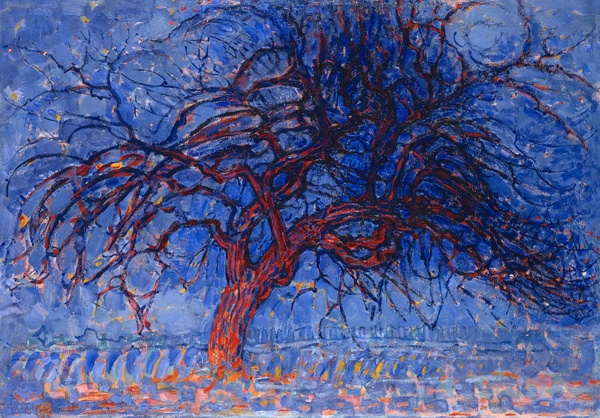
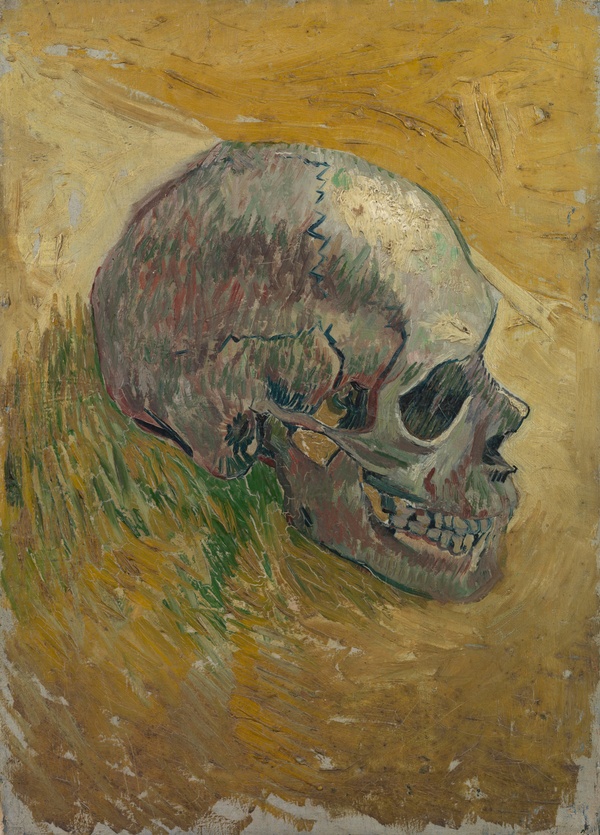
Finally, we journey inward, confronting the universal principles of decay in both organic forms and the human condition. Piet Mondrian’s Avond (Evening): The Red Tree offers a vibrant yet skeletal abstraction of a leafless tree, its branches, though red with energy, speak of a dormant, wintery geometry – a cycle of renewal and decay. Vincent van Gogh’s stark Skull confronts us with the ultimate geometry of human mortality, a silent memento mori. Pieter Bruegel the Elder’s monumental The Triumph of Death broadens this scope to an apocalyptic panorama, where a skeletal army relentlessly ushers all humanity towards its inevitable dissolution, revealing the pervasive, inescapable geometry of endings.
Through this diverse collection, "The Geometry of Decay" transcends mere documentation of ruin. It celebrates the persistence of form—the whispers of stone—even as it acknowledges the inexorable embrace of time. Each artwork invites us to find beauty not just in creation, but in the eloquent, often heartbreaking, process of decline, recognizing the enduring patterns that define our transient existence.
Artworks in this collection

30 artworks
Paestum - J.M.W. Turner (c.1823-6)
Premium

Paestum - J.M.W. Turner (c.1823-6)

J.M.W. Turner

United Kingdom, 1825

Depicts ancient ruins, perfectly embodying 'forgotten grandeur' and 'crumbling facades' where classical geometry has succumbed to time.

A View of the Inside of the New Prison at Rome - Georges François Blondel (1765)
Premium

A View of the Inside of the New Prison at Rome - Georges François Blondel (1765)

Georges François Blondel

France, 1765

The interior of a prison offers a 'disused space' with strong architectural 'geometry' and dramatic interplay of 'light and shadow,' hinting at past human suffering and abandonment.

L'Église de Jobourg - Félix-Hilaire Buhot (1887)
Premium

L'Église de Jobourg - Félix-Hilaire Buhot (1887)

Félix-Hilaire Buhot

France, 1887

An old, possibly 'crumbling' church, this artwork conveys 'forgotten grandeur' and the weathered 'geometry' of ancient architecture through atmospheric rendering.

An Overgrown Mineshaft - Carl Gustav Carus (c. 1824)
Premium

An Overgrown Mineshaft - Carl Gustav Carus (c. 1824)

Carl Gustav Carus

Germany, 1824

An 'overgrown mineshaft' perfectly combines the themes of a 'disused space' and a man-made 'structure surrendering to time's embrace' as nature reclaims it.

Chalk Cliffs on Rügen - Caspar David Friedrich (1818)

Chalk Cliffs on Rügen - Caspar David Friedrich (1818)

Caspar David Friedrich

Germany, 1818

Friedrich's 'Chalk Cliffs on Rügen' showcases the natural 'crumbling facades' and 'fractured lines' of geological formations, emphasizing 'enduring form' through millennia of erosion.

Tornado in an American Forest - Thomas Cole (1831)

Tornado in an American Forest - Thomas Cole (1831)

Thomas Cole

United Kingdom, 1831

The 'Tornado in an American Forest' captures the chaotic 'geometry of decay' as natural forces rip apart the structured forms of trees, creating new fractured landscapes.

Blasted Tree - Jasper Francis Cropsey (1850)

Blasted Tree - Jasper Francis Cropsey (1850)

Jasper Francis Cropsey

United States, 1850

This 'blasted tree' serves as a natural 'skeletal form,' revealing the raw 'beauty of decay' through the forces of nature.

Under the Wave off Kanagawa (The Great Wave) - Katsushika Hokusai (c. 1831)
Premium

Under the Wave off Kanagawa (The Great Wave) - Katsushika Hokusai (c. 1831)

Katsushika Hokusai

Japan, 1831

The 'Great Wave' captures the immense, destructive 'geometry' of nature's forces, threatening ships and implying their 'decay' into wreckage against an enduring natural form.

The Fighting Temeraire - Joseph Mallord William Turner (1839)
Premium

The Fighting Temeraire - Joseph Mallord William Turner (1839)

Joseph Mallord William Turner

United Kingdom, 1839

The iconic image of 'The Fighting Temeraire' being towed to be broken up symbolizes the end of an era and the 'geometry of decay' for a once-grand 'structure,' now surrendering to industrial obsolescence.

Ruins at Narni, Italy - Jasper Francis Cropsey (1875)
Premium

Ruins at Narni, Italy - Jasper Francis Cropsey (1875)

Jasper Francis Cropsey

USA, 1875

Directly titled 'Ruins at Narni,' this artwork vividly captures 'forgotten grandeur' and 'crumbling facades' within a romantic landscape.

Landscape with Drawbridge and Ruin in Moonlight - Caspar David Friedrich (c. early 19th century)

Landscape with Drawbridge and Ruin in Moonlight - Caspar David Friedrich (c. early 19th century)

Caspar David Friedrich

Germany

A prime example of 'structures surrendering to time's embrace' with a ruined drawbridge set in a melancholic, moonlit landscape, highlighting both geometry and decay.

The Course of Empire: Desolation - Thomas Cole (1836)
Premium

The Course of Empire: Desolation - Thomas Cole (1836)

Thomas Cole

USA, 1836

Part of Cole's 'Course of Empire' series, this piece explicitly portrays a city in utter 'desolation' with 'crumbling facades' and geometric ruins, a powerful narrative of forgotten grandeur.

Skull - Vincent van Gogh (1887)
Premium

Skull - Vincent van Gogh (1887)

Vincent van Gogh

Netherlands, 1887

A stark still-life featuring a skull, directly representing 'skeletal forms' and the geometry of human decay, a classic vanitas theme.

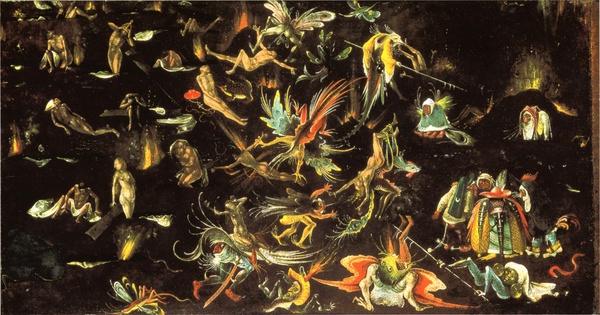
The Last Judgment (Fragment) - Follower of Hieronymus Bosch (c. 1500–1525)
Premium

The Last Judgment (Fragment) - Follower of Hieronymus Bosch (c. 1500–1525)

Follower of Hieronymus Bosch

Netherlands

A fragment from a 'Last Judgment' theme, suggesting an apocalyptic 'crumbling' of order and the 'fractured lines' of a world in spiritual and physical decay.

Château Noir - Paul Cézanne (1903)
Premium

Château Noir - Paul Cézanne (1903)

Paul Cézanne

France, 1903

The 'Château Noir' (Black Castle) suggests an aged, possibly decaying structure, rendered with Cézanne's characteristic geometric abstraction of form, fitting 'enduring form' in decay.

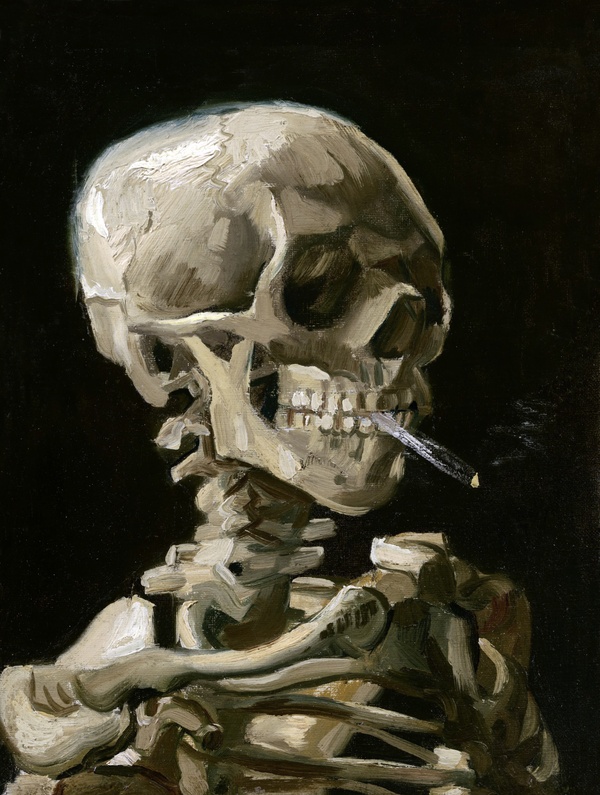
Head of a Skeleton with a Burning Cigarette - Vincent van Gogh (1886)

Head of a Skeleton with a Burning Cigarette - Vincent van Gogh (1886)

Vincent van Gogh

Netherlands, 1886

An explicit depiction of a 'skeleton' with a cigarette, a direct and stark representation of 'skeletal forms' and the geometry of mortality.

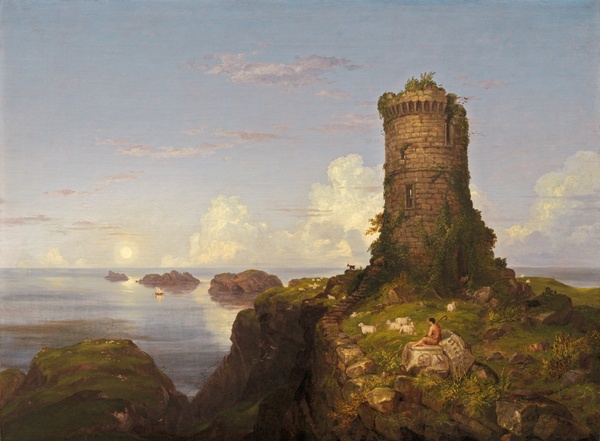
Italian Coast Scene with Ruined Tower - Thomas Cole (1838)
Premium

Italian Coast Scene with Ruined Tower - Thomas Cole (1838)

Thomas Cole

United States, 1838

Features a 'ruined tower' on an 'Italian Coast Scene,' portraying a man-made structure slowly yielding to natural elements and time.

Avond (Evening): The Red Tree - Piet Mondrian (1908)
Premium

Avond (Evening): The Red Tree - Piet Mondrian (1908)

Piet Mondrian

Netherlands, 1908

Mondrian's geometric reduction of a 'Red Tree' in the evening can be interpreted as the stark, 'skeletal forms' of nature in its winter decay, abstracting the geometry of life's end.

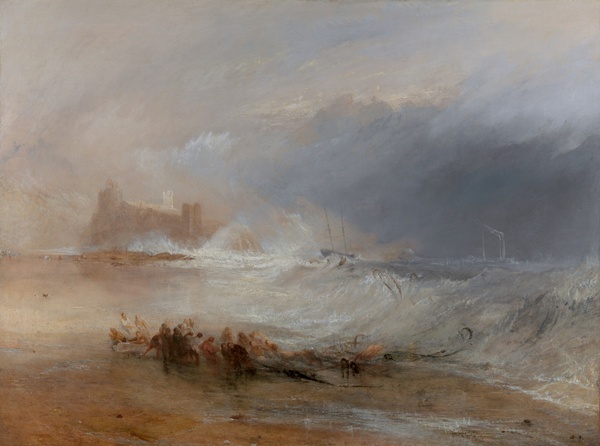
Wreckers -- Coast of Northumberland, with a Steam-Boat Assisting a Ship off Shore - J.M.W. Turner (1834)
Premium

Wreckers -- Coast of Northumberland, with a Steam-Boat Assisting a Ship off Shore - J.M.W. Turner (1834)

J.M.W. Turner

United Kingdom, 1834

Depicts a 'wreckage' (shipwreck), a clear example of 'structures surrendering to time' and the destructive power of the sea, with the 'fractured lines' of a broken vessel.

The Stranded Ship - Asher Brown Durand (1844)

The Stranded Ship - Asher Brown Durand (1844)

Asher Brown Durand

USA, 1844

A 'stranded ship' represents explicit 'geometric wreckage,' a structure defeated by the sea and now decaying on the shore.

The Triumph of Death - Pieter Bruegel the Elder (c. 1562)

The Triumph of Death - Pieter Bruegel the Elder (c. 1562)

Pieter Bruegel the Elder

Netherlands, 1562

Bruegel's 'Triumph of Death' is an expansive vision of universal decay, filled with skeletal figures and a landscape of destruction, illustrating the pervasive 'geometry of decay' on a grand, moralizing scale.

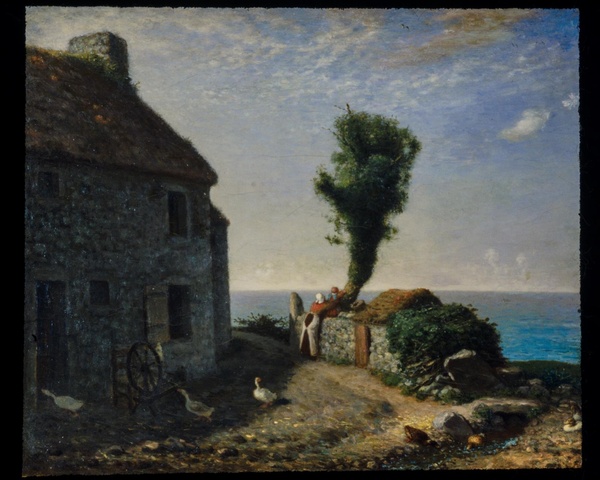
End of the Hamlet of Gruchy - Jean-François Janinet after Nicolas Lavreince (1856)

End of the Hamlet of Gruchy - Jean-François Janinet after Nicolas Lavreince (1856)

Jean-François Janinet after Nicolas Lavreince

France, 1856

The 'End of the Hamlet of Gruchy' suggests a 'disused space' and a community in decline, with the landscape absorbing the remnants of human habitation.

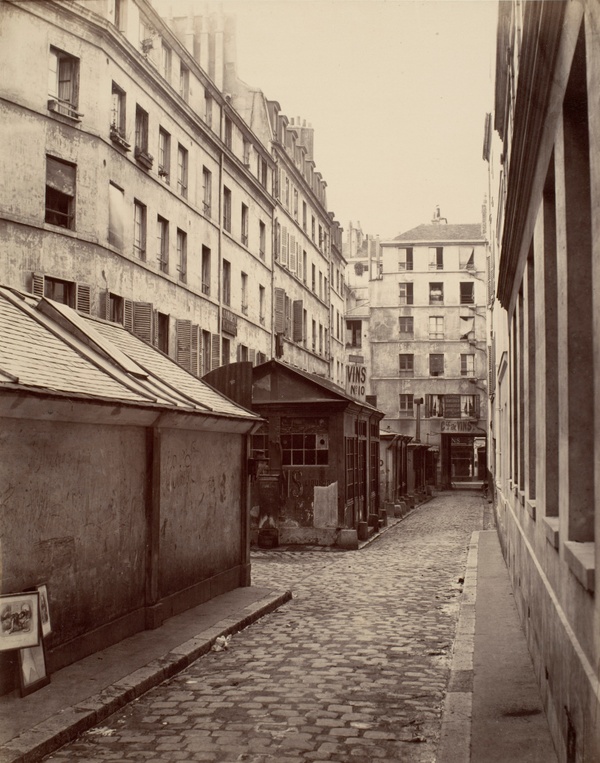
Passage des Deux-Soeurs de la rue Lafayette - Charles Marville (1867)
Premium

Passage des Deux-Soeurs de la rue Lafayette - Charles Marville (1867)

Charles Marville

France, 1867

This melancholic street scene, possibly featuring older, 'crumbling facades' of Parisian architecture, uses 'light and shadow' to evoke a sense of the city's aging geometry.

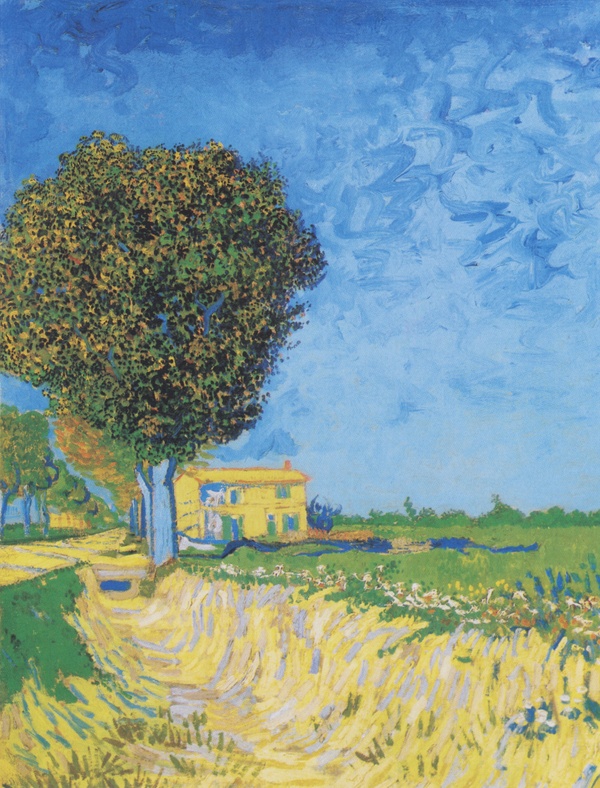
Avenue of Poplars in Autumn - Vincent van Gogh (1884)

Avenue of Poplars in Autumn - Vincent van Gogh (1884)

Vincent van Gogh

Netherlands, 1884

The 'Avenue of Poplars in Autumn' portrays the 'skeletal forms' of trees as they decay in the seasonal cycle, highlighting the stark lines of nature.

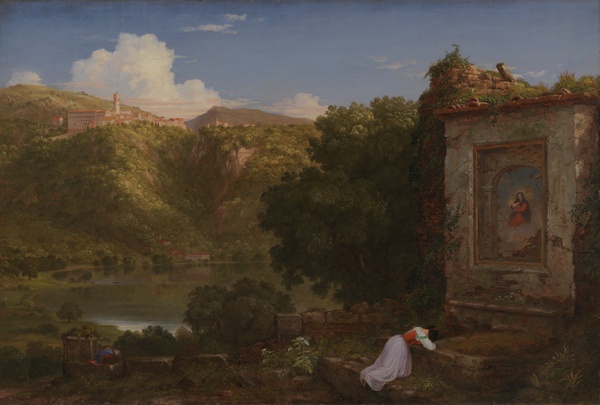
Il Penseroso - Thomas Cole (1845)

Il Penseroso - Thomas Cole (1845)

Thomas Cole

United Kingdom, 1845

Cole's 'Il Penseroso' evokes a 'melancholic landscape' with suggestions of ancient or dying nature, inviting contemplation on the passage of time and gradual decay.

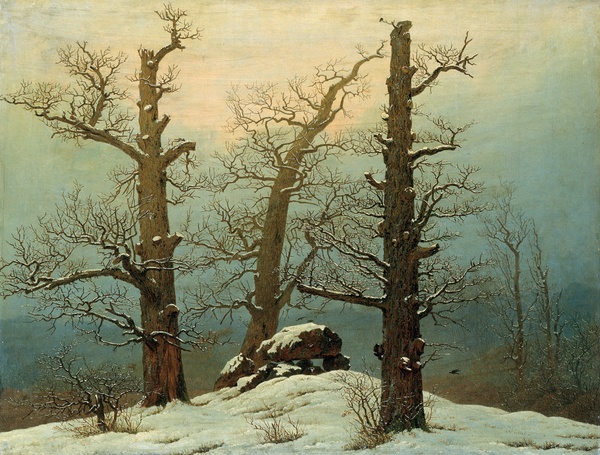
Cairn in Snow - Caspar David Friedrich (c. 1807)
Premium

Cairn in Snow - Caspar David Friedrich (c. 1807)

Caspar David Friedrich

Germany, 1807

A 'cairn in snow' represents an ancient, enduring man-made 'structure' slowly weathering and decaying under the harsh elements, displaying its 'stark beauty' in the landscape.

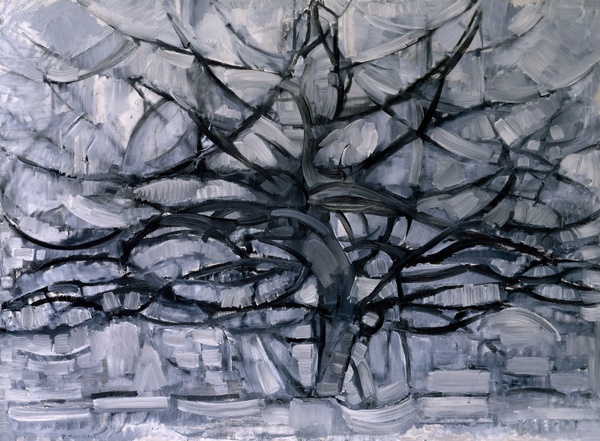
The Gray Tree - Piet Mondrian (1911)

The Gray Tree - Piet Mondrian (1911)

Piet Mondrian

Netherlands, 1911

Mondrian's 'The Gray Tree' abstracts the 'skeletal forms' of a tree into 'fractured lines' and geometric shapes, capturing the essence of natural decay and enduring form.

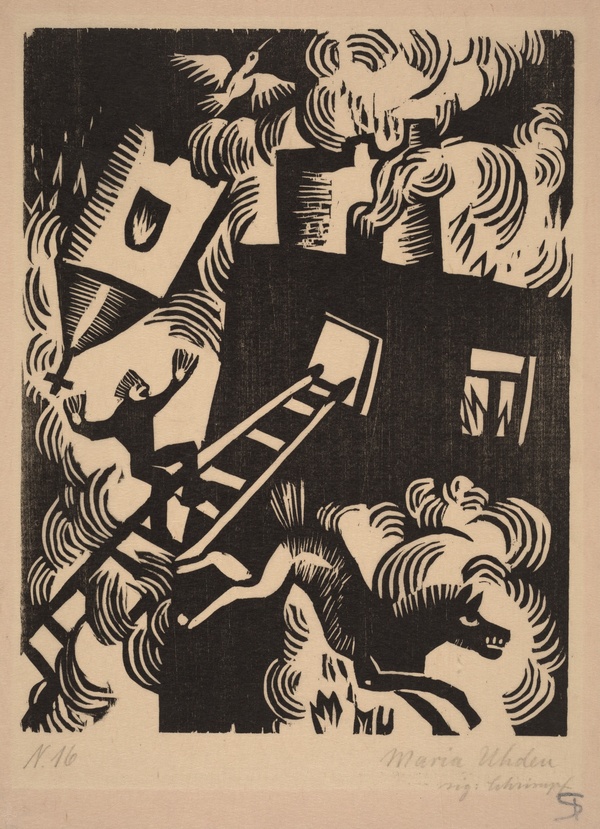
Burning House - Maria Uhden (1918)

Burning House - Maria Uhden (1918)

Maria Uhden

Germany, 1918

A 'Burning House' directly illustrates rapid destruction, creating 'fractured lines' and 'crumbling facades' as the architectural 'geometry of decay' is violently expressed.

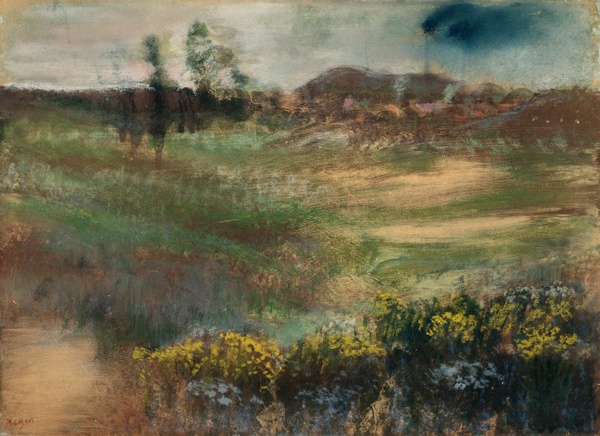
Landscape with Smokestacks - Hilaire Germain Edgar Degas (c. 1890)
Premium

Landscape with Smokestacks - Hilaire Germain Edgar Degas (c. 1890)

Hilaire Germain Edgar Degas

France, 1890

Features 'smokestacks' in a melancholic landscape, hinting at industrial 'decay' and 'disused spaces,' with the stark 'geometry' of structures against a fading environment.

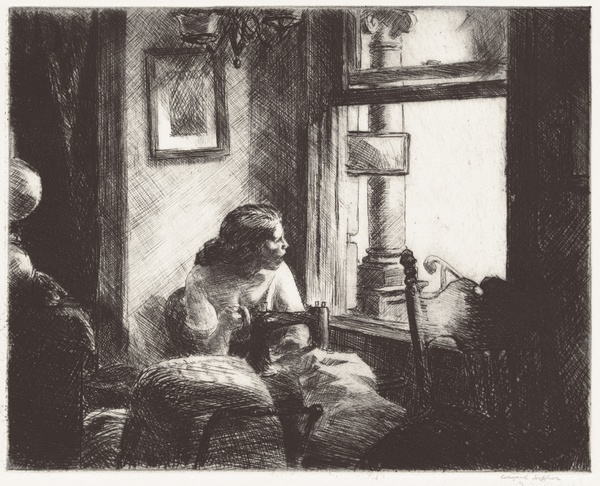
East Side Interior - Edward Hopper (1922)
Premium

East Side Interior - Edward Hopper (1922)

Edward Hopper

United States, 1922

Hopper's 'East Side Interior' presents a geometric 'disused space' filled with 'light and shadow,' evoking a sense of past life and melancholic abandonment, a 'whisper of forgotten grandeur'.

Discover more curated collections

View all collections