
Curated Collections · 30 artworks · Created March 7, 2026

Weathered Stories

Fading hues, enduring truths: Tales etched by time and tide.

Read it as a book

Download the set in 4K — or open it in the MP Art app to send straight to your Frame

Weathered Stories

The passage of time, an unseen sculptor, incessantly carves its narratives onto the canvas of existence. Our exhibition, "Weathered Stories," invites contemplation of these enduring truths, revealed in hues faded by the sun and structures eroded by the elements. From nature’s monumental forces to the intimate whispers of human vulnerability, these artworks speak of resilience, decay, and the indelible marks left behind.

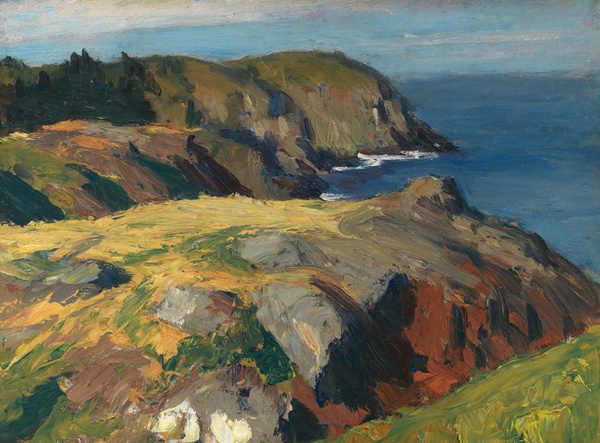
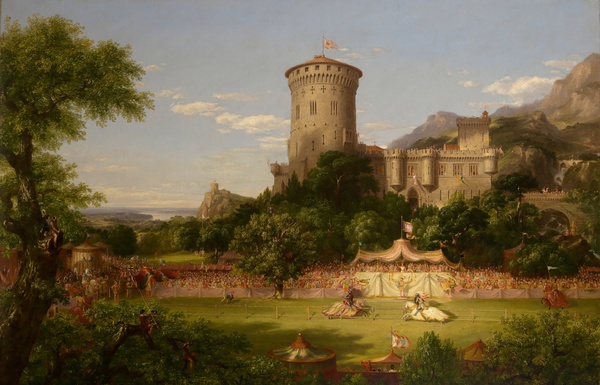
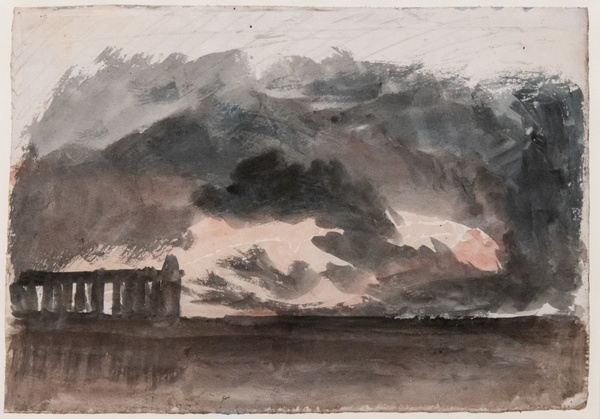
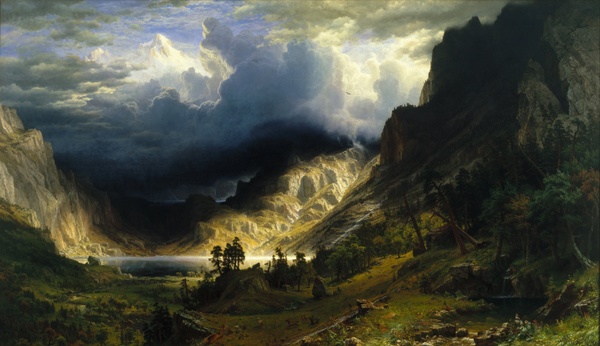
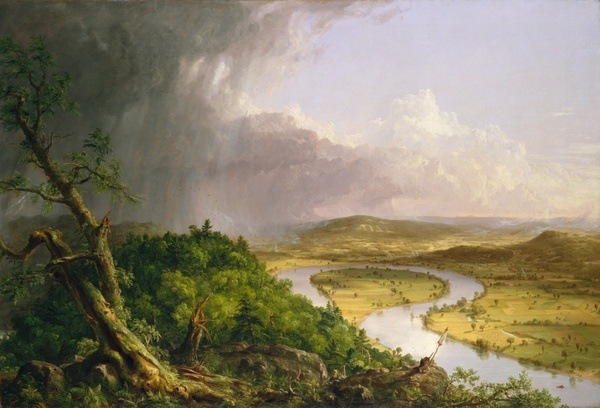
We begin with the sublime, where nature asserts its timeless dominance. J.M.W. Turner’s Paestum immerses us in a dramatic thunderstorm over ancient Greek temples, formidable structures dwarfed by atmospheric turmoil. Albert Bierstadt’s A Storm in the Rocky Mountains, Mt. Rosalie presents a colossal panorama where jagged peaks wrestle with churning skies, a reminder of geological ages. Edward Hopper’s Blackhead, Monhegan offers a raw, elemental perspective, capturing crashing waves against ancient basaltic headlands, a testament to the ocean’s ceaseless work. Thomas Cole’s The Oxbow (View from Mount Holyoke...) further juxtaposes untamed wilderness with burgeoning civilization. Indeed, Cole's earlier The Past presents a contrasting vision of medieval pageantry, a vibrant jousting tournament evoking a glorious history whose stories resonate still.
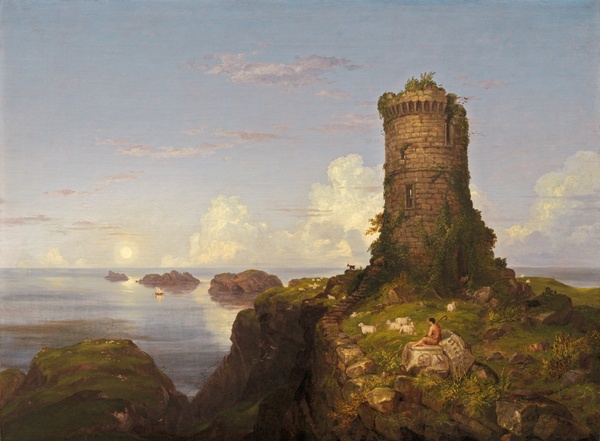
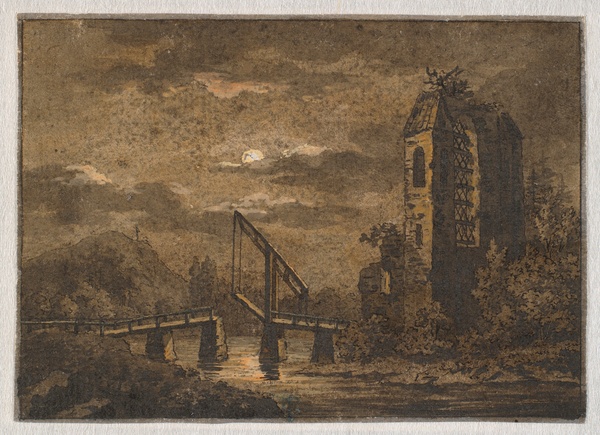
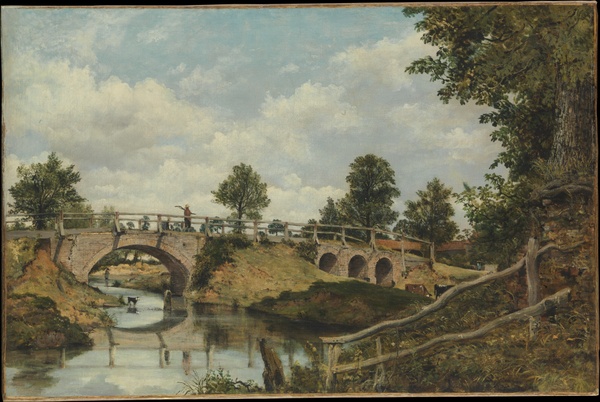
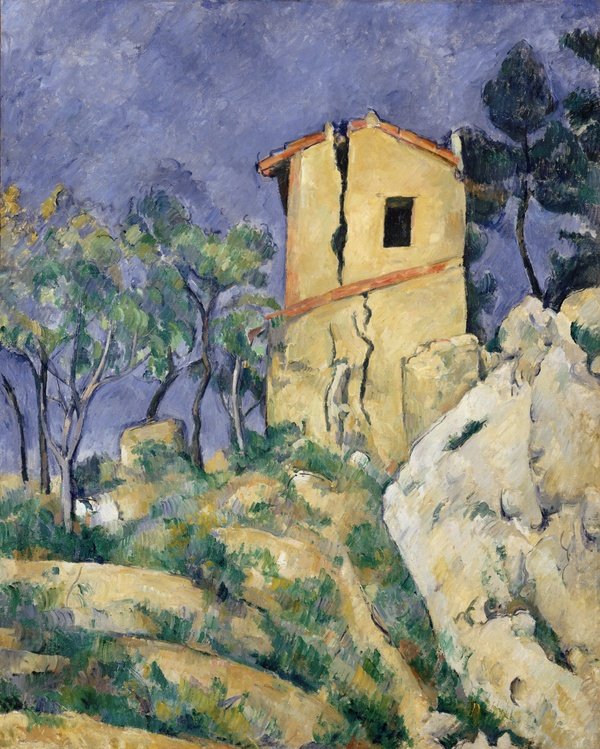
Human endeavors, too, bear the noble scars of age. Frederick Waters Watts’ An Old Bridge at Hendon, Middlesex quietly celebrates a rustic stone bridge, its arch a testament to generations of passage. Yet, decay is an inescapable companion: Paul Cézanne’s The House with the Cracked Walls starkly portrays a dilapidated structure, its fissure a symbol of inherent fragility. Thomas Cole’s Italian Coast Scene with Ruined Tower evokes a serene acceptance of history, a medieval sentinel succumbing gracefully to time. Caspar David Friedrich’s Landscape with Drawbridge and Ruin in Moonlight bathes architectural remnants in melancholic glow, rendering them symbols of romantic decay.
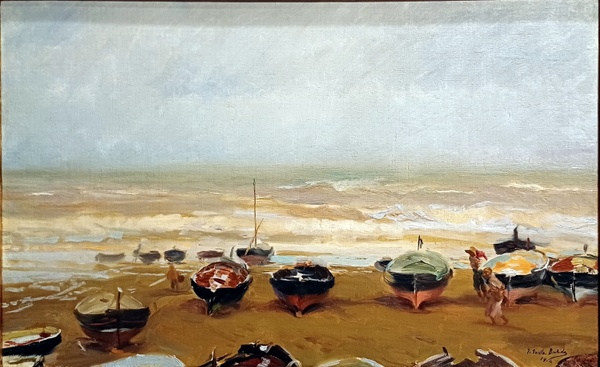
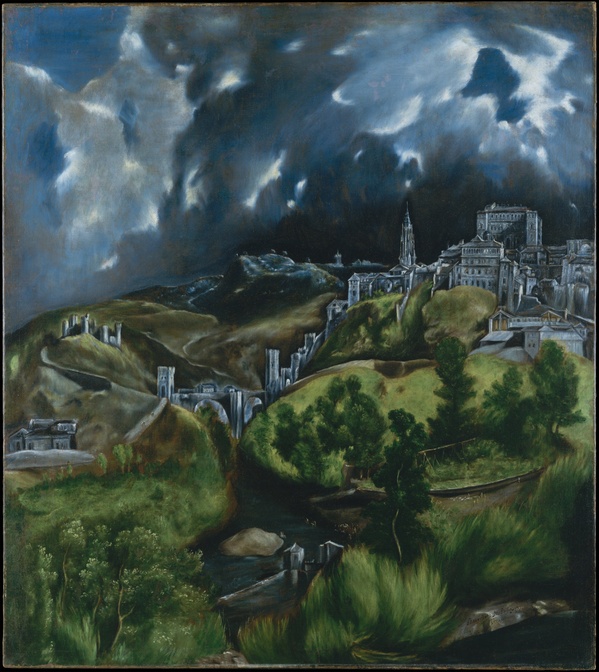
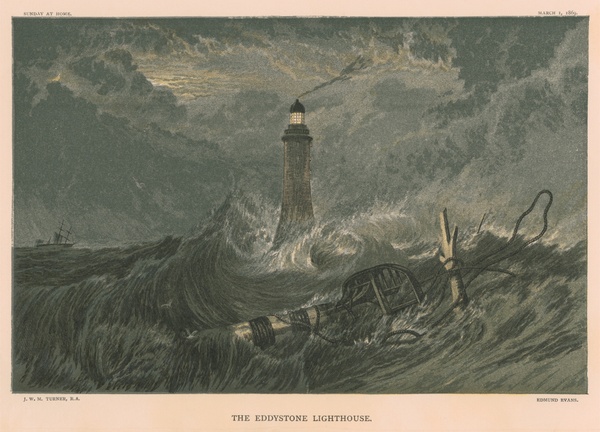
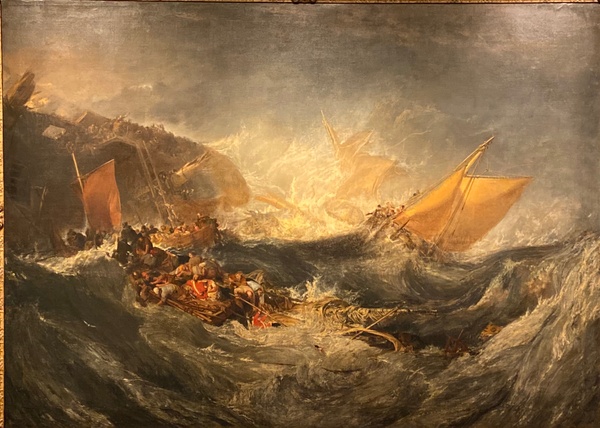
The sea, a relentless chronicler, etches its own dramatic tales. Isaac Sailmaker’s Eddystone Lighthouse portrays a beacon of human defiance battling treacherous waters. J.M.W. Turner’s The Wreck of a Transport Ship vividly captures nature's merciless triumph, a vessel broken by the storm’s fury. Joaquín Sorolla’s Stormy Afternoon (Tarde Tormentosa) provides a contemporary view, fishing boats moored against an overcast sky, underscoring life’s persistent negotiation with the elements. Even a city, as seen in El Greco’s View of Toledo, is not immune, its ancient stones brooding under churning storm clouds, its history palpable.
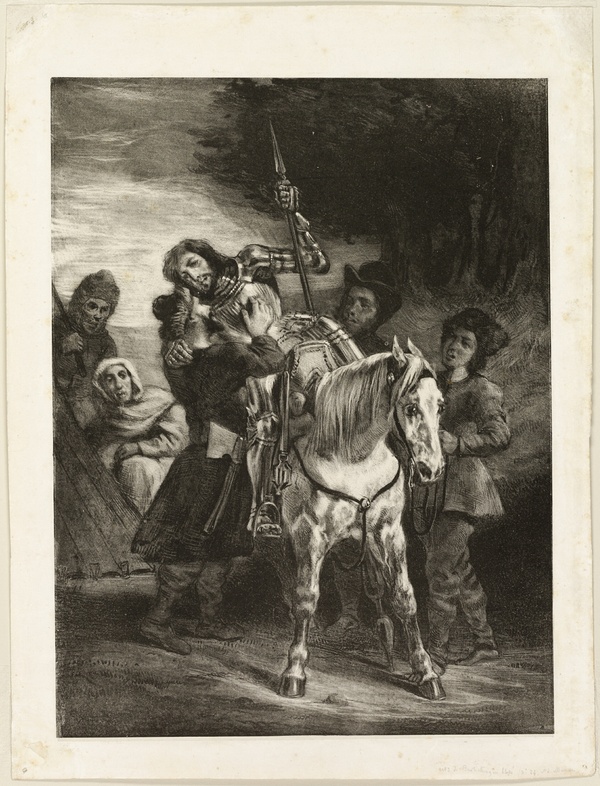
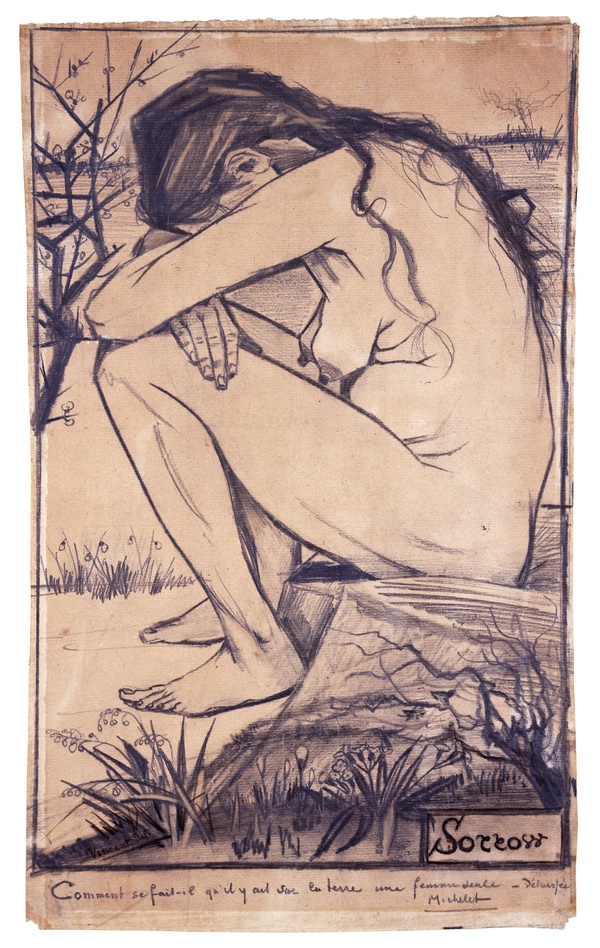
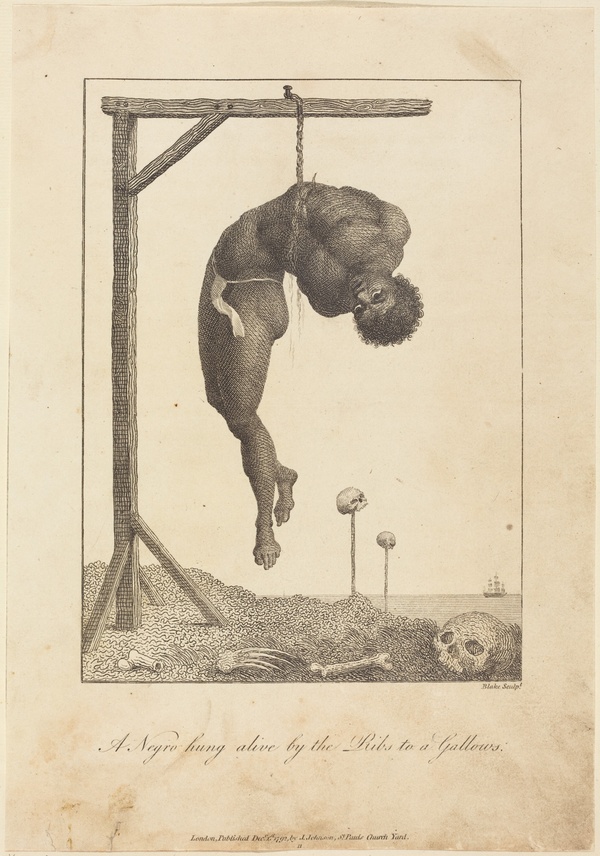
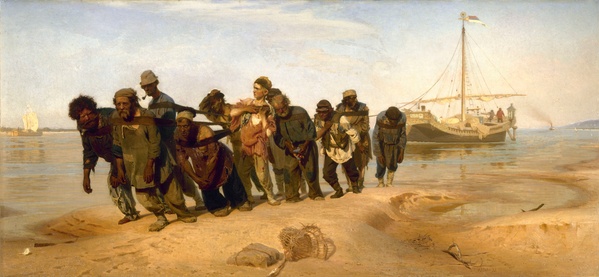
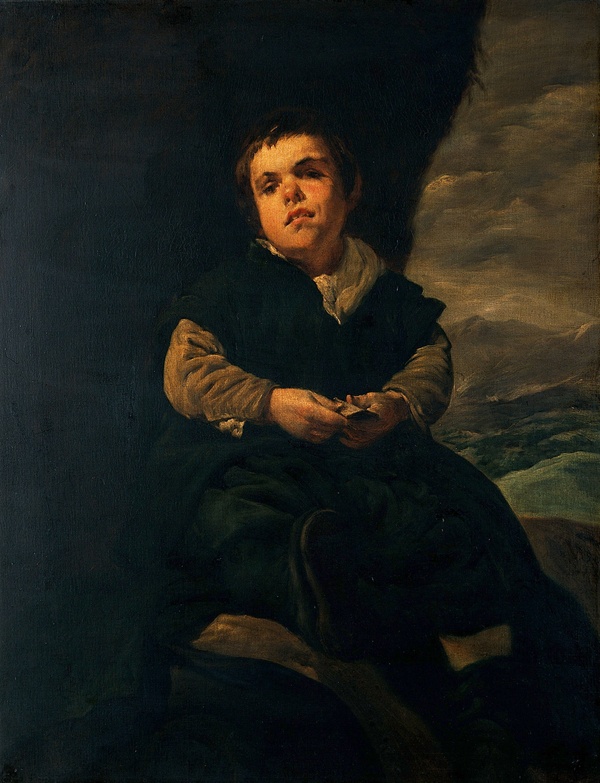
Yet, it is in the human story, often fraught with struggle, that weathering finds its most poignant expression. Ilya Repin’s Barge Haulers on the Volga depicts an arduous, collective endurance, the bodies of men visibly strained. Diego Velázquez’s portrait of The Dwarf Francisco Lezcano, "El Niño de Vallecas" offers a glimpse into a solitary life, "weathered" by societal gaze, set against a timeless rocky backdrop. Eugène Delacroix’s lithograph, The Wounded Goetz Cared for by the Bohemians, shows human fragility and interdependence amidst conflict. Vincent van Gogh’s Sorrow lays bare the profound grief of a woman, her body hunched, a vessel of exhaustion and emotional burden. More harrowing still, William Blake's engraving A Negro Hung Alive by the Ribs to a Gallows demands witness to unspeakable suffering, a brutal truth etched not by time, but by human barbarity, a story that refuses to fade.
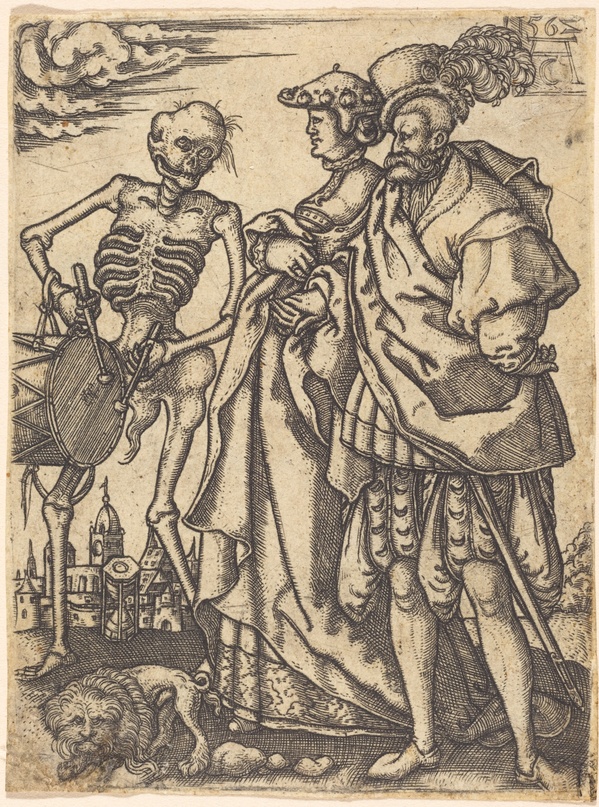
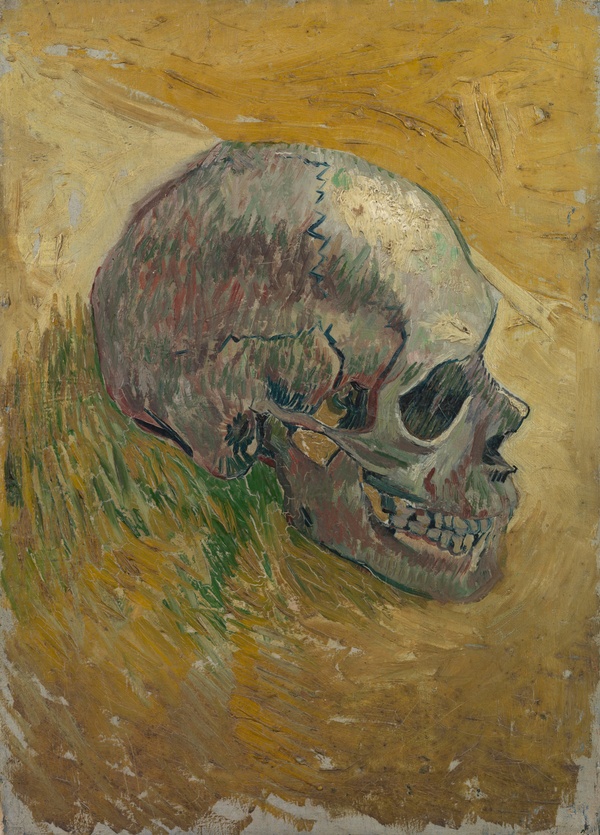
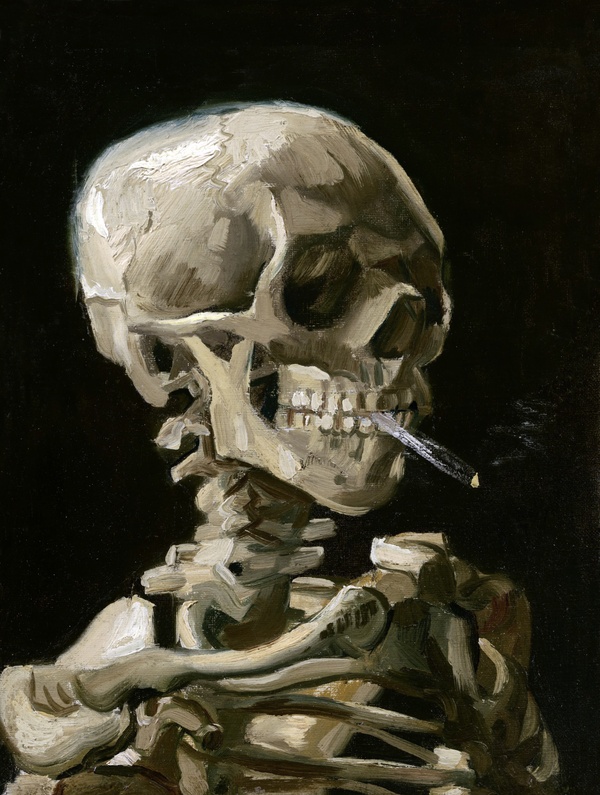
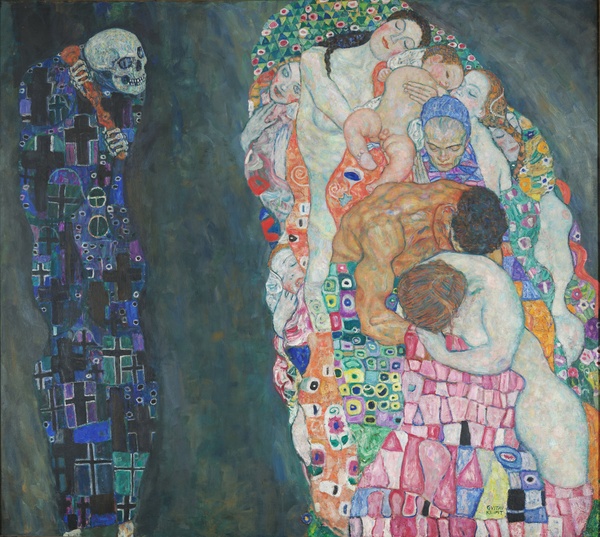
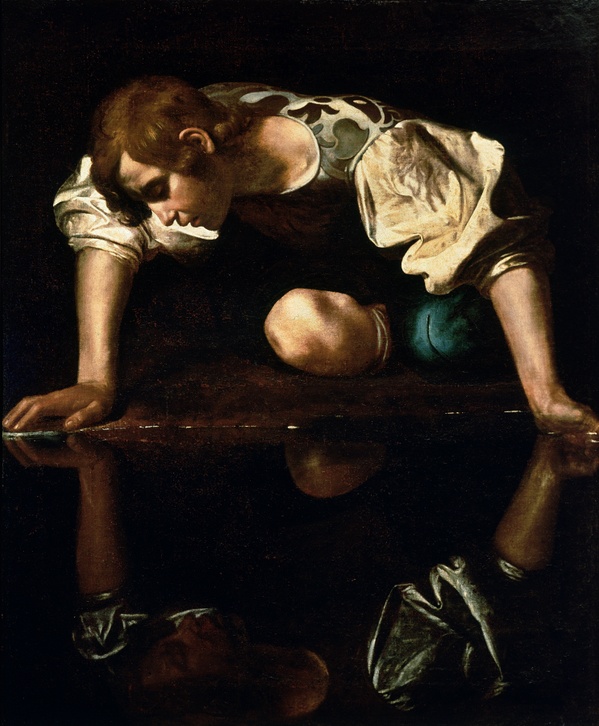
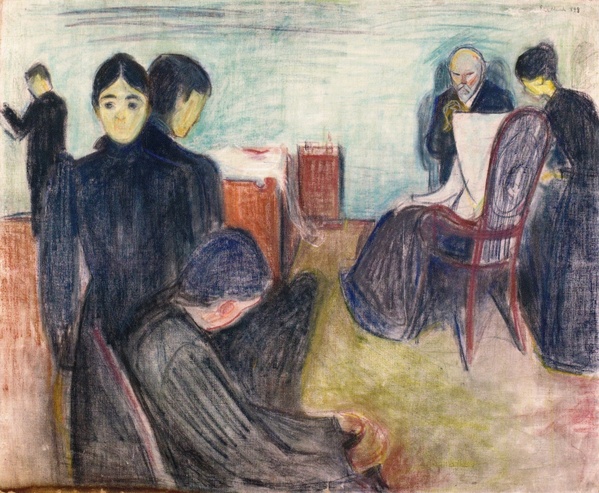
The contemplation of mortality, the ultimate weathering of the self, echoes across centuries. Even fleeting beauty succumbs, as Caravaggio’s Narcissus reminds us, depicting the tragic figure enthralled by his own reflection, a poignant meditation on vanity’s ephemeral gleam. Edvard Munch’s Death in the Sickroom captures the hushed, unbearable grief of a family confronting loss. Allaert Claesz’s Dance of Death I reminds us of the medieval allegory where skeletal figures claim all mortals. Vincent van Gogh, in his studies Skull and Head of a Skeleton with a Burning Cigarette, confronts death with defiant directness. Gustav Klimt’s allegorical Death and Life offers a grander, more ornate meditation on the cycle, where the vibrant cluster of life holds its own against the watchful figure of Death.
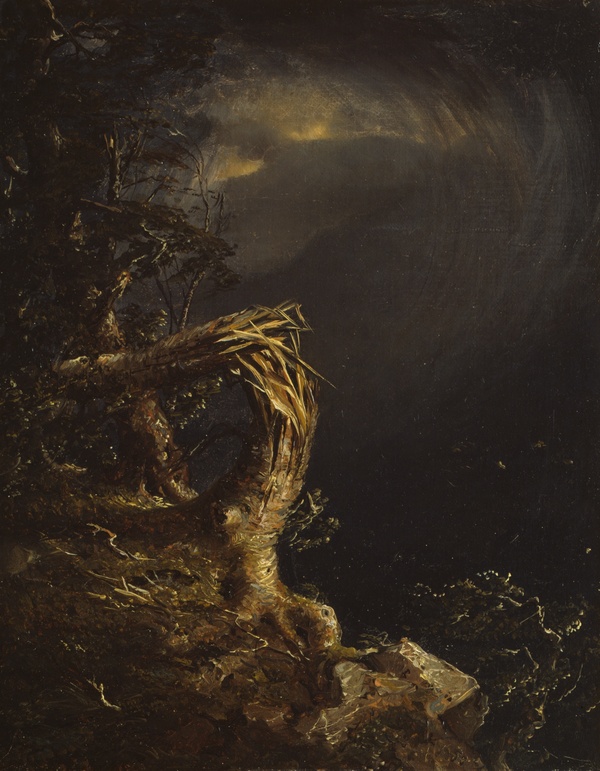
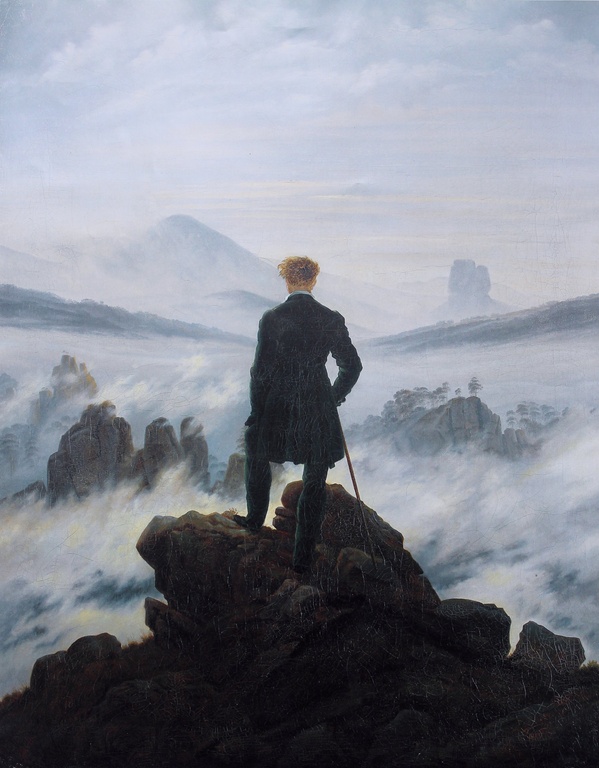
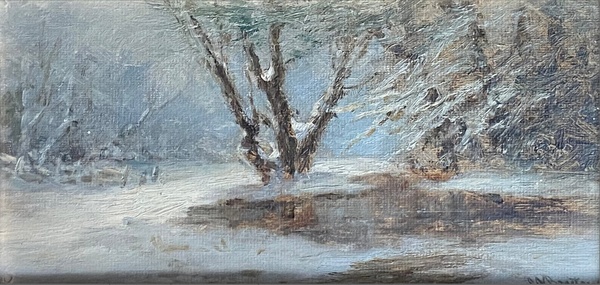
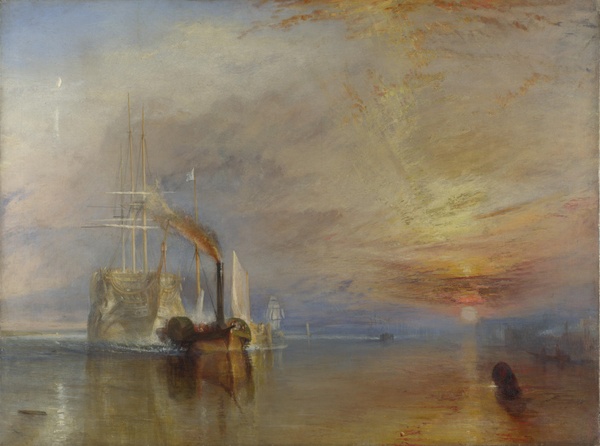
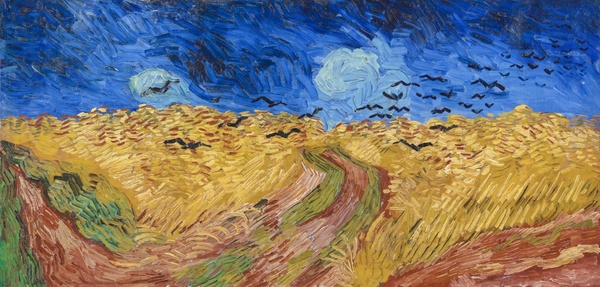
Finally, we consider the legacies that endure, though transformed. J.M.W. Turner’s The Fighting Temeraire tugged to her last Berth to be broken up is a luminous elegy for a heroic warship, its spectral form towed into obsolescence, a poignant symbol of a fading era and persistent memory. Vincent van Gogh’s Wheatfield with Crows, with its turbulent sky and ominous crows, speaks of an existential landscape, a story imbued with foreboding yet enduring. Jasper Francis Cropsey’s Blasted Tree stands as a gnarled monument to resilience, its weathered form a testament to survival. Caspar David Friedrich’s Wanderer above the Sea of Fog invites us to stand with the lone figure, contemplating the vast, inscrutable landscape, a powerful image of human insignificance and enduring wonder. Susie M. Barstow’s Winter Landscape provides a quiet epilogue, a serene, snow-covered scene where the land rests, gathering strength for renewal.
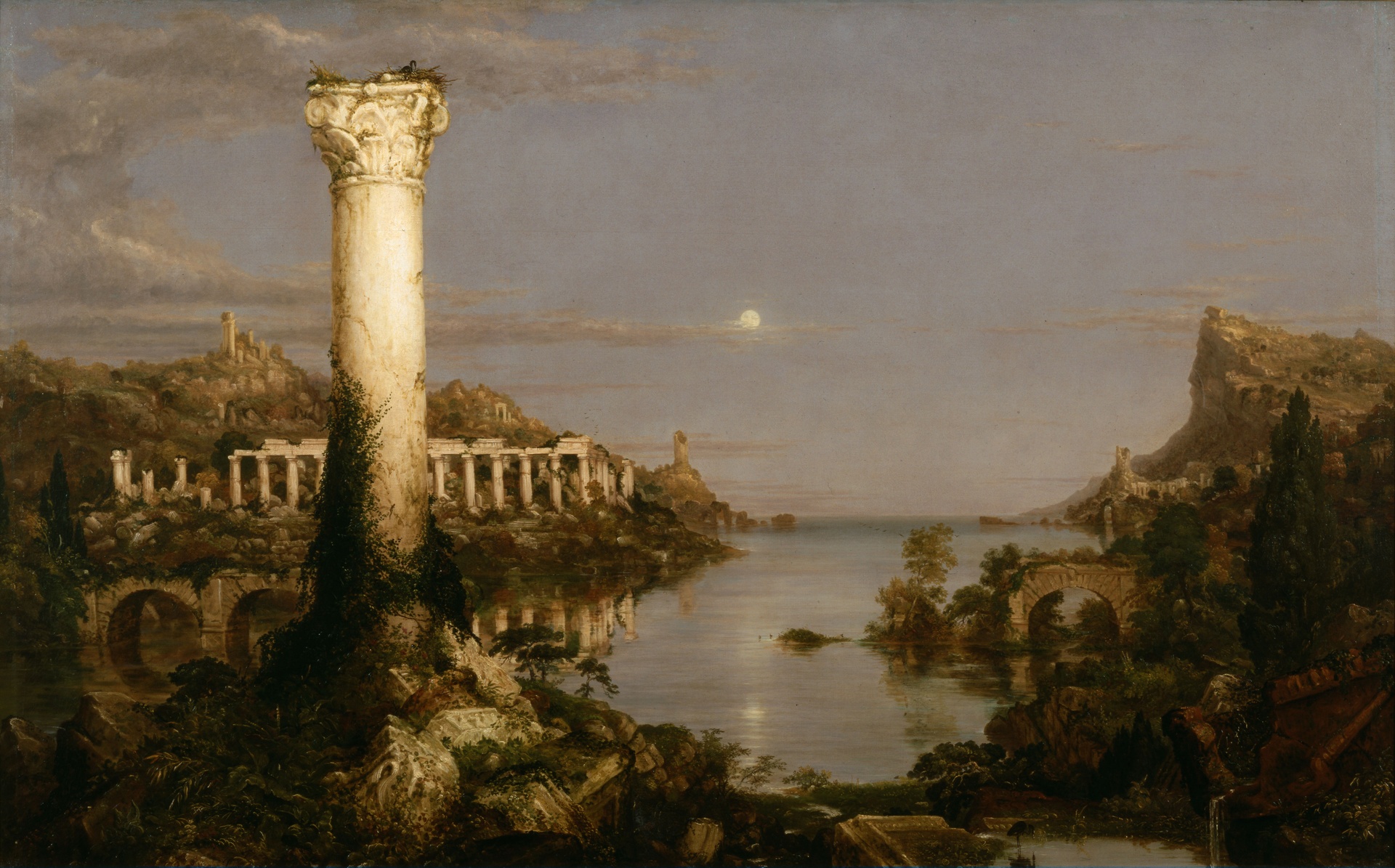
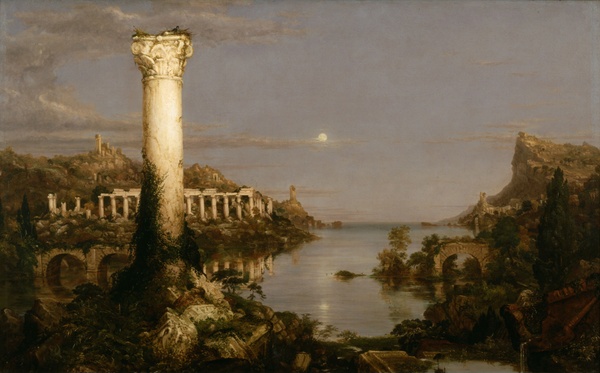
Our journey culminates with Thomas Cole’s monumental The Course of Empire: Desolation. Here, nature reclaims all, the ruins of a once-great civilization swallowed by rampant foliage under a desolate sky. It is the ultimate "weathered story"—a stark reminder that while grand narratives may fade, the enduring truths of cycles, resilience, and the relentless march of time remain etched into the very fabric of our world. These fading hues, indeed, reveal enduring truths.
Artworks in this collection

30 artworks
Paestum - J.M.W. Turner (c.1823-6)
Premium

Paestum - J.M.W. Turner (c.1823-6)

J.M.W. Turner

United Kingdom, 1825

Features ancient Greek ruins, embodying 'crumbling stone' and 'history' etched by centuries of exposure to the elements.

A Storm in the Rocky Mountains, Mt. Rosalie - Albert Bierstadt (1866)
Premium

A Storm in the Rocky Mountains, Mt. Rosalie - Albert Bierstadt (1866)

Albert Bierstadt

USA, 1866

Showcases a powerful 'storm' over majestic mountains, illustrating the dramatic impact of 'elements' shaping the landscape.

Blackhead, Monhegan - Edward Hopper (1916–1919)
Premium

Blackhead, Monhegan - Edward Hopper (1916–1919)

Edward Hopper

USA, 1916

Depicts a rugged coastline, constantly 'weathered' by the relentless force of the sea and wind, reflecting nature's 'endurance'.

The Oxbow (View from Mount Holyoke, Northampton, Massachusetts, after a Thunderstorm) - Thomas Cole (1836)
Premium

The Oxbow (View from Mount Holyoke, Northampton, Massachusetts, after a Thunderstorm) - Thomas Cole (1836)

Thomas Cole

USA, 1836

Depicts the landscape 'after a Thunderstorm,' visibly marked by the immediate, powerful 'touch of the elements,' showcasing nature's cycle of renewal and change.

The Past - Thomas Cole (1838)

The Past - Thomas Cole (1838)

Thomas Cole

United States, 1838

Its title directly invokes 'history' and 'memory,' with a landscape likely bearing the 'etched' marks of time and ancient narratives.

An Old Bridge at Hendon, Middlesex - Frederick Waters Watts (1828)

An Old Bridge at Hendon, Middlesex - Frederick Waters Watts (1828)

Frederick Waters Watts

United Kingdom, 1828

The 'old bridge' itself is a testament to 'worn materials' and 'crumbling stone,' silently narrating 'weathered stories' of passage.

The House with the Cracked Walls - Paul Cézanne (1892–1894)
Premium

The House with the Cracked Walls - Paul Cézanne (1892–1894)

Paul Cézanne

France, 1892

The 'cracked walls' provide a literal and poignant example of 'peeling facades' and 'crumbling stone,' whispering stories of time's slow work.

Italian Coast Scene with Ruined Tower - Thomas Cole (1838)
Premium

Italian Coast Scene with Ruined Tower - Thomas Cole (1838)

Thomas Cole

United States, 1838

Features an explicit 'ruined tower' on a melancholic coast, perfectly illustrating 'crumbling stone' and narratives of past glory and 'decay'.

Landscape with Drawbridge and Ruin in Moonlight - Caspar David Friedrich (c. early 19th century)

Landscape with Drawbridge and Ruin in Moonlight - Caspar David Friedrich (c. early 19th century)

Caspar David Friedrich

Germany

Features an explicit 'ruin' under a melancholic moonlight, perfectly capturing 'crumbling stone' and a contemplative sense of 'decay' and 'memory'.

Eddystone Lighthouse - Isaac Sailmaker (c. 1708)
Premium

Eddystone Lighthouse - Isaac Sailmaker (c. 1708)

Isaac Sailmaker

Netherlands, 1708

Portrays a lighthouse as a symbol of human 'endurance' against the 'elements', its stone 'weathered' by centuries of sea and storm.

The Wreck of a Transport Ship - J.M.W. Turner (1810)
Premium

The Wreck of a Transport Ship - J.M.W. Turner (1810)

J.M.W. Turner

England, 1810

The explicit 'wreck' embodies ultimate 'decay' and the dramatic impact of the 'elements' on human endeavors and 'forgotten lives' at sea.

Stormy Afternoon (Tarde Tormentosa) - Joaquín Sorolla (1904)
Premium

Stormy Afternoon (Tarde Tormentosa) - Joaquín Sorolla (1904)

Joaquín Sorolla

Spain, 1904

Captures an explicitly 'stormy afternoon' at sea, highlighting the dynamic interaction between the 'elements' and the enduring coastline.

View of Toledo - El Greco (c. 1598-1600)
Premium

View of Toledo - El Greco (c. 1598-1600)

El Greco

Greece, 1599

An ancient city under a 'dramatic' and turbulent sky, its architecture 'etched' with history, enduring the wrath of the 'elements'.

Barge Haulers on the Volga - Ilya Repin (1873)
Premium

Barge Haulers on the Volga - Ilya Repin (1873)

Ilya Repin

Russia, 1873

Portrays figures 'weathered' by arduous physical labor and the 'elements,' a powerful testament to human 'endurance' and the silent stories of 'forgotten lives'.

The Dwarf Francisco Lezcano, "El Niño de Vallecas" - Diego Velázquez (c. 1638)
Premium

The Dwarf Francisco Lezcano, "El Niño de Vallecas" - Diego Velázquez (c. 1638)

Diego Velázquez

Spain, 1638

A poignant portrait reflecting a life 'weathered' by unique circumstances and societal marginalization, conveying 'dignity in decay' and a forgotten narrative.

The Wounded Goetz Cared for by the Bohemians - Eugène Delacroix (1836)
Premium

The Wounded Goetz Cared for by the Bohemians - Eugène Delacroix (1836)

Eugène Delacroix

France, 1836

Illustrates physical and emotional 'weathering' through the suffering of a 'wounded' figure, conveying human 'endurance' amidst hardship.

Sorrow - Vincent van Gogh (1882)
Premium

Sorrow - Vincent van Gogh (1882)

Vincent van Gogh

Netherlands, 1882

A deeply emotional portrayal of a figure consumed by 'sorrow,' representing the profound internal 'weathering' of the human spirit through life's hardships.

A Negro Hung Alive by the Ribs to a Gallows - William Blake after John Gabriel Stedman (1792)
Premium

A Negro Hung Alive by the Ribs to a Gallows - William Blake after John Gabriel Stedman (1792)

William Blake after John Gabriel Stedman

England, 1792

A harrowing depiction of human suffering and historical atrocity, conveying the brutal 'weathering' of dignity and the weight of 'forgotten lives'.

Narcissus - Caravaggio (c. 1597-1599)
Premium

Narcissus - Caravaggio (c. 1597-1599)

Caravaggio

Italy, 1597

The myth of Narcissus, reflecting a tragic sense of 'fading' and eventual 'decay' through self-absorption, a timeless 'weathered story' of vanity.

Death in the Sickroom - Edvard Munch (1893)
Premium

Death in the Sickroom - Edvard Munch (1893)

Edvard Munch

Norway, 1893

Explores the intimate moment of 'death' and 'decay,' evoking 'forgotten lives' and the melancholic beauty found in the quiet end of a story.

Dance of Death I - Allaert Claesz (1562)
Premium

Dance of Death I - Allaert Claesz (1562)

Allaert Claesz

Netherlands, 1562

An allegorical depiction of death, speaking to 'forgotten lives' and the universal 'dignity in decay' that transcends time.

Skull - Vincent van Gogh (1887)
Premium

Skull - Vincent van Gogh (1887)

Vincent van Gogh

Netherlands, 1887

A quintessential vanitas image, this 'skull' starkly represents physical 'decay' and the inescapable passage of 'time'.

Head of a Skeleton with a Burning Cigarette - Vincent van Gogh (1886)

Head of a Skeleton with a Burning Cigarette - Vincent van Gogh (1886)

Vincent van Gogh

Netherlands, 1886

A stark memento mori, featuring a 'skeleton's' head, emphasizing themes of 'decay' and the fleeting nature of life, an intimate 'weathered story'.

Death and Life - Gustav Klimt (1910–1915)
Premium

Death and Life - Gustav Klimt (1910–1915)

Gustav Klimt

Austria, 1910

An allegorical work directly confronting 'death' and the cycle of existence, symbolizing 'forgotten lives' and the profound 'memory' of human experience.

The Fighting Temeraire tugged to her last Berth to be broken up - J.M.W. Turner (1839)
Premium

The Fighting Temeraire tugged to her last Berth to be broken up - J.M.W. Turner (1839)

J.M.W. Turner

England, 1839

An iconic representation of 'dignity in decay,' as an old warship is towed to its end, signifying the passage of 'history' and industrial change.

Wheatfield with Crows - Vincent van Gogh (1890)
Premium

Wheatfield with Crows - Vincent van Gogh (1890)

Vincent van Gogh

Netherlands, 1890

An expressive landscape that evokes an intensely 'weathered' and tumultuous emotional state, reflecting the raw power of nature and human struggle.

Blasted Tree - Jasper Francis Cropsey (1850)

Blasted Tree - Jasper Francis Cropsey (1850)

Jasper Francis Cropsey

United States, 1850

A 'blasted' tree stands as a testament to the raw power of the 'elements,' its gnarled form a 'weathered story' of survival and resilience.

Wanderer above the Sea of Fog - Caspar David Friedrich (1818)
Premium

Wanderer above the Sea of Fog - Caspar David Friedrich (1818)

Caspar David Friedrich

Germany, 1818

A lone figure contemplates a vast, 'weathered' mountain landscape shrouded in fog, inviting reflection on human transient existence and nature's 'endurance'.

Winter Landscape - Susie M. Barstow (Unknown Date)
Premium

Winter Landscape - Susie M. Barstow (Unknown Date)

Susie M. Barstow

USA

Captures a stark 'winter' scene, where the harsh 'elements' have stripped the landscape bare, revealing its 'weathered' resilience.

The Course of Empire: Desolation - Thomas Cole (1836)
Premium

The Course of Empire: Desolation - Thomas Cole (1836)

Thomas Cole

USA, 1836

The final stage of a civilization's decline, depicting 'crumbling stone' and utter 'desolation,' a powerful narrative of 'history's' 'decay'.

Discover more curated collections

View all collections