

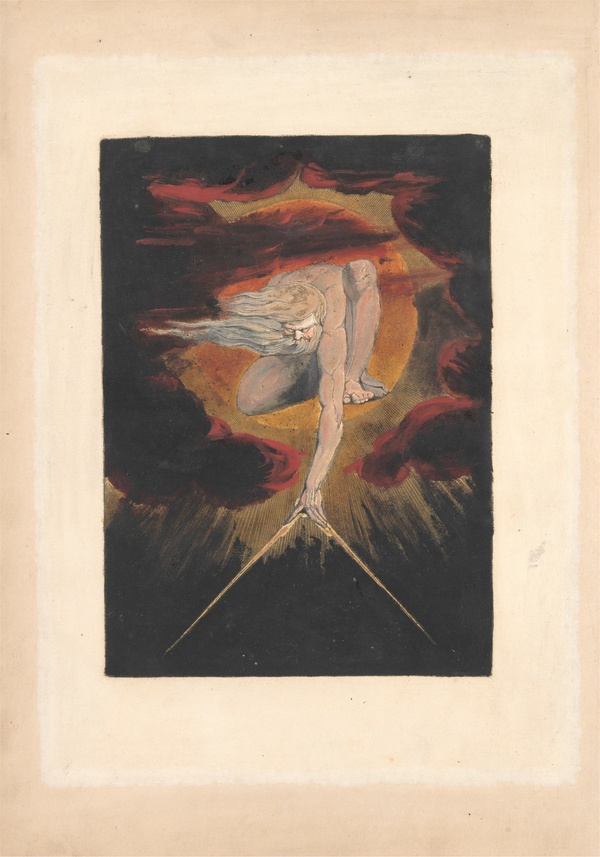
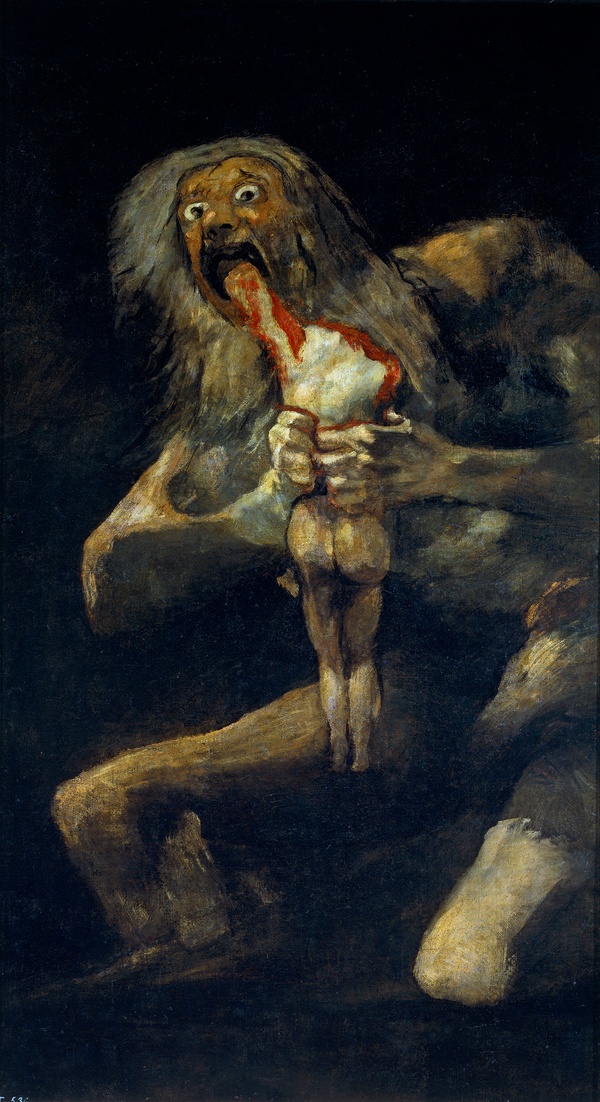
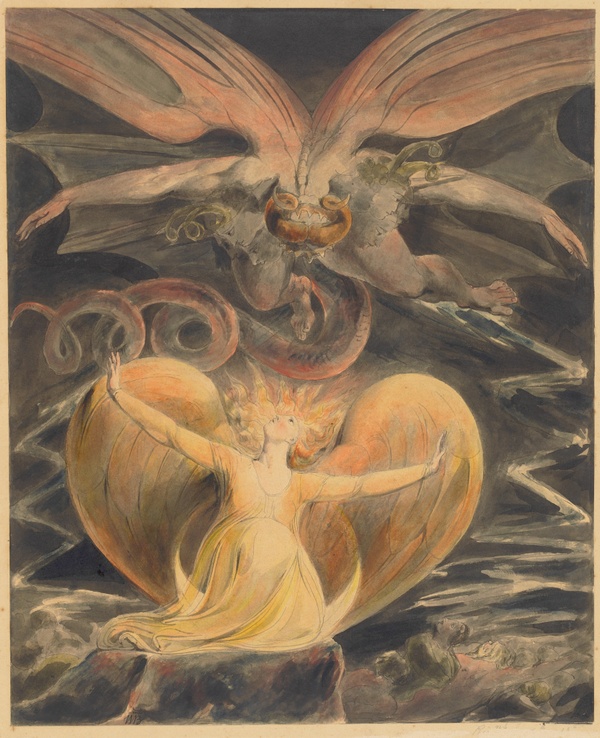
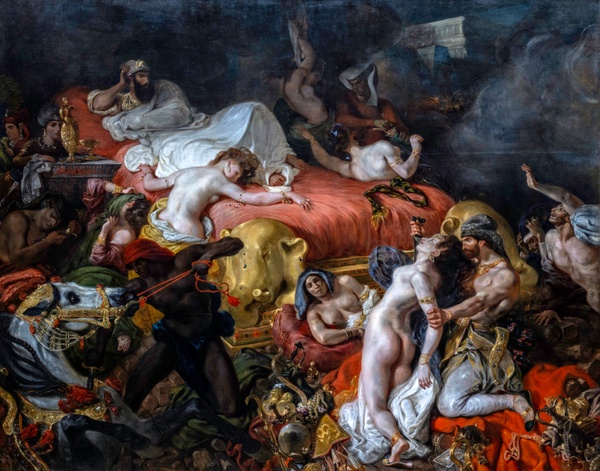
To stand at the cinder’s edge is to witness the moment where creation and collapse are indistinguishable. We begin with the cosmic spark in Europe. A Prophecy, Plate 1, Frontispiece ("The Ancient of Days") - William Blake (1794), where a divine architect measures the void with a compass made of light. Yet, this celestial order is constantly threatened by primal hunger, seen in the terrifying gaze of Saturn Devouring His Son - Francisco Goya (1820-1823) and the monstrous power of The Great Red Dragon and the Woman Clothed with the Sun - William Blake (c. 1805). Even human luxury is not immune to the flame, as evidenced by the decadent ruin of Death of Sardanapalus - Eugène Delacroix (1827).
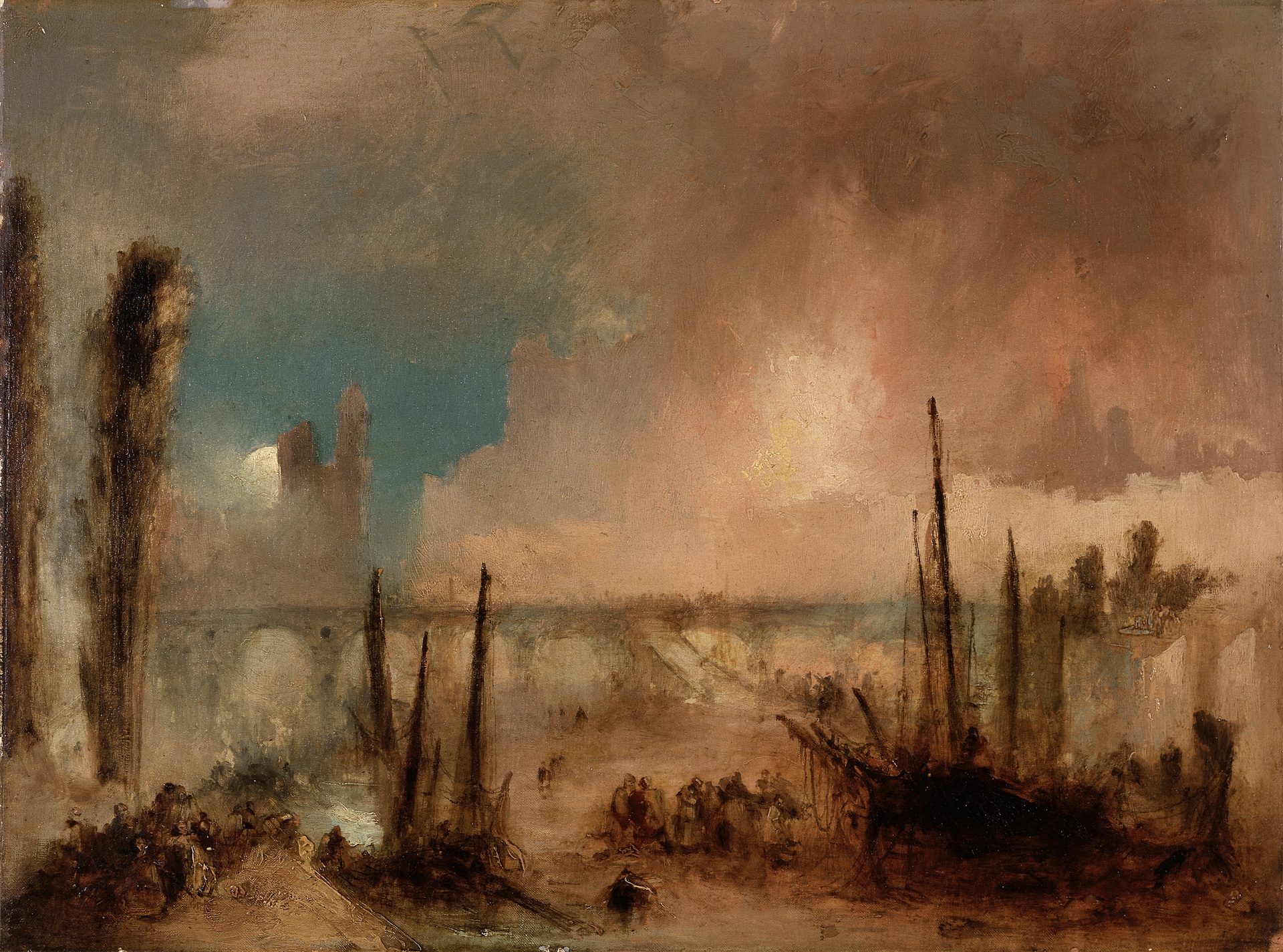
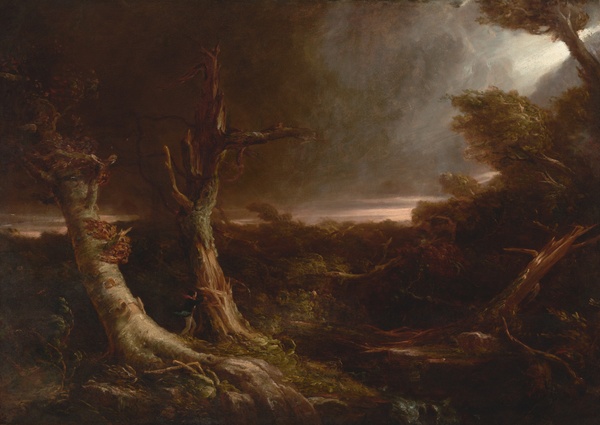
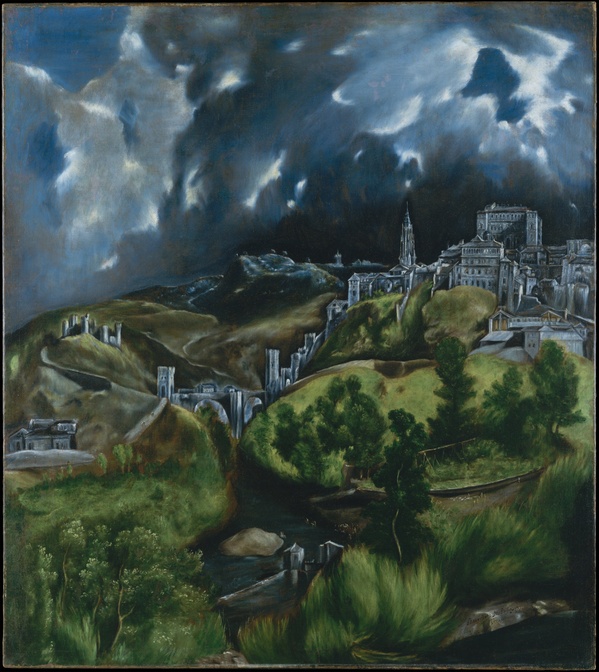
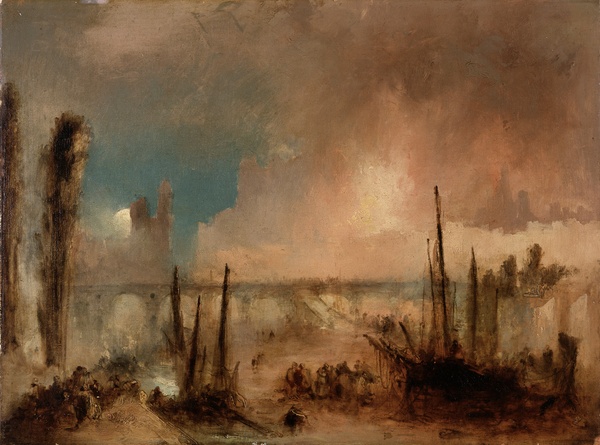
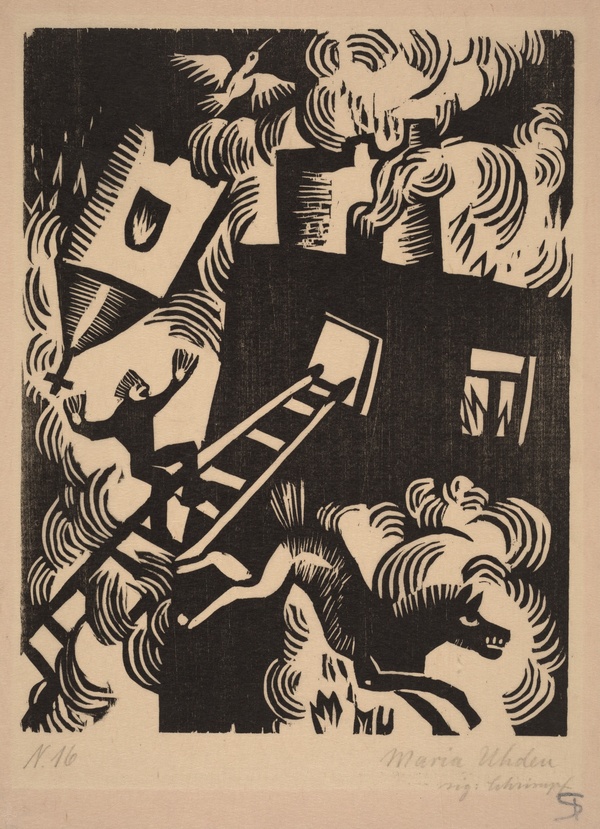
The natural world reflects this inner volatility. We see it in the swirling chaos of Tornado in an American Forest - Thomas Cole (1831) and the electric, bruised sky of View of Toledo - El Greco (c. 1598-1600). When the fire reaches our cities, it becomes a spectacle of awe, such as the Burning of the Houses of Parliament (October 6, 1834) - J.M.W. Turner (1834–1835) or the distant, smoldering glow of Neubrandenburg on Fire - Caspar David Friedrich (c. 1834). In the frantic lines of Burning House - Maria Uhden (1918), the shelter of the domestic sphere finally dissolves.
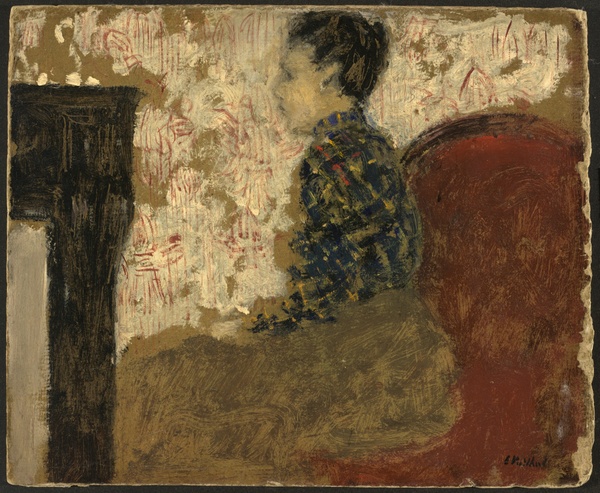
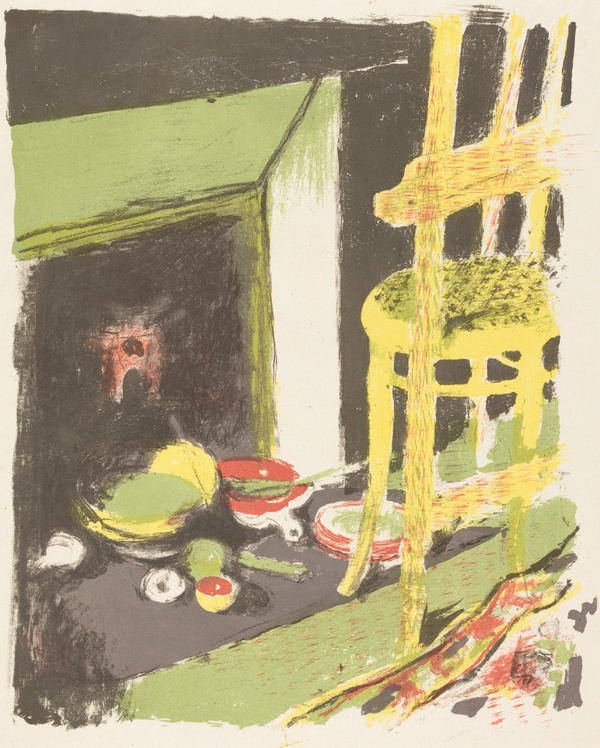
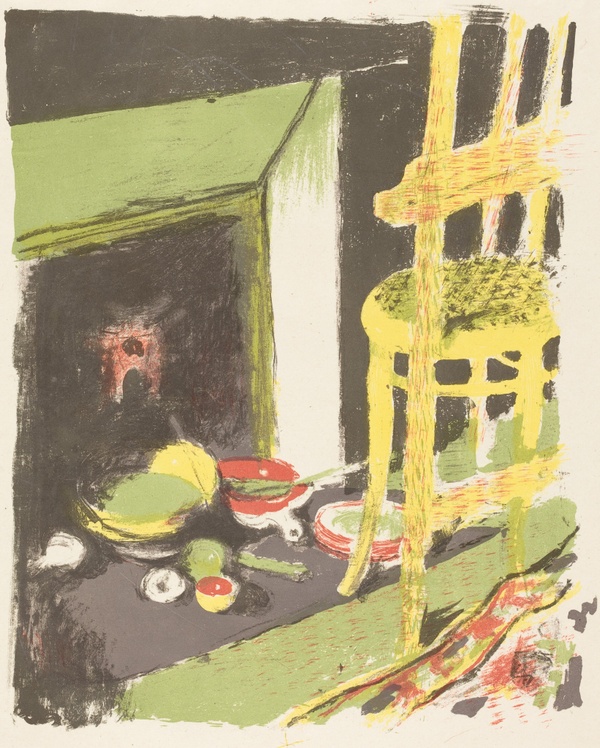
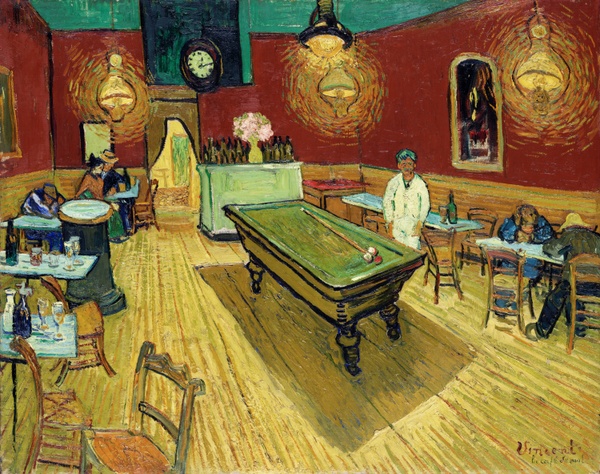
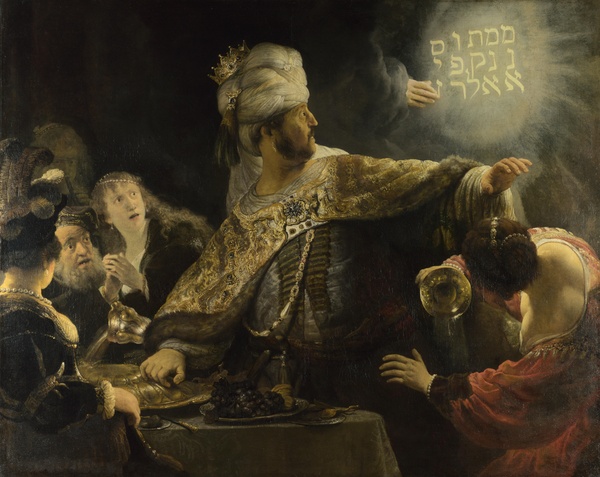
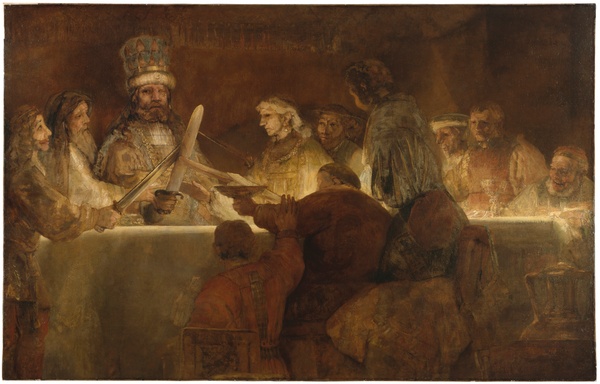
Yet, there is a quieter heat found indoors. We find a meditative stillness in Woman Sitting by the Fireside - Édouard Vuillard (ca. 1894), mirrored by the intimate, patterned warmth of The Hearth (L'Âtre) - Édouard Vuillard (1899) and The Hearth (L'Atre) - Édouard Vuillard (1899). These small embers contrast with the social anxieties of Le café de nuit (The Night Café) - Vincent van Gogh (1888) or the divine judgement inscribed in light in Belshazzar's Feast - Rembrandt van Rijn (1636). We see history forged in the shadows of The Conspiracy of the Batavians under Claudius Civilis - Rembrandt van Rijn (1661-1662).
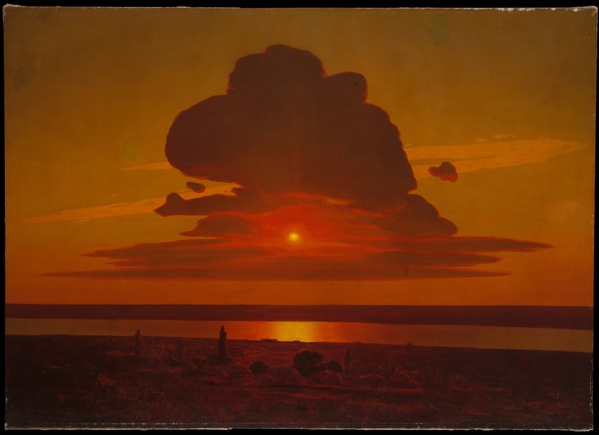
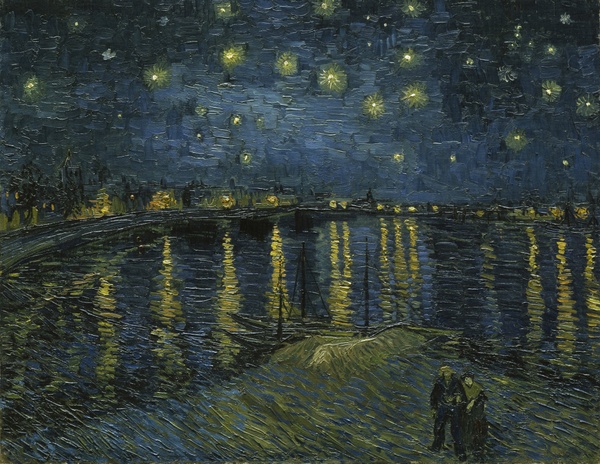
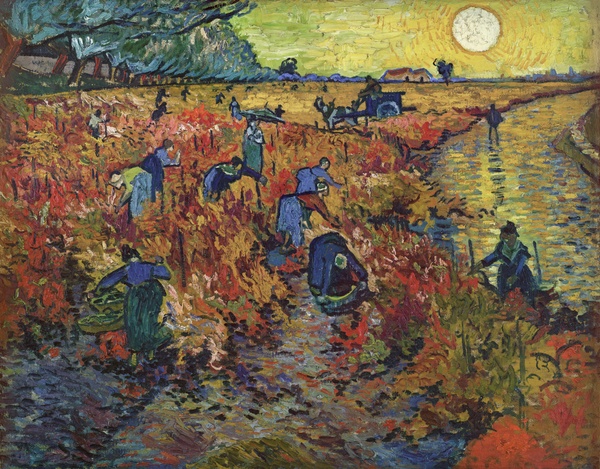
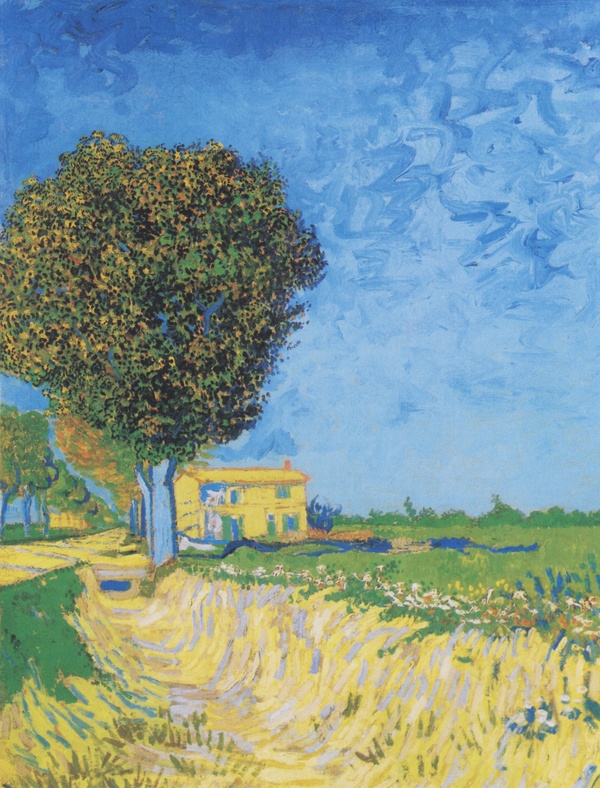
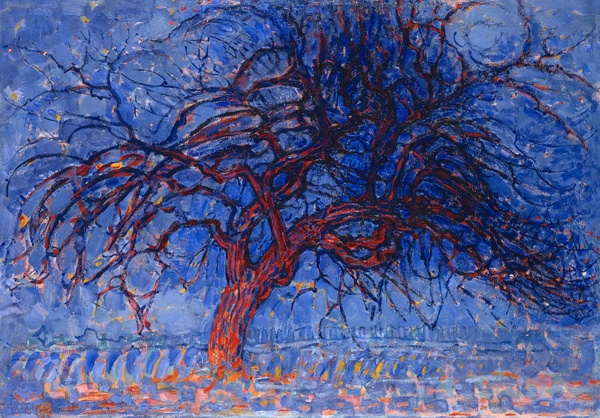
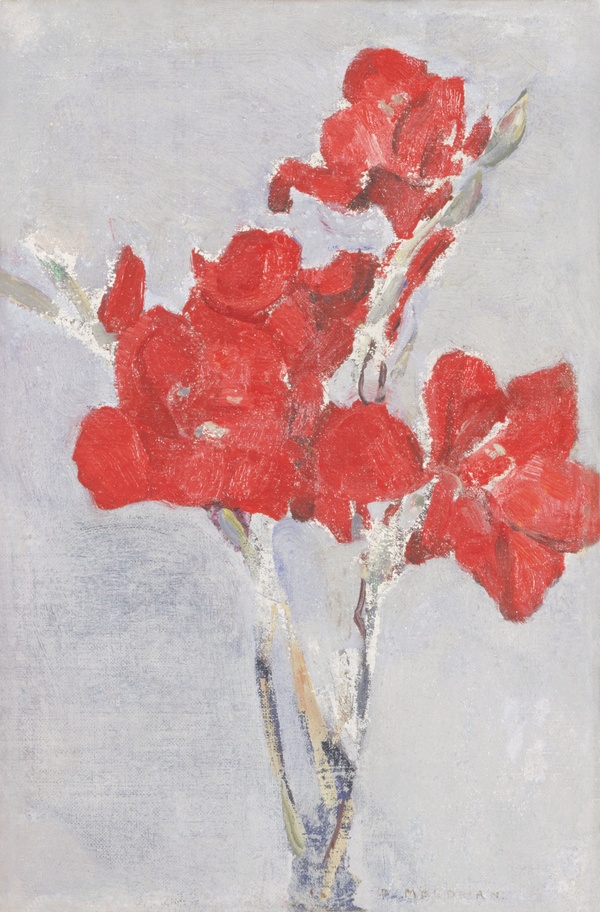
As day turns to ash, the landscape cools into vibrant hues. The Red Sunset on the Dnieper - Arkhip Kuindzhi (1905) bleeds into the celestial peace of Starry Night Over the Rhône - Vincent van Gogh (1888). We wander through the sun-baked earth of The Red Vineyard - Vincent van Gogh (1888) and the somber rows of L'Allée des Alyscamps (The Avenue of Les Alyscamps) - Vincent van Gogh (1888). The cooling spirit is captured in the skeletal branches of Avond (Evening): The Red Tree - Piet Mondrian (1908) and the organic intensity of Red Gladioli - Piet Mondrian (1906).
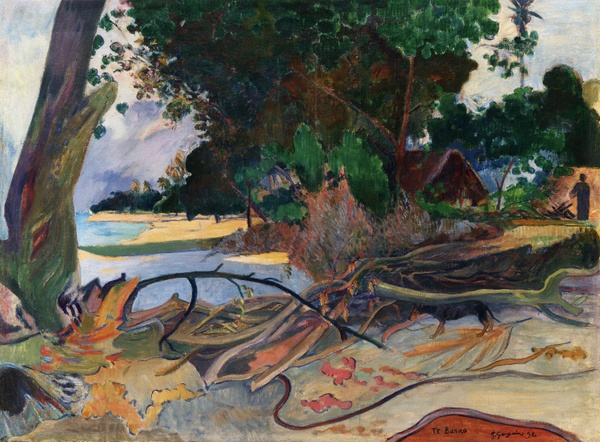
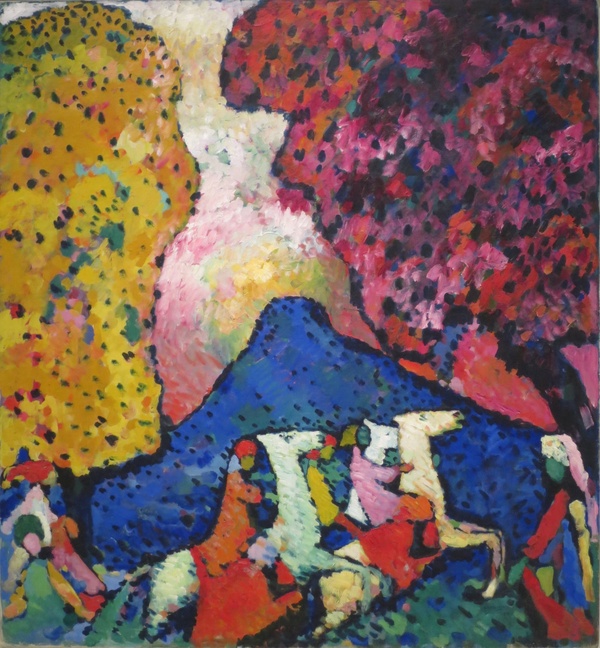
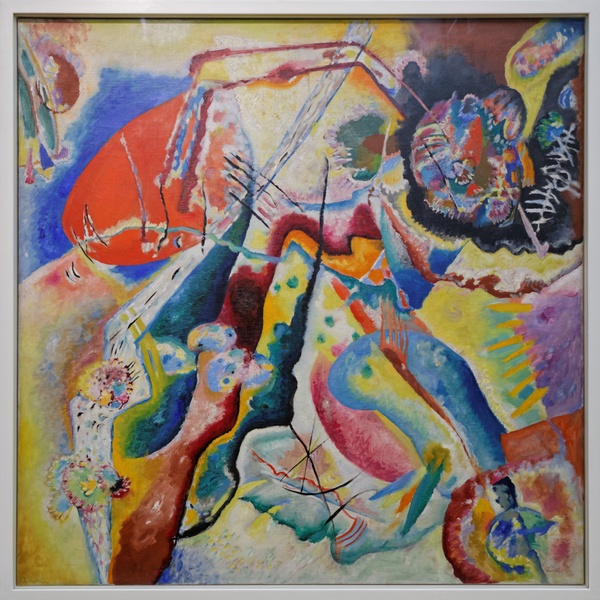
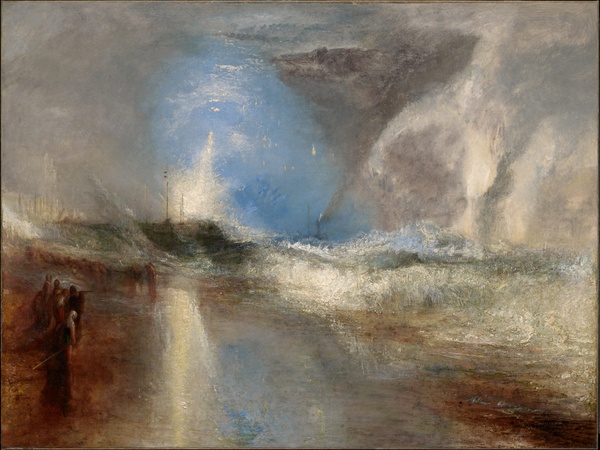
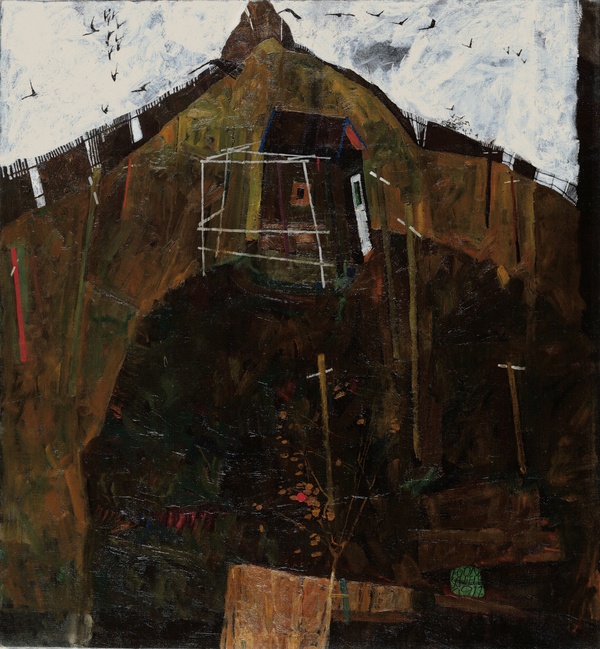
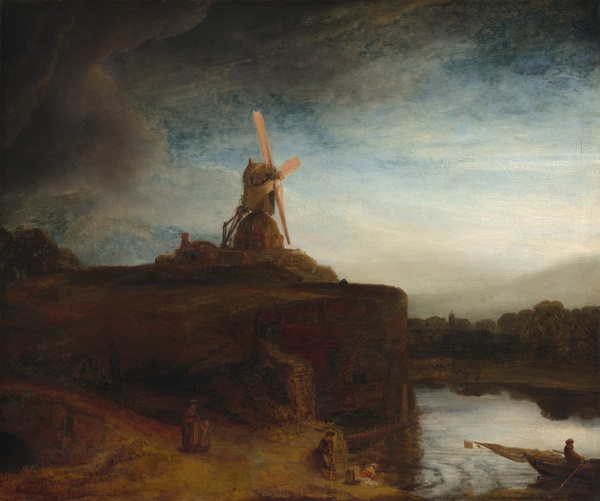
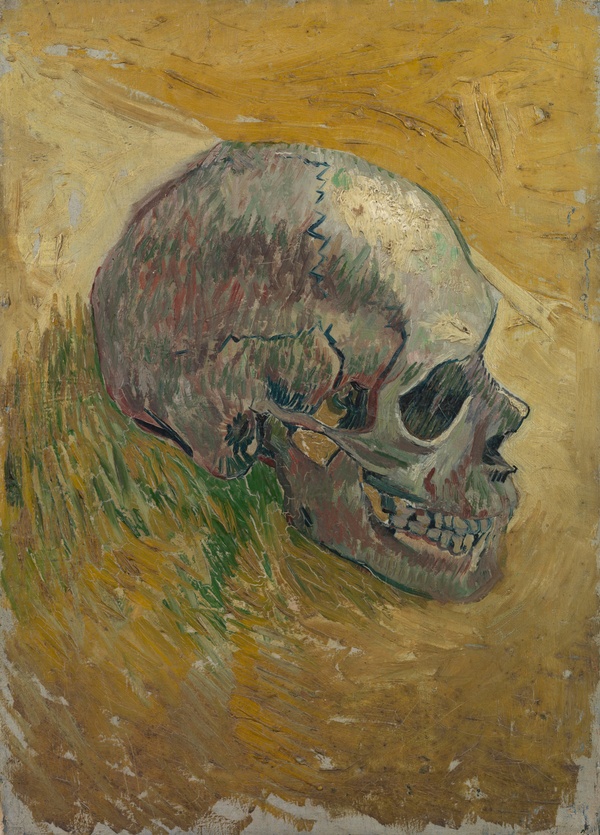
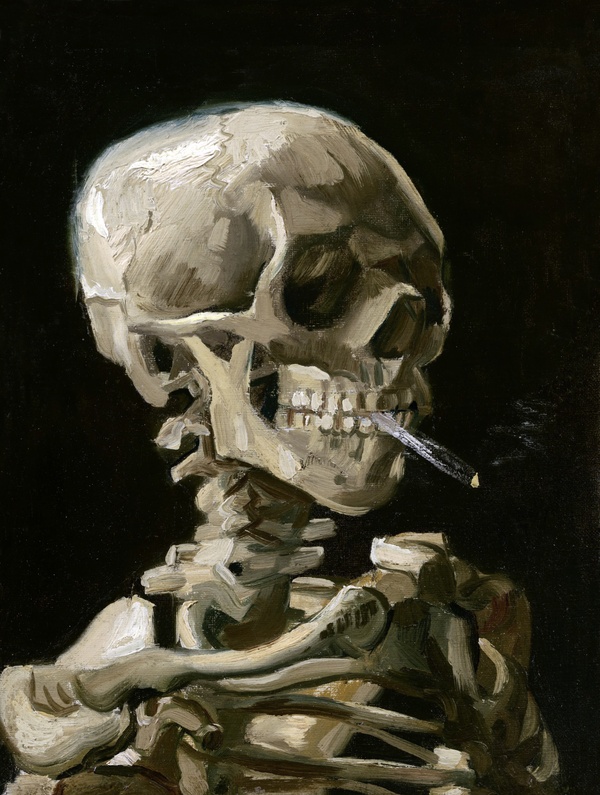
Life persists in the exotic shade of Te burao (The Hibiscus Tree) - Paul Gauguin (1892) and the rhythmic energy of Blue Mountain (Der blaue Berg) - Wassily Kandinsky (1908–09), eventually breaking into the pure abstraction of Tableau à la tache rouge (Bild mit rotem Fleck) - Wassily Kandinsky (1914). But the warnings return with Rockets and Blue Lights (Close at Hand) to Warn Steamboats of Shoal Water - J.M.W. Turner (1840) and the omen-filled Landscape with Ravens - Egon Schiele (1911). Finally, we reach the silent aftermath. By the light of The Mill - Rembrandt van Rijn (c. 1645–1648), we confront our mortality in Skull - Vincent van Gogh (1887) and the grim humor of Head of a Skeleton with a Burning Cigarette - Vincent van Gogh (1886). We end where the physical fails and the ethereal begins: The Soul Hovering Over the Body [from Marriage of Heaven and Hell, plate 14] - William Blake (1796).
![The Soul Hovering Over the Body [from Marriage of Heaven and Hell, plate 14] - William Blake (1796)](/images/community/thumbnail/5c3c1ce9-e419-4d09-845f-c56ed99d920f.jpg)